Identify Equipment and Instruments
No description yet. This curated deck is ready for daily study.
Card preview (24)
A machine that uses force to separate particles from suspension.
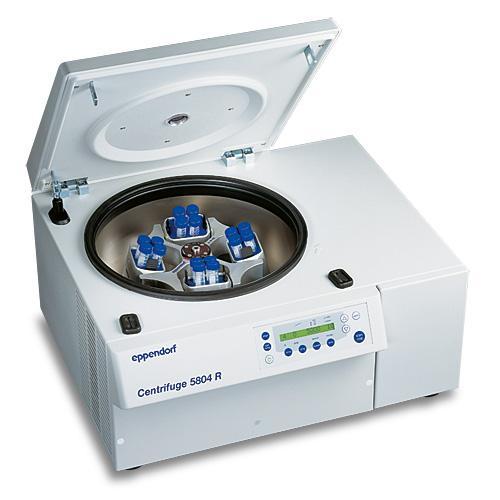
Centrifuge
Used to measure urine gravity, serum protein and refractive index.
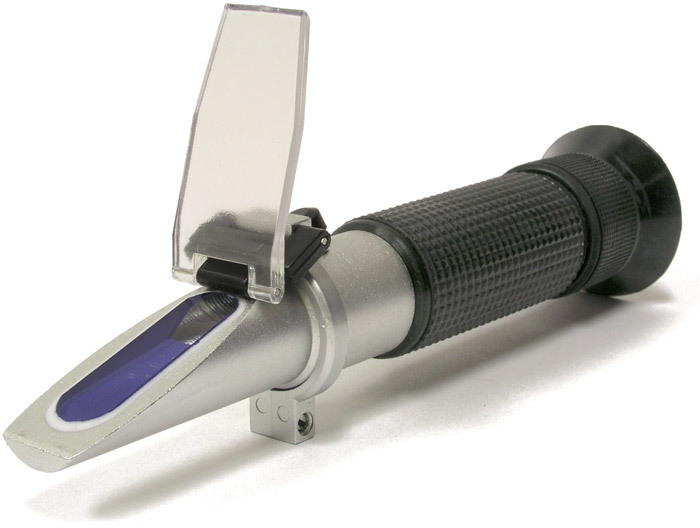
Refractometer
Used to measure small amounts of liquid accurately.
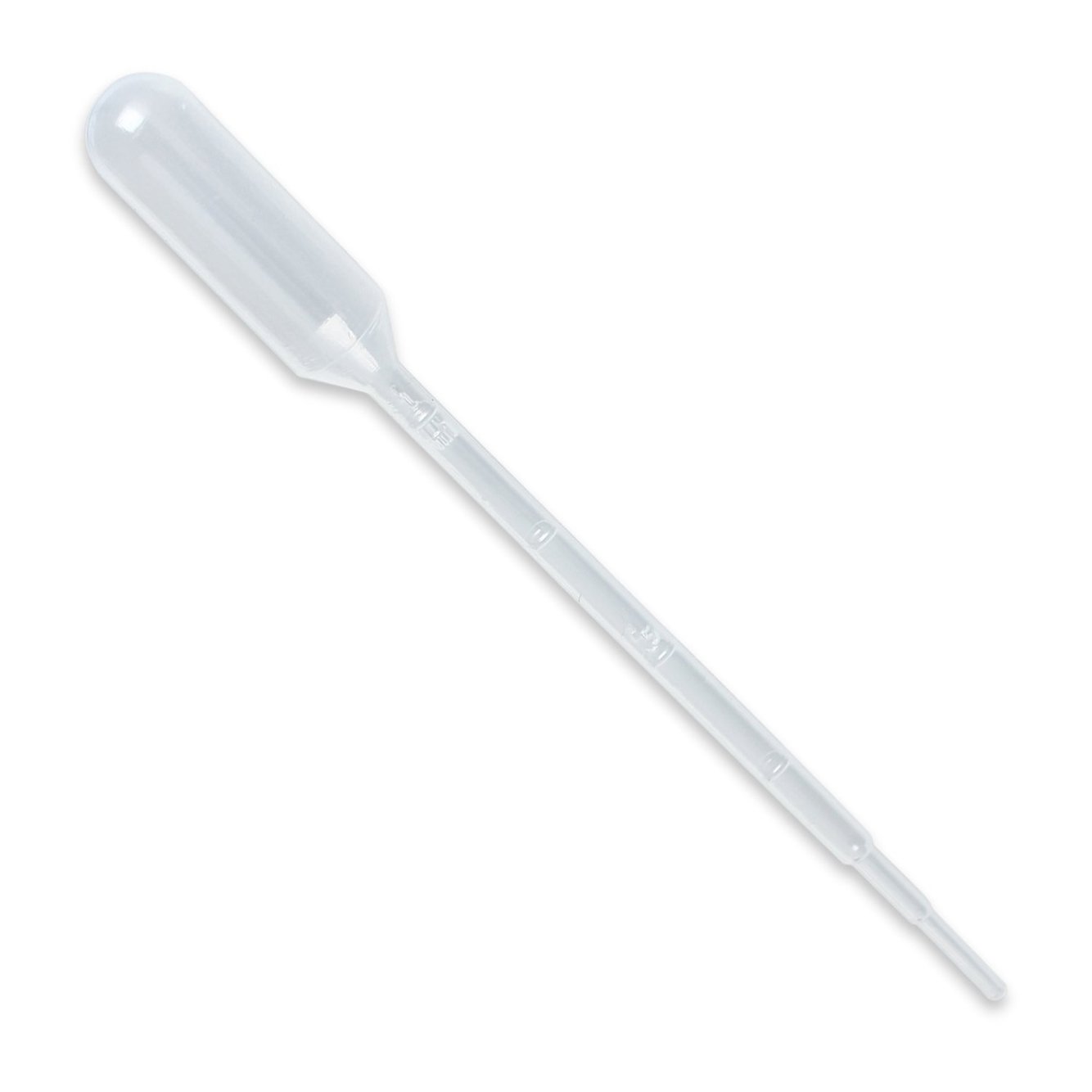
Pipette
Used to help count red and white blood cells as well as platelets and sperm.
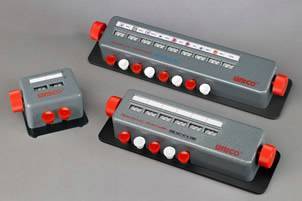
Differential cell counter
Used to count inventory, attendence, traffic, blood cells, and food proportions.
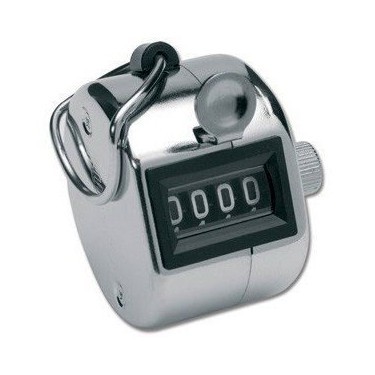
Hand tally counter
Holds scalpel blade.
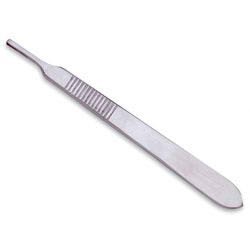
Scalpel Handle
Makes incisions and is used for disections. Has a variety of shapes and sizes.
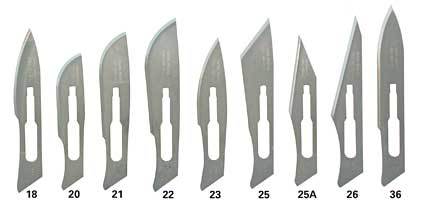
Scalpel blades
Used in centrifuge.
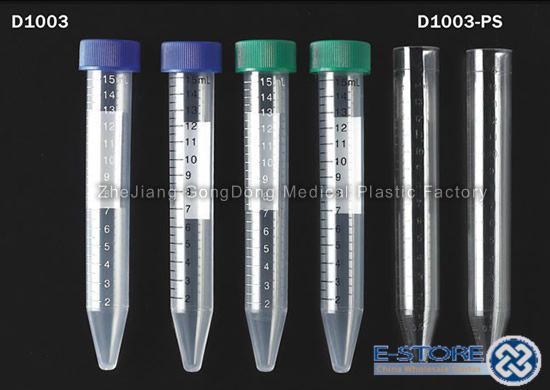
Funnell Conical centrifuge tubes
Measures mass.
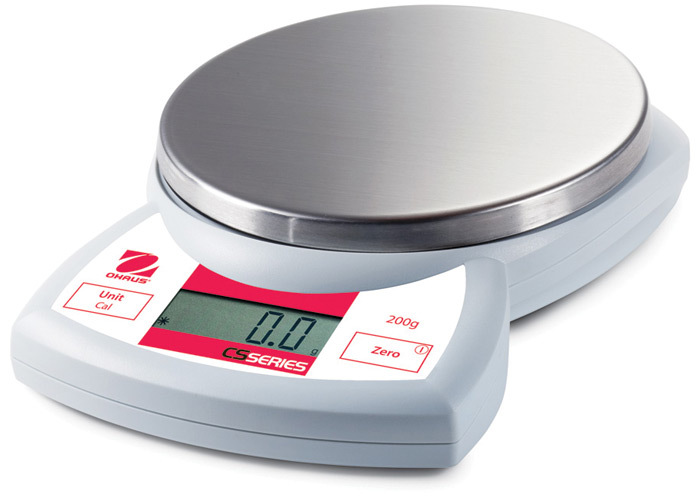
Balance scale
Measures volume of a liquid.
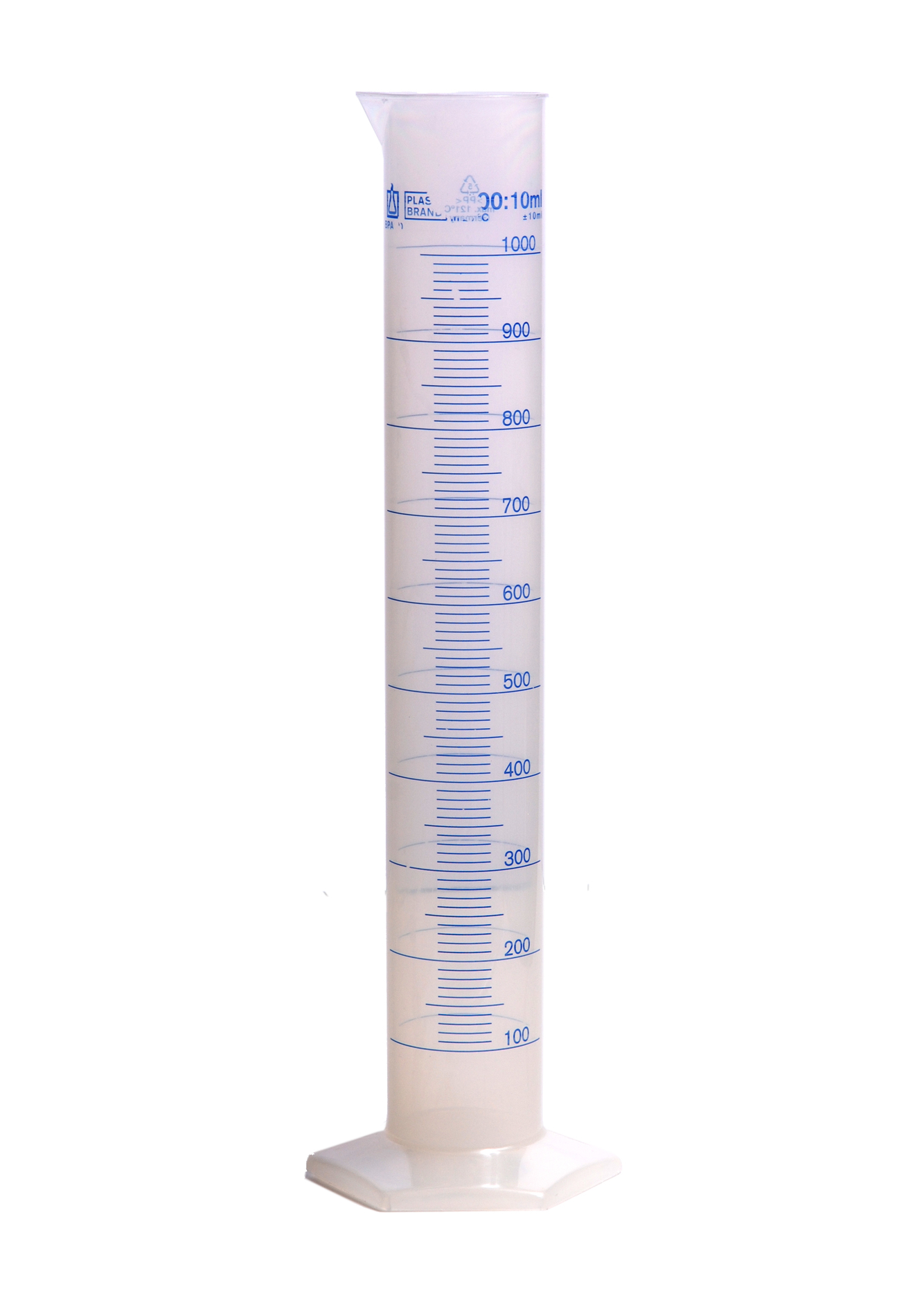
Graduated Cylinder
Removes sutures (post operatively).
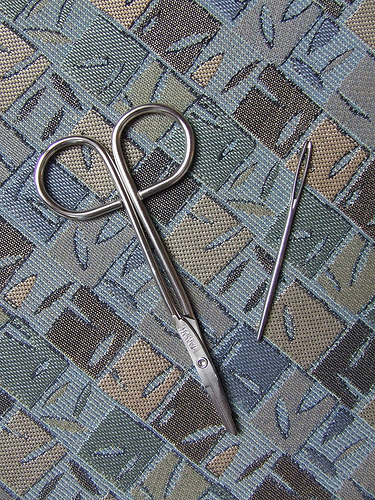
Stitch (suture removal) scissors
Most common operative scissors that can be used for a wide variety of tasks. i.e. cord cutting, suturing.
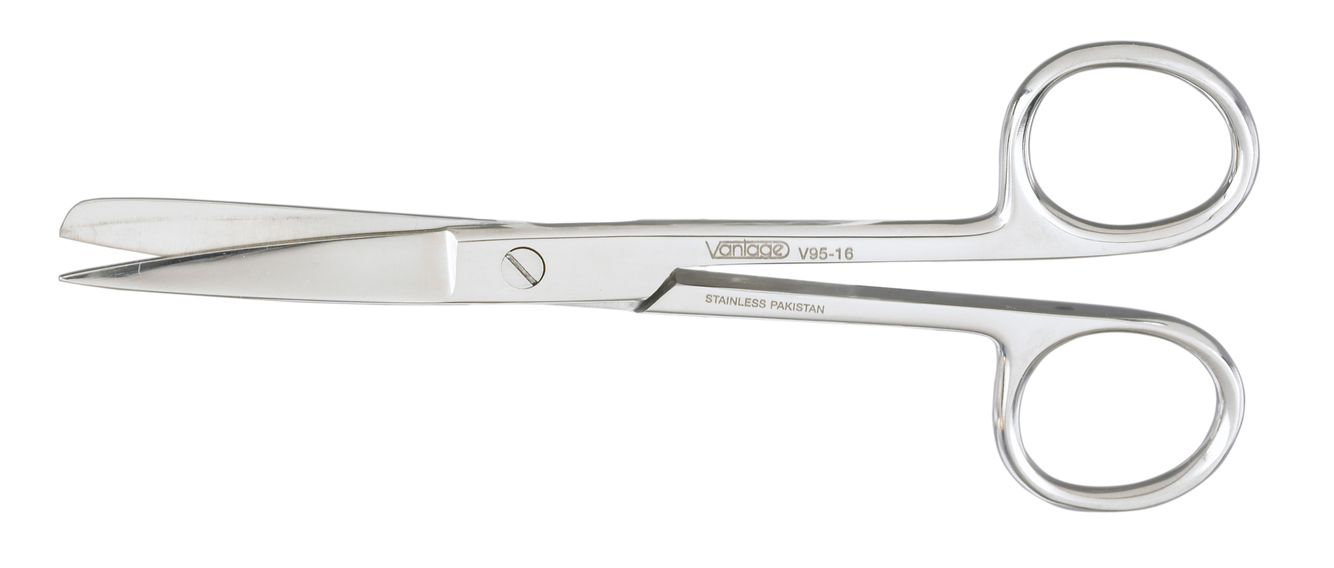
Sharp/blunt scissors
Thin blades with blunt/pointed tips used to cut soft or delicate tissues, not dense or fibrous.
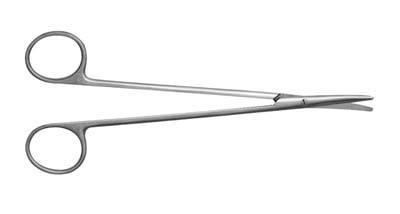
Metzenbaum scissors
Angled blunt end used to carefully cut bandages from an animal.
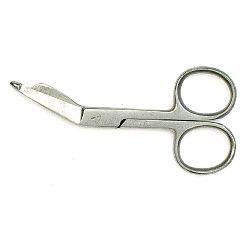
Bandage scissors
Holds suture needle while suturing.
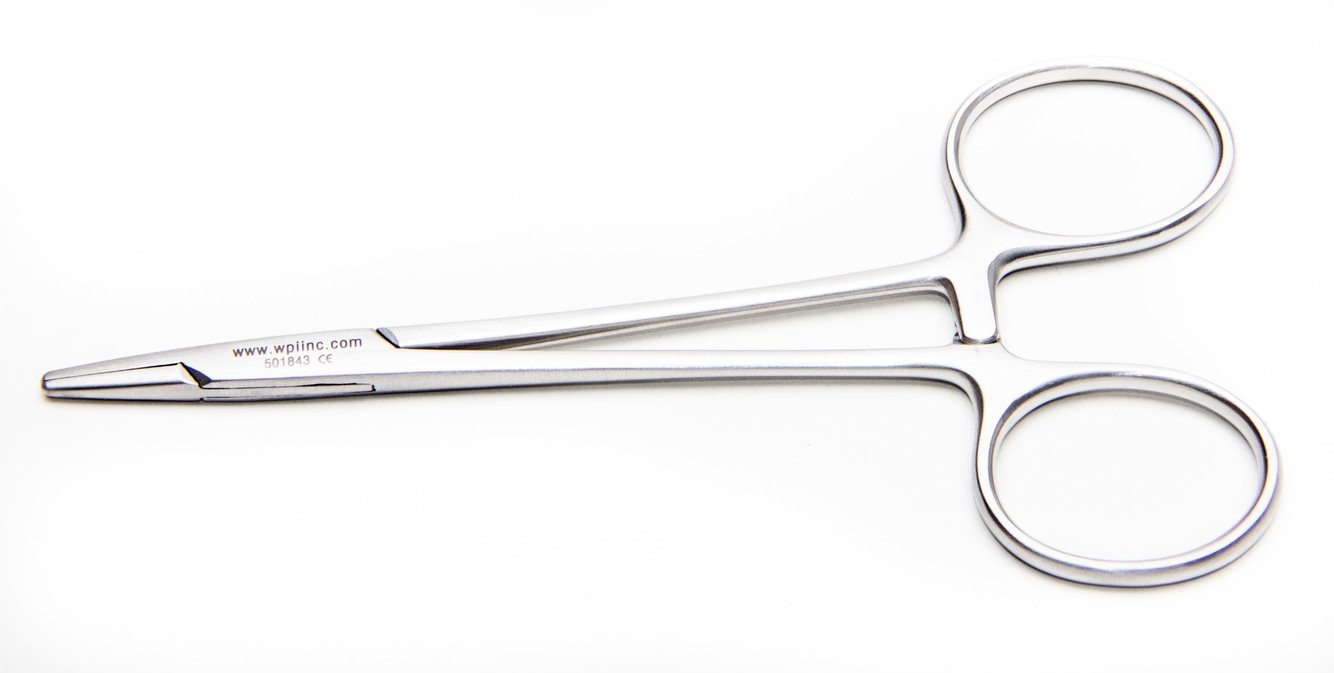
Needle Holder
Instrument with teeth to grasp tissue.
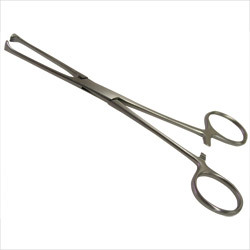
Tissue forceps
Holds viscera (bladder and bowel). Used to hold short length of intestine without compressing it. Grasping soft tissue or bowel.
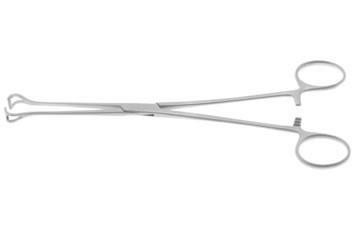
Babcock intestinal forceps
Used to clamp small to medium sized blood vessels.
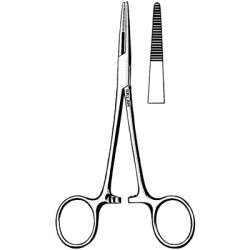
Kelly forceps
Surgical intruments used to hold back flesh at the edge of a wound.
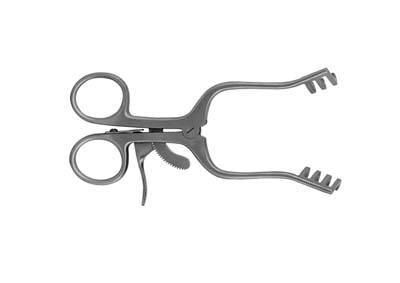
Retractors
Used when temporary support is needed and the healing tissue will be able to support itself.
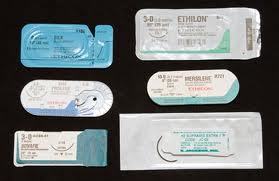
Absorbable suture material
Used in tissue when the new tissue will not be able to support itself. i.e. staples, silk, or nylon.
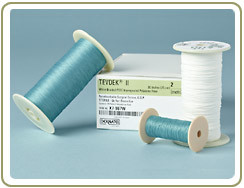
Nonabsorbable suture material
Used to clasp flaps of a wound together to prevent bleeding and promote healing until the wound is closed. Used in occlusion of blood vessels, ducts, and sacculated aneurysms during surgical procedures.
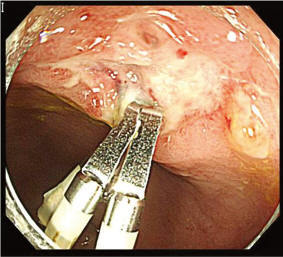
Hemostatic clips
Tube directly inserted into the trachea to assist ventilation.
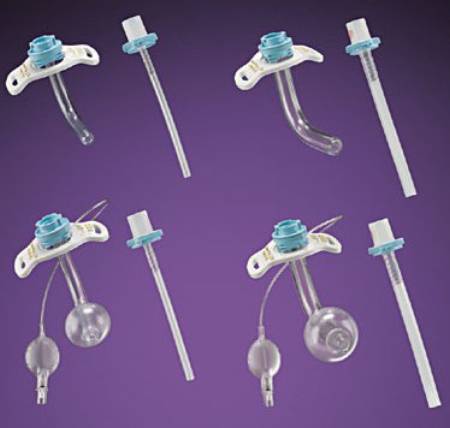
Tracheostomy tube
Used for grasping and removing teeth.
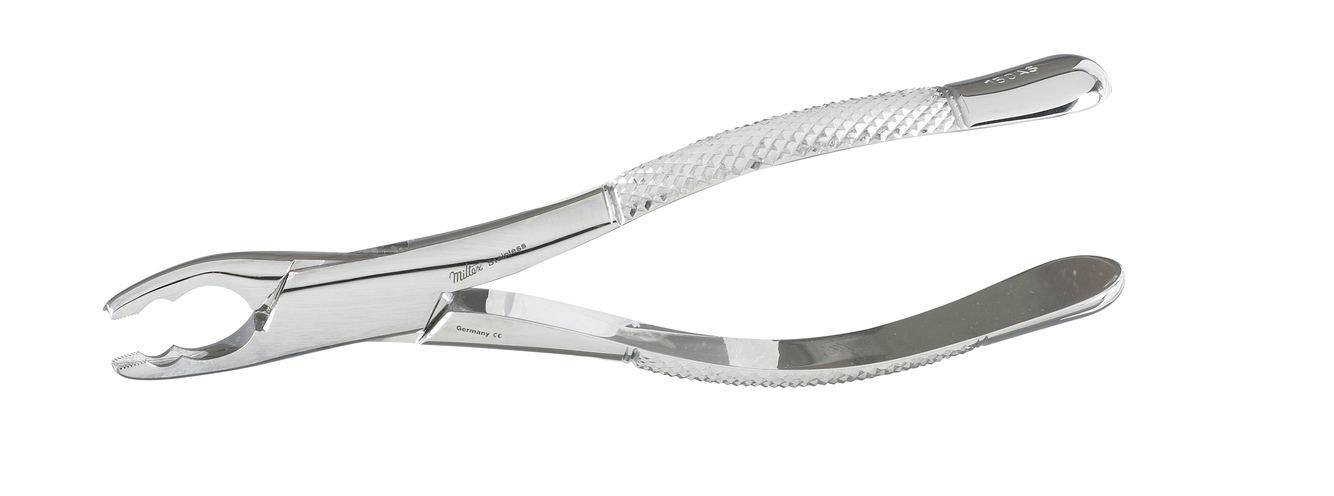
Extraction forceps