Electricity
No description yet. This curated deck is ready for daily study.
Card preview (24)
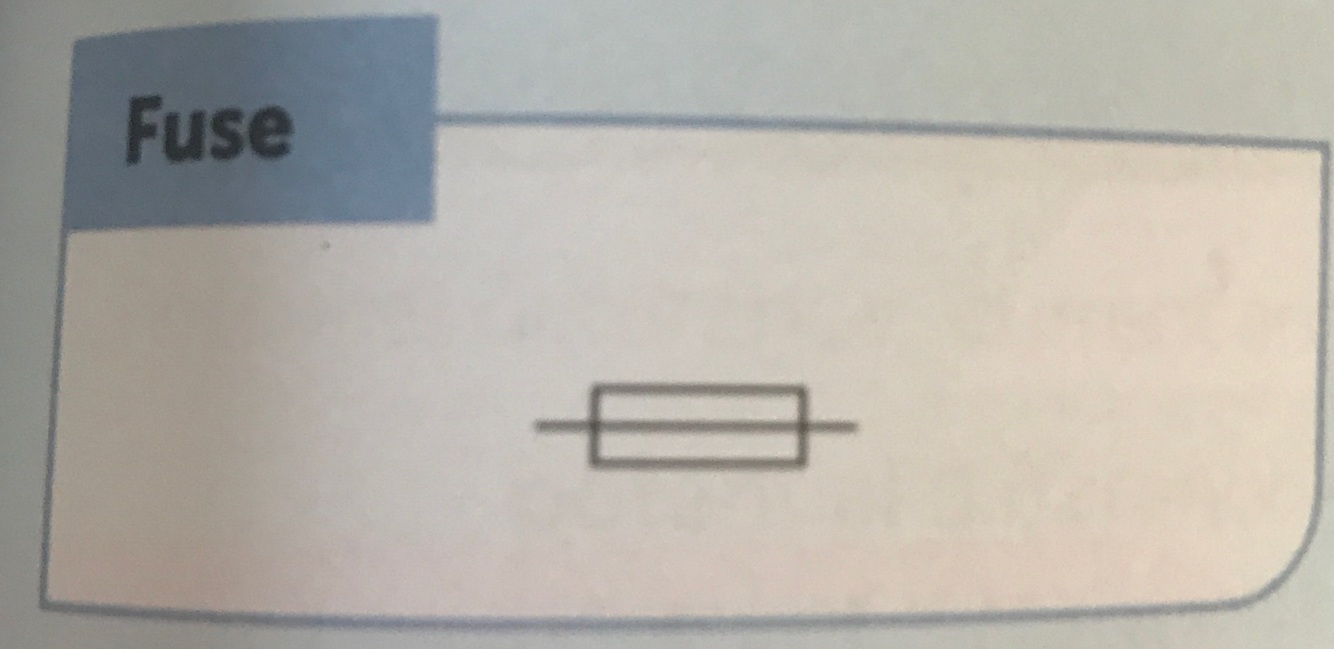
What is the diagram for a fuse?
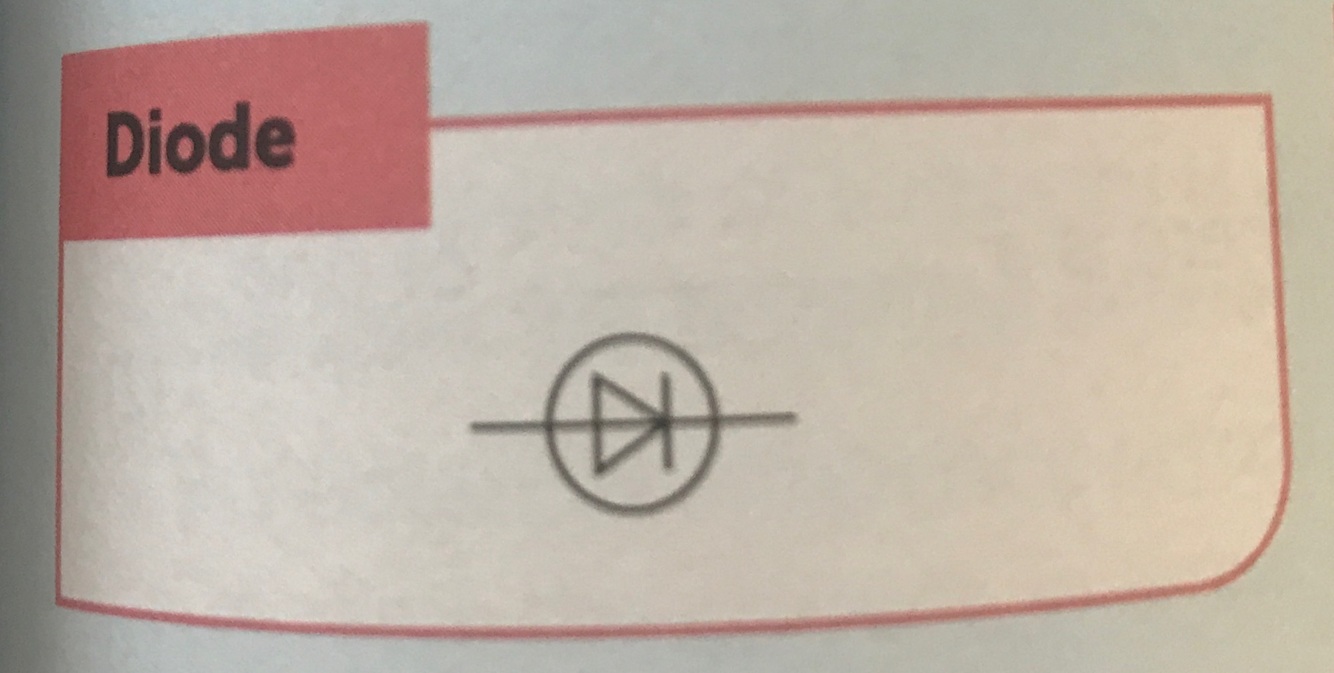
What is the circuit symbol for a diode?
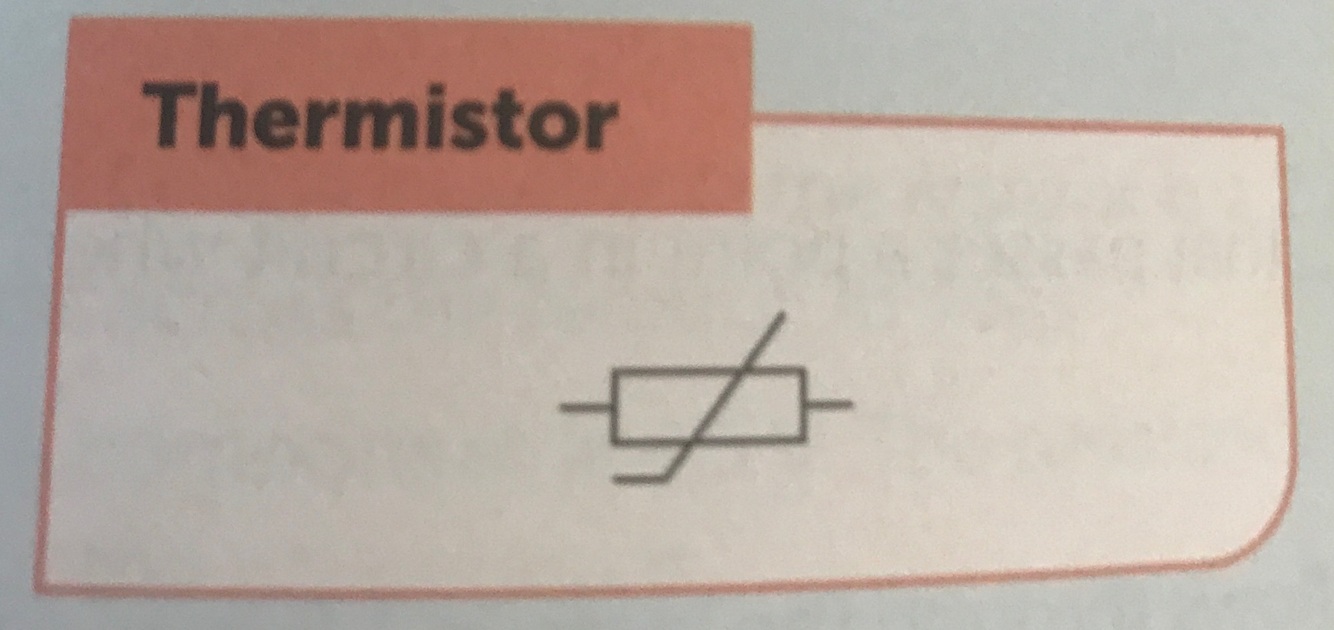
What is the circuit symbol for a thermistor?
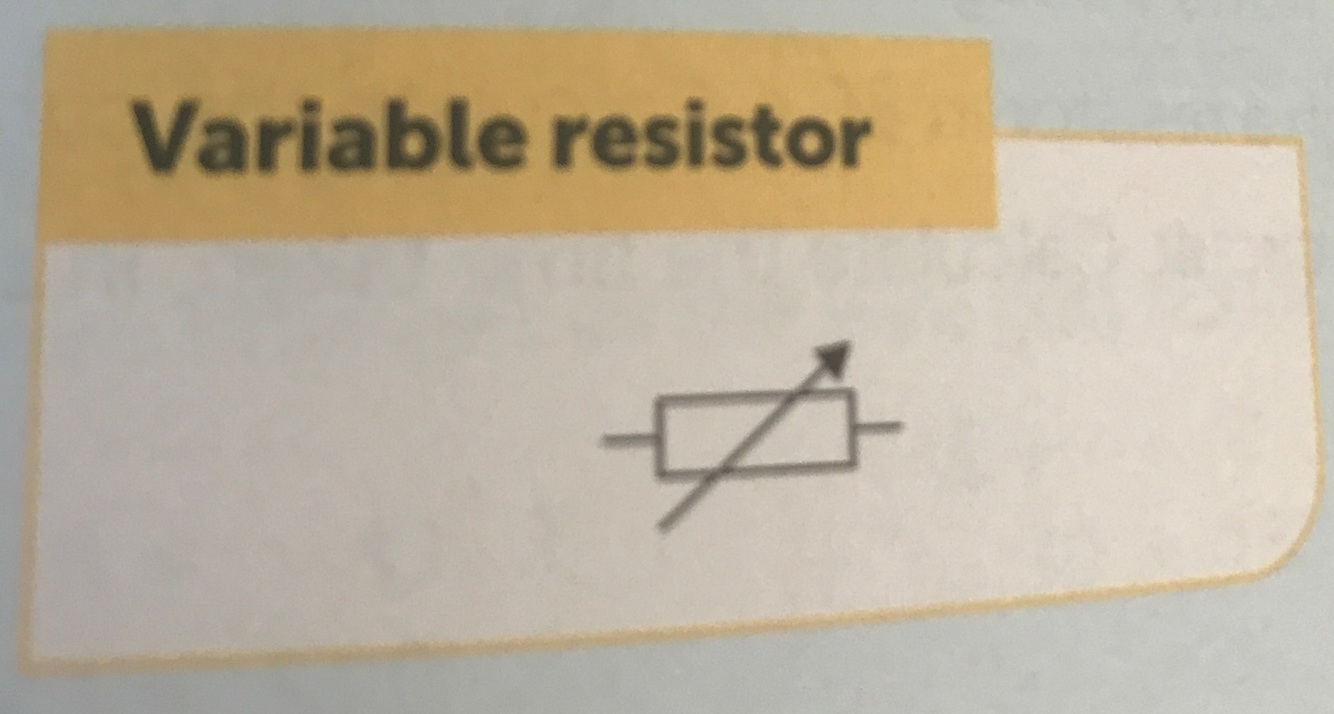
What is the circuit symbol for a variable resistor?
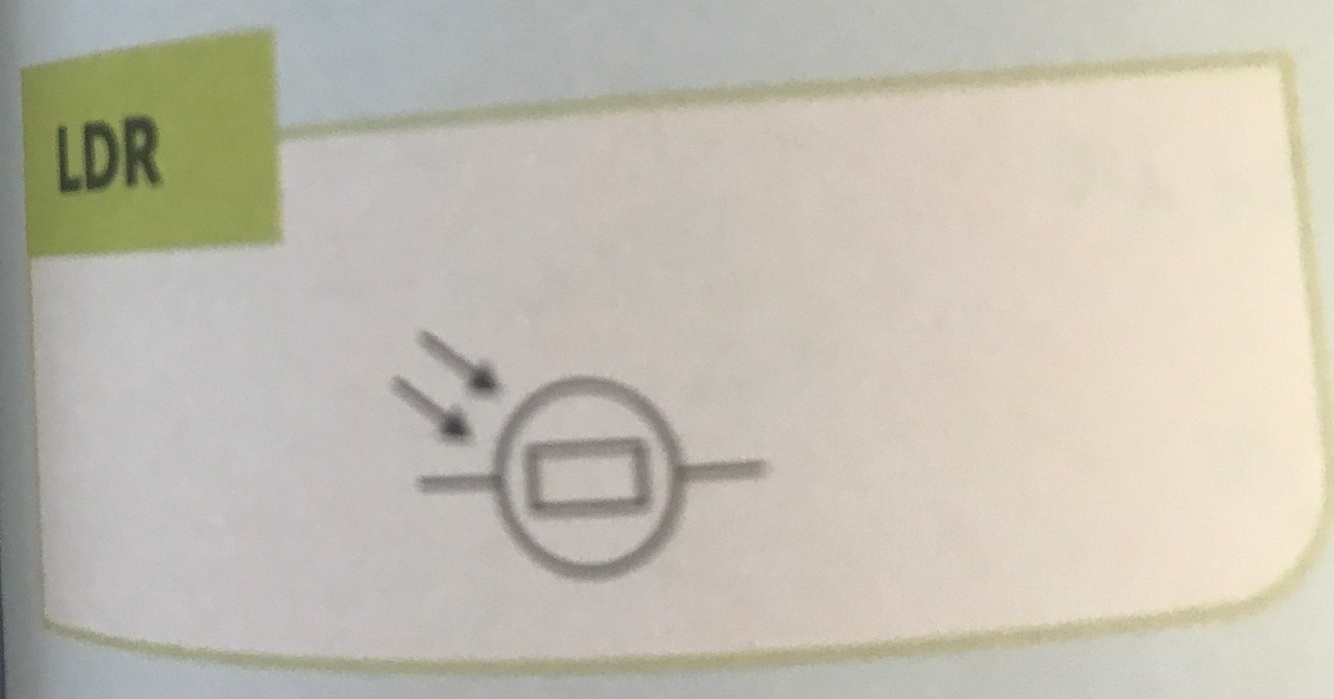
What is the circuit symbol for a light dependent resistor?
What is electric current?
The rate of flow of electrical charge. In metal wires this charge is carried by electrons.
How is current measured?
Through an ammeter connected in series with the component.
What must a circuit be for an electrical charge to flow?
A closed circuit.
What is a coulomb?
The charge that passes a point in a circuit when there is a current of one ampere for one second.
What is resistance?
A measure of how hard it is for charge to flow through a component or a material.
Explain why the resistance in a wire changes as the wire gets hotter.
As the wire gets hotter the atomic vibrations are larger so electrons collide with atoms more frequently and the resistance increases.
Required Practical 15: Investigating resistance
• Set up a circuit to measure the potential difference and current for a wire at different lengths along the wire • Calculate the resistance using R = V / I • Plot a graph : Resistance is directly proportional to length _Sources of error_: • Heating effect of the wire - use a low potential difference and only turn current on briefly and allow it to cool between readings • Measuring the length between the crocodile clips consistently
What are Ohmic conductors?
At a constant temperature, the resistance stays constant when the current changes.
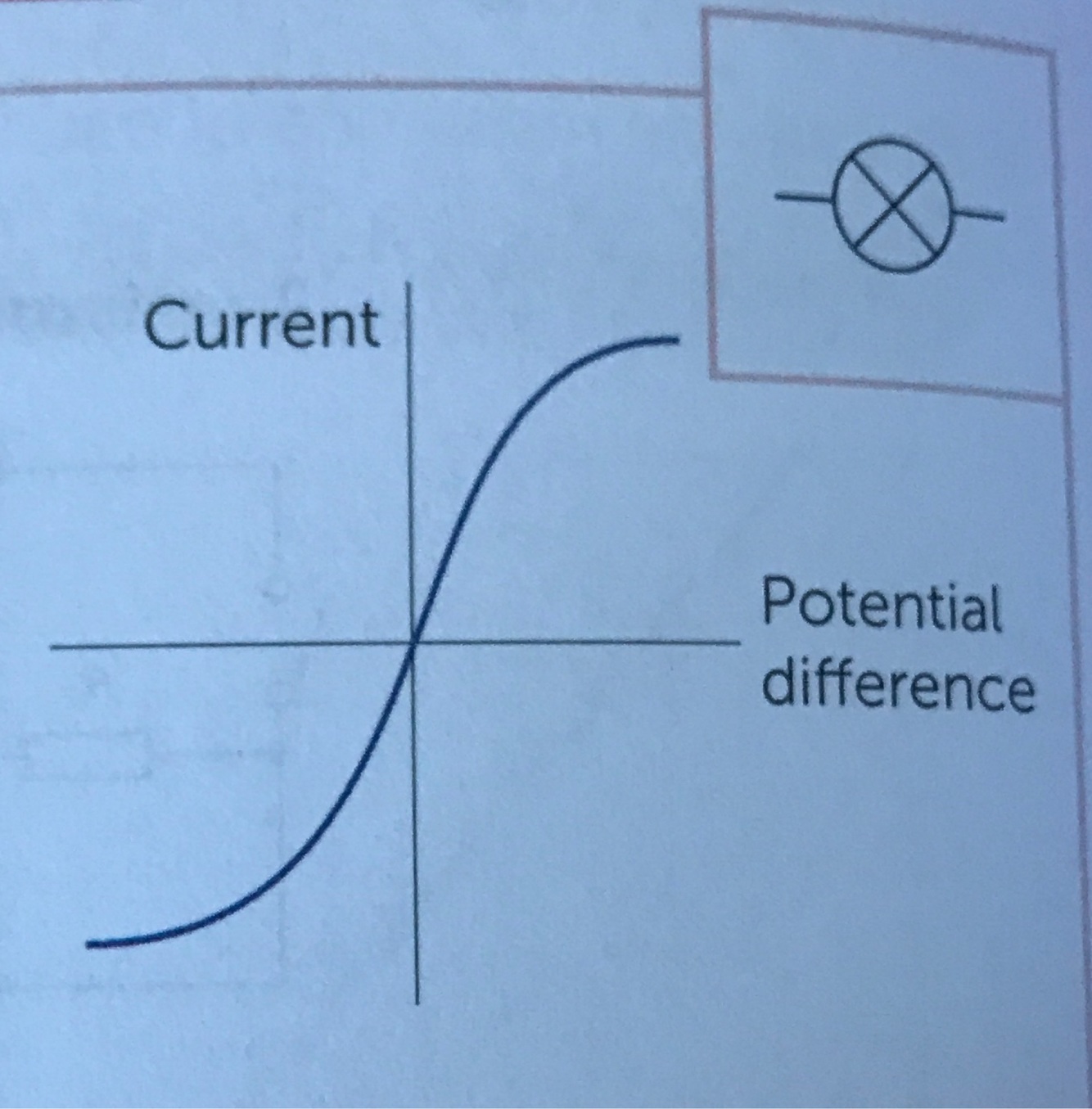
What is the graph for a filament lamp?
Non-ohmic
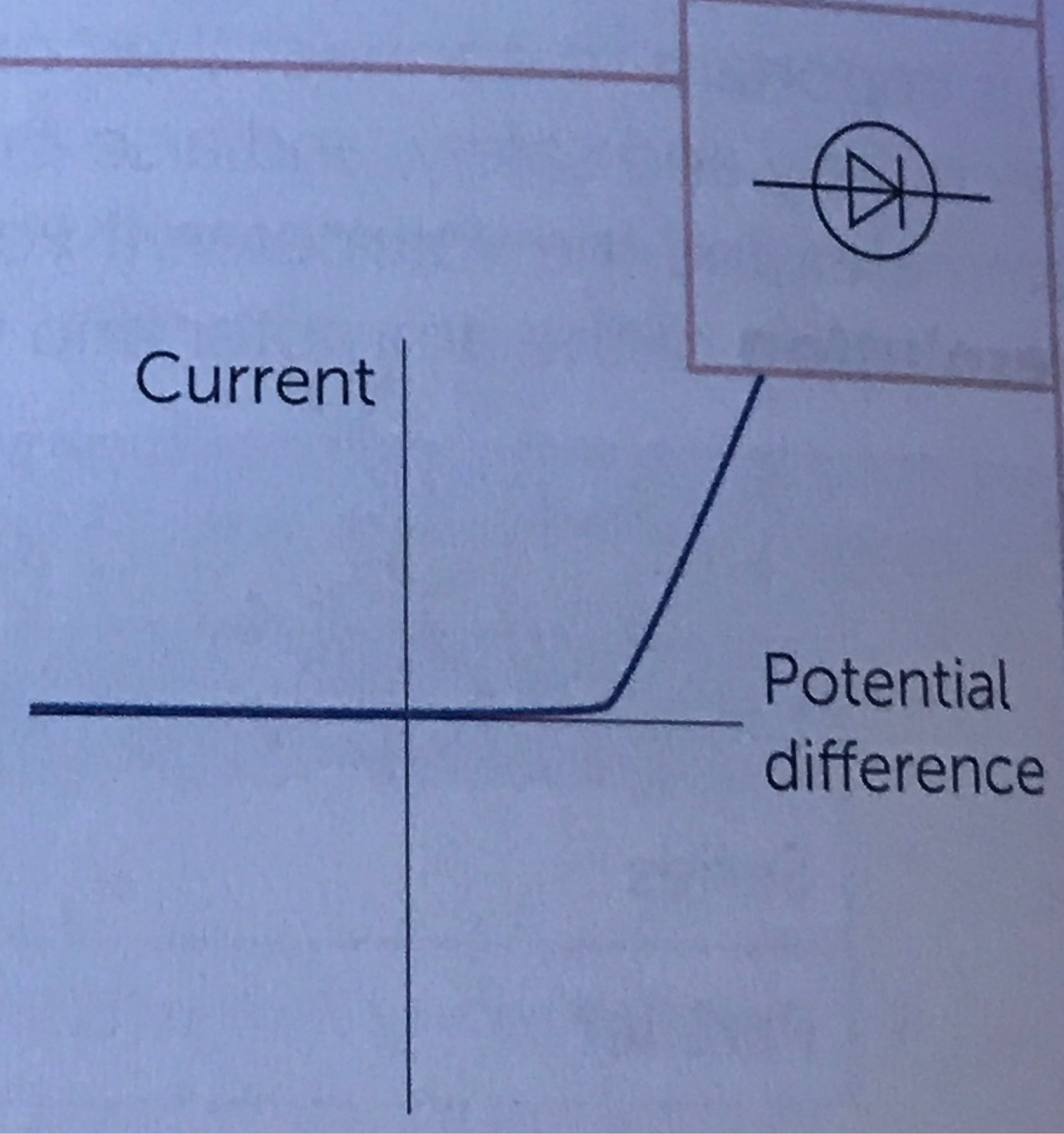
What is the graph for a diode?
Non-ohmic
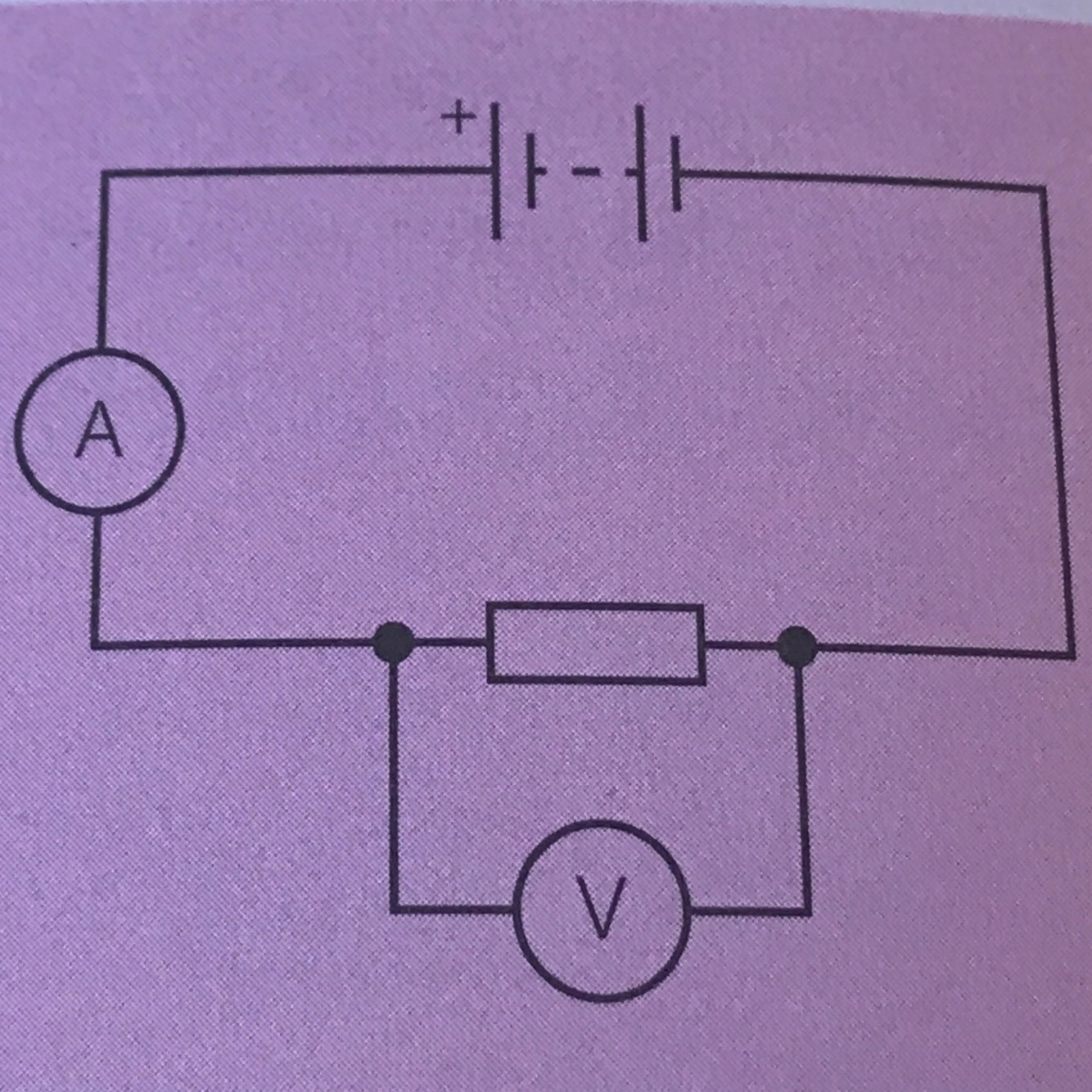
What is the basic circuit for measuring the resistance of a component?
What is the graph for a thermistor?
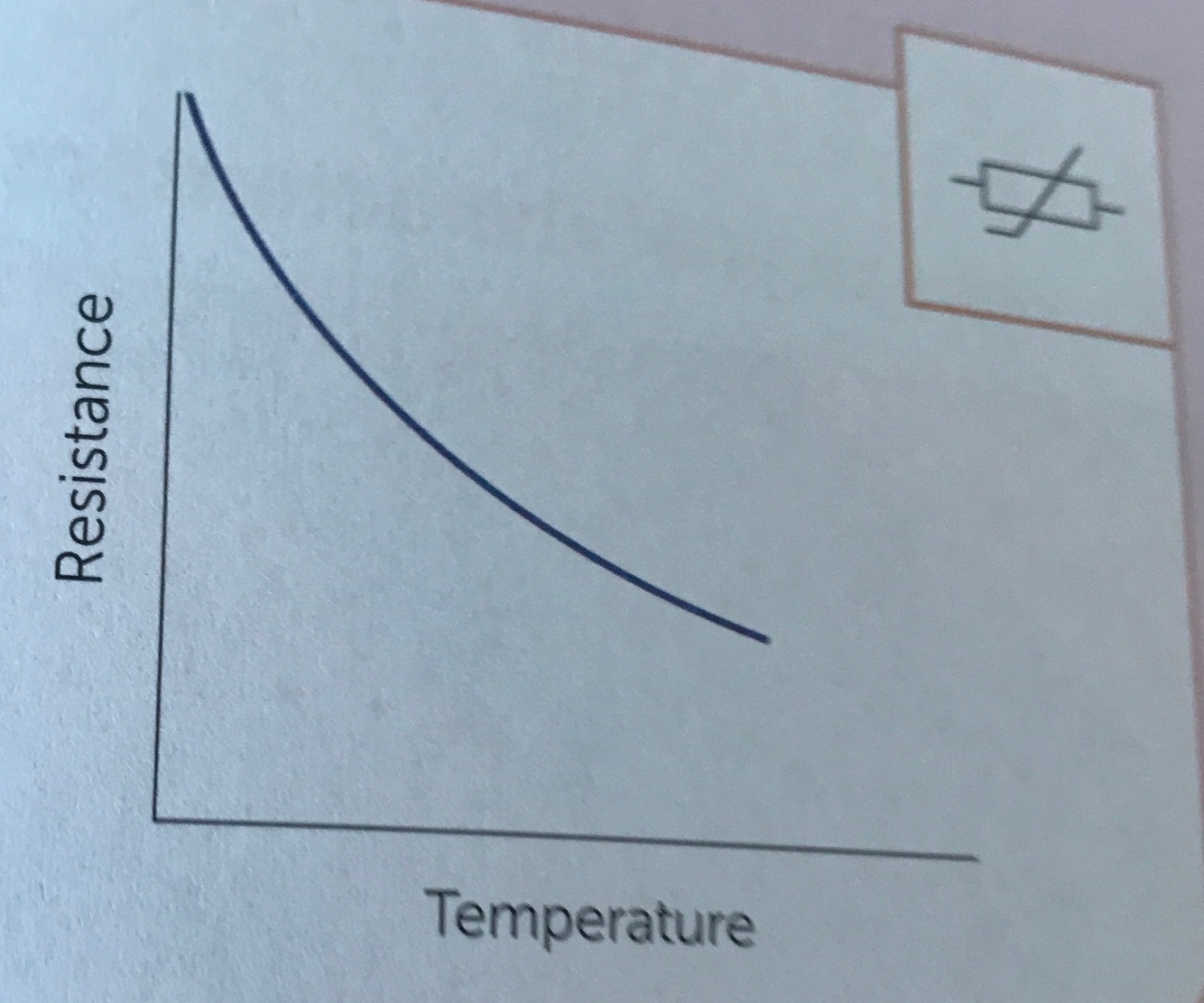
What is a thermistor used for?
Temperature sensors in fire alarm systems. Thermostats fur switching on devices at certain temperatures.
What is the graph of an LDR?
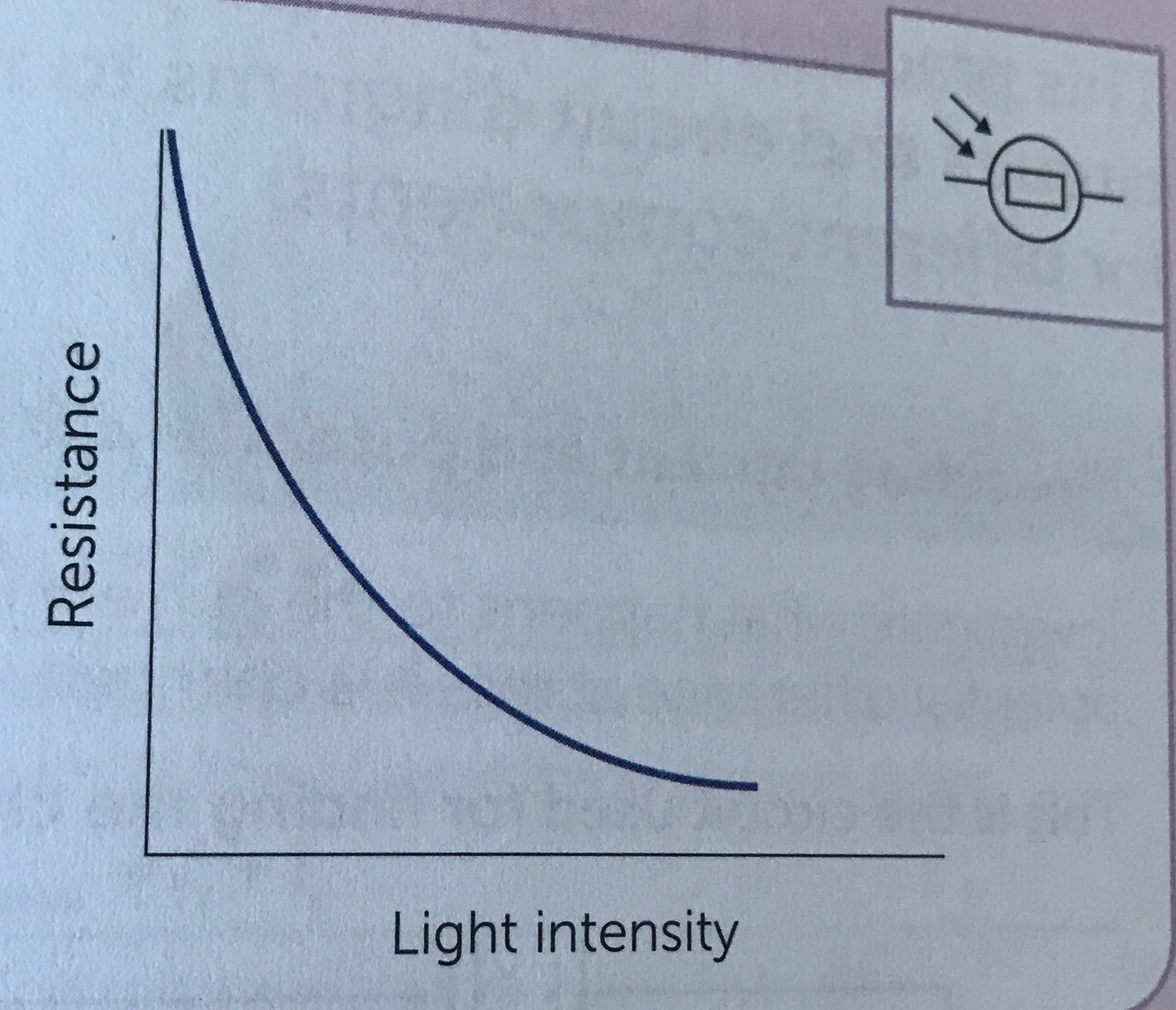
What are LDRs used for?
Security and street lamps.
Required Practical 16: Investing I-V characteristics of components
• Set up the circuit for each component • Adjust the variable resistor and record sever pairs of ammeter and voltmeter readings in a table
Compare potential difference, current and resistance in a series and parallel circuit.
Series: - Potential difference is shared: Vcell = V1 + V2 - Current is same through each lamp: I1 = I2 - Total resistance is is the sum of the resistance of each lamp Parallel: - Potential difference across each lamp is the same: Vcell = V1 = V2 - Total current is the sum of the current through each lamp: Itotal = I1 + I2 - The total resistance is less than the resistance of the component with the smallest resistance in the circuit
What is a direct current?
The electrons move from the negative terminal to the positive terminal and the current is always in the same direction.
What is an alternating current?
The direction of the movement of the electrons is constantly changing. This means the potential difference is also constantly changing.