4C - Organic Chemistry (e) Alcohols
No description yet. This curated deck is ready for daily study.
Card preview (9)
What functional group do alcohols contain?
-OH
What are the structural formulae for: 1. Methanol 2. Ethanol 3. Propan-1-ol 4. Butan-1-ol
• CH₃OH • CH₃CH₂OH • CH₃CH₂CH₂OH • CH₃CH₂CH₂CH₂OH
What is the displayed formula for methanol?
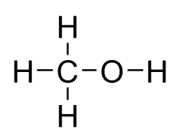
What is the displayed formula for ethanol?
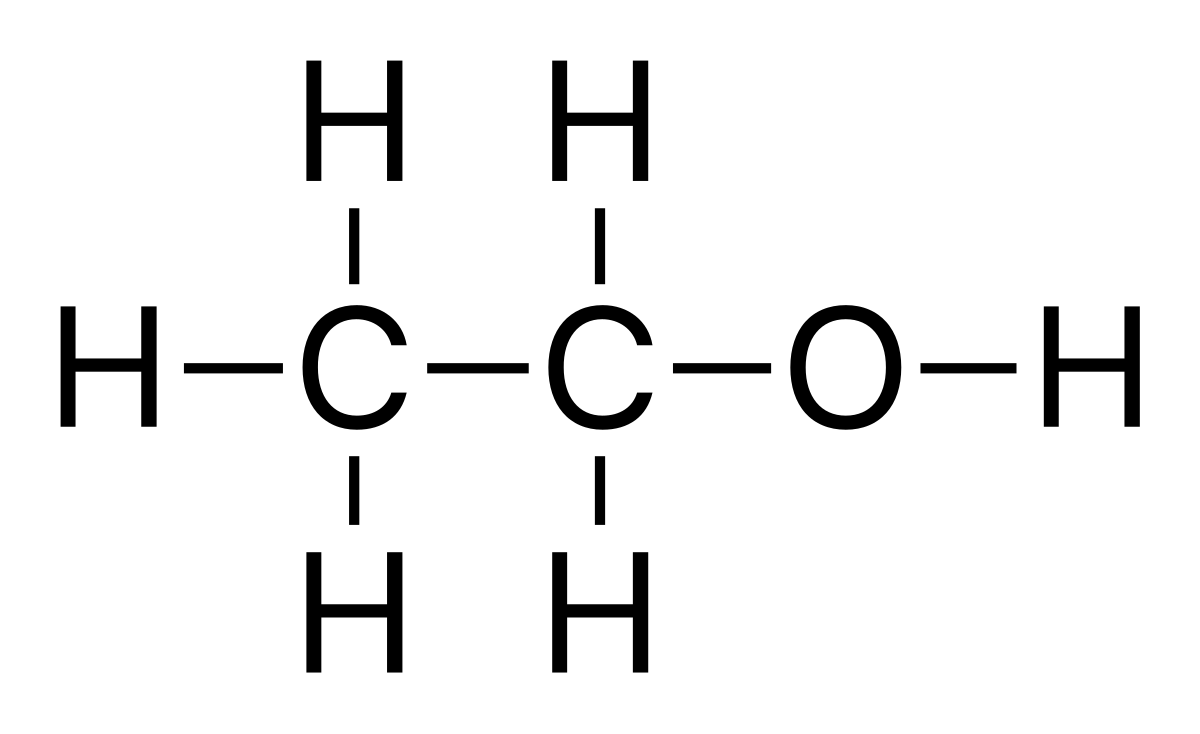
What is the displayed formula for propan-1-ol?
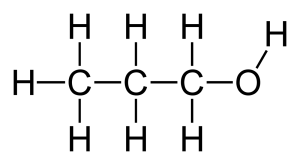
What is the displayed formula for butan-1-ol?
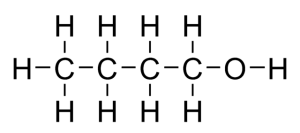
How can ethanol be oxidised (3 methods)?
• By burning in air or oxygen (complete combustion) • By reacting with oxygen in the air to form ethanoic acid (microbial oxidation) • By heating with potassium dichromate (VI) in dilute sulfuric acid to form ethanoic acid.
How can ethanol be manufactured (2 methods), what are the conditions?
• Reacting ethene with steam in the presence of a phosphoric acid catalyst at a temperature of 300oC and 60-70 atm of pressure. • By fermenting glucose, in the absence of air, at an optimum temperature of 30oC and using the enzymes in yeast.
Why is the fermentation of glucose using yeast to produce ethanol carried out at 30oC and in the absence of air?
At 40oC the enzymes are denatured, at temperatures lower than 30oC the process is too slow. 30oC is optimum. It is in the absence of air so that the yeast carry out anaerobic respiration, as aerobic respiration produces CO2 and water instead of ethanol. Also, in the presence of air ethanol can oxidise to ethanoic acid.