2.8: The Adaptive Immune System
No description yet. This curated deck is ready for daily study.
Card preview (12)
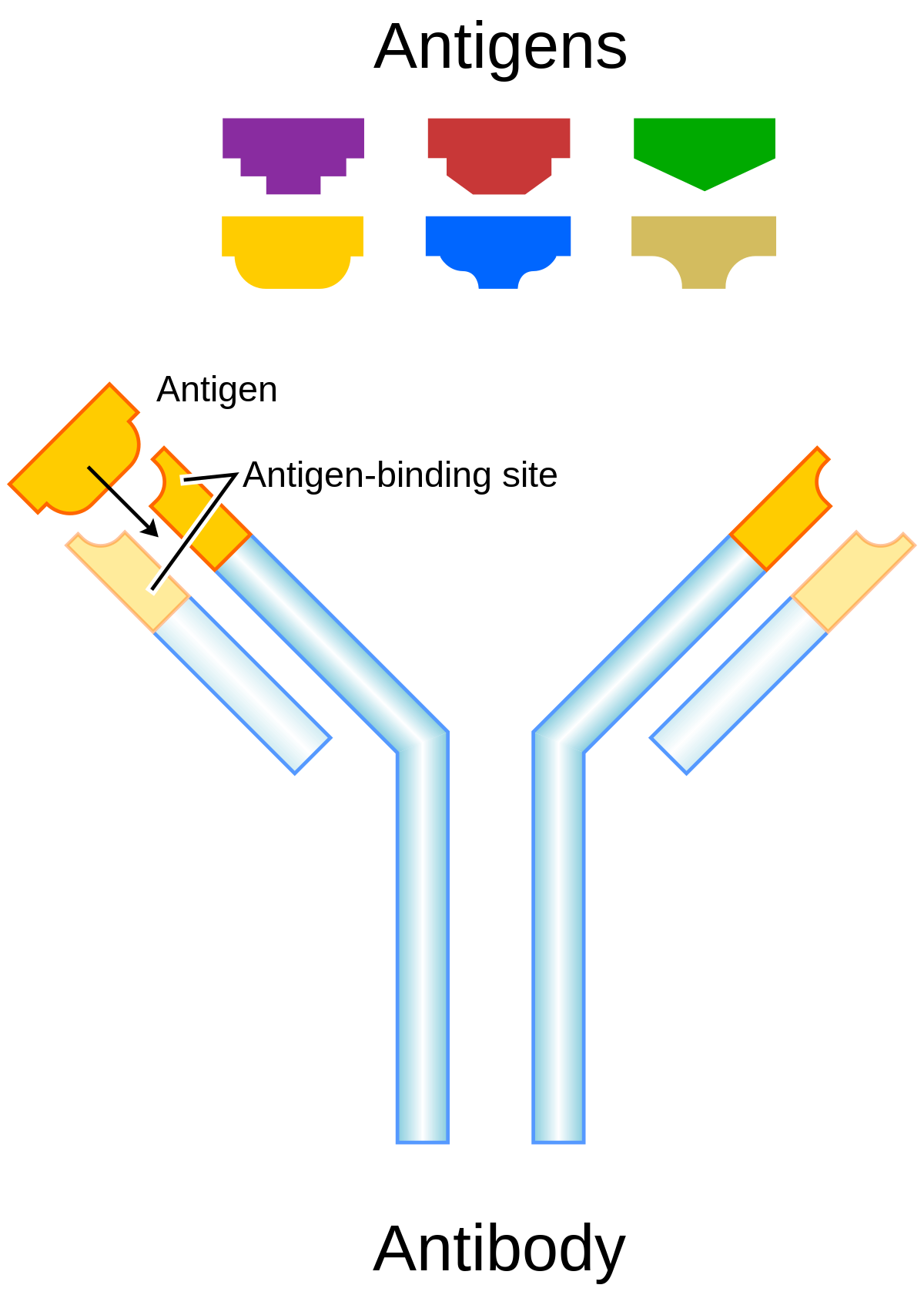
Antibodies vs Antigens
• An antigen is a substance that triggers the body to an immune response. Can be proteins within or outside the body that causes the body to create a defense against the pathogen. • Antibodies are proteins that recognise and bind to antigens within the body. They are Y-shaped proteins produced by B Cells, when antigens are detected. Antibodies circulate in your body once created to identify, attack, and destroy the same type of antigens if they enter the body again.
Adaptive Immune System
Third line of defence. Adaptive or acquired immune response to pathogens, it involves a specific response, where the body retains a memory of pathogens through antibodies and proteins. Involves lymphocytes: b cells and t cells
What makes up the adaptive immune system
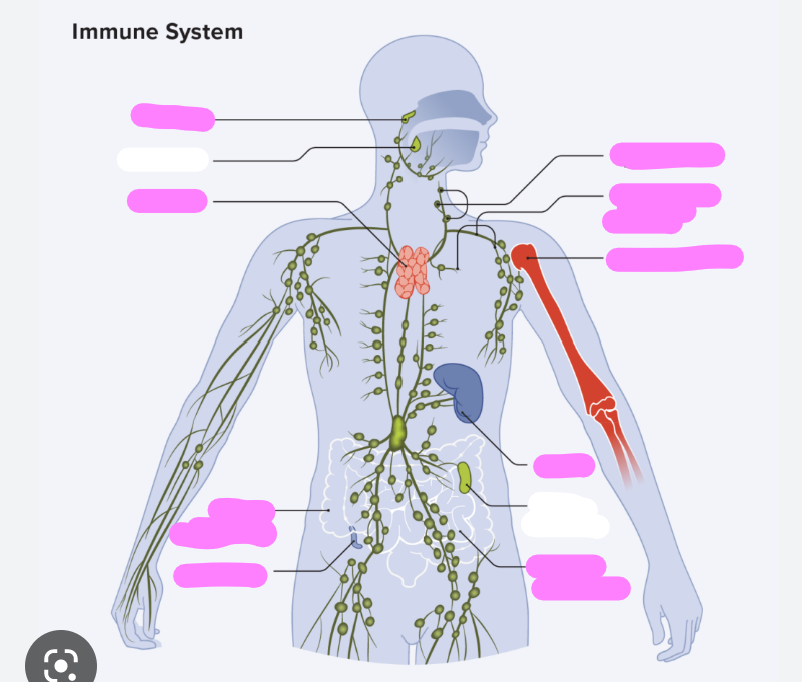
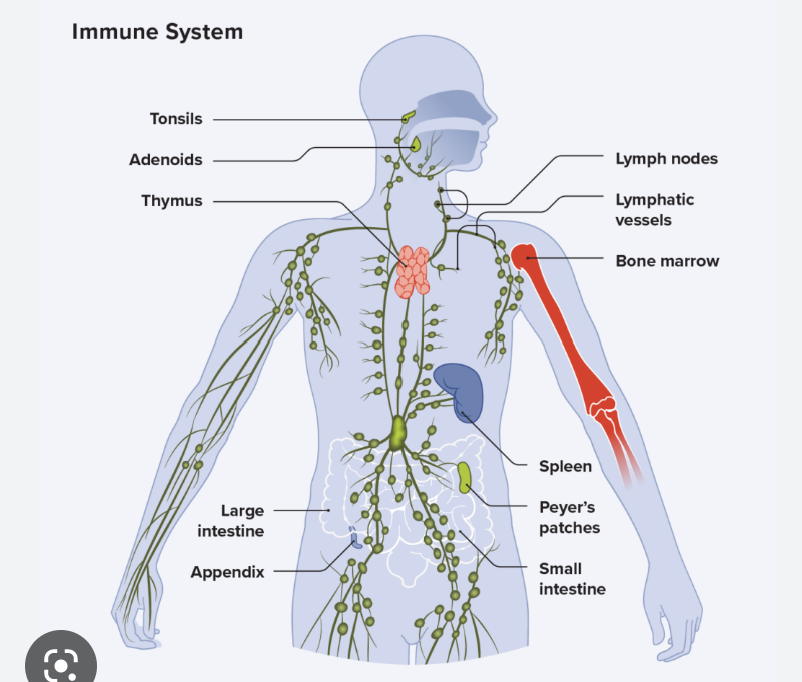
• The lymphatic system: a network of vessels found near blood capillaries. Lymph nodes contain white blood cells of both the innate and adaptive immune system • Organs of the immune system: primary and secondary • Primary organs: Include bone marrow and thymus glland where lymphocytes are developed • Secondary organs: Lymph nodes, spleen, tonsils. These organs recognise pathogens and mount their response
Major Histo-compatability Complex (MHC)
• Set of protein markers on the surface of cells • There are two groups of marker proteins: 1. ‘Self’ proteins are unique to each individual 2. Section sof protein antigens from pathogens are recognised as ‘Non-self’ proteins
Lymphocytes
• Type of white Blood cell that originates from bone marrow • these cells are responsible for antibody production and regulation of the immune response. • Two groups: B lymphocytes (cells): mature in bone marrow; T lymphocytes (Cells) mature in the thymus gland
B Lymphocytes
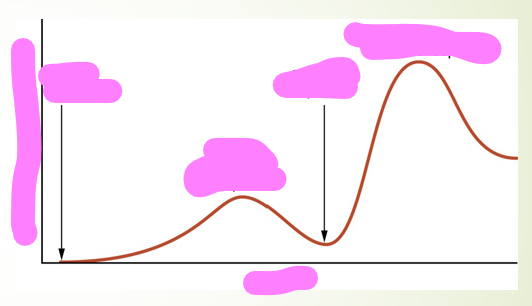
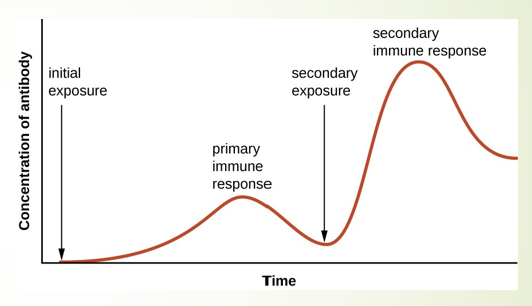
• B Lymphocytes are white blood cells that originate and mature in bone marrow • At birth, you have a variety of these cells, with different receptors to detect different antigens • When B Lymphocytes encounter an antigen, they divide to make Plasma Cells and Memory cells • Plasma B cells release antibodies to remove antigens • Memory B cells will quick remove antigens if they return to the body • The presence of B Lymphocytes is largely responsible for the quick immune response. Most people do not even display smptoms of illness during a secondary immune response.
T Lymphocytes
• T cells do not use antibodies as the mode of action • There are 3 types of T cells indentified based on role: 1. Killer T cells: known as cytotoxic: these cells identify infected cells and release chemicals to destroy them 2. Helper T cells: When activiated, Helper T cells increase the number of cells that respond to the specific antigen, increase the number of Killer cells, memory T cells, and B cells 3. Memory T cells: Similar to memory B cells, T cells have specific surface receptors, keeping a memory of antigens after the initial infection. Therefore the body initiates a quicker, larger response when infected a second time by pathogen.
Adaptive immunity
• Third line of defence • Adaptive immune responses may not be as fast or significant enough to prevent a person from getting sick • Because there is an enhanced the response to the secondary pathogen exposure, it is important to ensure the individual has been pre-exposed to the pathogen • There are two types of adaptive immunity: 1. Active 2. Passive
Active Immunity
• Involves activating an immune response in the body • Promotes a person’s body to produce memory cells, stored in spleen and lymph nodes to kill antigens • Can be achieved by either: exposure to pathogen and antigen or exposure to a vaccine whicich is a harmless version of an antigen
Passive Immunity
• Antibodies are provided to temporarily protect individuals • For example: placenta during pregnancy, receives mothers antibodies through breast milk in the early stages of life, when a person receives an injection of antibodies to protect against the effects of a toxin such as snake venom.