Module 4D: Intermolecular Forces
No description yet. This curated deck is ready for daily study.
Card preview (24)
What is an intermolecular force? Is it a bond?
No, it is not a bond. It is an attraction d/t proximity in space. weaker than intramolecular forces (ionic, covalent chemical bonds)
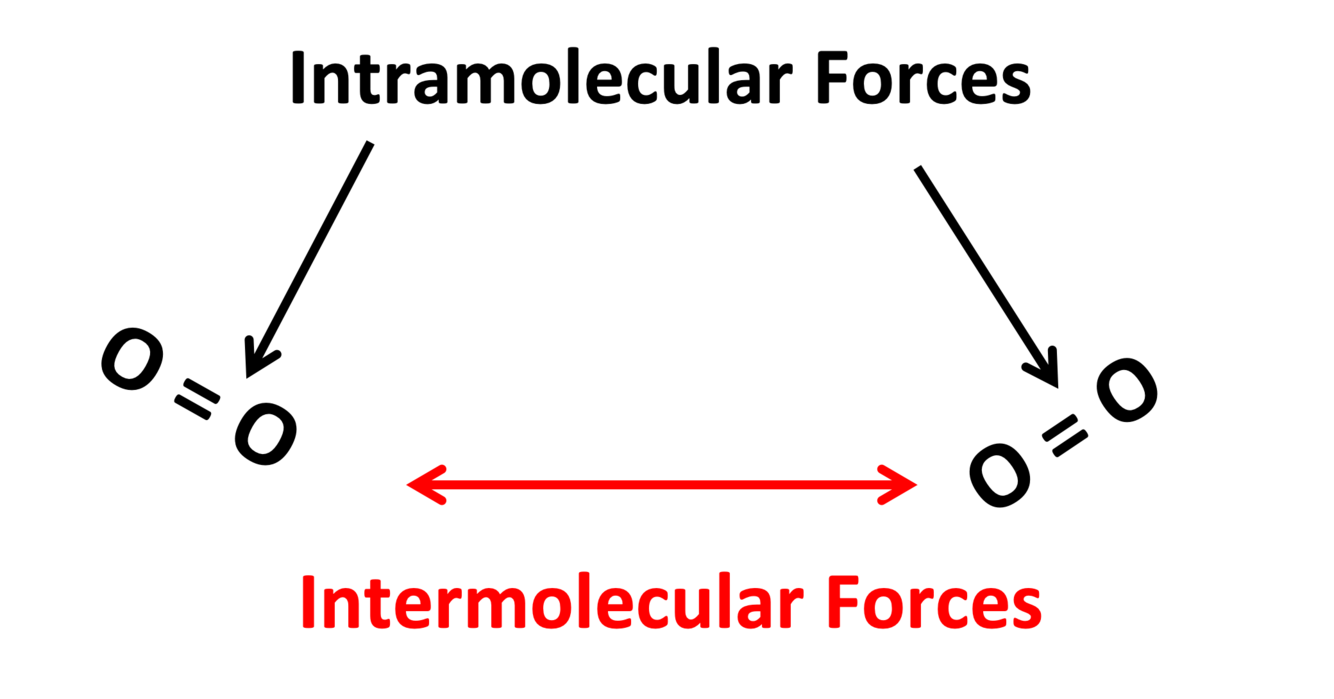
How do we want drugs to interact with receptors?
Via intermolecular forces. We do NOT want an actual chem bond formed, it will stay & never leave! :O *we want the drug to “bind”, interact & release.
Why can intermolecular forces seem very strong?
Due to the AMOUNT of interactions.
What affects the strength of IF attractions?
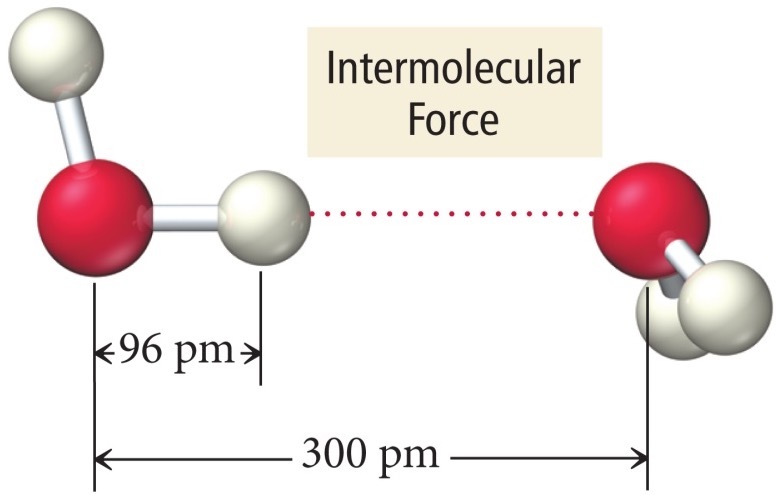
• Magnitude of charge (real or partial) • Distance *attracted to each others partial charges.
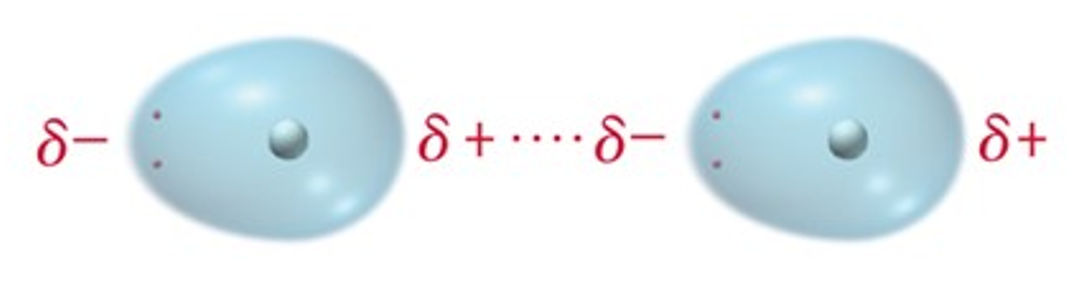
In polar bonds, are electrons shared equally?
No. This is what gives us a charge. Based on electronegativity. F is the most.
How do we measure distance btwn molecules? *pm
Pm or picometer.
How do solids keep their shape?
More intermolecular forces (amount) = very strong forces btwn particles (harder to break apart)
What is a dipole moment?
Separation of charge. The more atoms we have that share electrons UN-equally (polarity) the more partial charges are made. *This can lead to an intermolecular force.
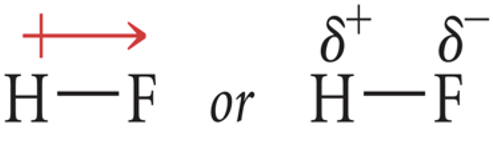
Is water (H2O) polar?
• YES! • the vectors add together = polar. *vectors that move in diff directions cancel out = nonpolar (CO2)

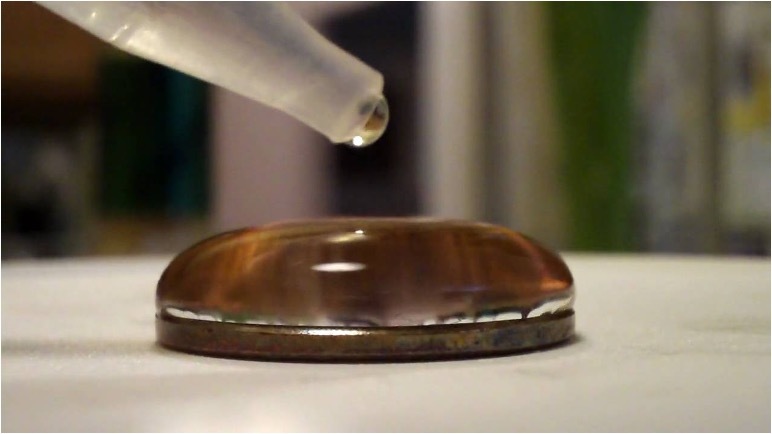
Application of IF What is a liquids resistance to increase its surface area referred to as?
Surface tension! To minimize surface area, liquids form spherical drops. unique property of water The stronger the intermolecular forces, the more energy required to increase the surface area.
Application of IF You get a corner of papertowel wet, you notice the towel gets more and more saturated upwards. What is this referred to as?
Capillary Action results of cohesive & adhesive forces.
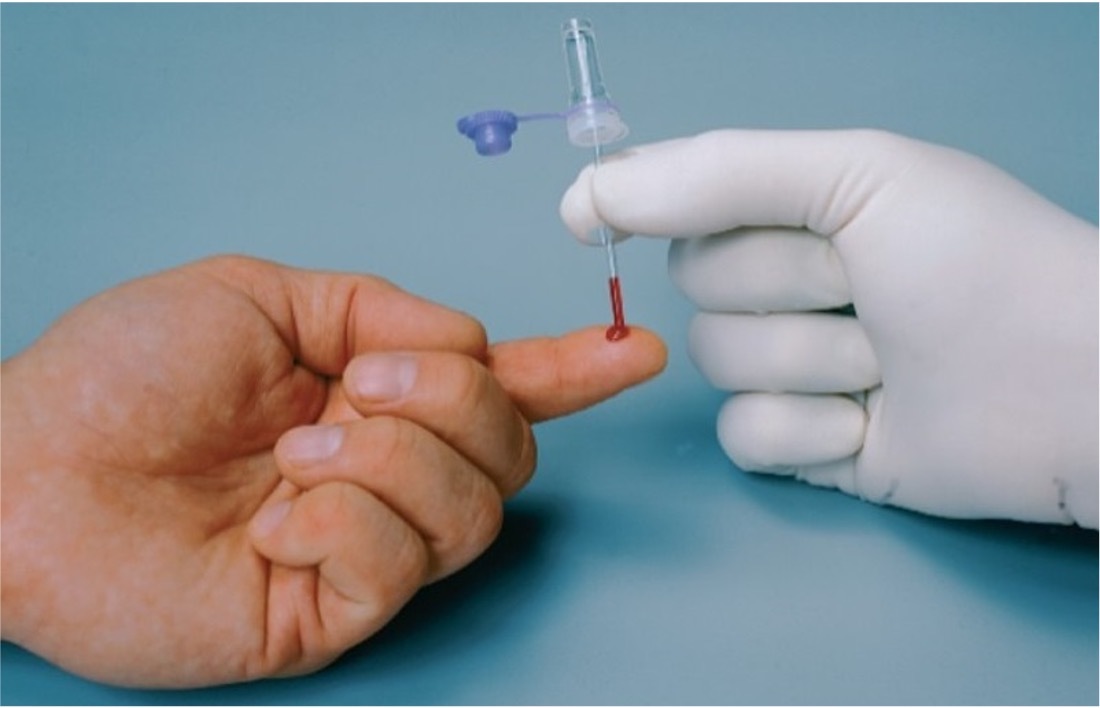
Application of IF What is the measurement of a liquids resistance to flow? Or the amount of energy required to move an object thru fluid.
• Viscosity. • Molecular size plays an important role. (think of Hct levels) greater potential for more IF interactions (amount and strength)
Applications of IF When would we want a drug to covalently bind to a receptor? Chemical/Irreversible bond.
Chemotherapy.
What does drug-receptor binding help us determine about the drug? (3)
• Efficacy • potency • toxicity (to a limited extent) *different parts of drug will bind to diff parts of the receptor
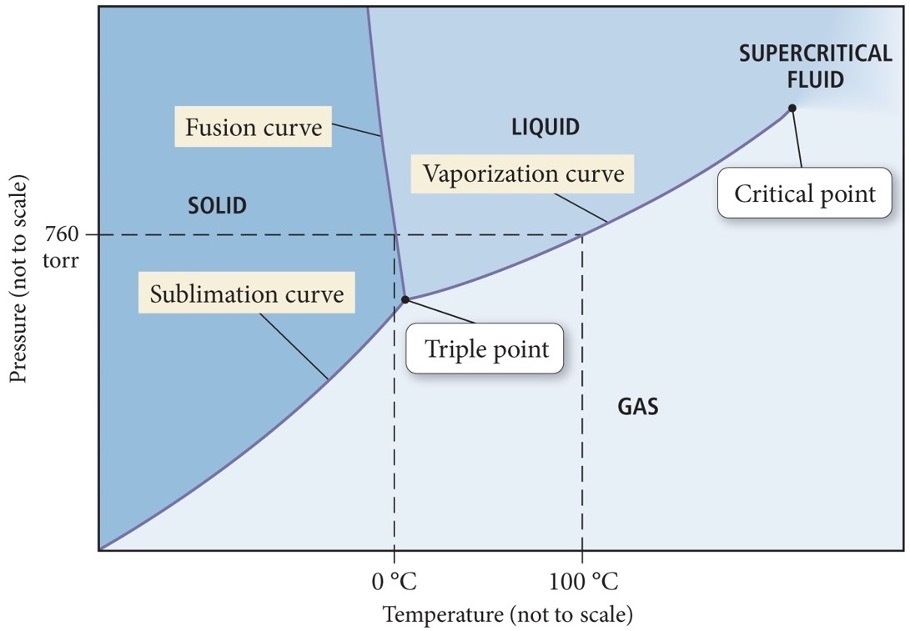
Do changes in phase break chemical bonds?
No. Phase changes refer to changes in states of matter and the energy required.
Application of IF What is solubility based on?
Attractive forces of the solute & solvent. (polarity of each) “Like dissolves like” C-C = nonpolar bonds; if you try to put in polar environment, will not be happy.
What is the weakest IF & also most common?
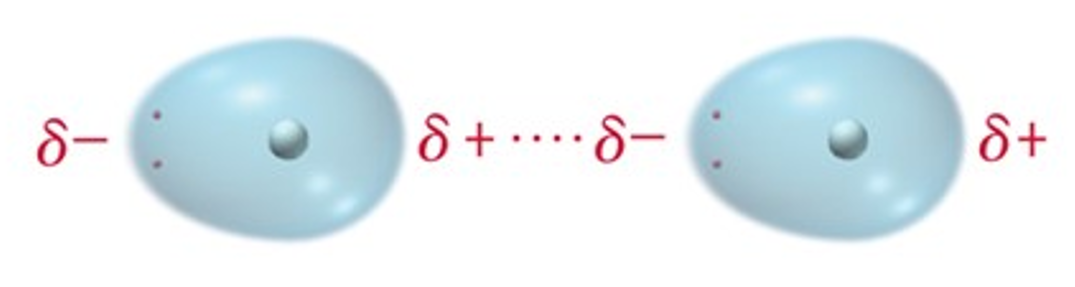
Van Der Walls (London Dispersion) two nonpolar molecules
What IF is this?
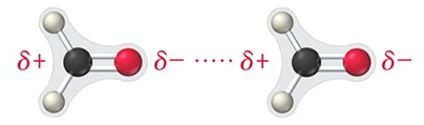
Dipole-Dipole occurs in all polar molecules
What type of IF is this?
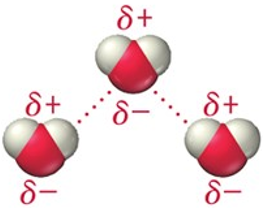
Hydrogen bonding. H bond acceptors (F, O, N) & H bond donors (need a H+) Very Strong! Need both to create an H+ bond :)
What are some examples of H+ bond donors. 4
• Alcohols • Amines • Amides • Carboxylic Acid
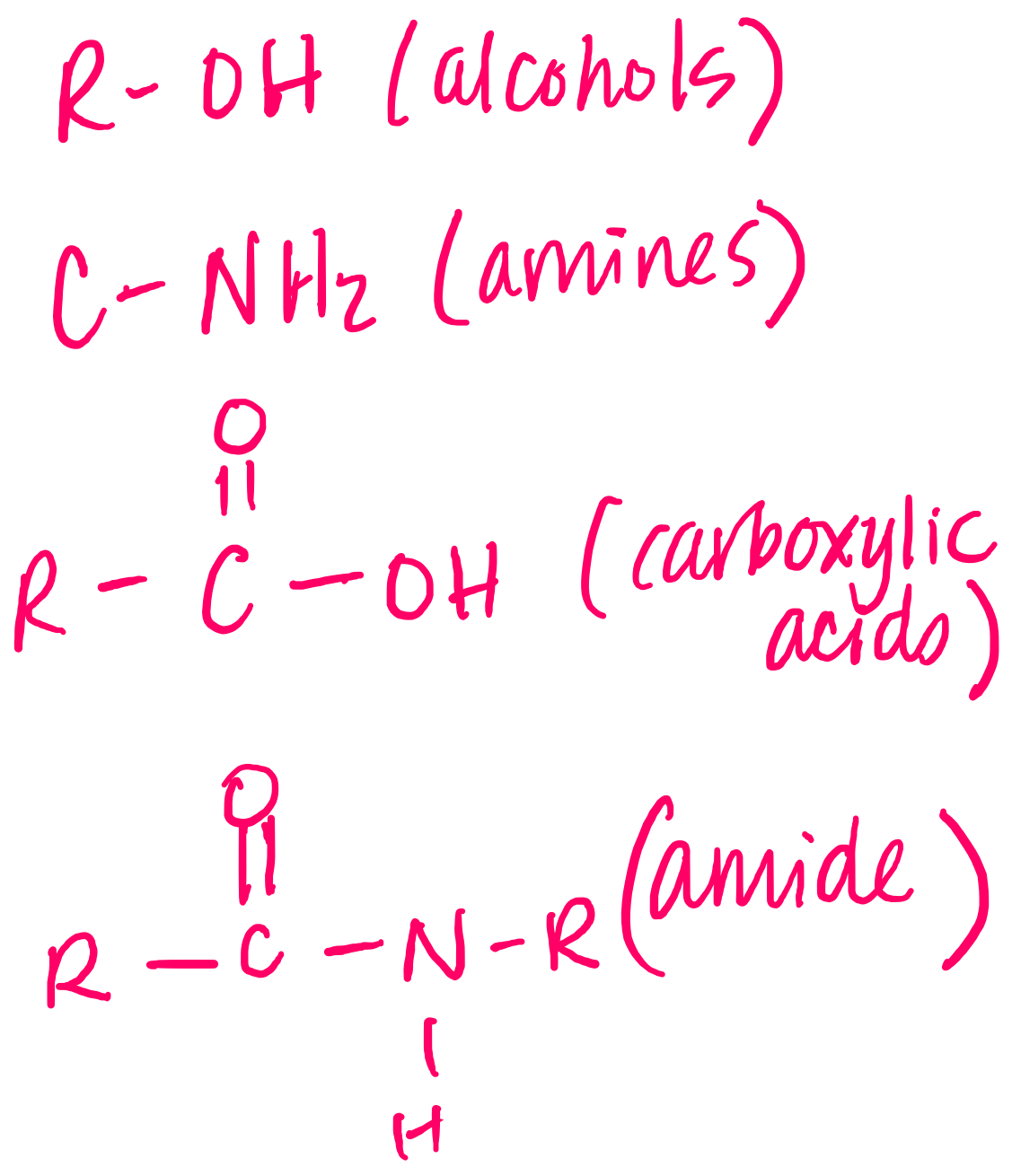
Examples of H+ bond acceptors?
Any functional group with O or N. *Why we see a lot of N bonds in drugs.
What is the rule in “Lipinski Rule of 5” pertaining to H bond donors?
No more that 5 H bond donors in a drug. *violation of one rule predicts it is non-orally bioavailable
What type of IF is this?
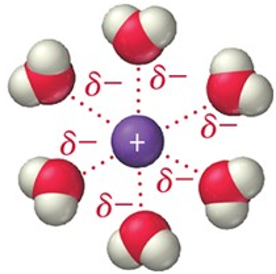
Ion-dipole *pretty strong
What is unique about this IF bond? Electrostatic (Ion-Ion)
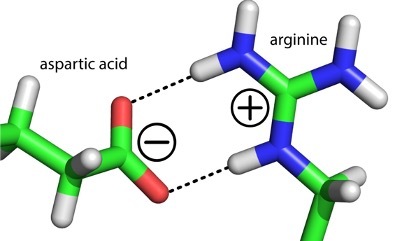
• interaction btwn cation & anion portion • Effective at distances farther away than seen in other IF’s • persists longer than others