LO 1.2 - Physical factors in soil formation
No description yet. This curated deck is ready for daily study.
Card preview (11)
What is Weathering?
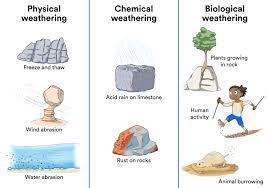
Weathering: Is a process by which rock is broken into smaller particles by physical, chemical or biological agents. Nutrients such as phosphorus, potassium and sulphur are released which become available to plants.
What is Erosion?
Erosion: Is the movement of rock particles and soil, due to action of wind, water, ice and gravity.
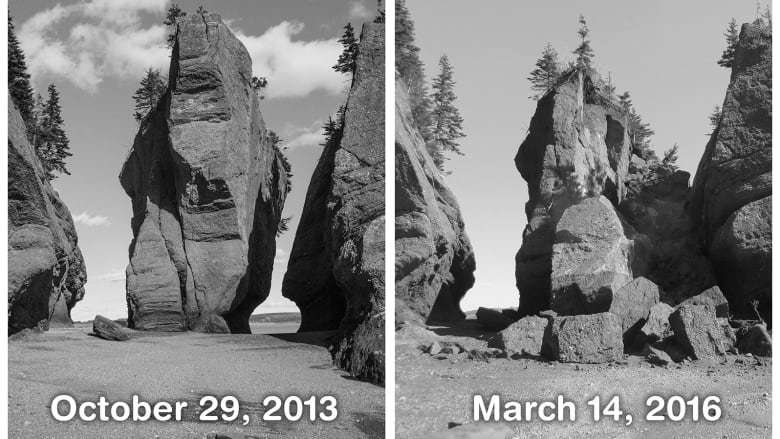
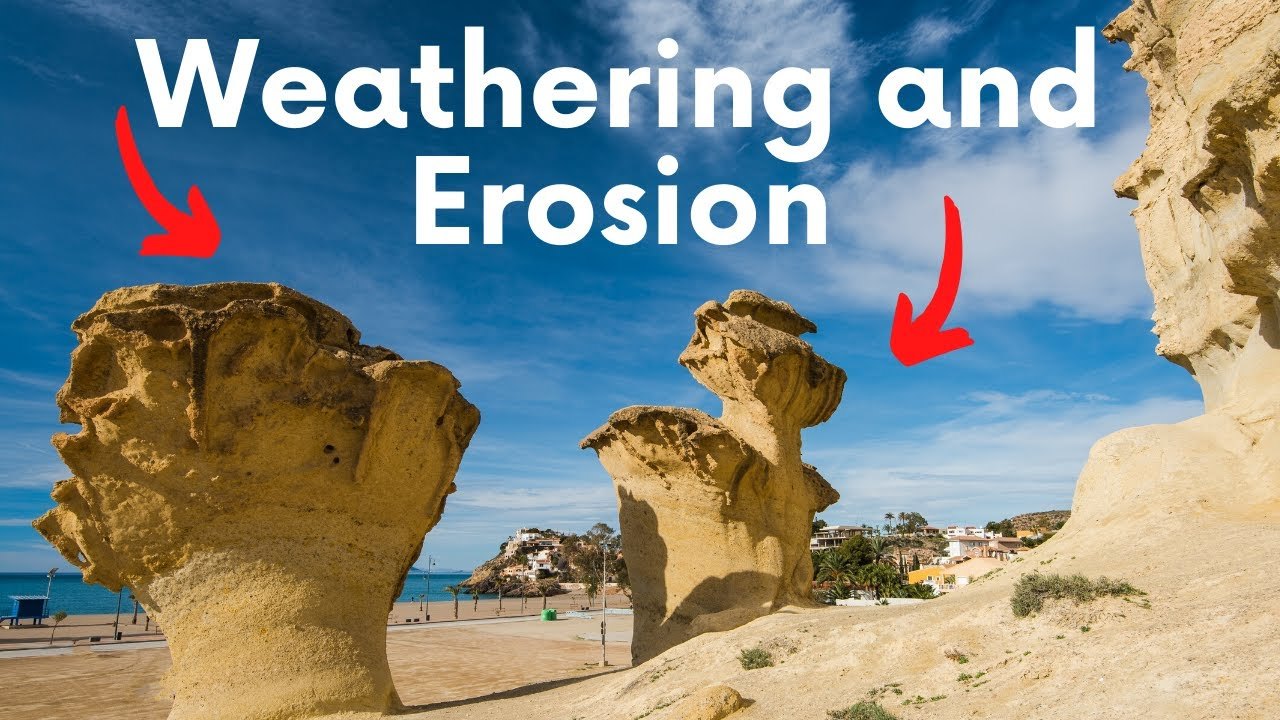
Consider this Weathering and erosion are two separate processes although they often happen at the same time.
What are the different kinds of Physical Weathering?
• Heating/cooling • Freezing/thawing • Wetting/drying • Expansion of plant roots • Abrasion
What are the different kinds of Chemical Weathering?
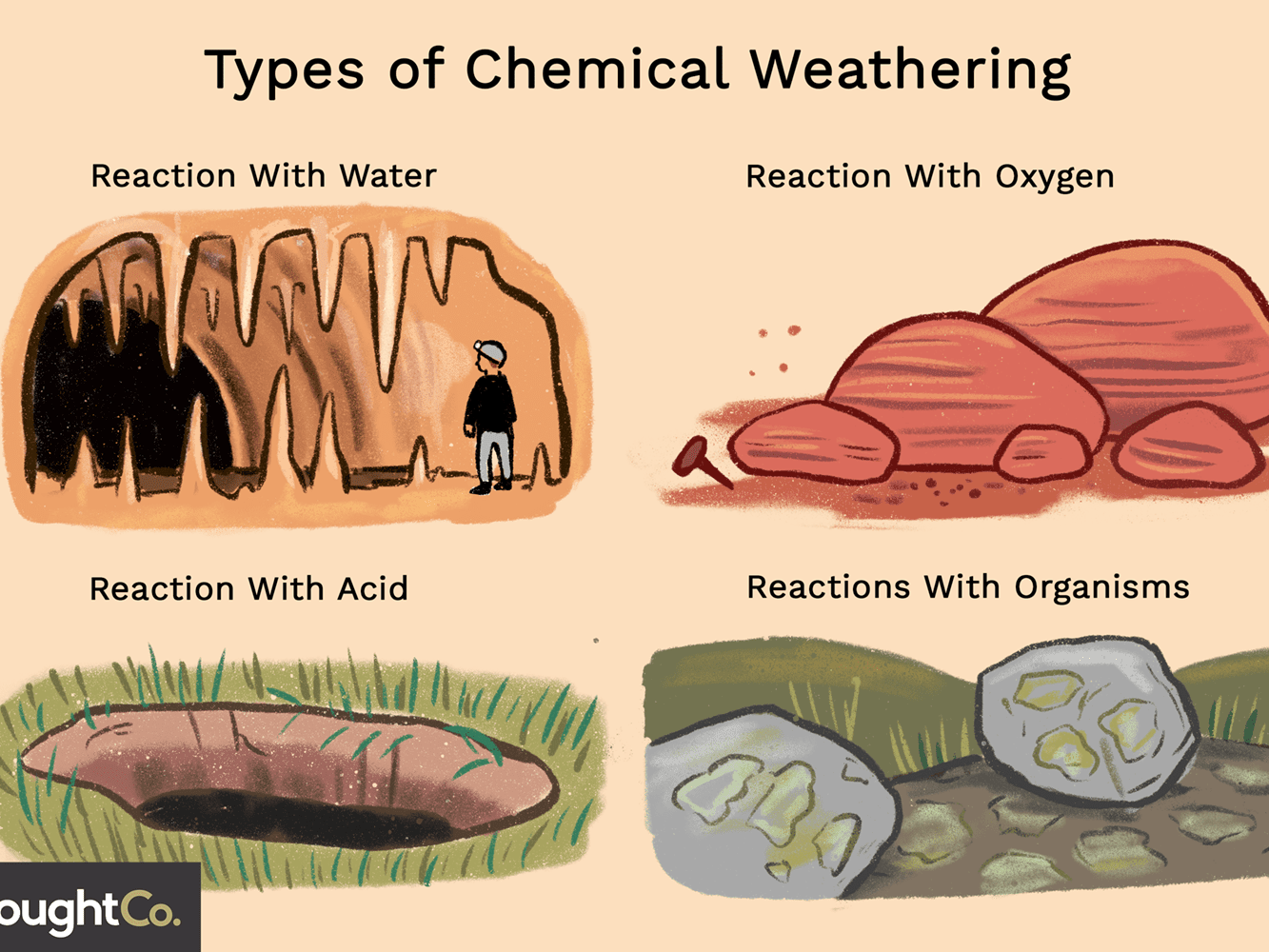
• Acids • Dissolution • Oxidation • Plants/fungi/lichens
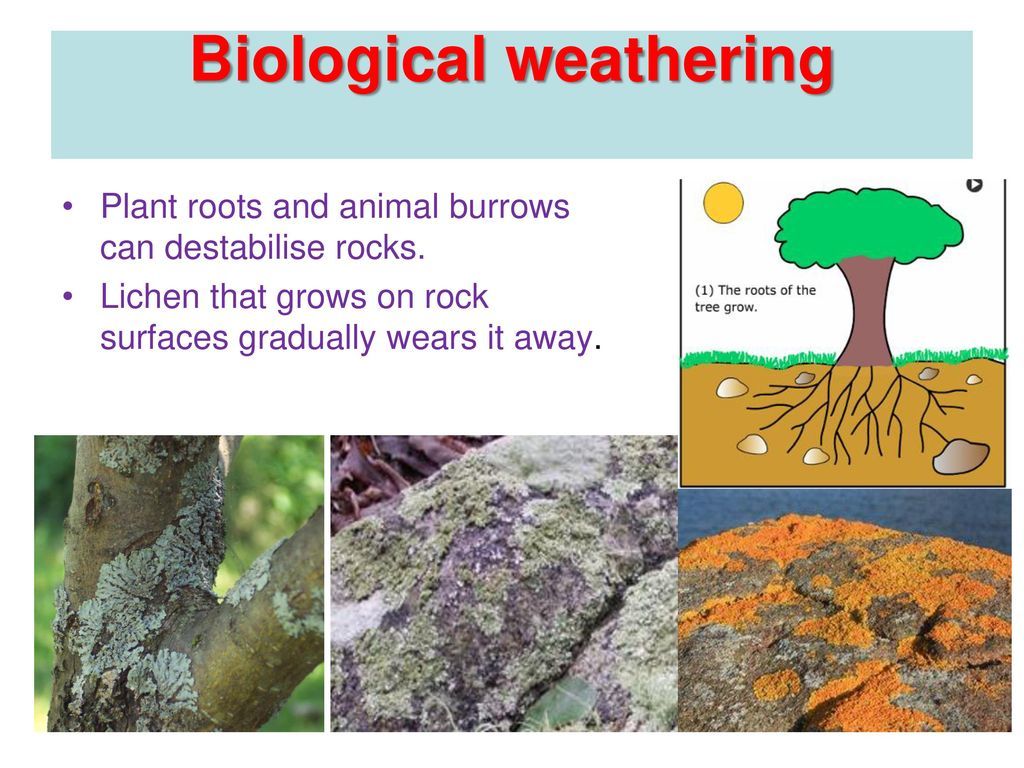
What physical or chemical weathering processes can be considered biological?
Consider this Physical weathering: heating/cooling
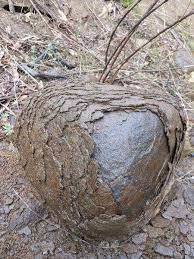
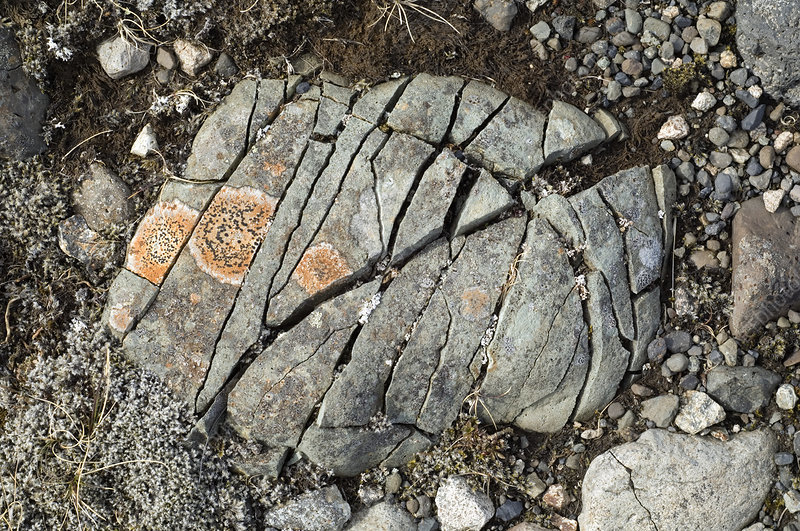
• Different minerals expand at different rates when heated. • When rocks composed of different minerals are heated, the different minerals undergo different rates of expansion. • ‘Onion-skin weathering’ happens when outer parts of a rock are at different temperature from inner parts.
Consider this Physical weathering: freezing/thawing & wetting/drying
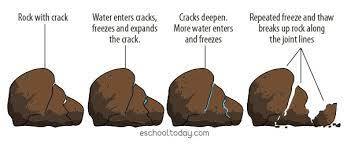
• Water penetrates small cracks in rocks. • Water can then freeze and expand. • This is known as ‘frost shattering’. • Some minerals swell when exposed to water and shrink on drying
Consider this Physical weathering: expansion of plant roots
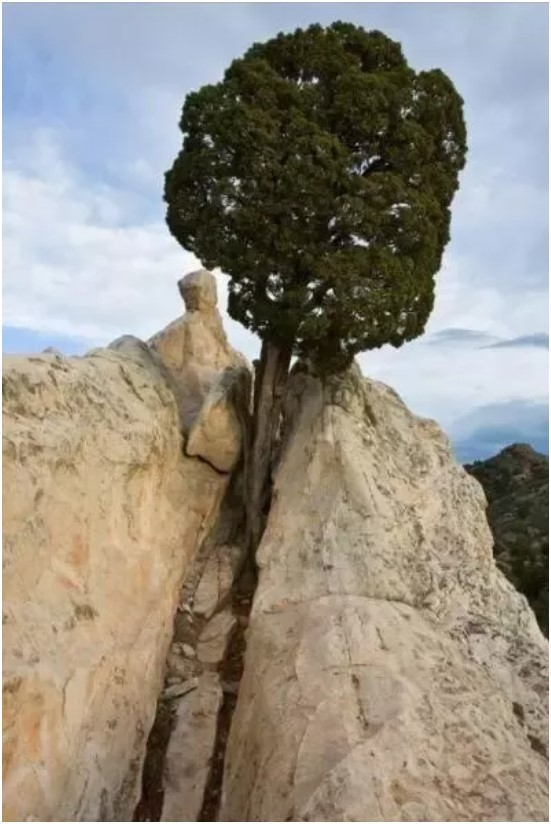
• Roots grow into small cracks and crevices in rocks. • They grow and expand and widen the cracks which exposes the rock to surface elements.
Consider this Physical weathering: abrasion
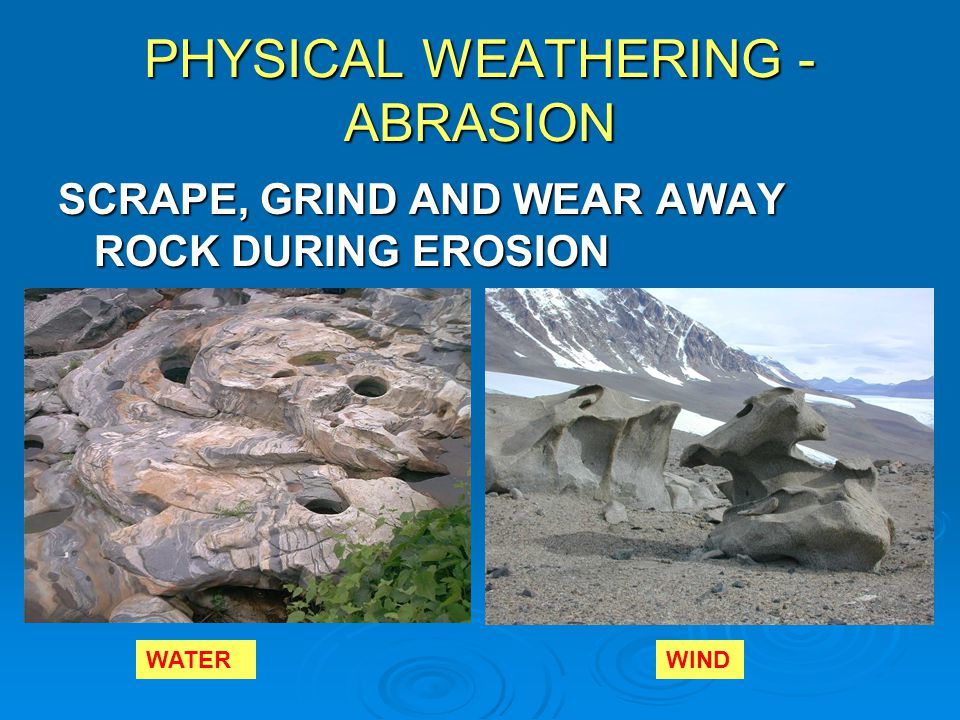
Water or air/wind carrying rock fragments ‘scours’ or ‘sand-blasts’ the surface of rocks. Fast-flowing streams/rivers and seas carry stones/pebbles that are tumbled against each other. Glaciers carry particles of varying sizes that scour the rock below, wind carries sand. Gravity can contribute to abrasion too – rocks falling or sliding down a slope scrape against each other and against bedrock. The physical force of water alone is also a powerful agent of weathering, including rivers/streams and waves along shorelines.
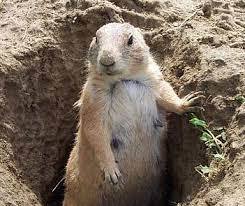
Physical Weathering: Abrasion How do animals cause this?
• Abrasion also happens when animals (including humans) repeatedly pass over an area of rock. • Burrowing animals can have a similar effect below ground.