10. Chemistry Of The Enviroment
No description yet. This curated deck is ready for daily study.
Card preview (24)
Describe the composition of clean, dry air
78% Nitrogen 21% Oxygen 1% other variable gases (0.9% Argon, 0.04% CO2)
What are permanent gases + 2 Eg.s
Gases that cannot be liquefied by pressure alone at normal temperatures Oxygen and nitrogen
What is fractional distillation used for in environmental chemistry
To separate oxygen from liquified air
What is fractional distillation used for
To separate oxygen from liquid air
Variable gases Name 7 and what they do
Their concentration varies according to place and time Argon (0.9%), CO2(0.04%), Nitrogen oxides, Helium, hydrogen, methane, neon
How gases are produced
Fractional distillation of air
What fractional is used for
P\producing gases by separating oxygen from liquid air
Industrial preparation of gases(3)
Pure air is liquified under high pressure and low temperatures (-200*) Purified air contains nitrogen, argon and oxygen Temperature is increased causing nitrogen to vapourise first, argon second and oxygen third
Use of gases gained from fractional distillation of air
Nitrogen- fertilizers Argon - lightbulbs Oxygen - makes steel for welding
Greenhouse effect
When some of the thermal energy from the sun is absorbed by greenhouse gases and is re-emitted in all directions reducing the amount of energy lost into space as it is trapped within the earths atmosphere causing global warming
Effect of greenhouse gases
Suns thermal energy enters earths atmosphere where some is reflected back from earths surface but most is absorbed and re-emmited back from earth into space. Some of the thermal energy from the sun is absorbed by greenhouse gases and re-emitted in all directions. (Greenhoiuse effect) This reduces the amount of energy lost into space and traps it within the earths atmosphere causing global temperature to rise(Global Warming)
Air pollutants(6)
Carbon dioxide Particulates Oxides of nitrogen Sulfur oxides Methane Carbon monoxide
Source of sulfur dioxide
Combustion of fossil fuels containing sulfur (at power stations)
Sulfur dioxide - Adverse effects and solutions
Exposure cuases respiratory problems Forms acid rain when dissolved in water-corrodes buildings + reduces productivity of soil+increases acidity of lakes
Sulfur dioxide - solution to adverse effects
Using low sulfur fules and flue gas desulfurisation
Flue gas desulfurisation
Calcium oxide being added to neutralise sulfur dioxide
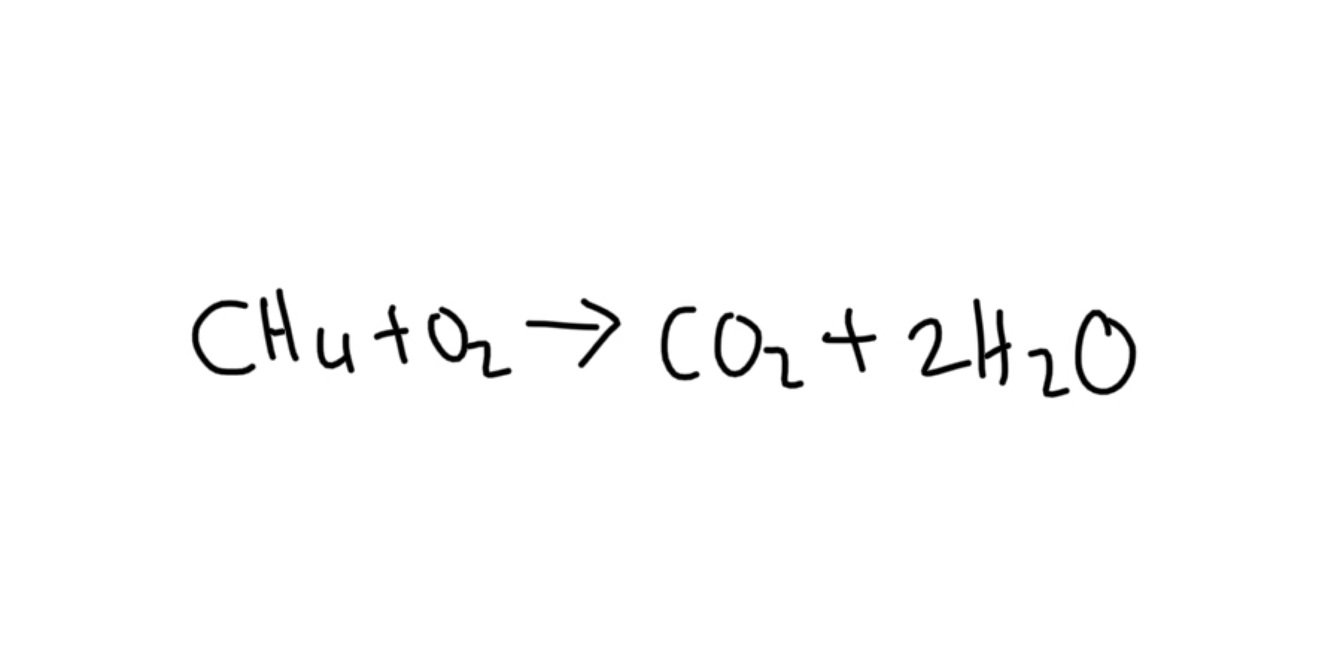
Carbon dioxide source (formula as well)
Complete combustion of carbon containing fuels such as methane
Adverse effects of carbon dioxide
Higher levels of carbon dioxide lead to increased global warming which lead to climate change
Source of carbon monoxide
Incomplete combustion of carbon containing fuels such as there being limited oxygen when petrol is being burned in a car cylinder
Adverse effects of carbon monoxide
Toxic as it combines with haemoglobin in blood and prevents it from carrying oxygen
Strategies to rdiuce effects of carbon monoxide
Catalytic converters in cars prevent carbon monoxide from forming
Source of particulates
Incomplete combustion of carbon containing fuels (fossil fuels) can produce particulates of carbon (soot) Incomplete combustion of methane can cause carbon monoxide and carbon
Adverse effects of particulates
Respiratory problems and cancer
Sources of oxides of nitrogen NO, NO2 (2)
Formed in car engine cylinders when oxygen and nitrogen from the air react at high temperatures and in the atmosphere during lightning storms