Energy Week 1
No description yet. This curated deck is ready for daily study.
Card preview (24)
Fossil fuels
Fuels derived from biological material that became fossilized millions of years ago
Nonrenewable energy resource
An energy source with a finite supply, primarily fossil fuels and nuclear fuels
calorie
Amount of energy it takes to heat 1 gram of water 1oC. 1 calorie = 4.184 J
Calorie (with a capital “C”)
Calories in food. 1 Calorie = 1,000 calories a.k.a 1 kilocalorie (kcal) = 4.184 J
British thermal unit (Btu)
Amount of energy it takes to heat 1 pound of water 1oF. 1 Btu = 1,055 J
Kilowatt-hour (kWh)
Amount of energy expended by using 1 kilowatt of electricity for 1 hour. 1 kWh = 3,600,000 J a.k.a 3.6 megajoules (MJ)
Joule
The basic unit of energy is the joule (J), which is 1 W-s (Watt-second). One gigajoule (GJ) is 1 billion (1 x 10⁹) joules, or about as much energy as is contained in 30 L (8 gallons) of gasoline. One exajoule (EJ) is 1 billion (1 x 10⁹) gigajoules.
Quad
The US government reports energy consumption in quads, another unit of energy. The quad is 1 quadrillion, or 10^15 British thermal units (Btu). One quad is equal to 1.055 EJ.
Renewable energy resources
Sources of energy that are infinite
Biofuel
A liquid fuel such as ethanol or biodiesel created from processed or refined biomass
Coal
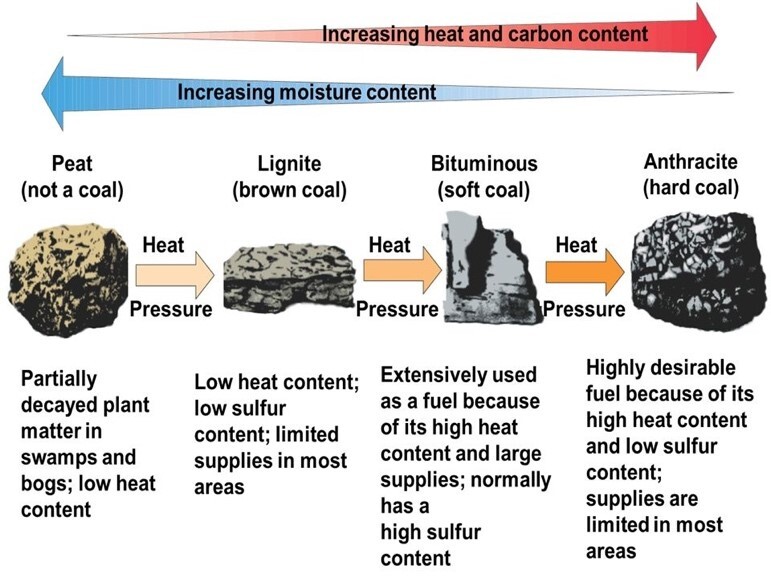
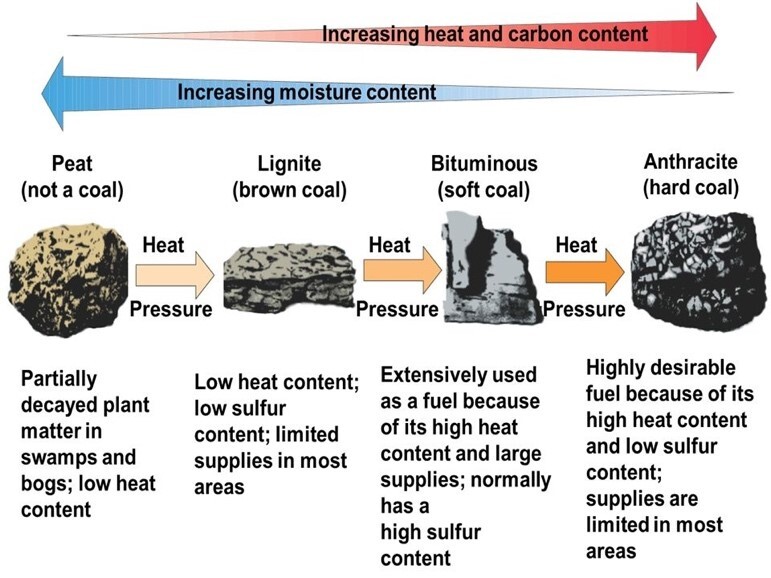
A solid fuel formed primarily from the remains of trees, ferns, and other plant material that were preserved 280 million to 360 million years ago
Peat
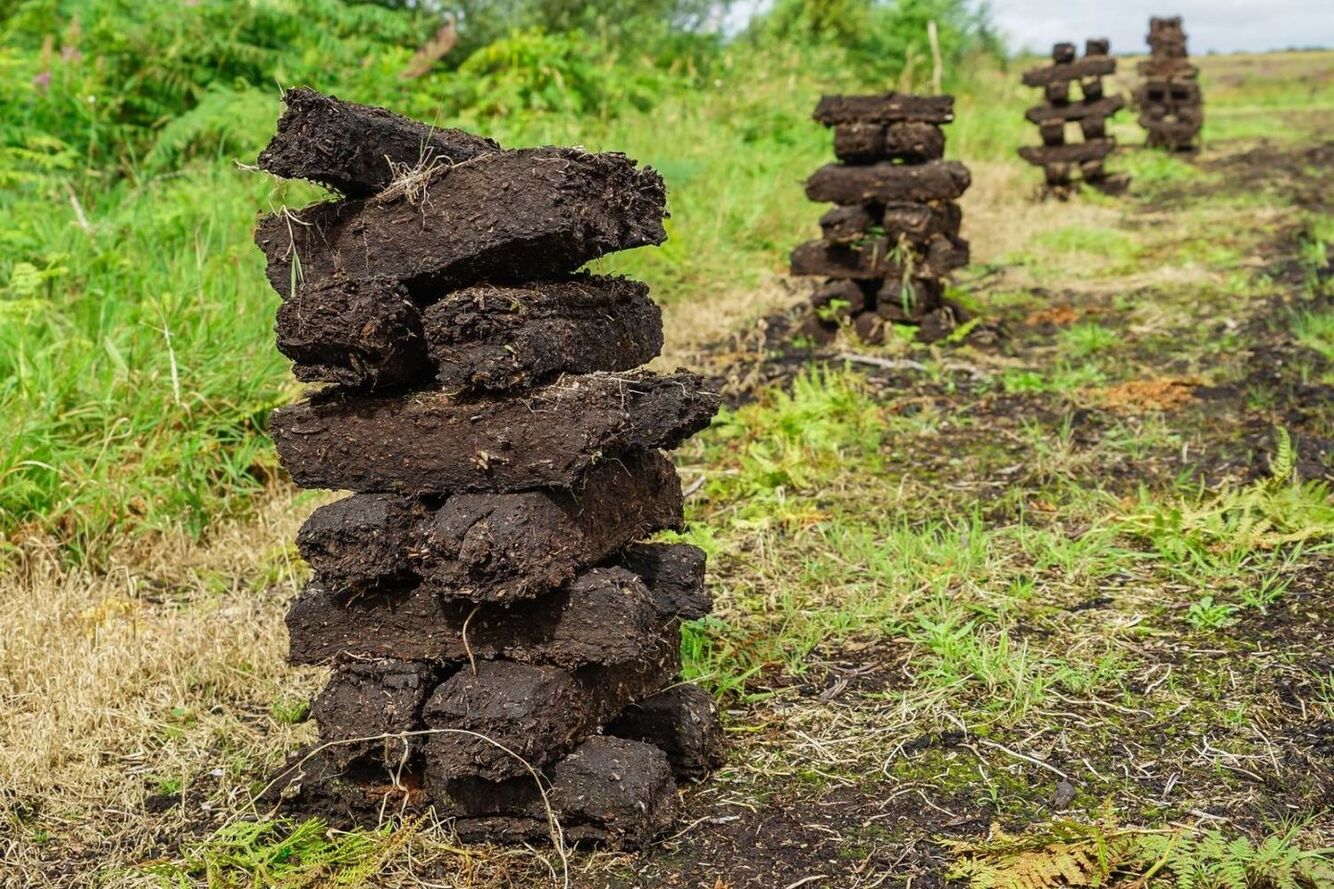
A precursor to coal, made up of partly decomposed organic material, including mosses
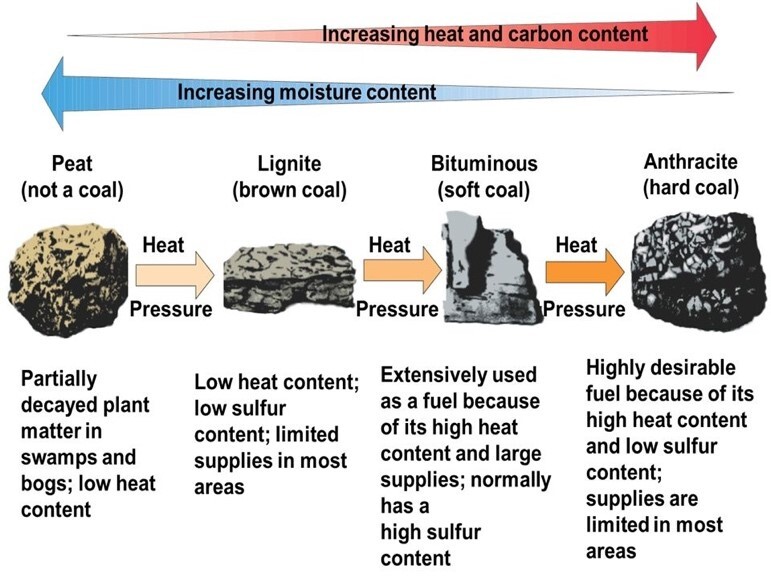
Lignite
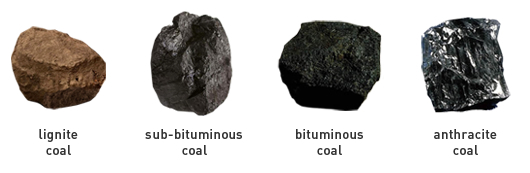
A brown coal that is a soft sedimentary rock that sometimes shows traces of plant structure
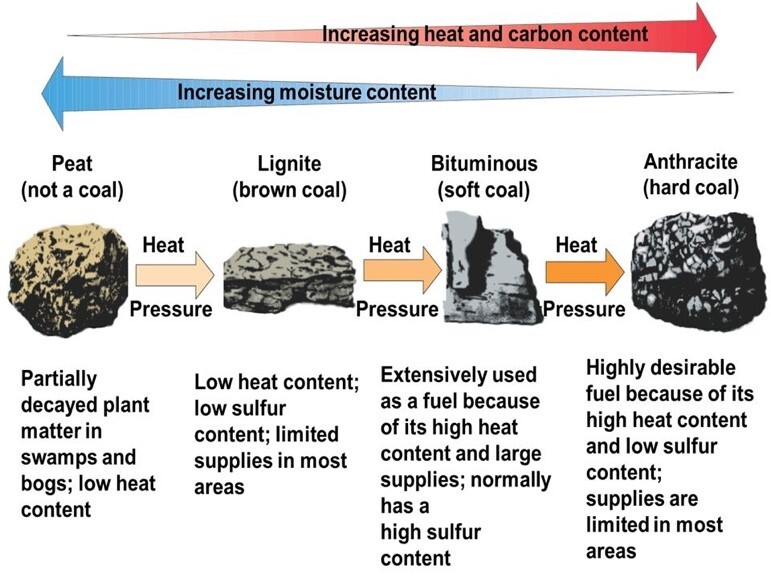
Bituminous coal
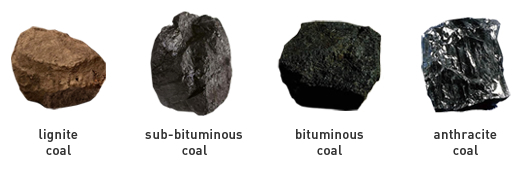
A black or dark brown coal that contains bitumen, also known as asphalt.
Anthracite
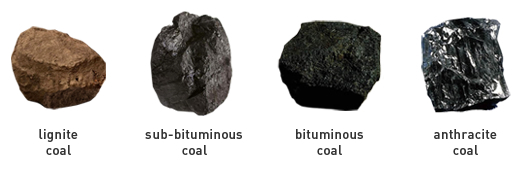
Also known as hard coal, it has the highest quantity of energy per volume of coal and the fewest impurities.
Natural gas
A relatively clean fossil fuel containing mostly methane (CH4). It is considered clean because it only produces CO2 and CH4 when burned and no pollutants or carcinogens
Crude oil
A mixture of hydrocarbons such as oil, gasoline, kerosene as well as water and sulfur that exists in a liquid state underground, and when brought to the surface
Tar sands
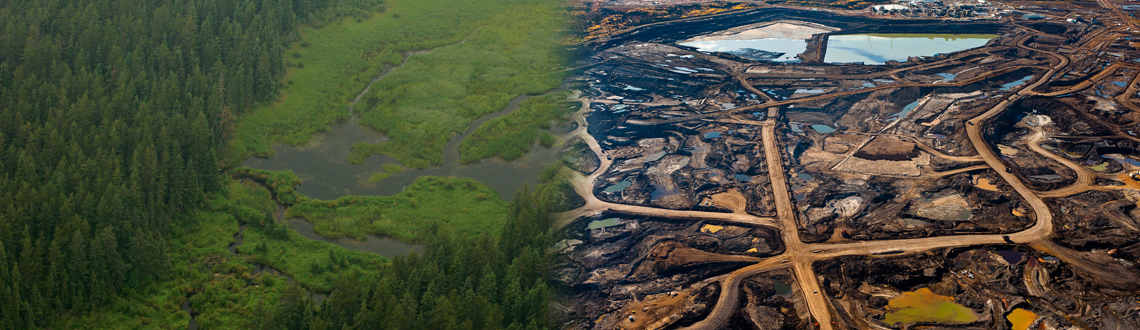
Slow-flowing, viscous deposits of bitumen or asphalt, mixed with sand, water, and clay; also known as oil sands
Open-pit mining
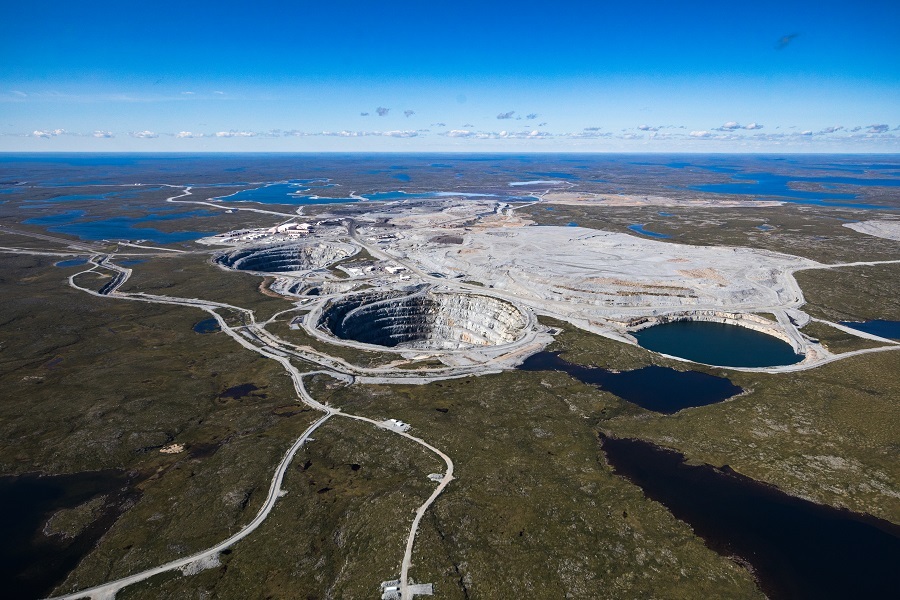
A mining technique that creates a large visible pit or hole in the ground
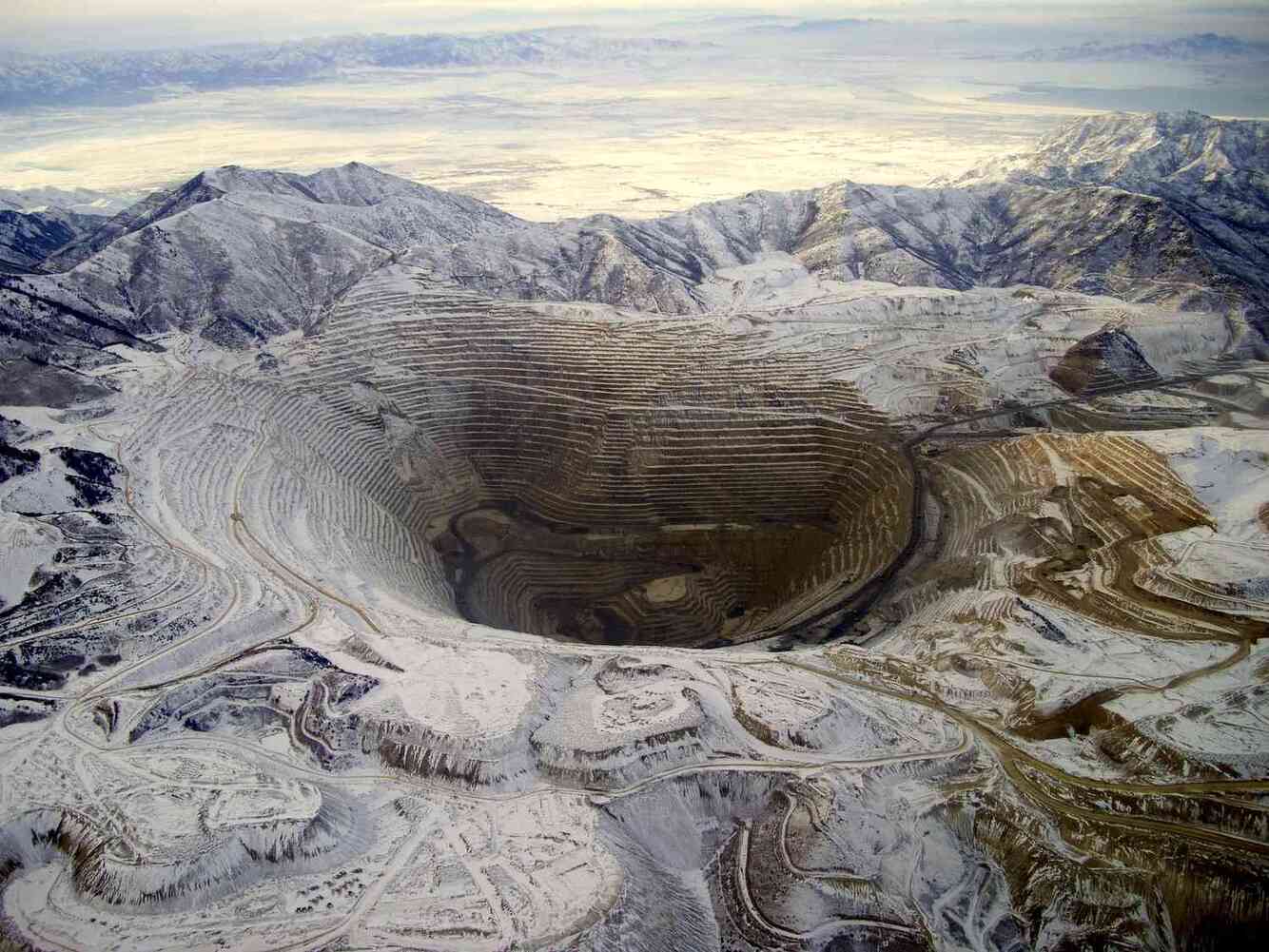
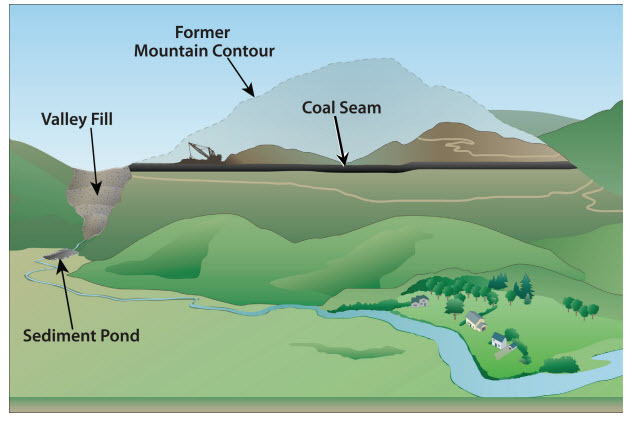
Mountaintop removal
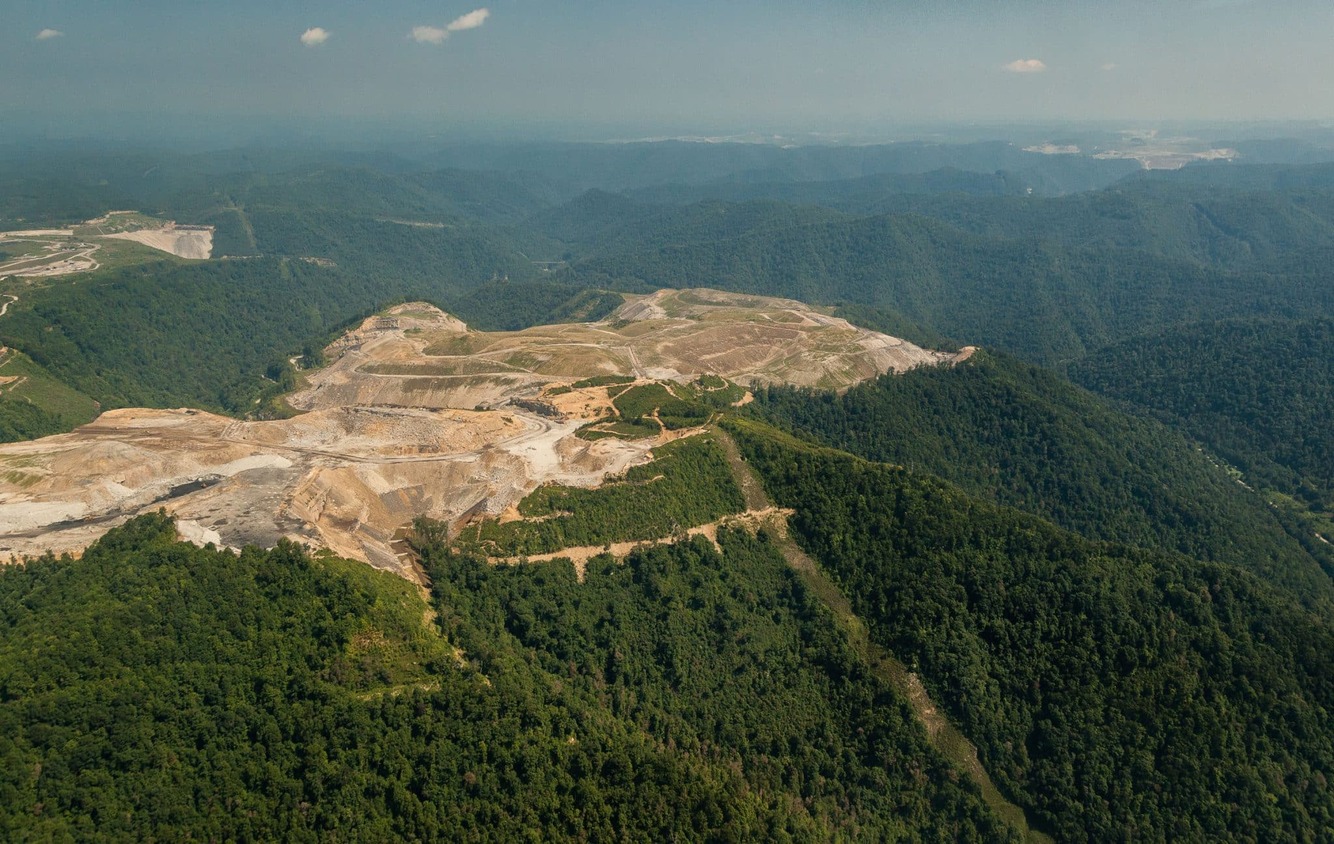
A mining technique in which the entire top of a mountain is removed with explosives
Placer mining
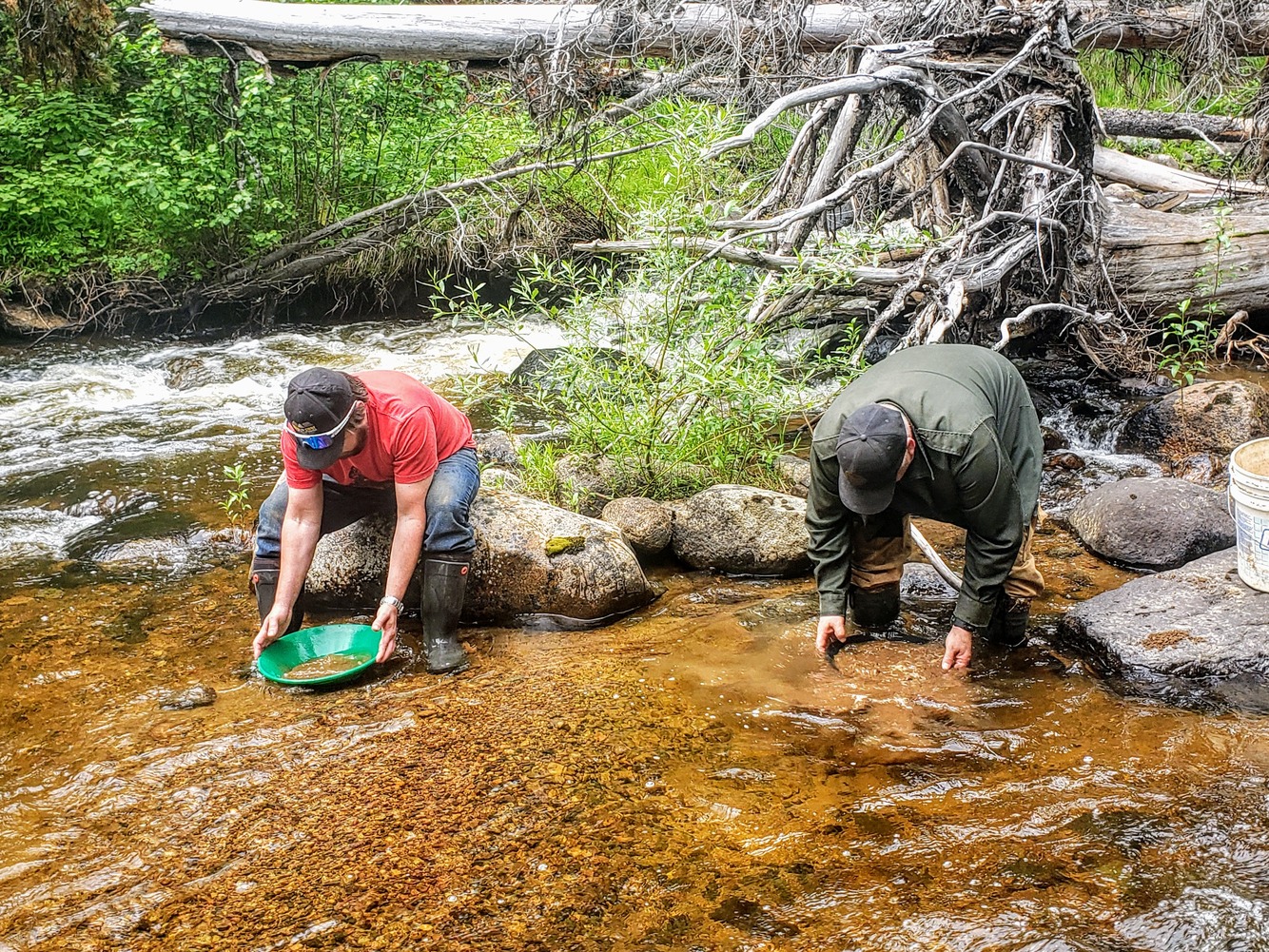
The process of looking for minerals, metals, and precious stones in river sediments
Subsurface / underground mining
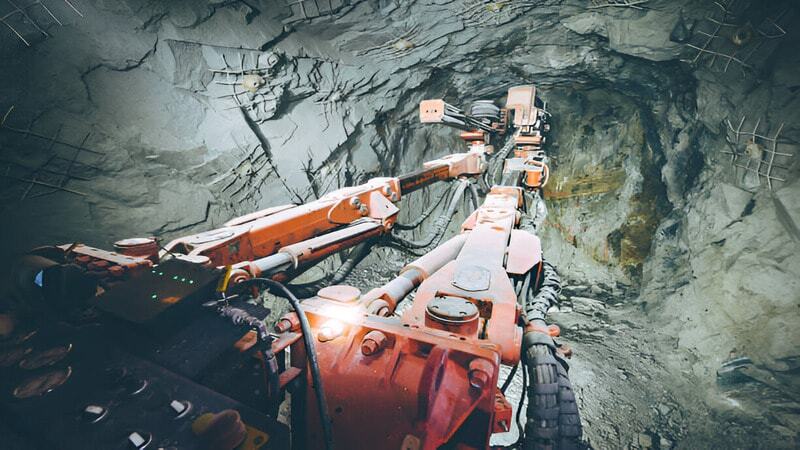
a coal mining that takes place several hundred feet below the surface of the Earth; workers and coal enter and exit through a vertical shaft
Reserve
In resource management, the known quantity of a resource that can be economically recovered
Strip mining
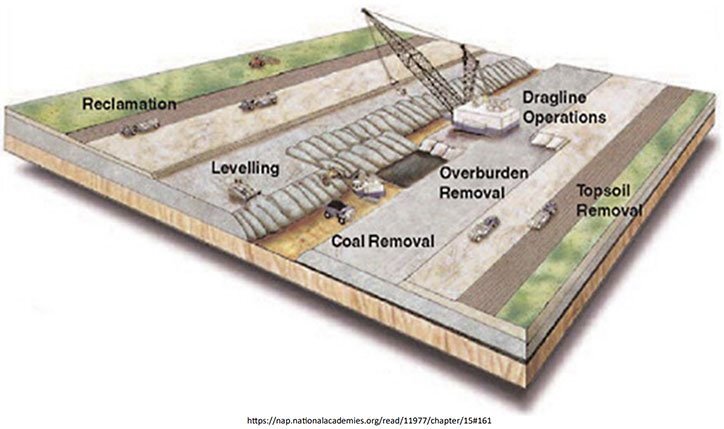
The removal of overlying vegetation and “strips” of soil and rock to expose underlying ore