LO 3.3 - Texture
No description yet. This curated deck is ready for daily study.
Card preview (12)
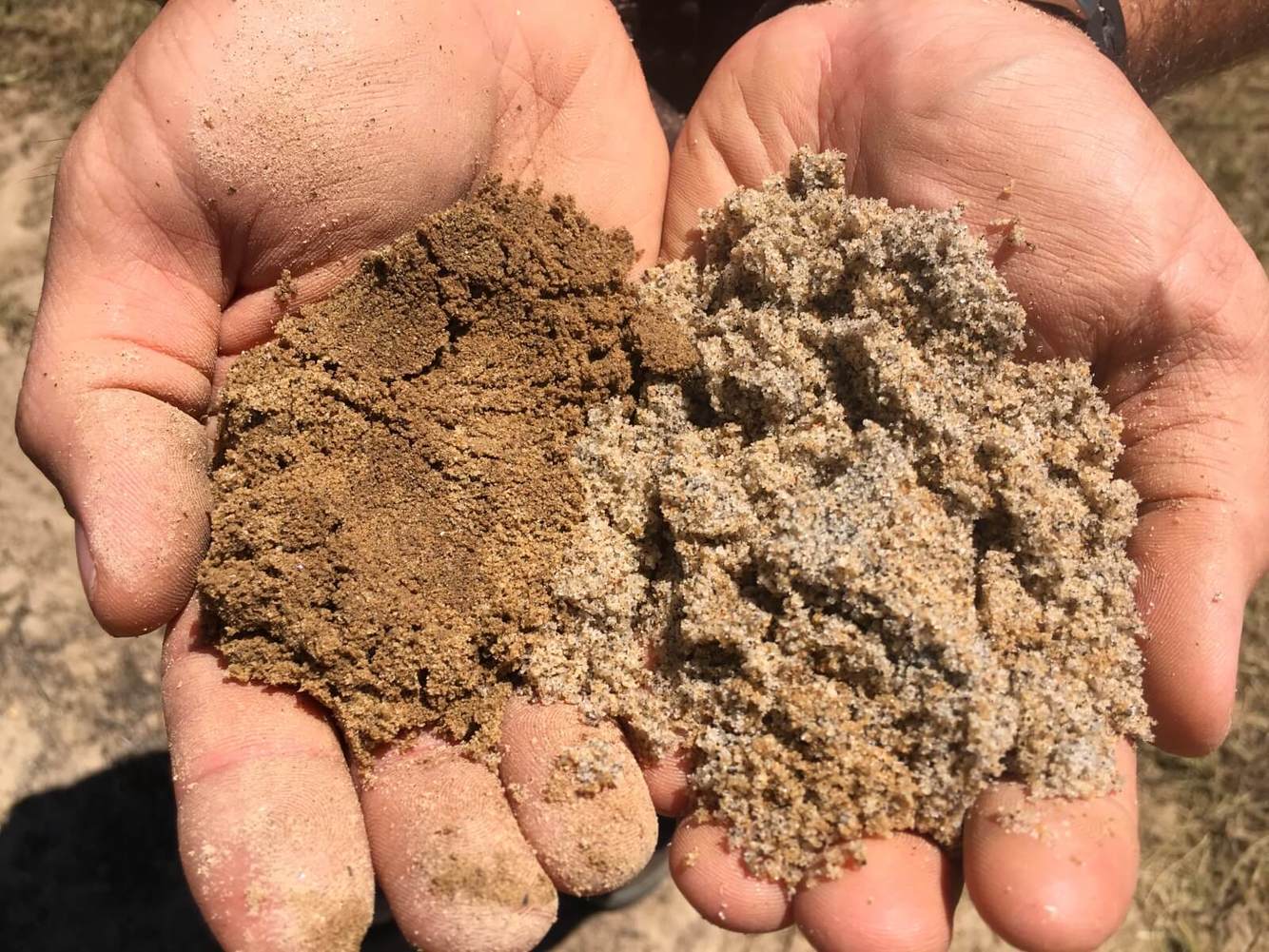
Question The particle sizes in different mineral soils influence the physical characteristics of soils. How are the mineral particles in soil grouped? Soil Texture
The mineral particles in soils can be grouped into classes by size. • Sand • Silt • Clay Soil Texture
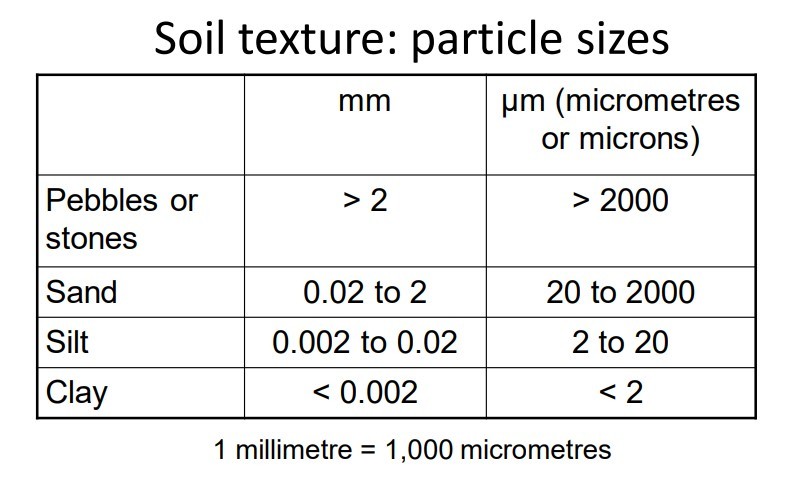
Question Soil texture particle sizes are measured with an international classification. What sizes are used for Pebbles, Sand, Silt and Clay? Soil Texture
Slightly different systems are used in the UK and the US. This is the international classification. Soil Texture
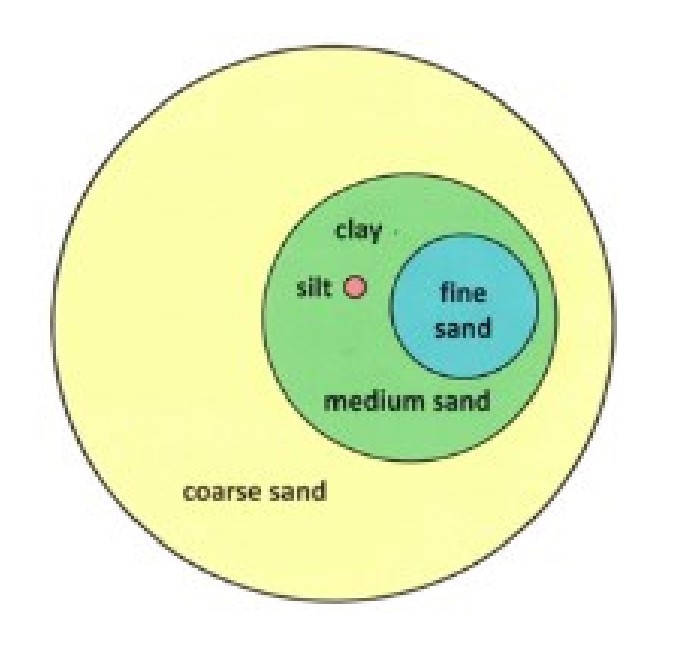
Question Soil texture is the term used to describe the proportion of different particle sizes (sands, silts and clays) in a soil. How big in mm, is the largest particle size considered? Soil Texture
The largest is 2mm Any particles over 2 mm in diameter are stones/pebbles and are not considered to be part of the ‘fine earth’ component of the soil. Soil Texture
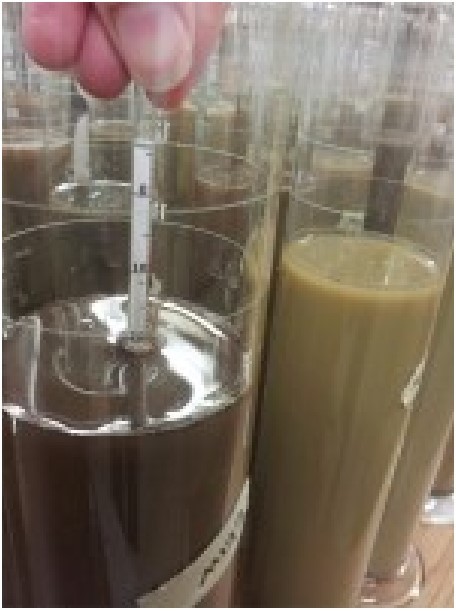
Question Laboratory assessment of soil texture. What are 4 things you need to do? Soil Texture
• Remove the stones/pebbles with a 2 mm sieve • Remove the organic matter. • Put a measured amount in a litre cylinder with a dispersant solution. • Shake it. The particles will settle according to size – sand first, then silt, then clay. Soil Texture
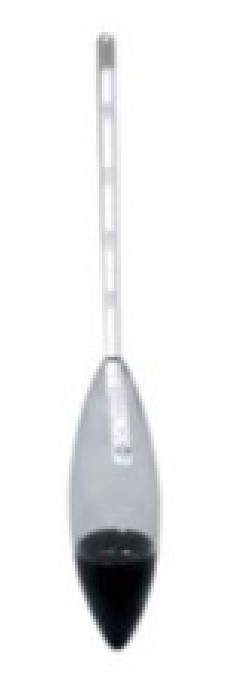
Question What is a Hydrometer? Soil Texture
A hydrometer is an instrument for measuring the density of liquids. Soil Texture
Question How do you measure the density of soil using a Hydrometer? Soil Texture
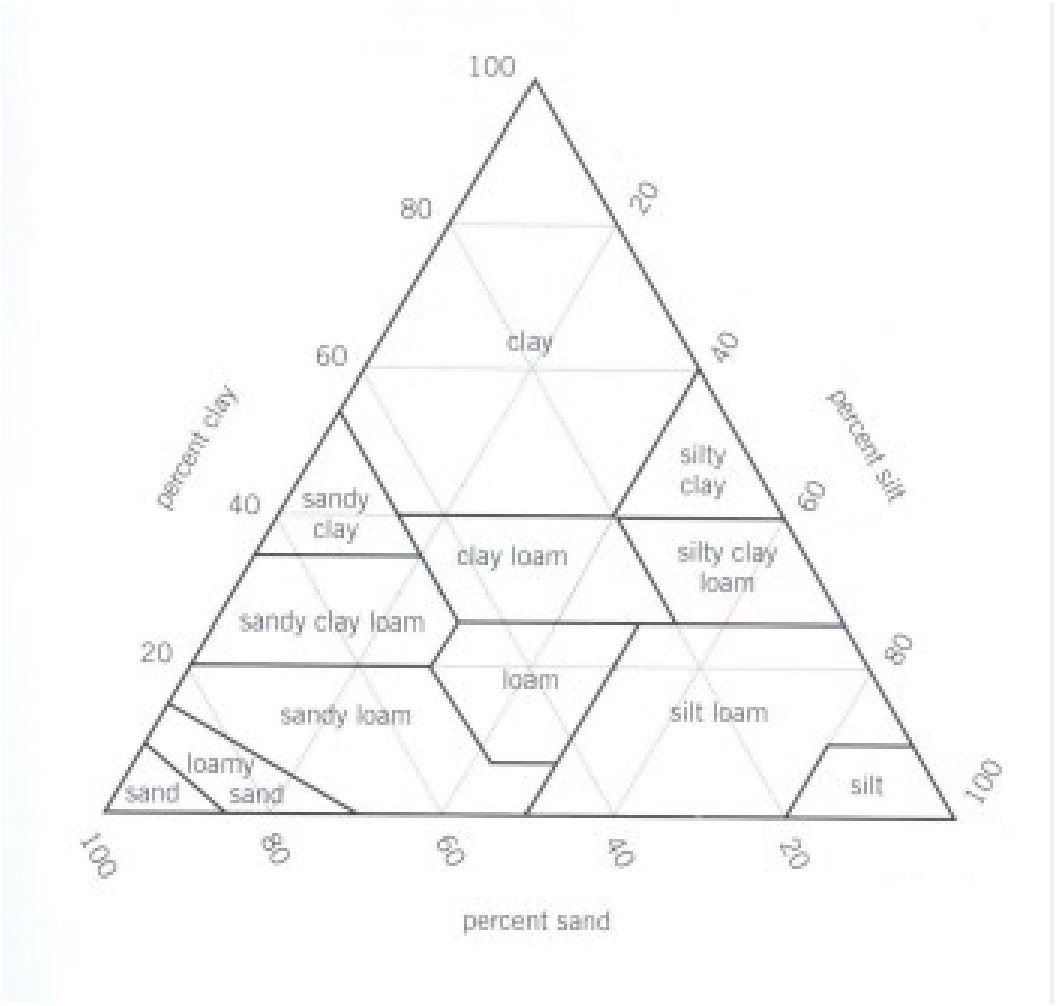
• Use a hydrometer to measure the density of the liquid at 40 seconds and 2 hours. • This allows us to work out what percentage of the original sample was in each particle size group • We can plot those % figures on a textural triangle to determine the textural class of the soil. Soil Texture
Question Using this textural triangle, what are the textural classes of the following soils? • 15% sand, 70% silt, 15% clay. • 65% sand, 20% silt, 15% clay. • 15% sand, 15% silt, 70% clay. • 40% sand, 40% silt, 20% clay. • 33% sand, 33% silt, 33% clay Soil Texture
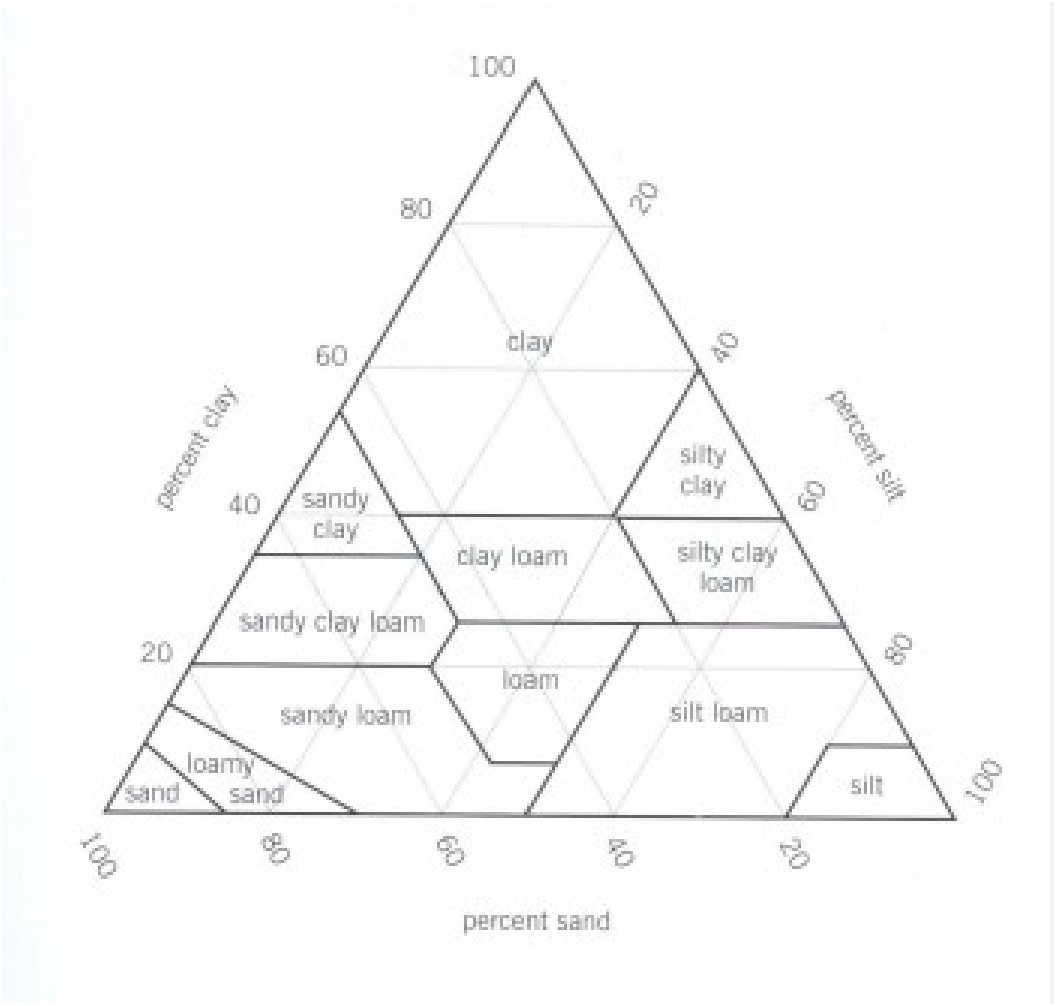
Textural class of the soils using the textural triangle. 1. Silt Loam 2. Sandy Loam 3. Clay 4. Loam 5. Clay Loam Soil Texture
Question What’s so important about Soil Texture? Soil Texture
Soil texture is important because it affects: * Drainage and water holding. * Soil temperature. * Fertility & leaching. * Workability. * Soil structure. Soil Texture
Question Describe what drainage and water holding is in Soil Texture? Soil Texture
• Sand particles are much bigger than clay particles. • This means that the gaps between particles are much larger in sand than in clay. • Water moves more easily through soils that have large pores, so sandy soils are free draining and clay soils are poorly drained. Soil Texture
Question How does texture affect soil temperature? Soil Texture
Clay soils, which tend to be wetter, are slower to warm up in spring than lighter, sandy soils. Soil Texture
Question How does Soil texture affect fertility/leaching? Soil Texture
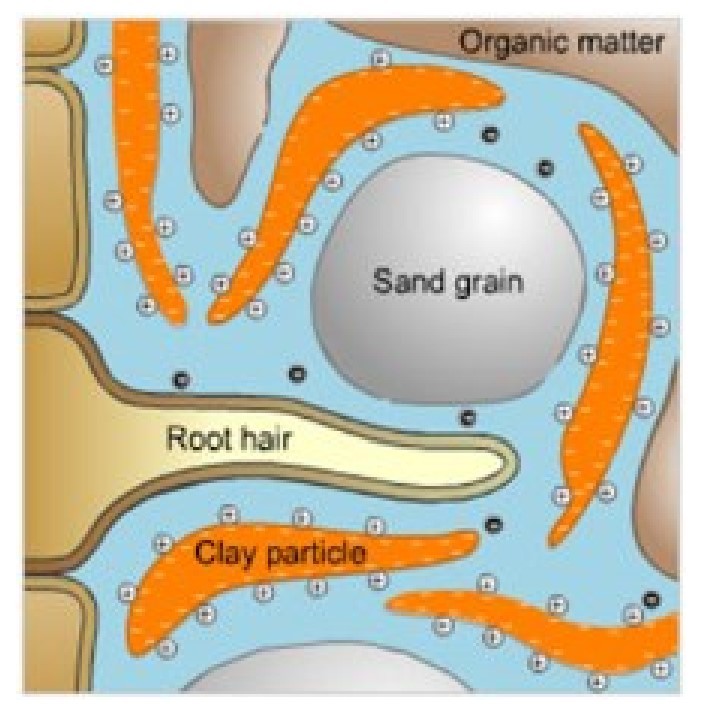
• Clay particles are negatively charged so they attract positively charged ions in the soil such as ammonium (NH4+), magnesium (Mg++), potassium (K+) and calcium (Ca++). • Note: the elements are ‘adsorbed’ by the clay particles. • Relatively large sand particles have no charge. Soil Texture
Question What is meant by Workability in Soil texture? Soil Texture
Clay soils are often referred to as ‘heavy’ and sandy soils as ‘light’. * This refers to the power required to cultivate them, not to the actual weight of the soil. * Clay soils are naturally sticky and tend to form clods, so they are more difficult to cultivate than sandy soils which are not sticky. Soil Texture