LO 3.1 - Components
No description yet. This curated deck is ready for daily study.
Card preview (12)
Question What are Inorganic Components of Soil? Components of Soil
Inorganic Components Much of the solid portion of most soils consists of rock particles – the inorganic components. These soils are referred to as ‘mineral soils’. Components of Soil
Question What are Organic Components of Soil? Components of Soil
Organic Components Mostly plant and animal remains. Peat soils, are largely composed of organic matter. Components of Soil
Question What is Organic Matter? 3 points to make. Components of Soil
Organic matter Soil organic matter consists of three types of material: 1. Living plants, animals and micro-organisms 2. Fragments of dead plants, animals and micro-organisms 3. Highly decomposed organic compounds or humus. (Note that usually, when horticulturists talk about organic matter, they are referring to the dead/decomposing OM, not the living organisms.) Components of Soil
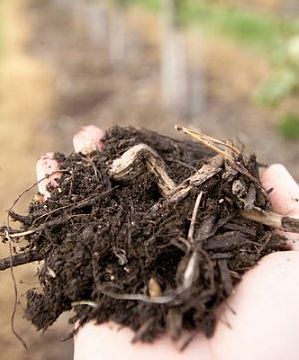
Question What is Humus? Components of Soil
Humus * Humus makes up 60-80% of the total soil organic matter. * Humus is dark in colour and, like clay particles, it tends to hold onto positively charged ions. Humus, notice almost black colour. Components of Soil
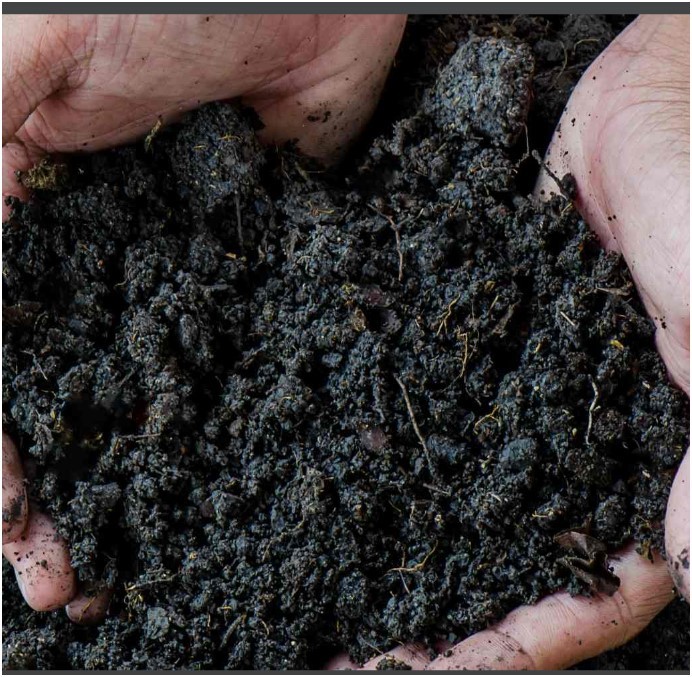
Question Organic Matter and Soil Nutrients, explain. Components of Soil
Nutrient supply: * Organic matter is a major supplier of ‘NP not K’, (nitrogen and phosphorus not potassium) and sulphur to plants. * Organic matter also increases the ability of the soil to ‘hold onto’ nutrients and resist leaching. Just remember NP not K and don’t forget the small s. Components of Soil
Question Organic Matter and Soil Structure, explain. Components of Soil
OM and soil structure: * OM acts as a ‘glue’, binding soil particles together and promoting a stable soil structure. * OM is less prone to erosion, and allows for easy root penetration and seedling emergence. * OM improves the workability of heavy soils. Components of Soil
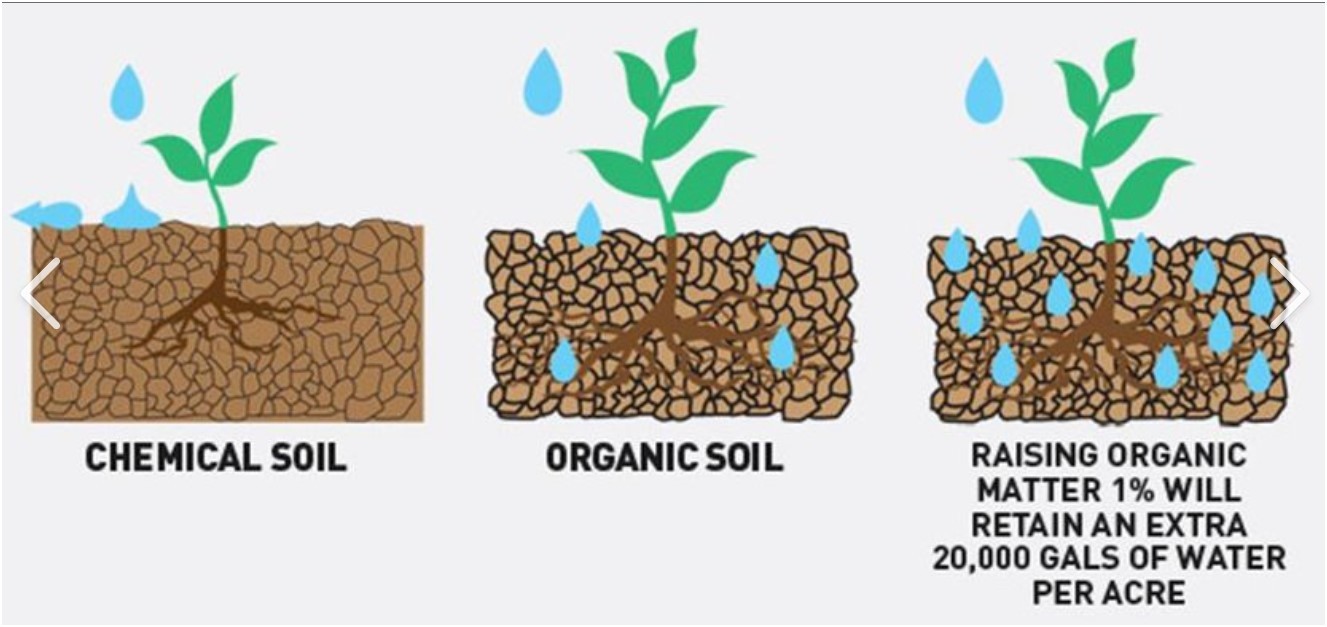
Question Organic Matter and Water holding capacity, explain. Components of Soil
OM and Water holding capacity: Humus can hold about five times as much water as clay minerals. The improvement in soil structure also has an effect on water movement in soil, improving infiltration and reducing run-off. Humus, notice almost black colour. Components of Soil
Question Organic Matter and Soil Temperature, explain. Components of Soil
OM and Soil temperature: The dark colour of humus means that it absorbs more sunlight than lighter soil material, leading to warmer soils. A layer of OM spread as a mulch can protect temperature sensitive plants by providing insulation in winter. Components of Soil
Question What is the effect of Organic Matter on Soil Organisms. Components of Soil
Effect on soil organisms: Soils that contain high levels of OM can support higher populations of soil organisms. Components of Soil
Question Research in the UK, in which farmers who incorporated straw into their soils were interviewed, revealed what effects? Components of Soil
• Greater ease of tillage . • Less need for sub-soiling. • Fewer passes to prepare a seedbed. • Increased window of workability. • Less implement wear. • Reduction in seed rate. Components of Soil
Question What are the benefits of adding OM to soil? Components of Soil
Benefits of Adding OM: * Increased crop uniformity. * Improved soil moisture retention. * Improved tilth. * Less compaction and erosion. * Increased earthworm and insect activity. * Reduction in organic and inorganic fertiliser. * Better performance in drought years. * Fewer irrigations. Components of Soil
Question What are the negatives of adding OM to soil? Components of Soil
Negatives of Adding OM: * Difficulty in controlling disease. * More effort required to control weed. * Care needed to control fungus and pest outbreaks and slugs. Components of Soil