C2
No description yet. This curated deck is ready for daily study.
Card preview (24)
What is relative atomic mass?
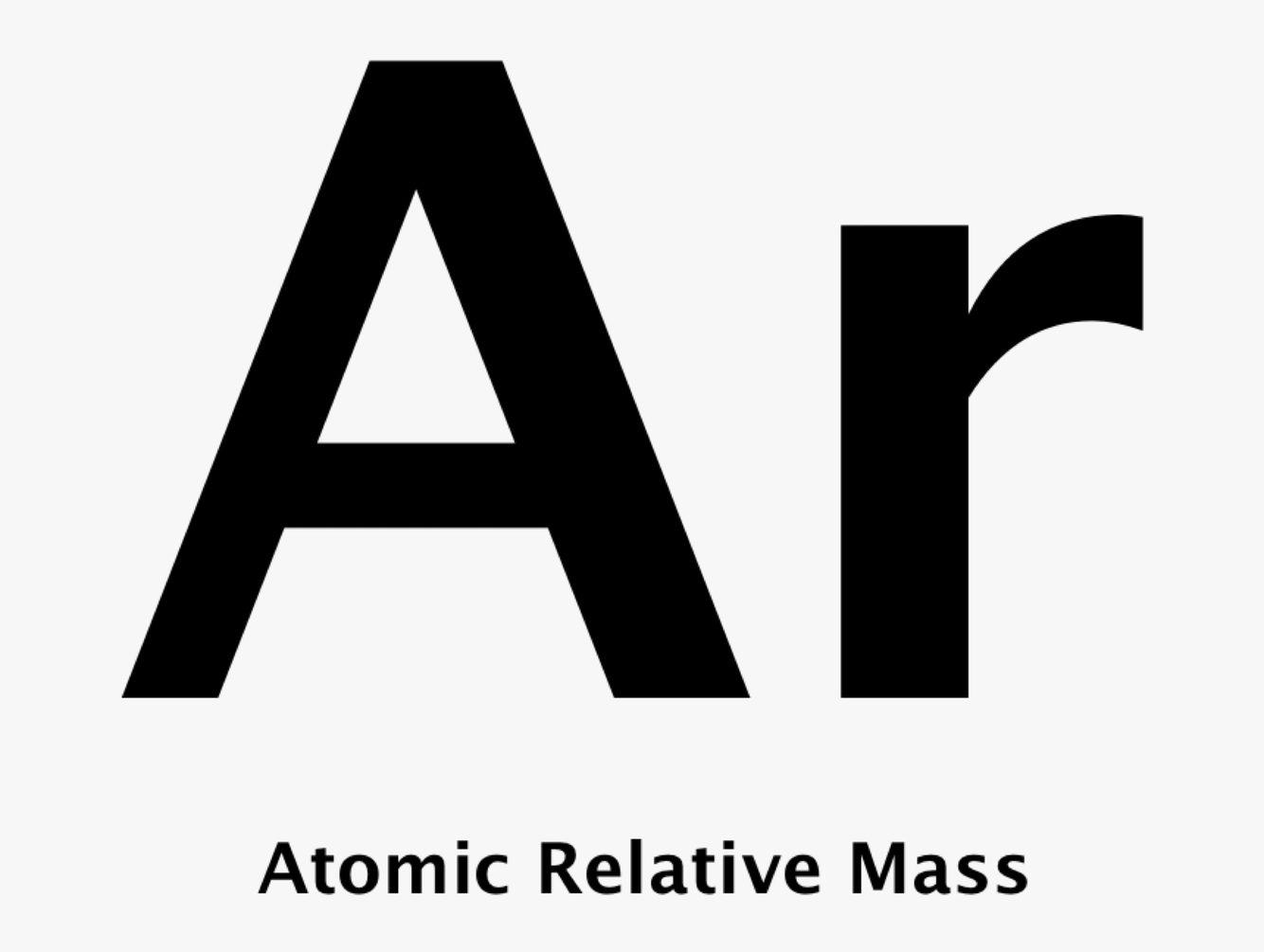
🔮The mean mass of an atom of an element compared to 1/12 the mass of a carbon -12 atom 💎 the bigger number on the periodic table
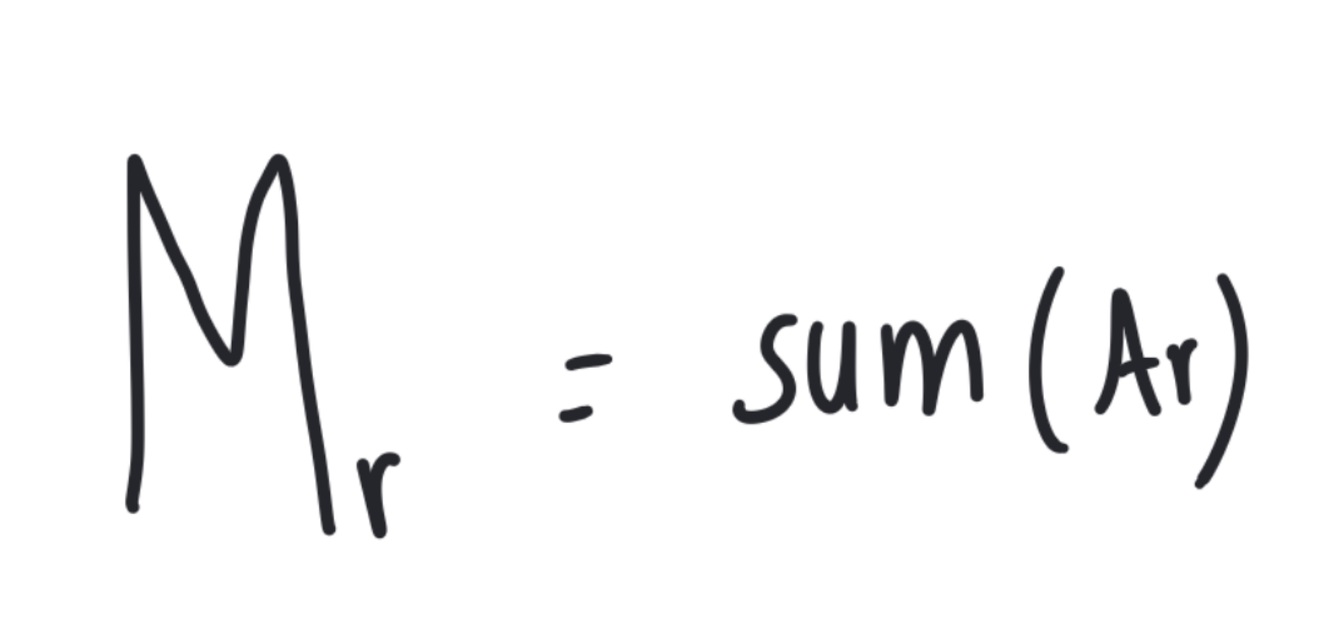
What is the relative formula mass ?
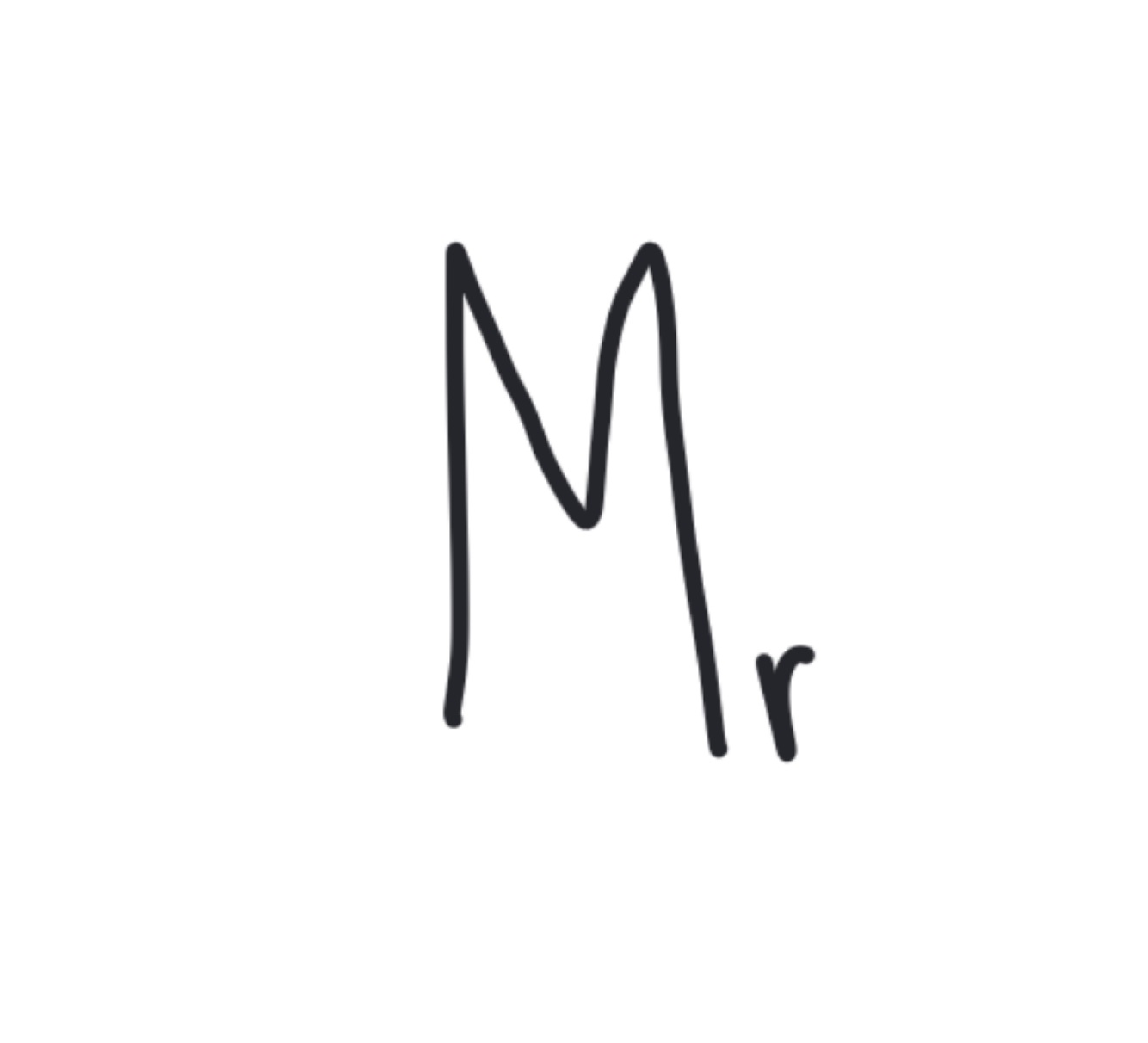
The sum of the relative atomic masses of the atoms in the number of the shown formula. “The weighted mean mass of the formula of units compared to 1/12th of the mass of a carbon 12 atom” (For substances that consist of two or more atoms)
What is an empirical formula?
The simplest whole number ratio
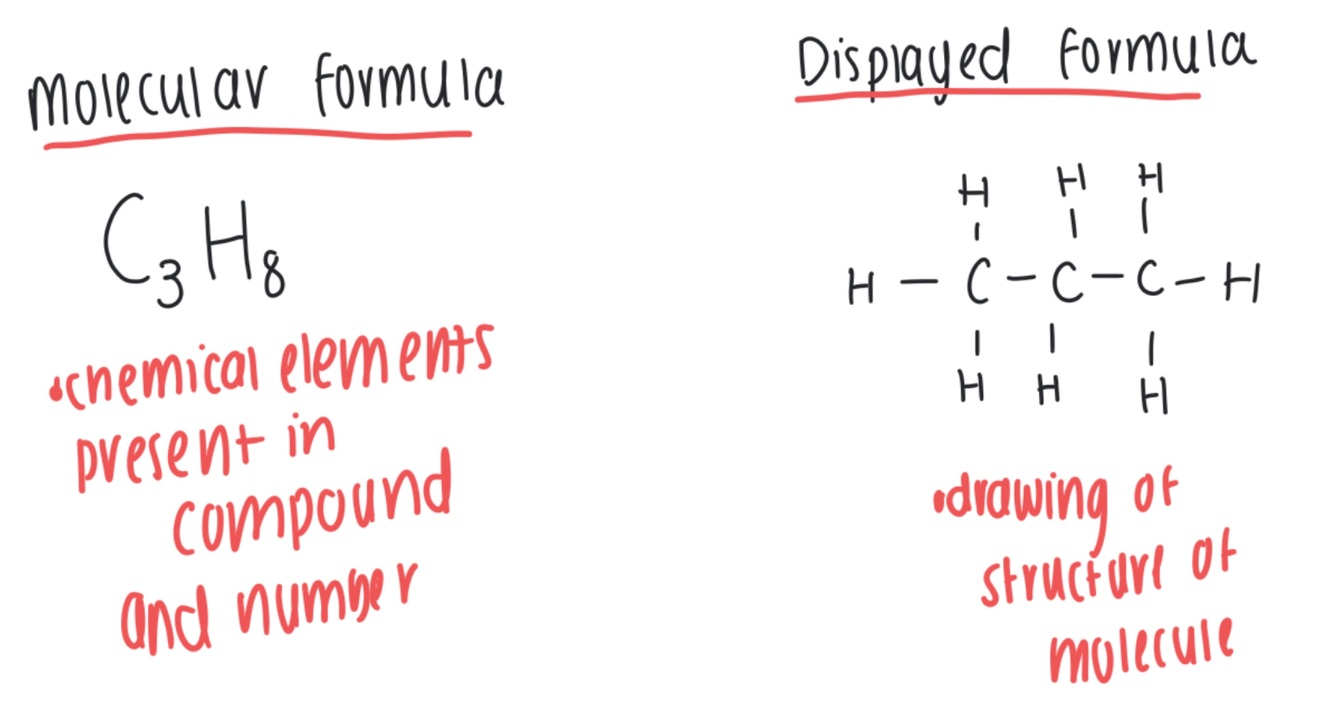
What is the difference between molecular formula and displayed formula?
What is a compound?
Eg: water Like a combination of molecules composed of 2 or more separate elements
What does it mean for a substance to be ‘pure’ ?
To only have one element or compound
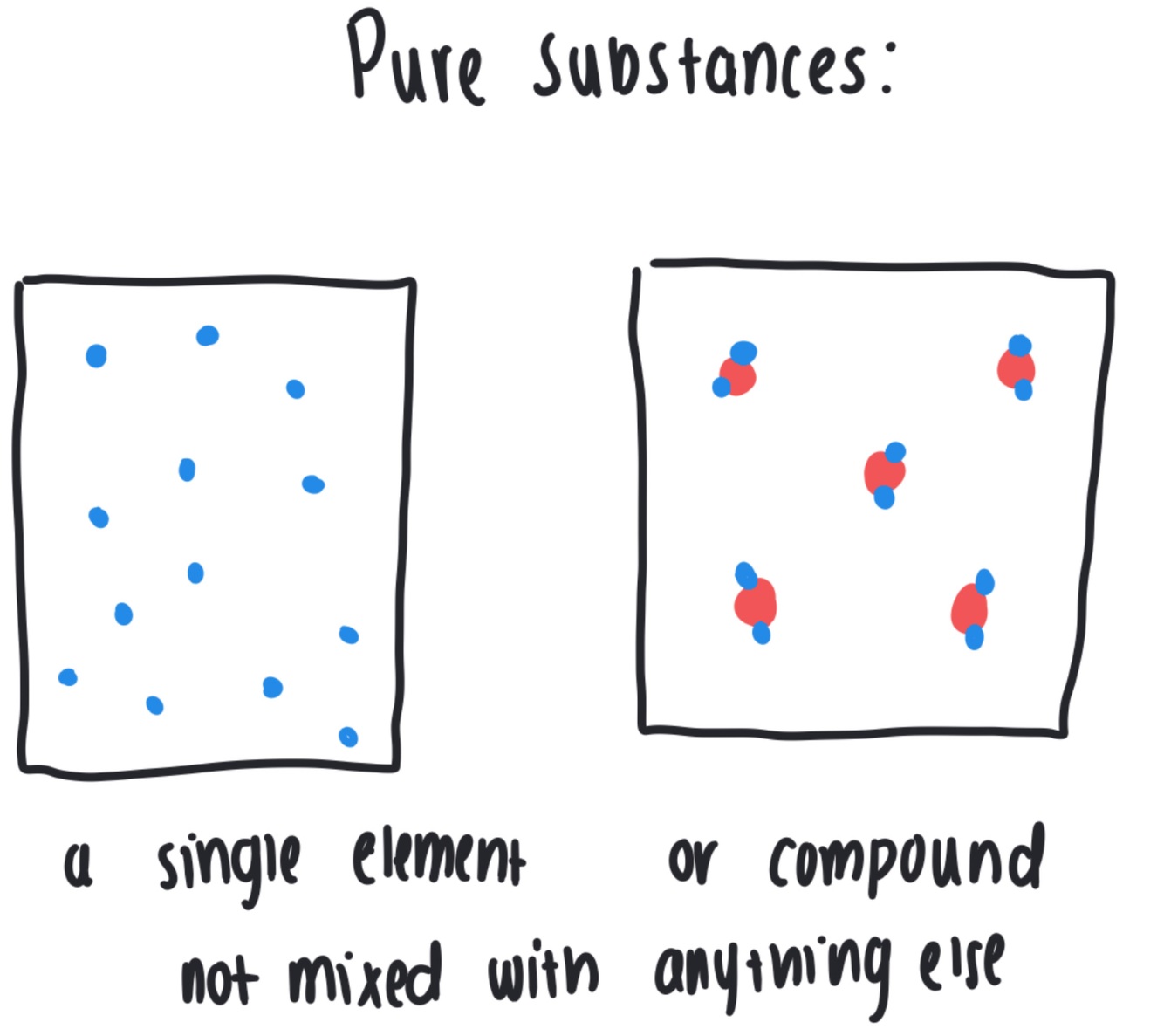
What does it mean to have an ‘impure’ substance?
A substance that contains more than one element or compound
Why are useful materials mixtures?
Pure materials are too soft for everyday use, therefore alloys are used
How would you know whether a substance impure or impure from the BP/MP?
Pure substances melt /boil at a specific temperature 🚬if impure then the different substances will melt over a range of temperatures, and will be less than pure substance MP
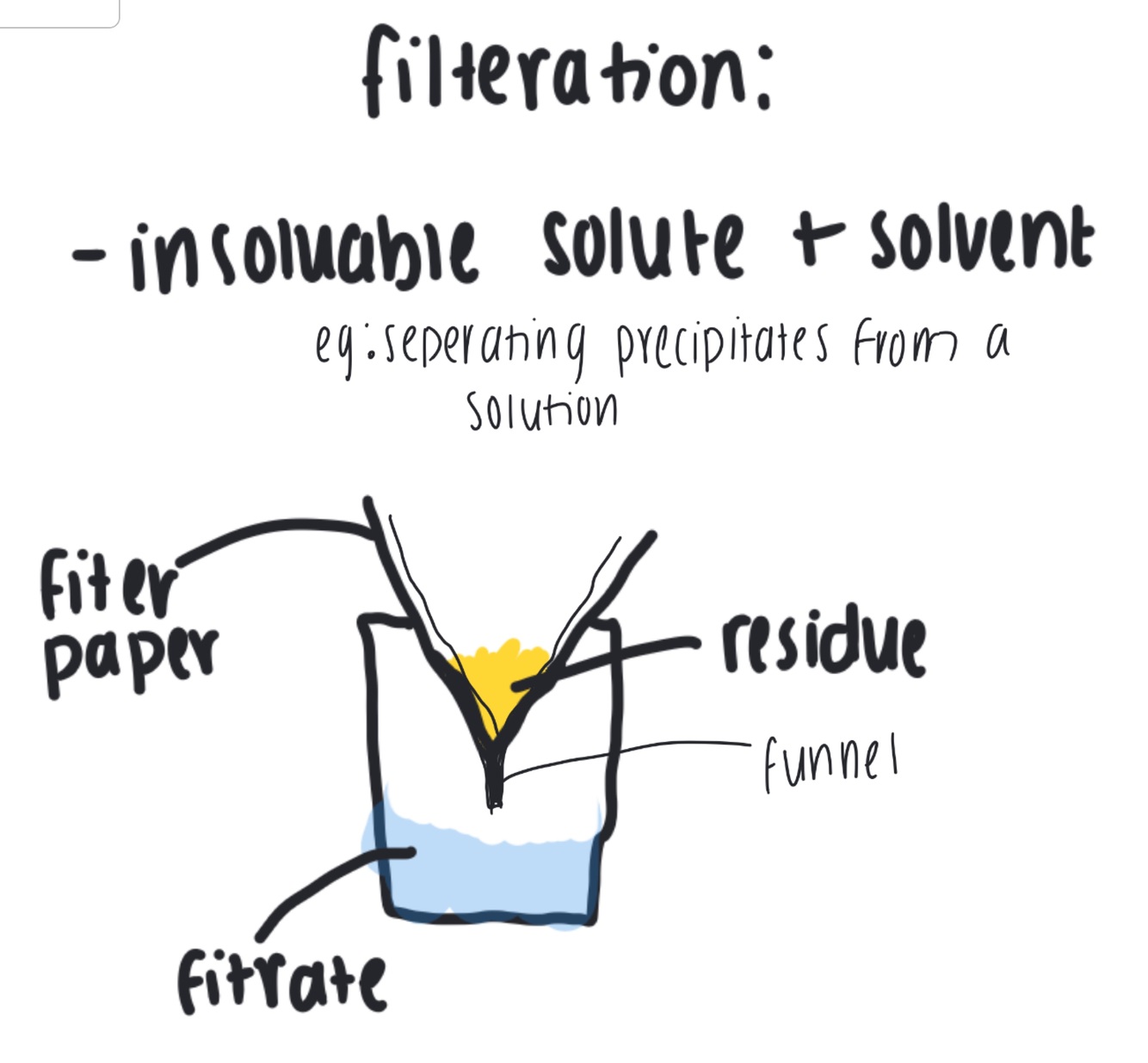
What does filtration separate?
An insoluble solid from a liquid. Liquid = filtrate Solid = residue
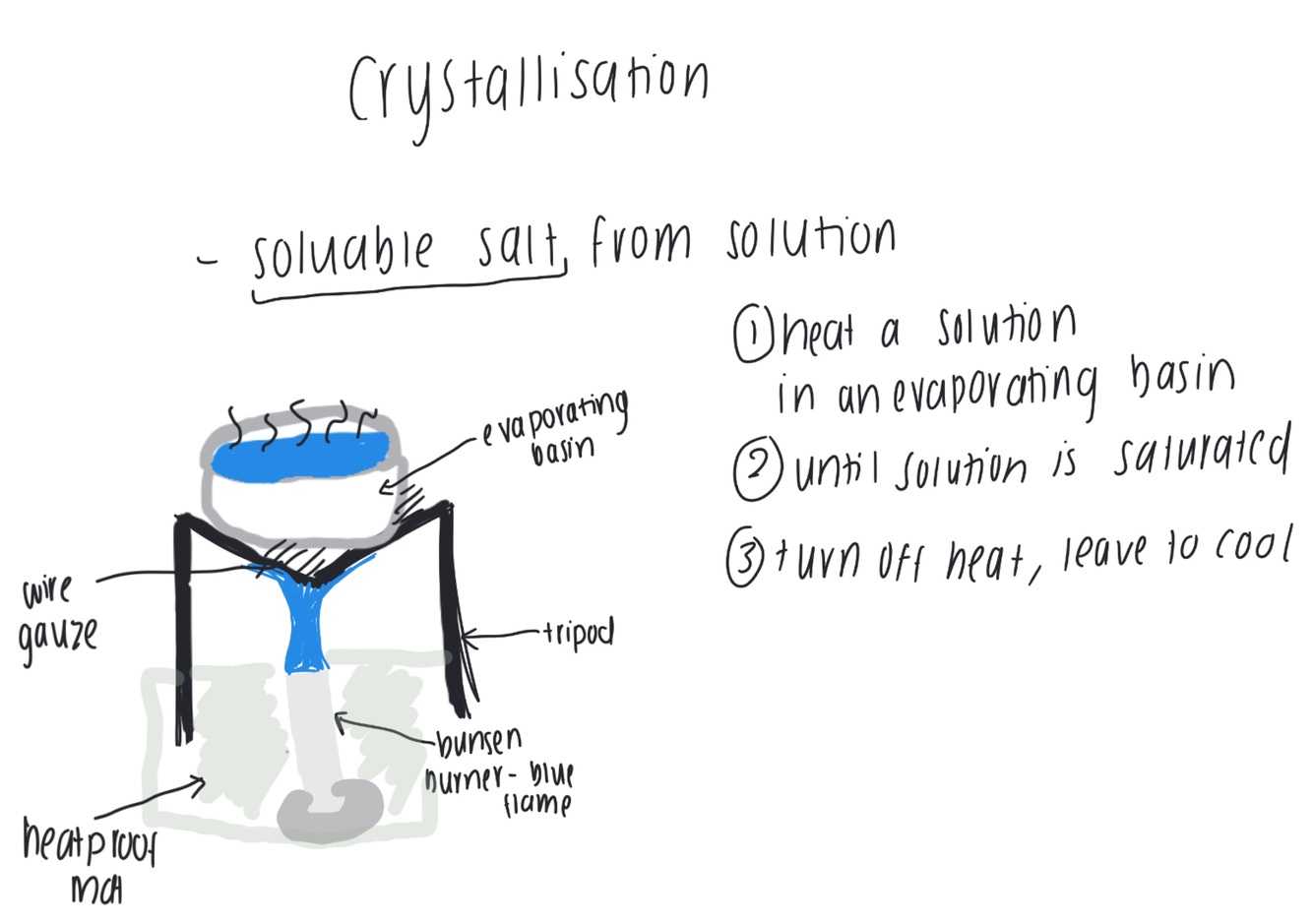
What is crystallisation used for, and how is it conducted?
Separating a soluble solid from a solution. 💎evaporate solvent in an evaporating dish 💎leaves a saturated solution 💎after cooling becomes crystals 💎 dry in warm oven or by patting with filter paper(air drying)
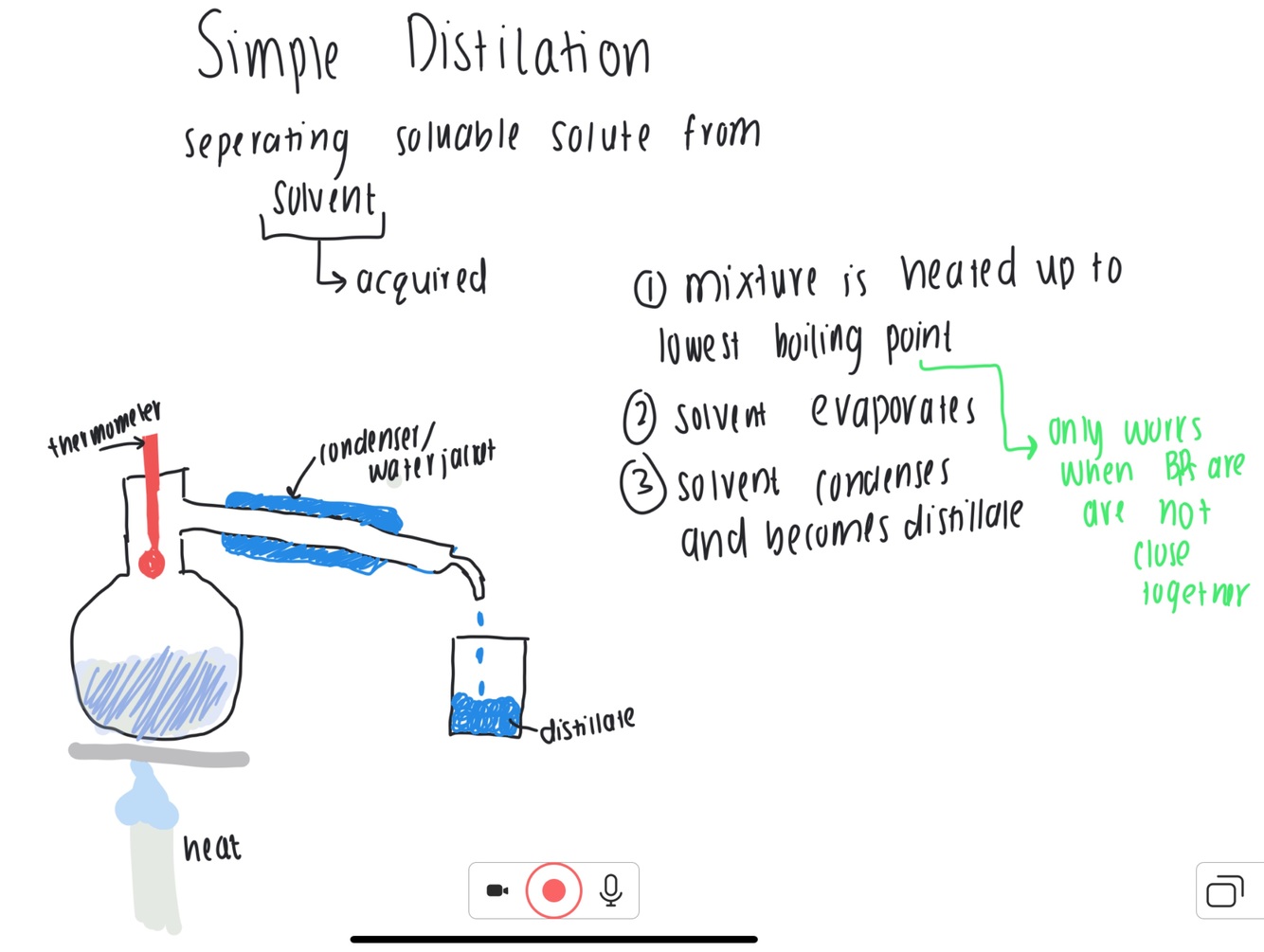
How does simple distillation work?
Separates a liquid from a solution (solute), Can only be used to separate things with very different boiling points 1. Substance evaporates 2. Vapour travels to water jacket and condenses
How does fractional distillation work?
Separates a liquid from a mixture of liquids 1. Liquid with lowest boiling point goes first putting it at the top of the column. 2. Others condense back down due to the factional column Follows normal distillation
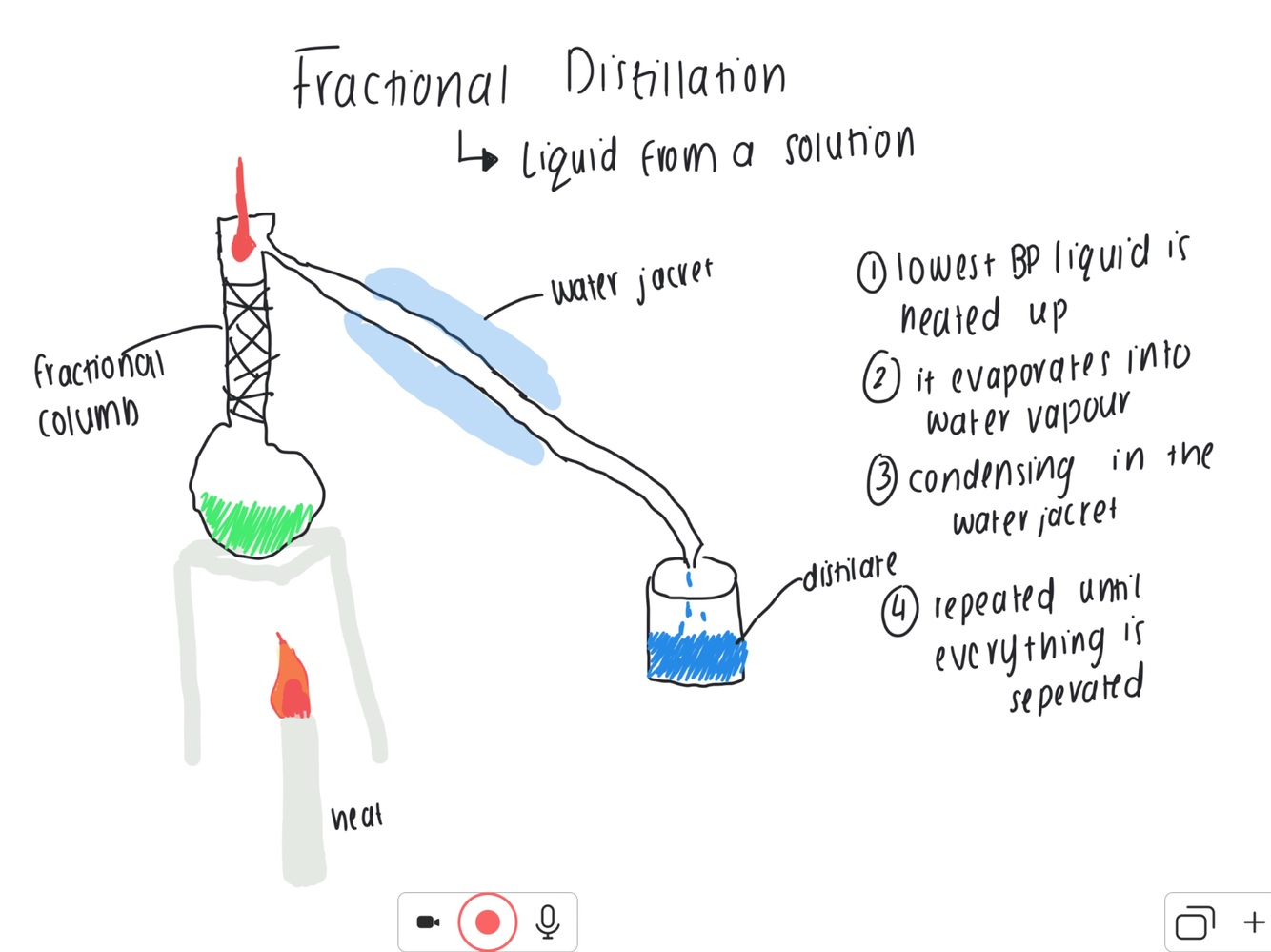
Describe the fractioning column
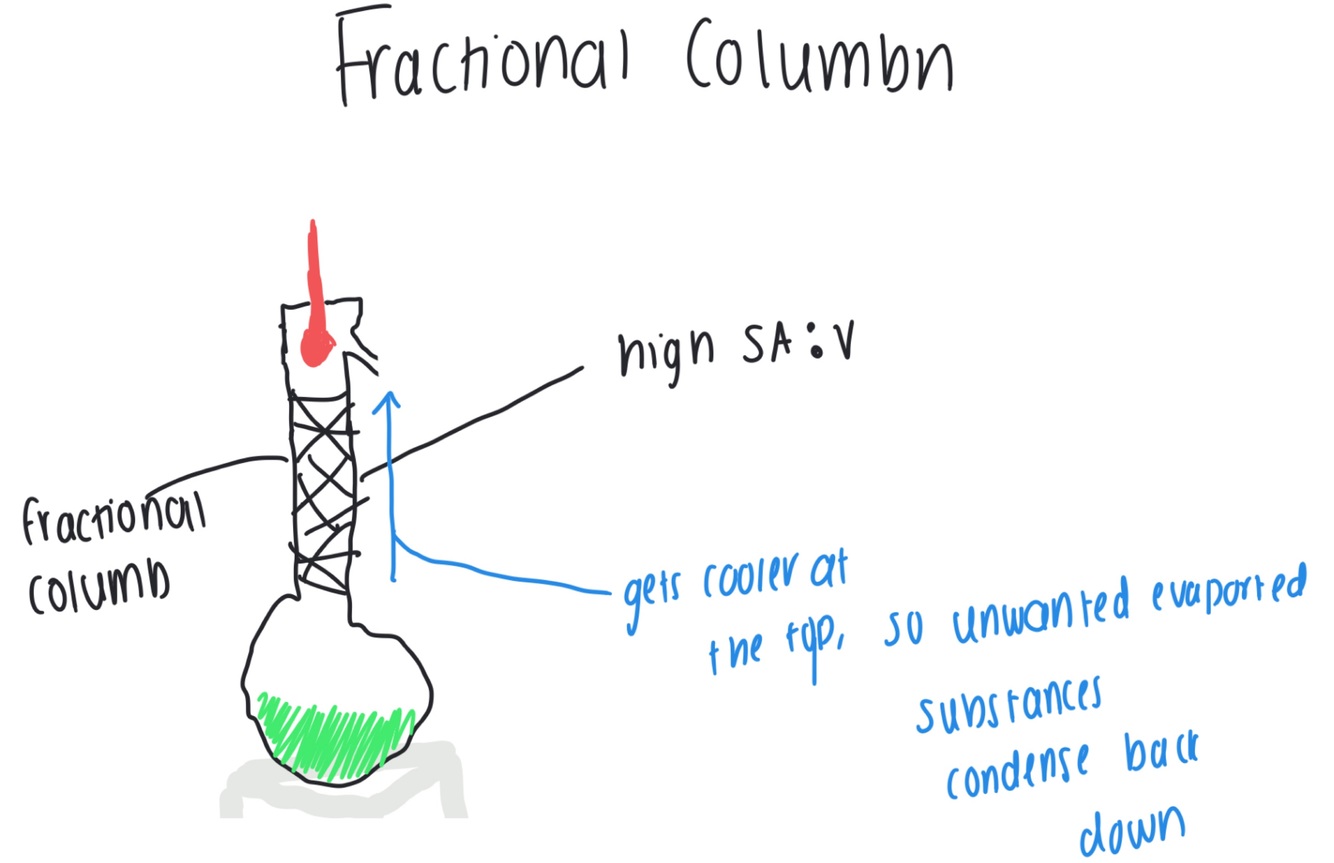
Lots of little glass rods (high surface area) Tall which means colder at the top
What is a mobile phase?
The molecules can move Liquid or gas
What is a stationary phase?
Where molecules cannot move Always solid
How does paper chromatography work?
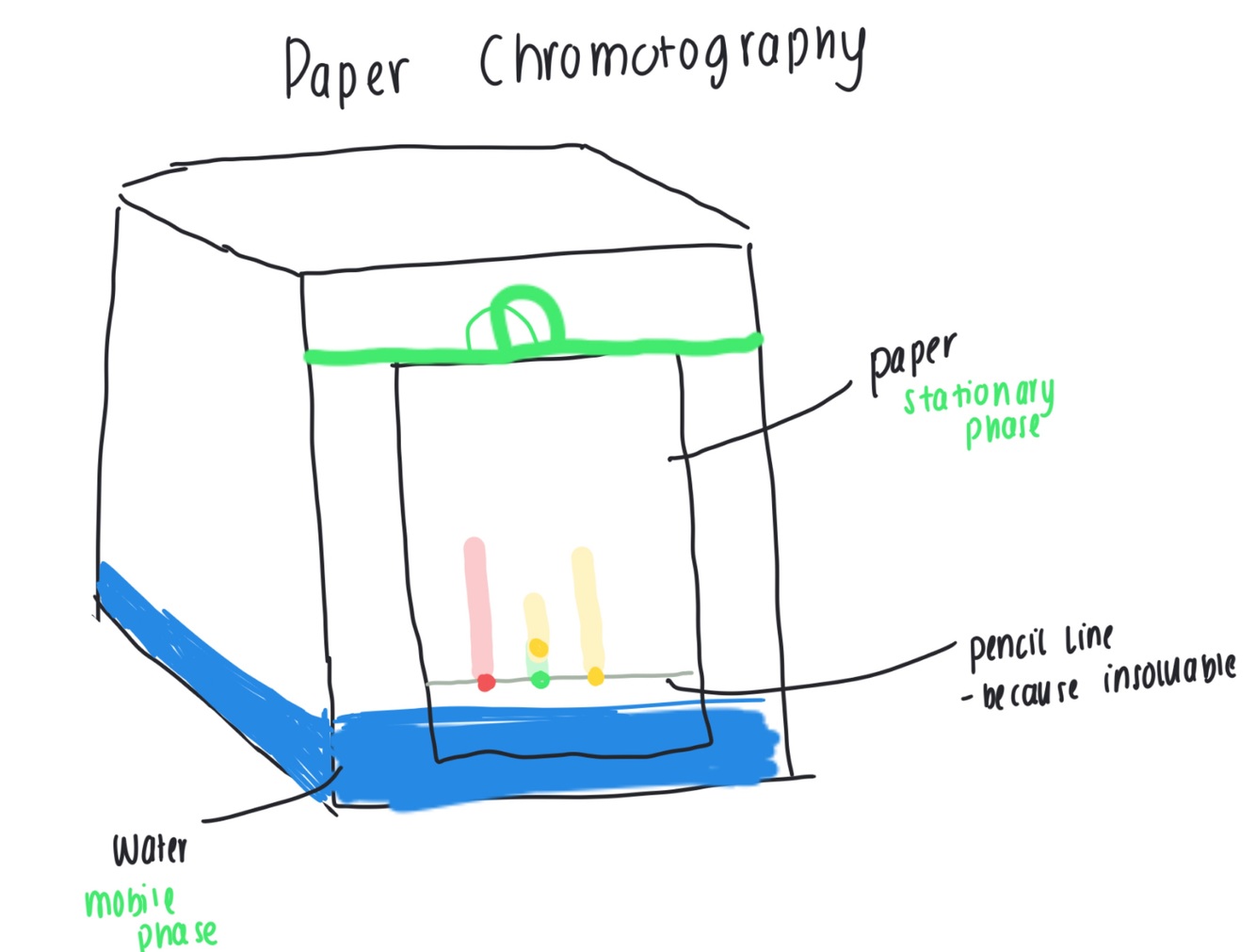
MP= water SP= paper Use a pencil (insoluble) Make sure paper is in water but not touching the dots
How does thin layer chromatography work? + safety points
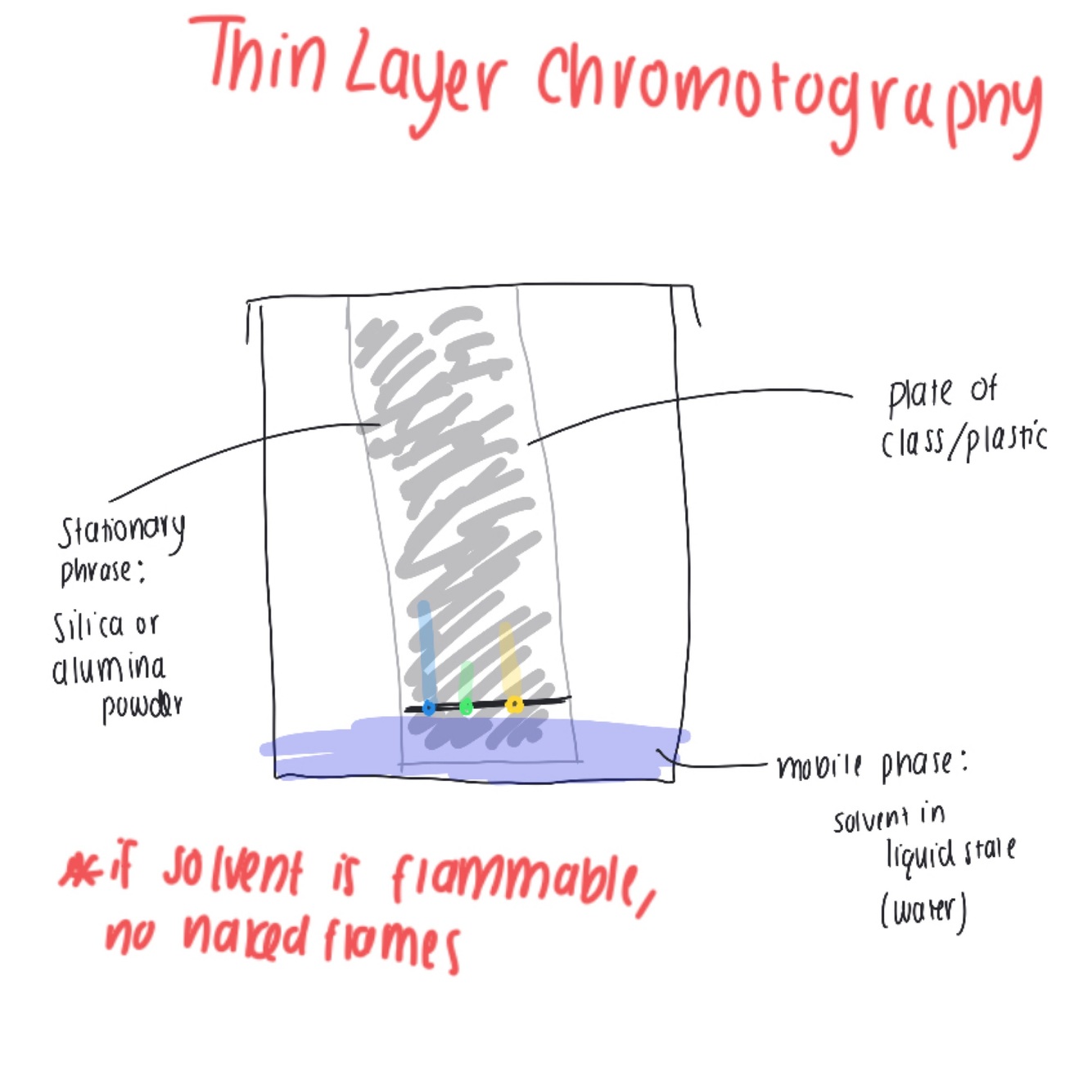
A glass /plastic plate SP= silica or alumina powder MP= solvent Draw a line in pencil
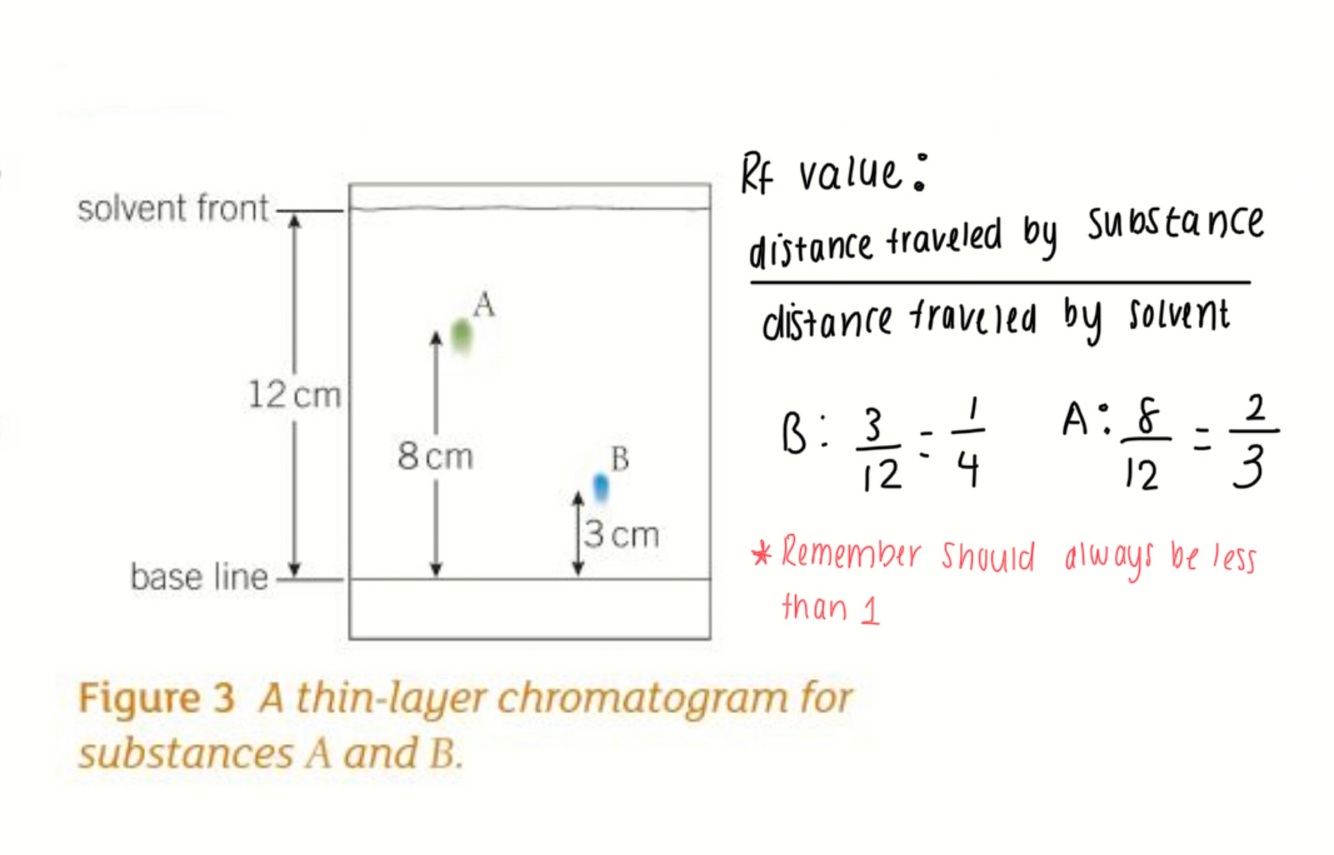
How do you calculate the retention factor?
Distance travelled by substance ➗distance travelled by solvent * will always be less than 1
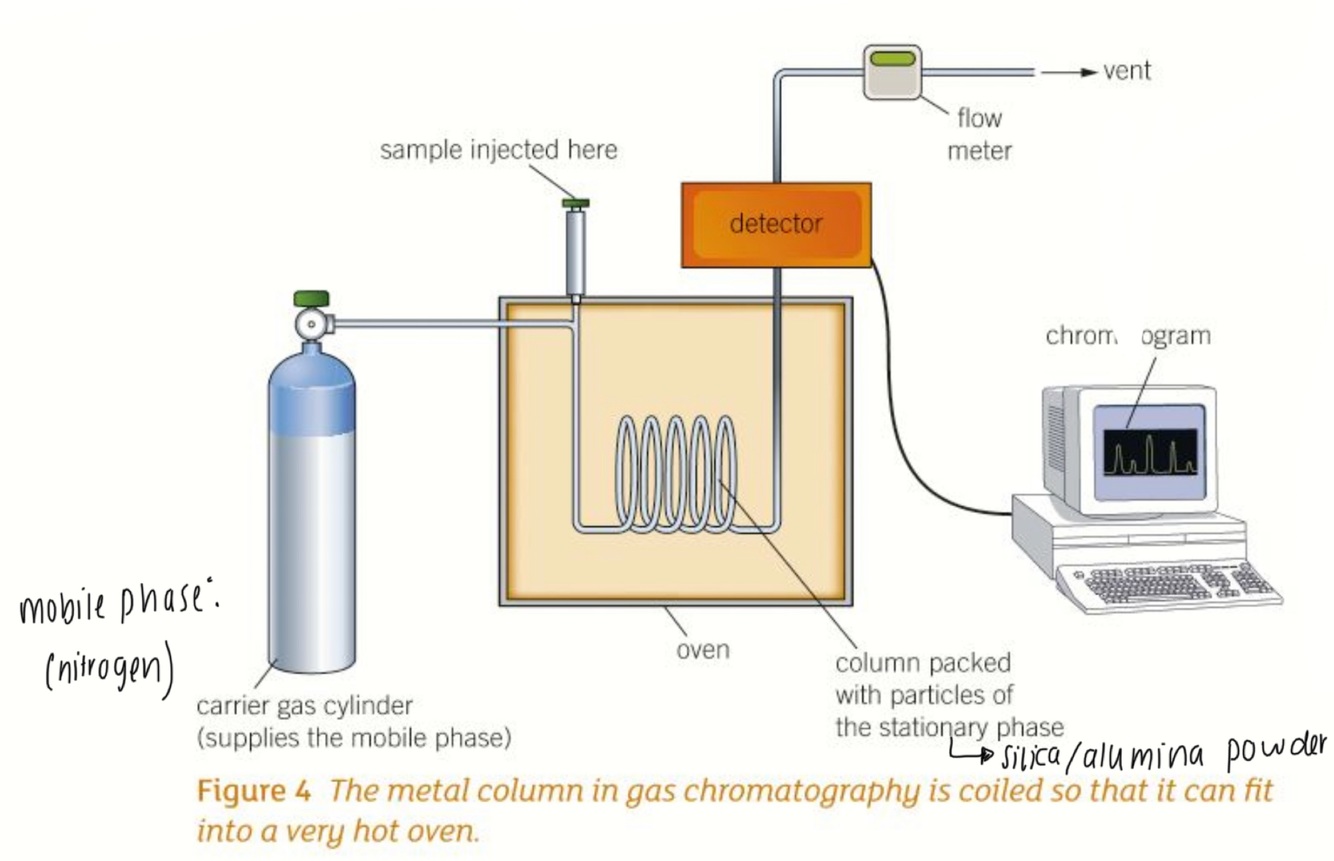
How does gas chromatography work?
MP= inert carrier gas eg: SP = silica or alumina powder packed into metal columns Gas is put into column and how long it takes to come out dependent on how attracted it is =retention time
What are some advantages of thin layer chromatography?
🔴it’s quicker 🔴it’s more sensitive , so less can be used 🔴 larger range of stationary phases/ solvents to choose from
How do you read a gas chromatogram?
Pure substance = one peak The more time taken = least attracted to mobile phase The area under each peak is how much there was of each substance
What are the typical properties of metals?
🪙shiny 🪙high melting and boiling point 🪙solid at room temperature 🪙malleable 🪙ductile 🪙good conductors 🪙found on the left of the periodic table 🪙lose electrons to form positive ions
What are typical properties of non-metals?
🪙dull 🪙low MP/ BP 🪙brittle 🪙insulators 🪙gases/ liquids 🪙found to right on periodic table 🪙gain electrons to become negative ions