Week 3 day 2
No description yet. This curated deck is ready for daily study.
Card preview (24)
enzyme
speeds up reaction by lowering activation energy. • does not get used up • cannot make unfavorable reaction favorable.
Michaelis Menten equation
V= (Vmax * S)/km+S S= substrate concentration V = rate of reaction (enzyme productivity) km = constant Vmax = constant
Glucose
C6H12O6 Has 4 chiral centers and 16 isomers. Functional group: Aldehyde
Left sided glucose isomer
Hydroxyl group bottom Carbon on left side, Hydrogen on Right Not used in lhuman body
metabolic pathways of glucose
• glycogen • glycerol (a part of fat) • pyruvate • DNA, RNA
Glycolysis
breaks down glucose and forms 2 pyruvate with the production of two molecules of ATP. *one mole of glucose produces two moles of lactate *different isomers of glucose can join the pathway at different points. **in process you lose 6 H which cause acidosis. Glycolysis is anaerobic, does not use oxygen.
metabolism amino acids
amino acids become proteins which can become: cell structure communication/signaling molecules enzymes
metabolism carbohydrates
carbohydrates can become: structural membranes signaling molecules energy!
metabolism lipids
Lipids can become: cell membranes signaling molecules energy!
nucleic acid
made from combination of amino acids and carbohydrates
Km
The Michaelis Menten constant which shows the concentration of the substrate when the reaction velocity is equal to one half of the maximal velocity of the reaction.
enantiomers
two stereoisomers that are mirror images of each other but not superimposable.
pyruvate
Formed from glucose through glycolysis. Can become protein or become Acetyl-CoA and go through Krebs cycle.
Fructose
C6H12O6 3 chiral carbons 8 isomers Functional group: ketone
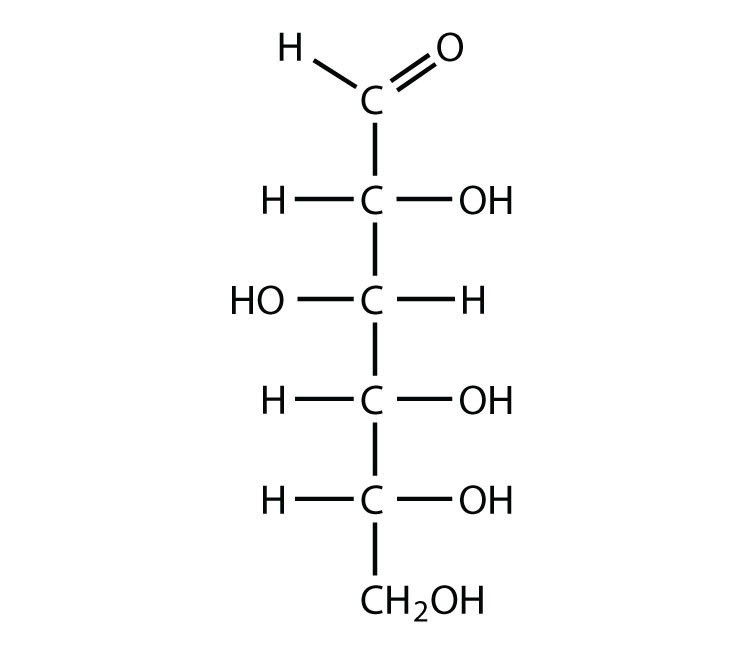
glucose
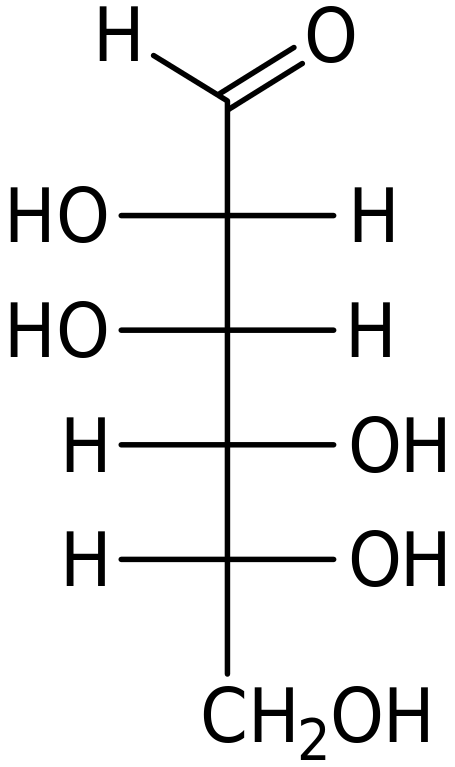
Mannose
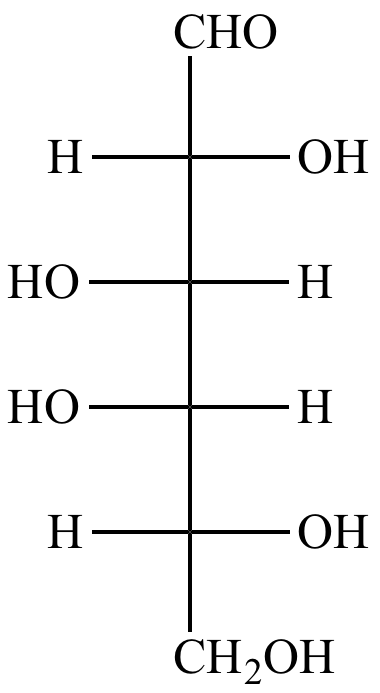
galactose
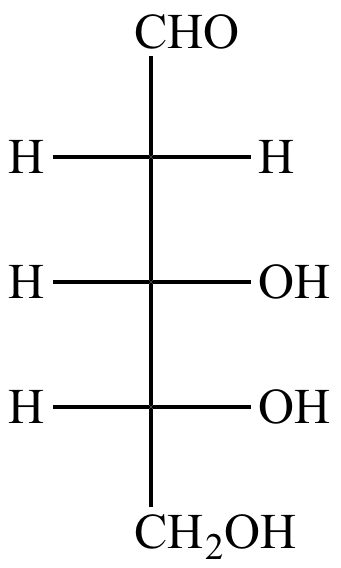
ribose
How many ATP from glucose?
Glycolysis only: 2 glycolysis, electron transport chain, and krebs: 34-36
Things that can leave TCA cycle at any time:
Glutamate fatty acids purines heme pyrimidines
glucose calorie content
386 (kcal/mol)/ 180 (g/mole) = 3.8 kcal/g
Palmitate (fat) calorie count.
9 kcal/g
Respiratory exchange Quotient (ratio)
Ratio between the amount of CO2 produced from metabolism and the amount of O2 used. *diet of pure carbs (glucose)- 6/6 = 1.0 Every O2 in = 1 CO2 out *diet of pure protein (palmitate) 16/23 = 0.7 every O2 in = 0.7 CO2 out
mRNA
messenger RNA Brings the info from the DNA to the ribosome. It is the long chain that forms after the DNA splits. Ends with AAAA chain.