19 - CARBOHYDRATES
No description yet. This curated deck is ready for daily study.
Card preview (24)
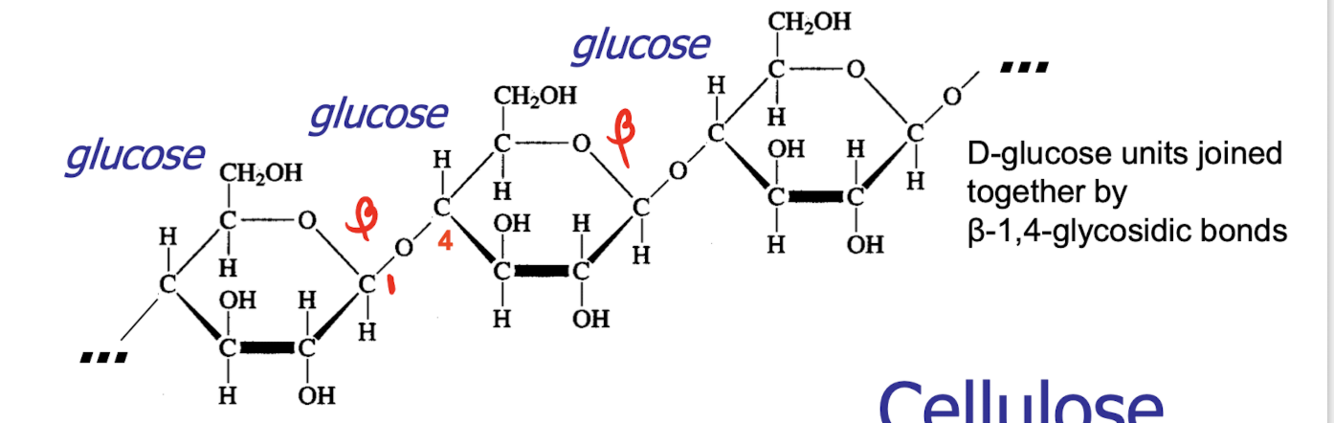
what is the structure of cellulose
what is starch made of
10-30% amylose 70-90% amylopectin both have alpha glycosidic bonds starch is digested by amylase (enzyme from saliva)
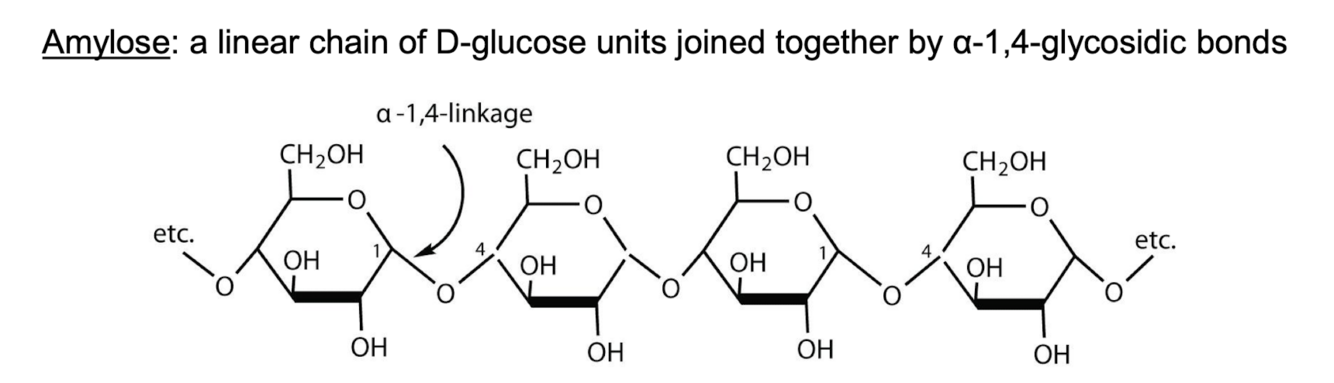
what is amylose made of
because of H bonding amylose has a spiral structure that has 6 units per turn
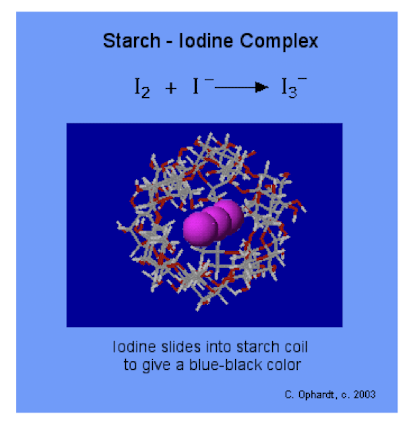
what is the test to detect starch
when starch is mixed with iodine in water starch/iodine complex forms that has a very intense color
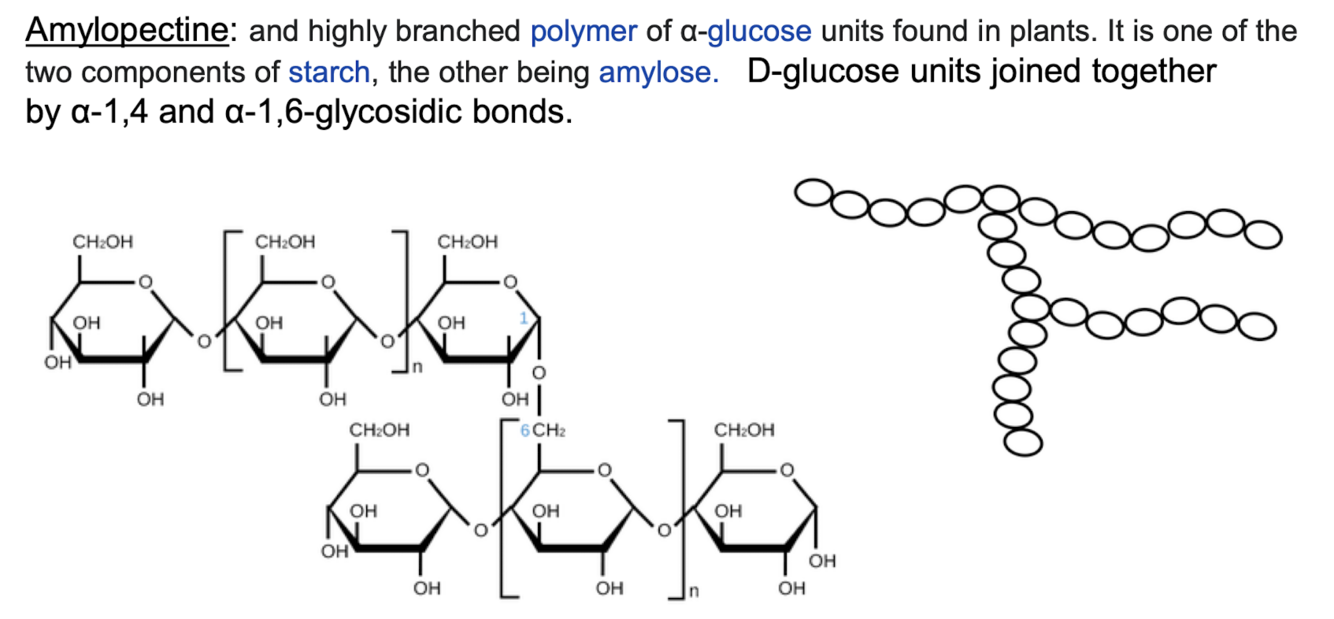
structure of amylopectin
digestion of cellulose
humans do not have enzymes that can hydrolyse the beta glycosidic bonds of cellulose cows horses sheep goats and termites have symbiotic bacteria that possess the necessary enzymes to digest cellulose in the GI tract
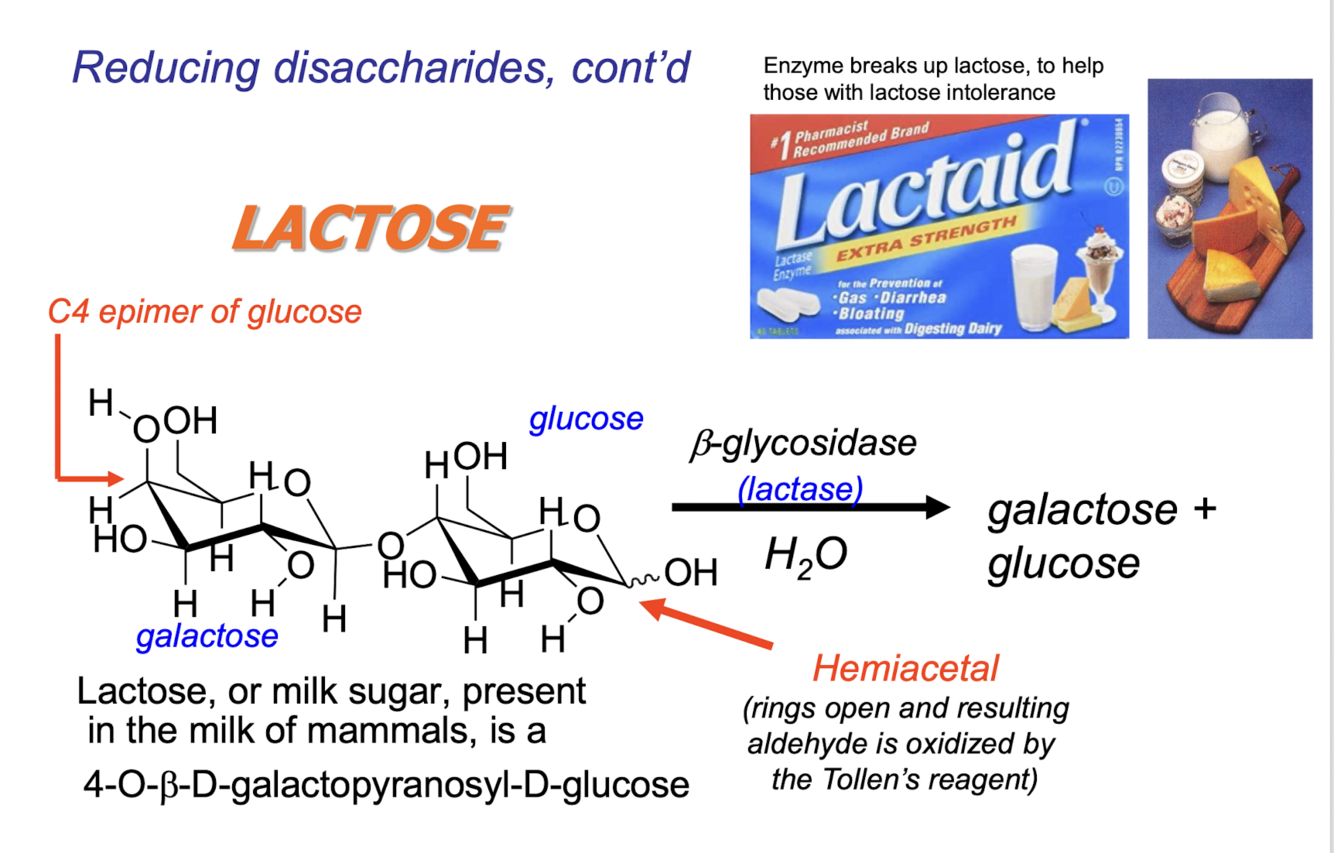
structure of lactose and how it is digested
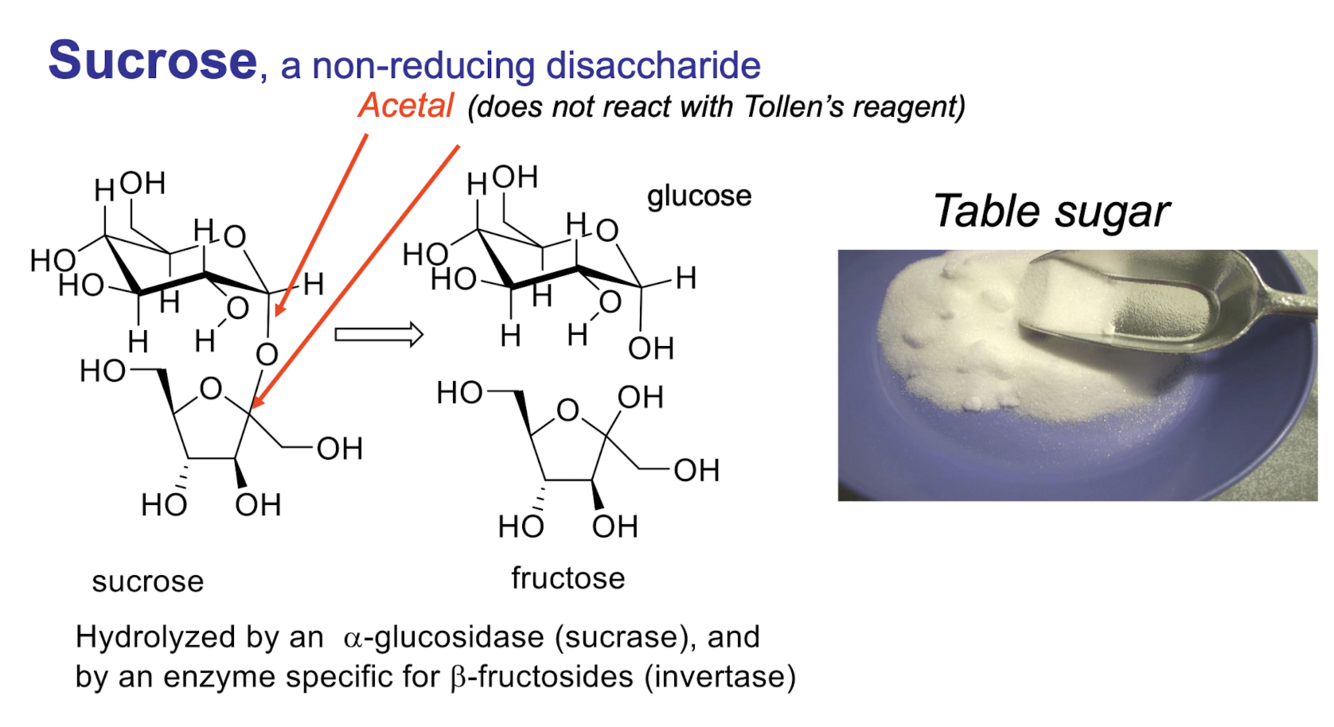
sucrose structure and how is it digested
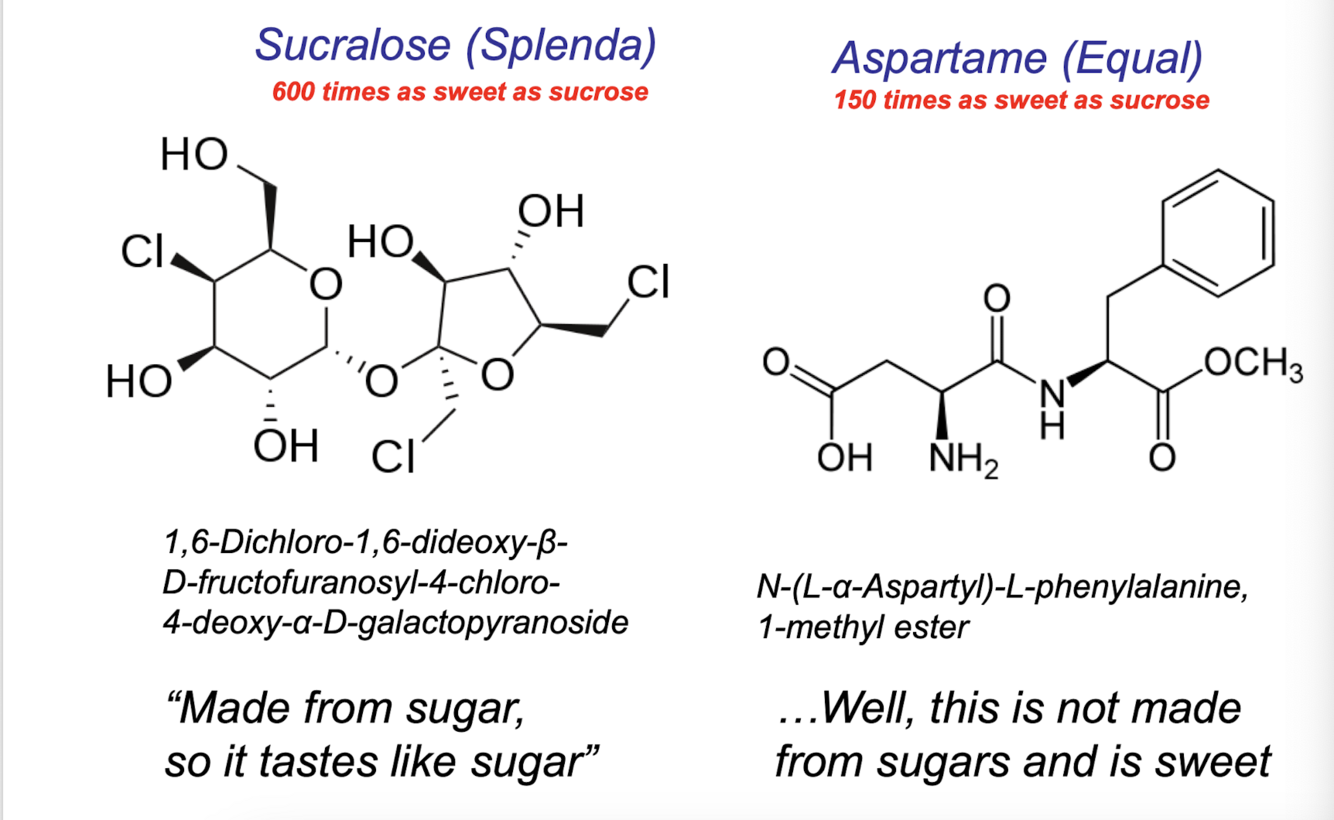
two artificial sweeteners
invertase reaction
sucrose into glucose + fructose called invertase because it inverts the sign of optical rotation the composition of honey is similar sucrose can also be broken down by acid hydrolysis (citric/absorbic acid)
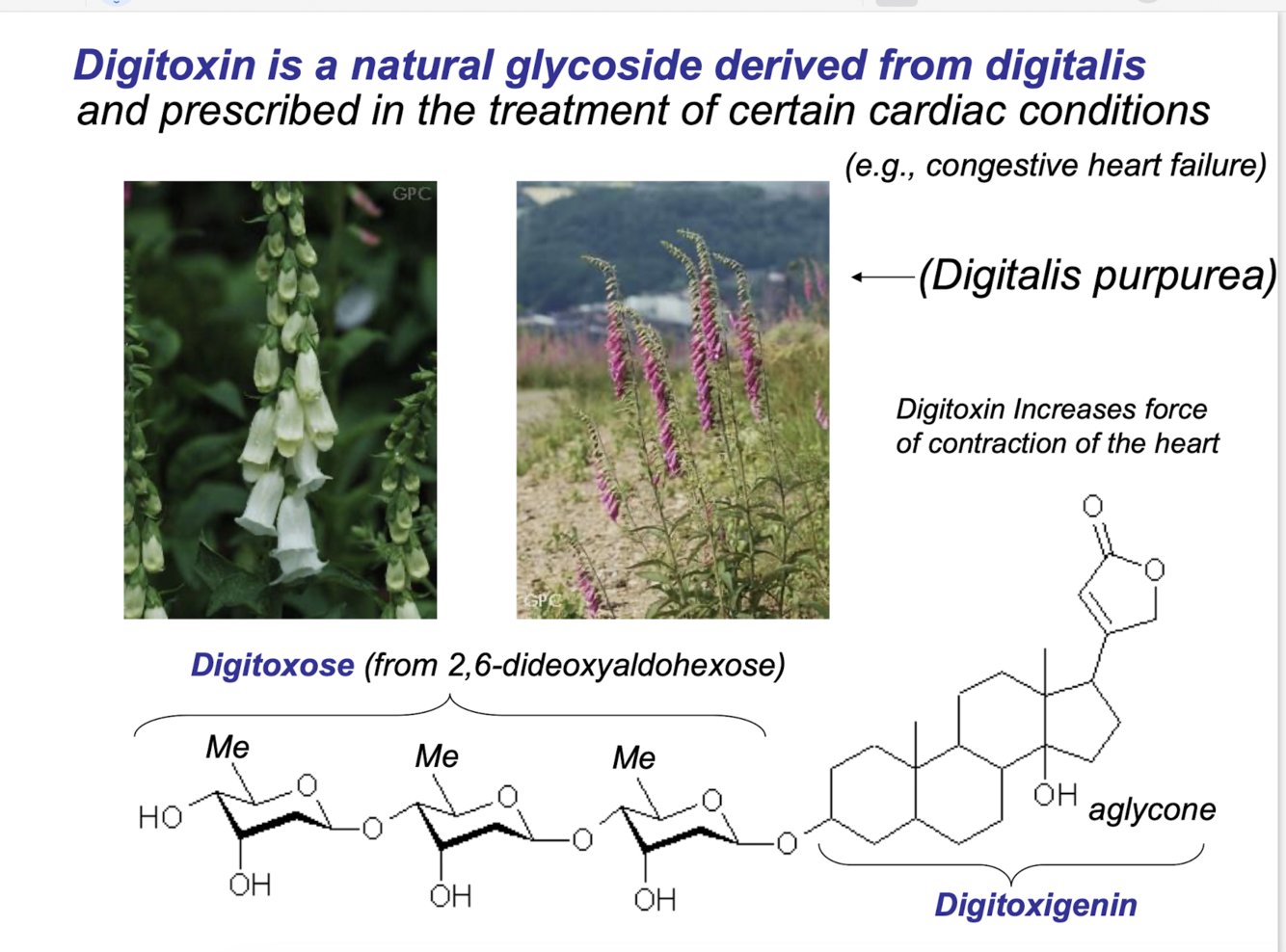
where does digitoxin come from, structure and what is it used for?
materials for chemical synthesis of oligosaccharides
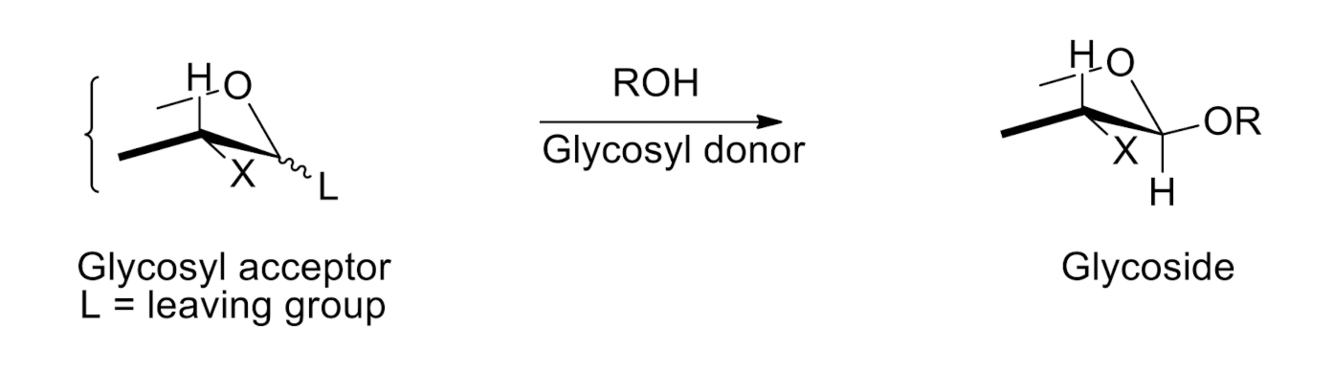
what does the stereochemistry of the anomeric center depend on
difficult to control depends on nature of X on C2 leaving group of glycosyl acceptor and other factors
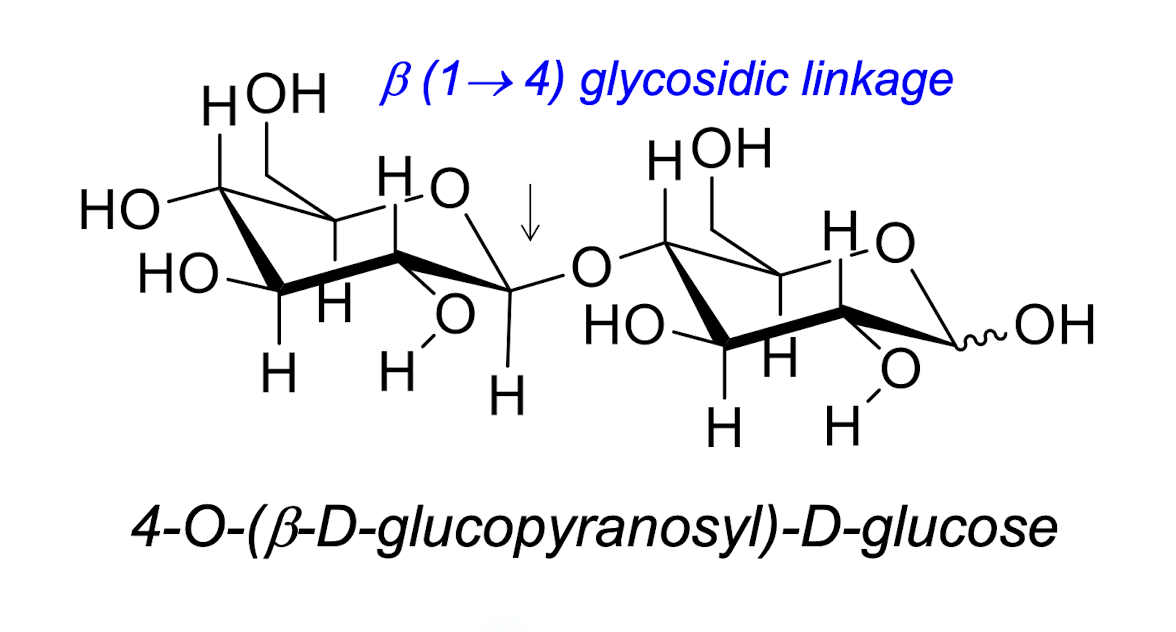
structure of cellobiose
what are the starting materials for the synthesis of cellobiose
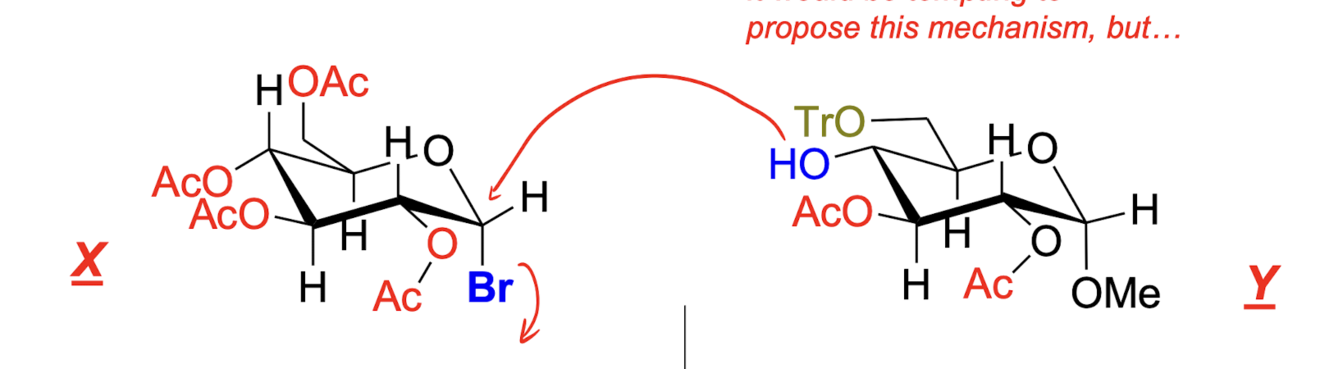
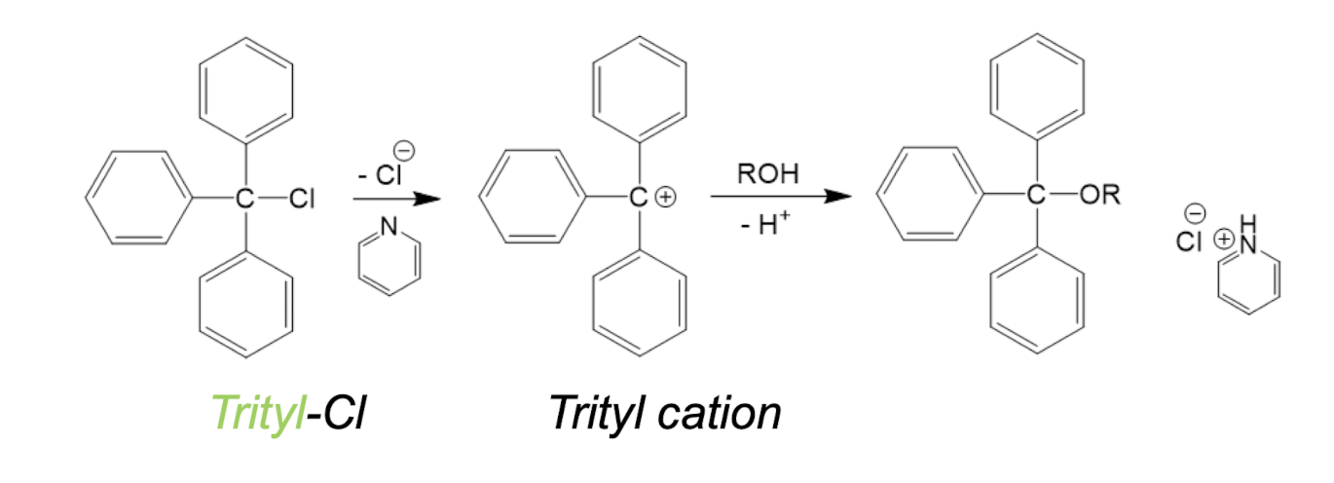
why and how must the OH groups be protected
protecting the sugar OH groups prevents unwanted reactions controls the position of the glycosydic bond Tr=trityl Ac=acetyl
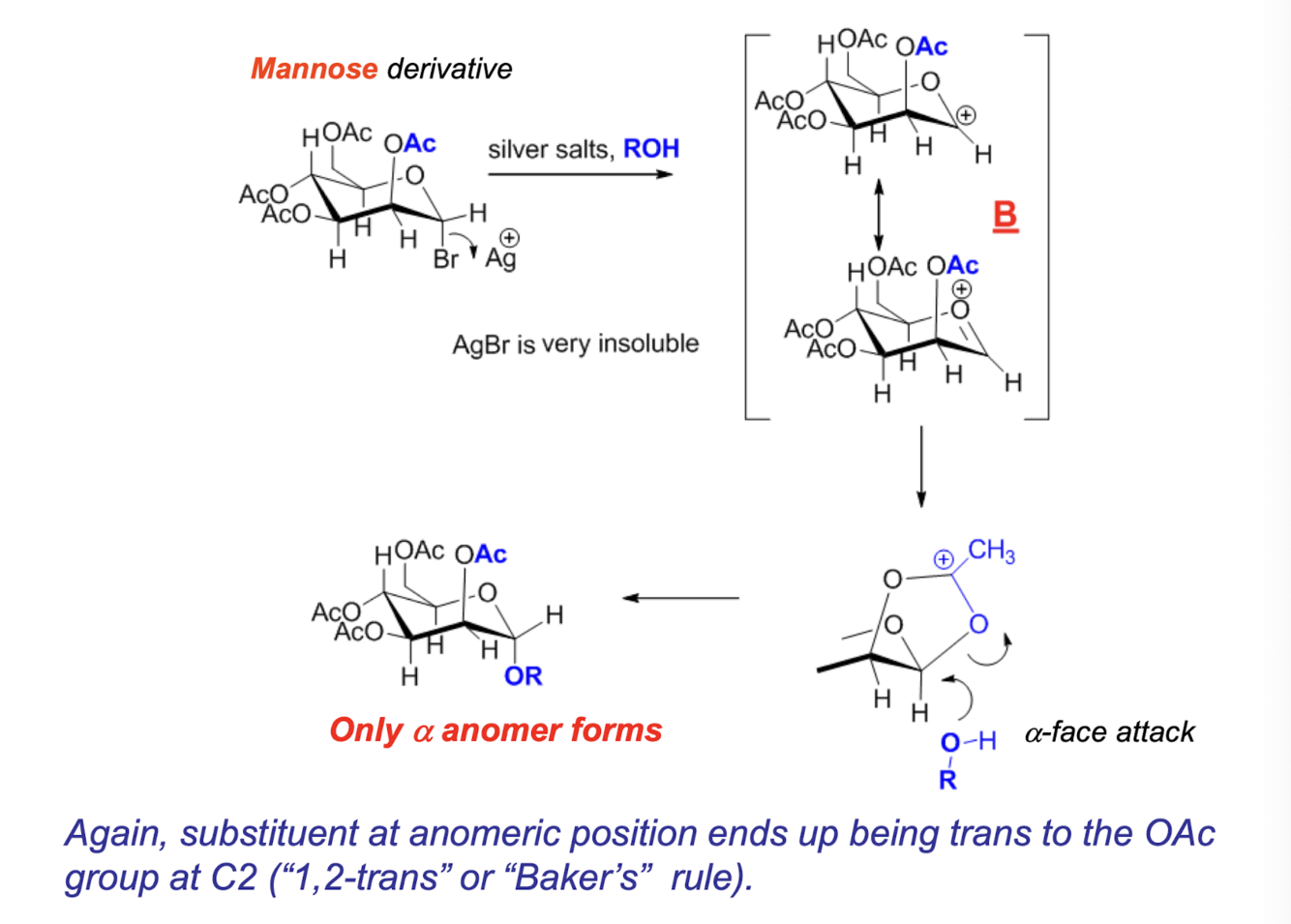
keonigs knorr synthesis of cellobiose
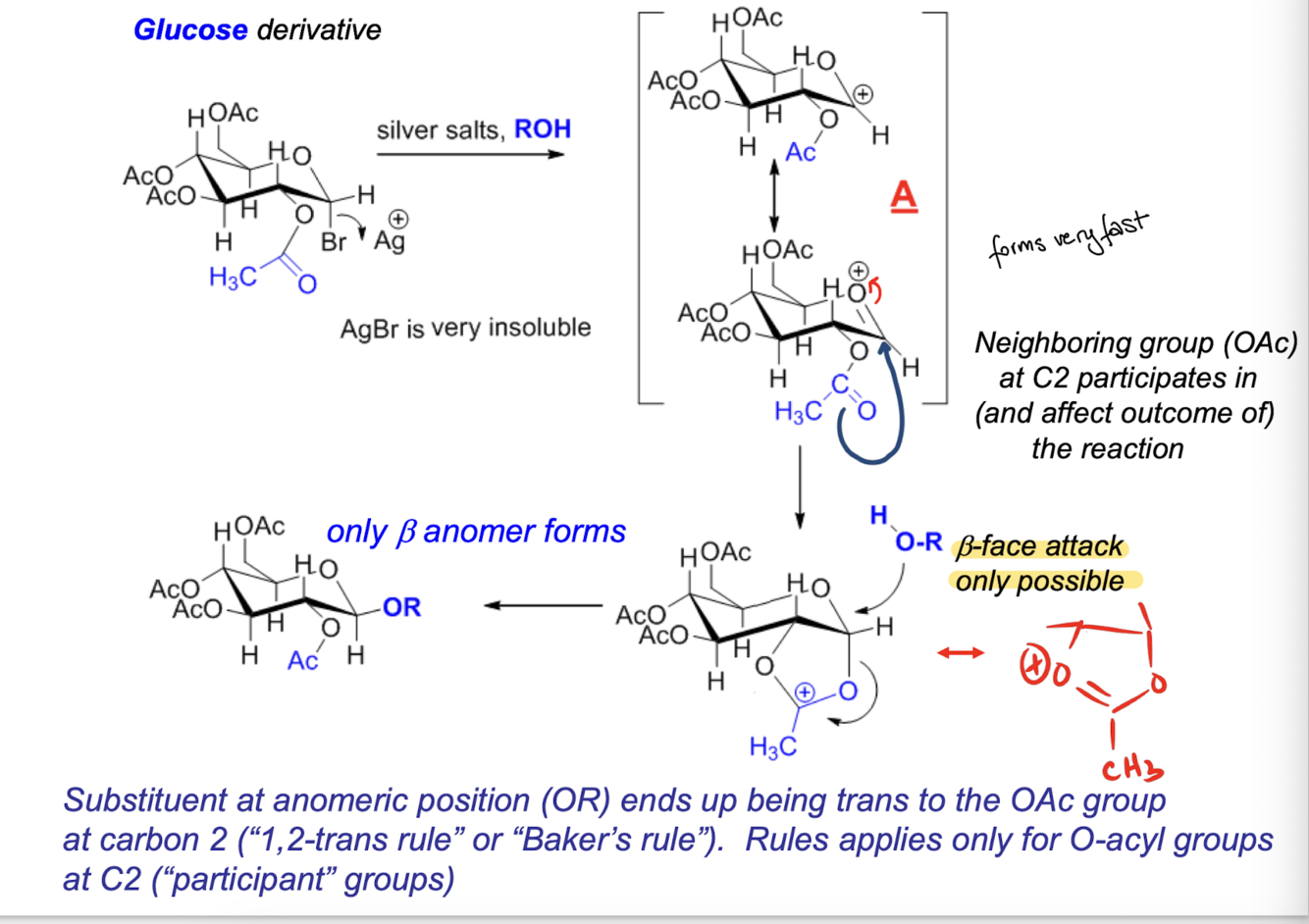
how would you only form the alpha anomer with the koenigs knorr synthesis
how is the starting material X synthesized?
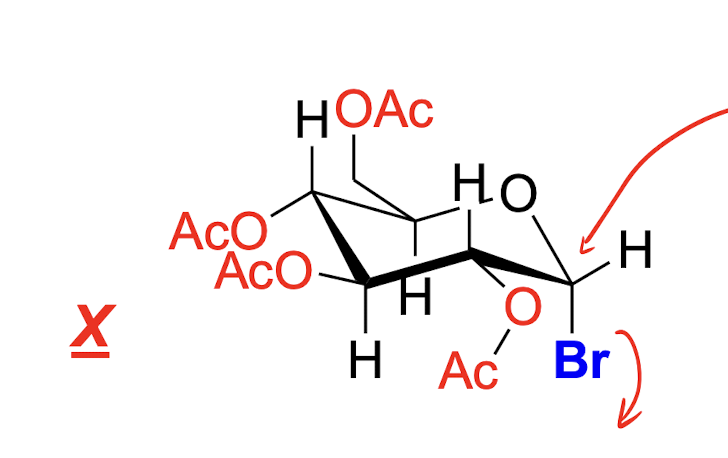
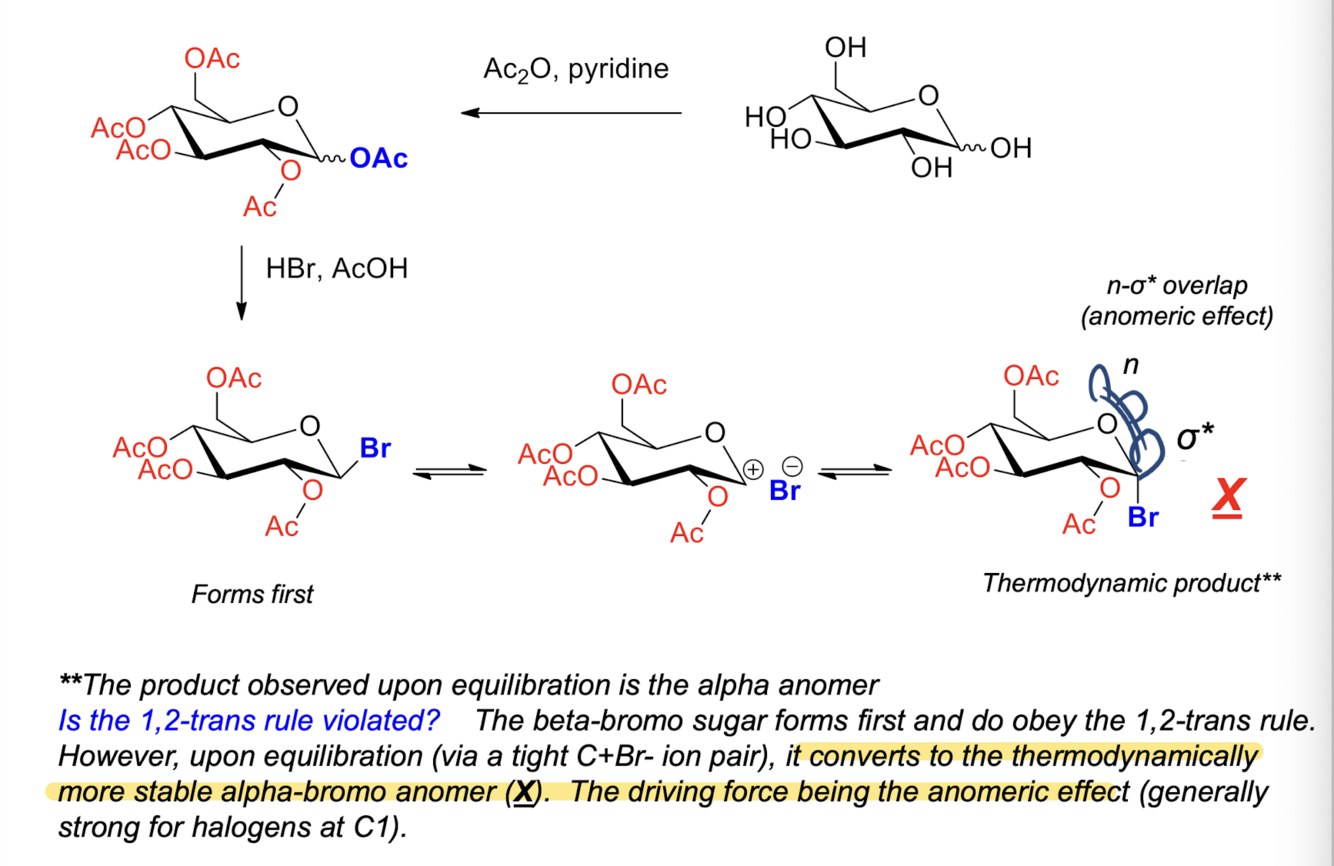
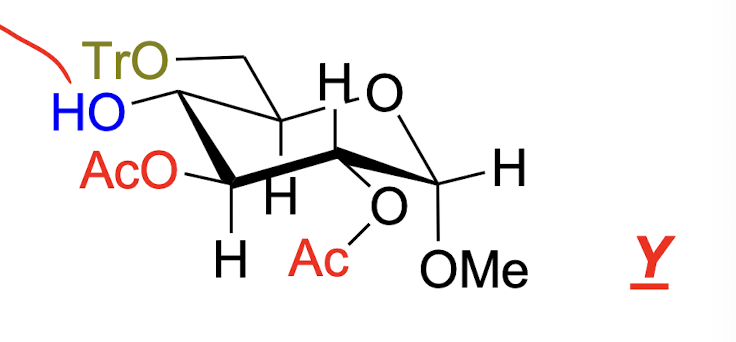
how is the starting material Y prepared?
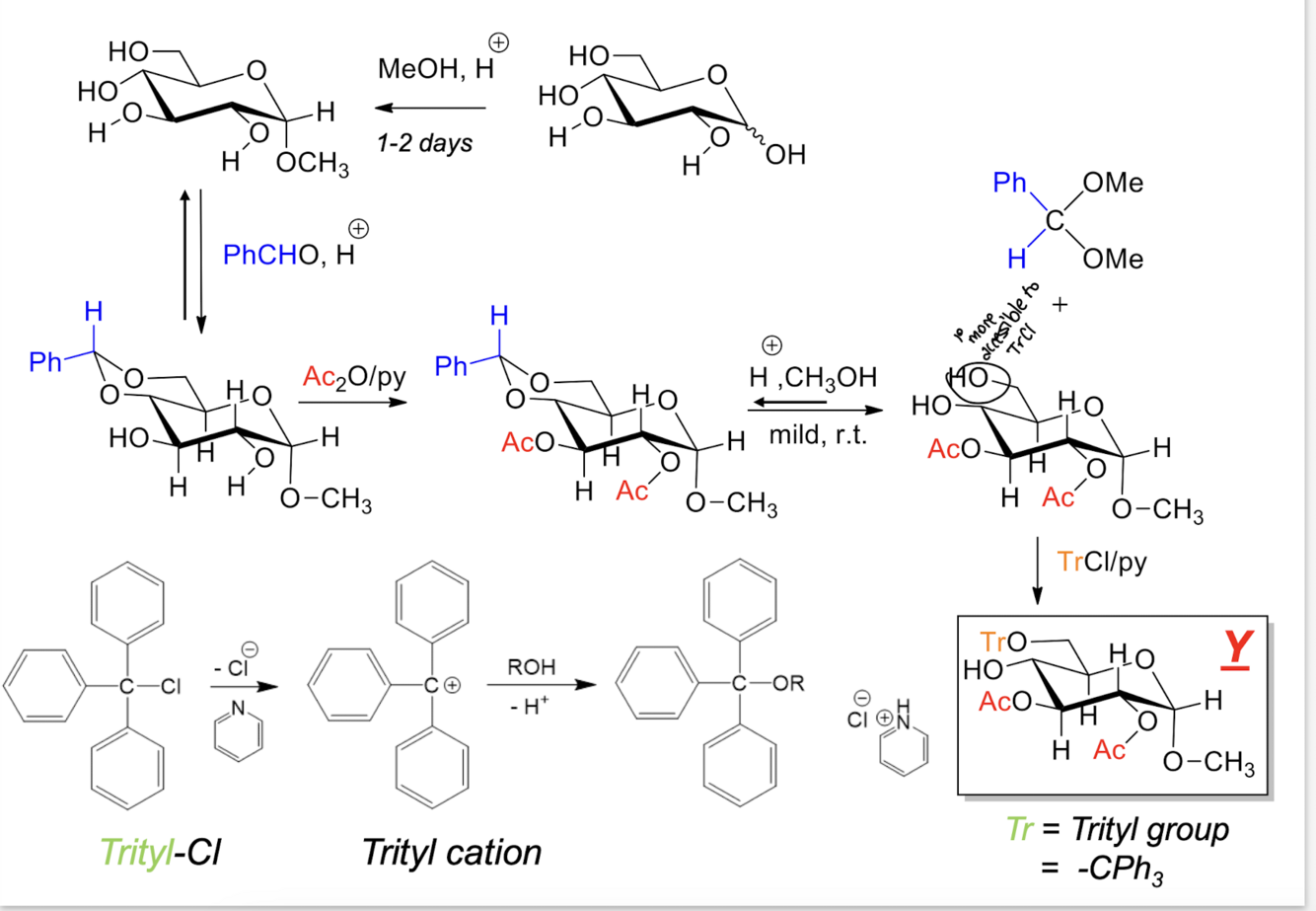
what are the deprotection steps that need to happen to make cellobiose?
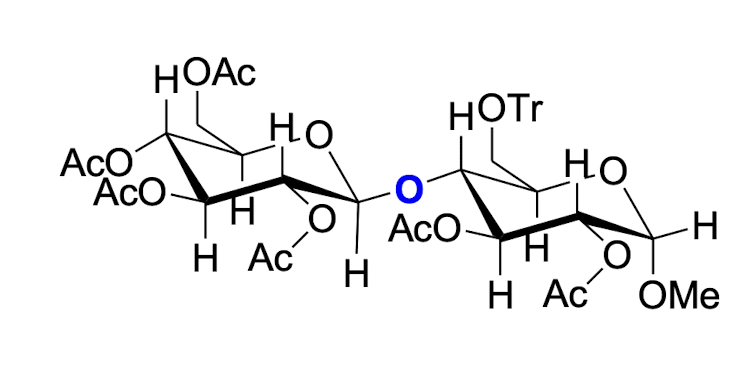
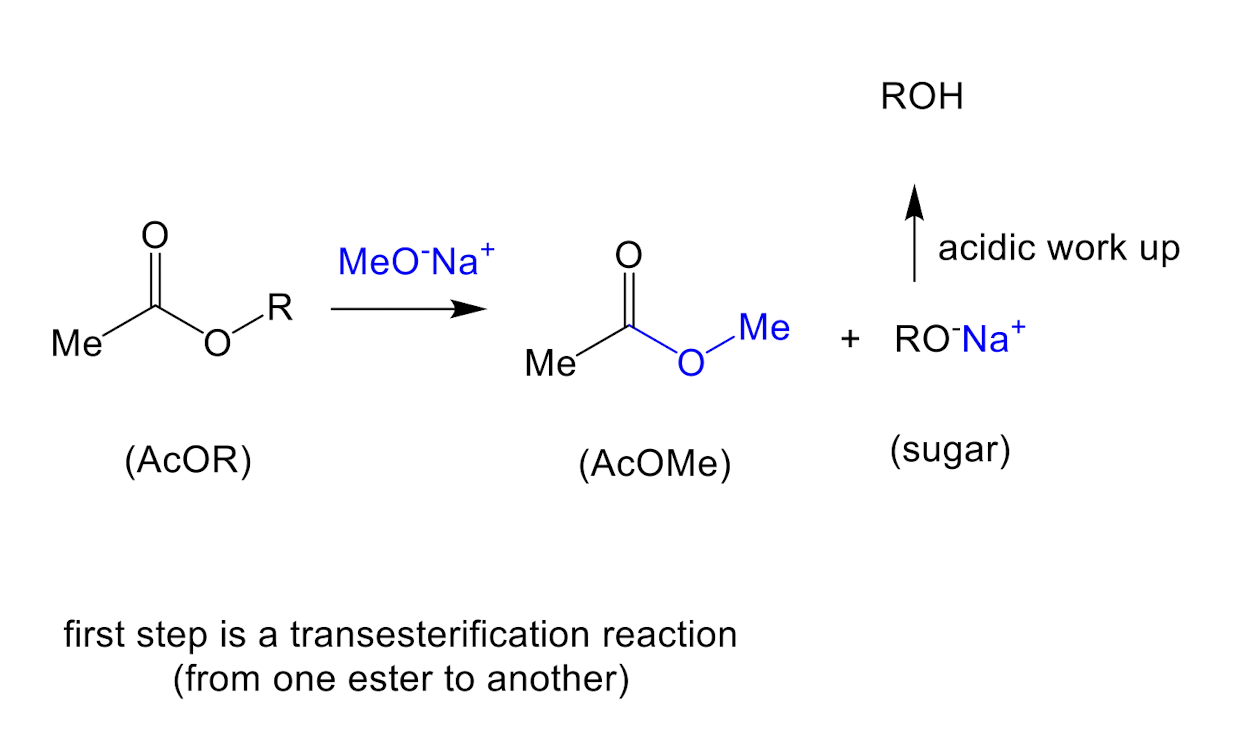
• NaOMe/MeOH which removes the Ac groups • AcOH, heat which removes the trityl group • alpha glycosidase enzyme (hydrolyses glycosidic bond)
removal of acetyl groups
how is the trityl group put on?
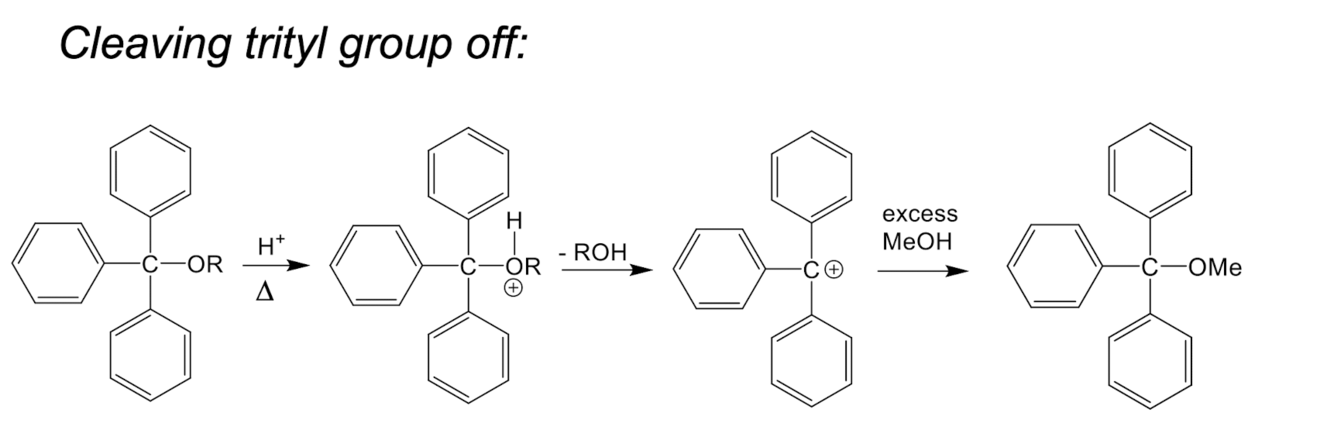
removal of trityl group