Polymers
No description yet. This curated deck is ready for daily study.
Card preview (20)
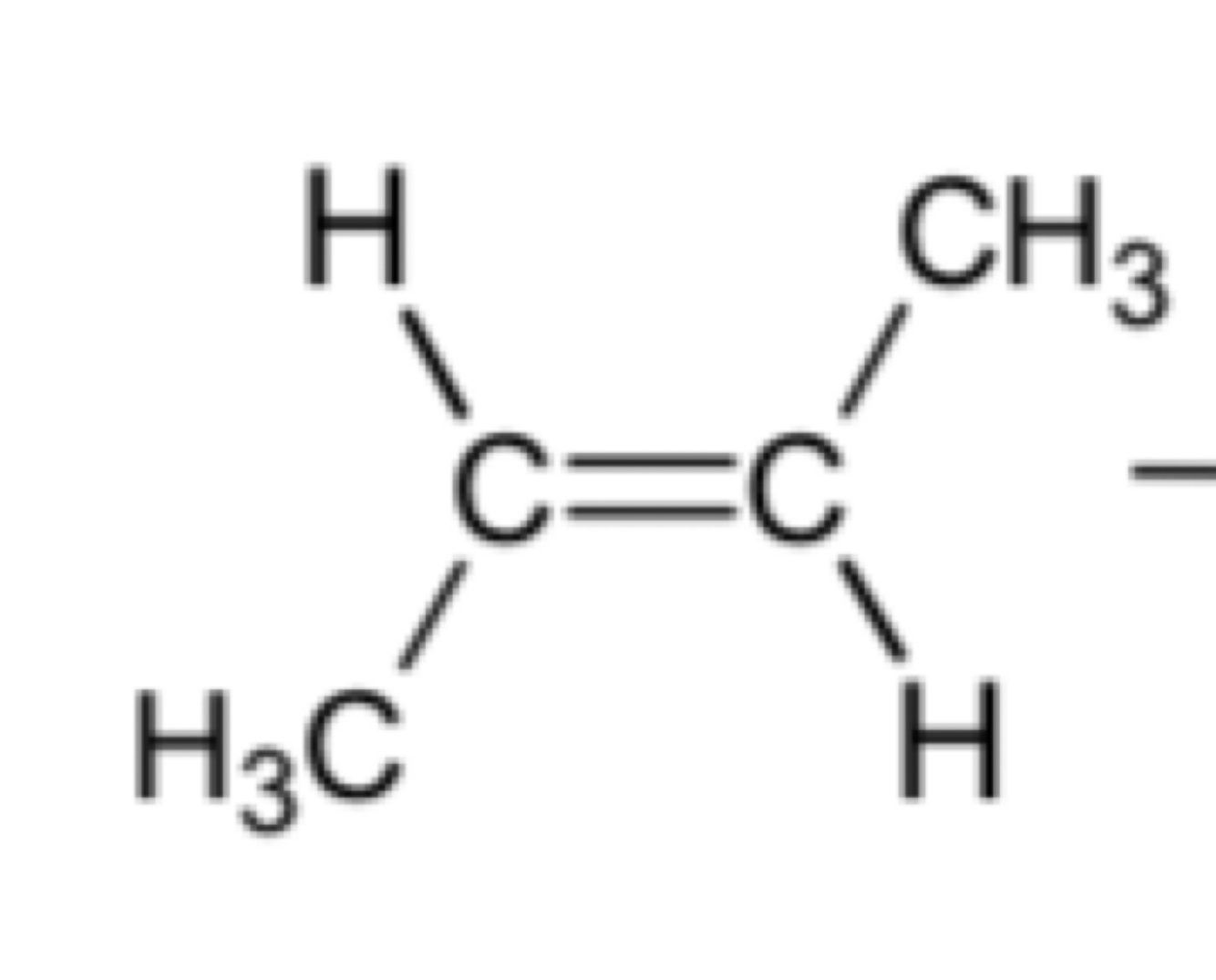
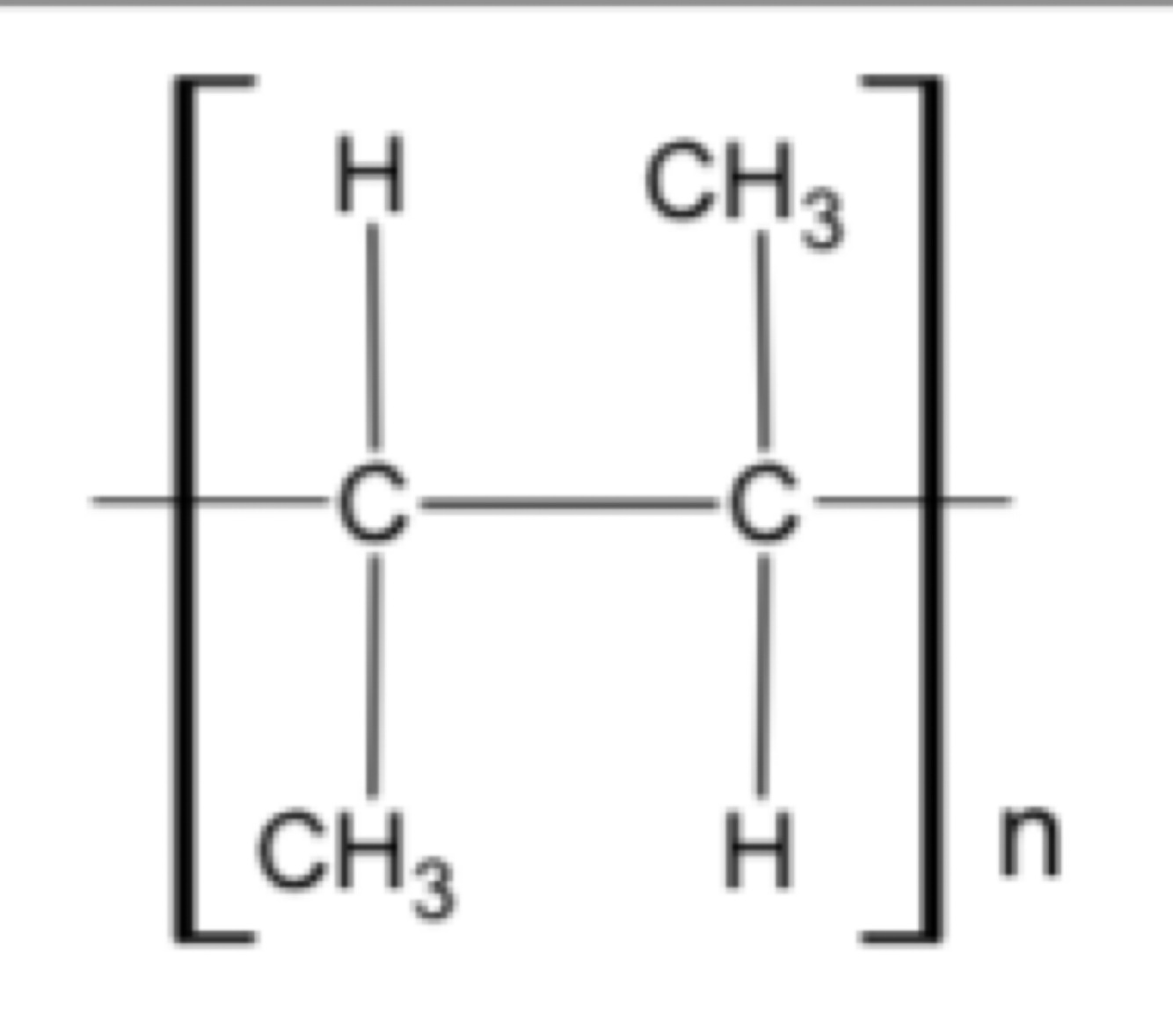
• What is an addition polymer?
• An addition polymer forms when unsaturated monomers react to form a polymer
• Why are poly (alkenes) chemically inert?
• Due to the strong C-C and C-H bonds and non polar nature of the bonds • Therefore are non biodegradable
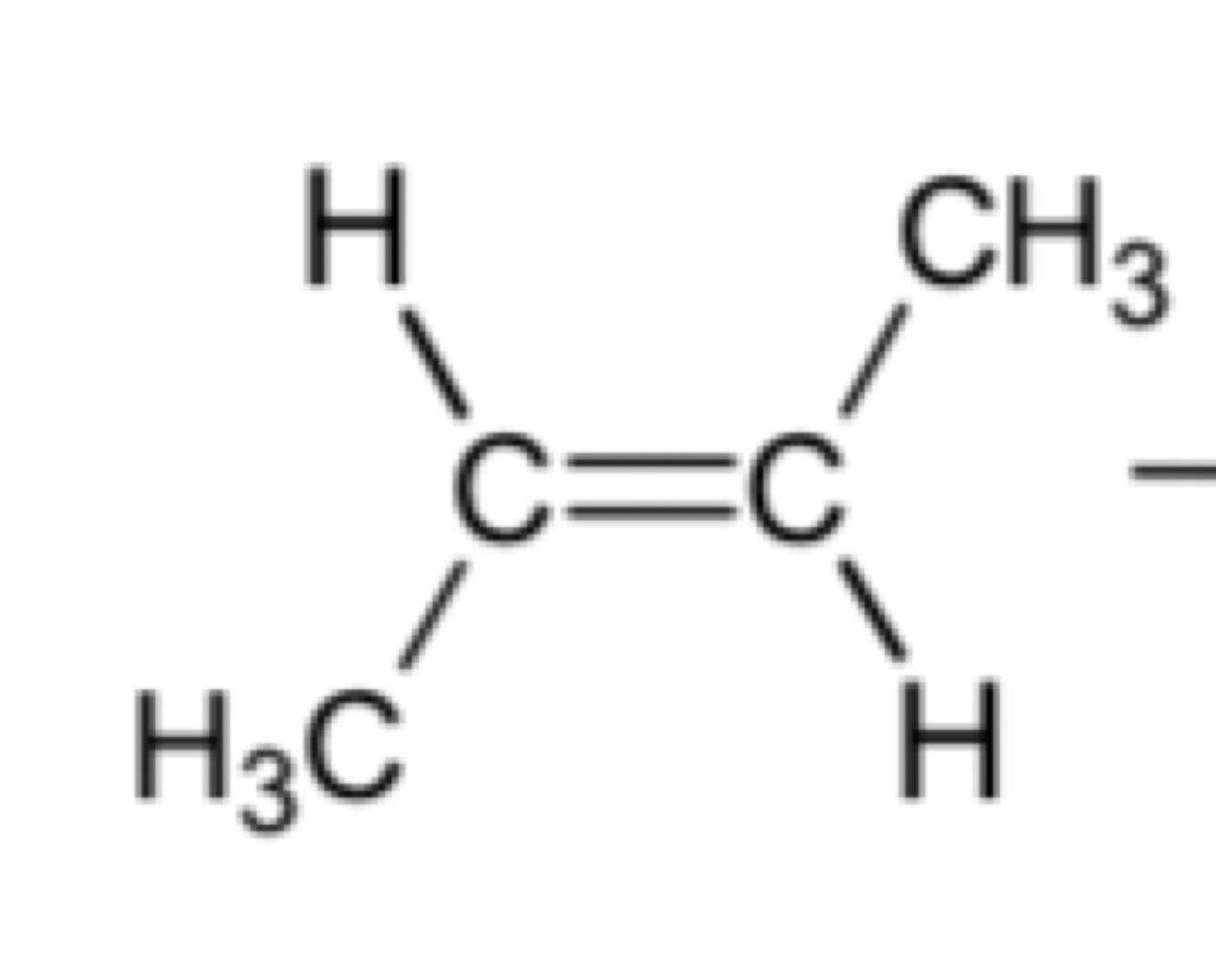
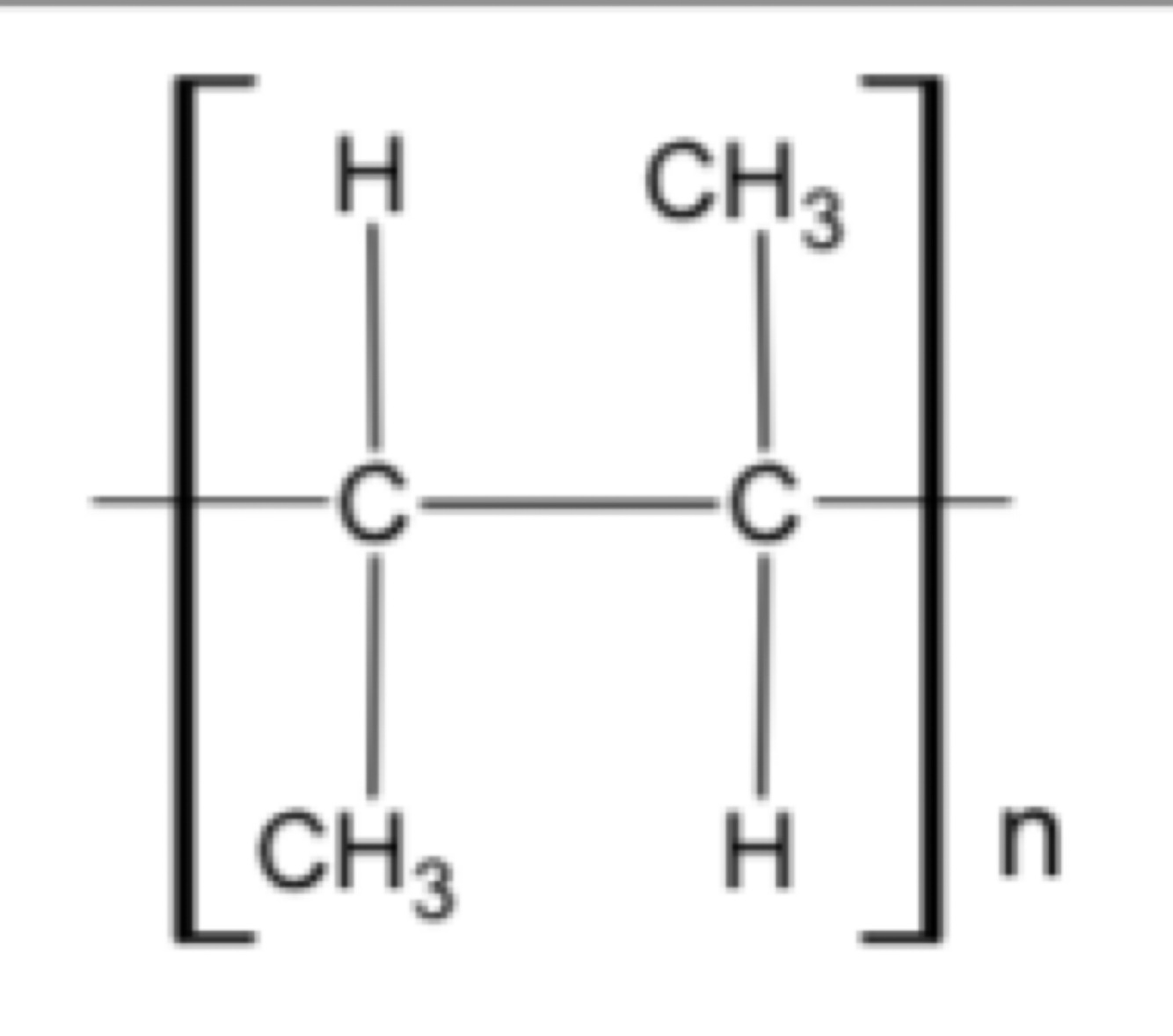
• Draw the repeating unit
• What are condensation polymers?
• There are two different monomers that add together and a small molecule is usually given off as a side product eg H2O or HCl
• What are the most common types of condensation polymers?
• Polyesters • Polyamides
• Which reactions from polyesters?
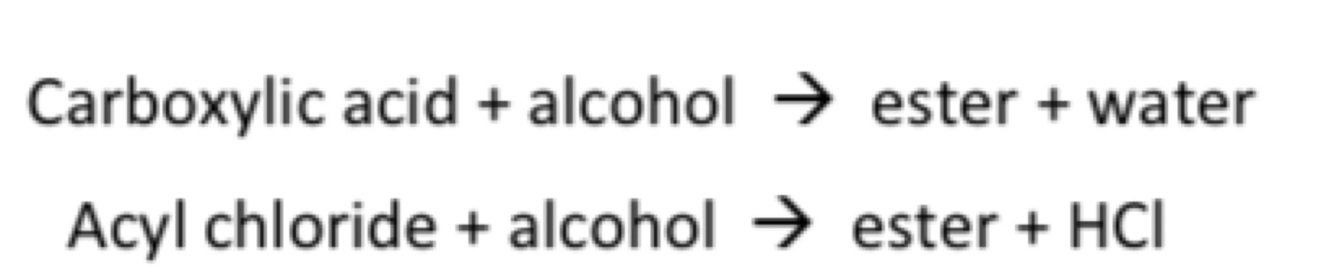
• Which reactions form polyamides?
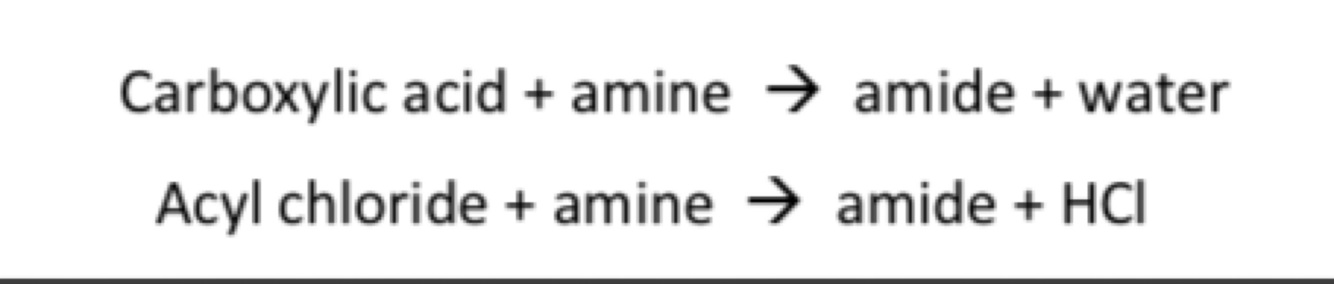
• How to form polyesters?

• How to form polyamides?

• Draw the repeating unit
• Limitation of using carboxylic acid to make ester or amide?
• Would need an acid catalyst • Would only give an equilibrium mixture
• Why is better to use acyl chloride to make the ester or amide?
• The more reactive acyl chloride goes to completion • Does not need a catalyst but does produce hazardous HCl fumes
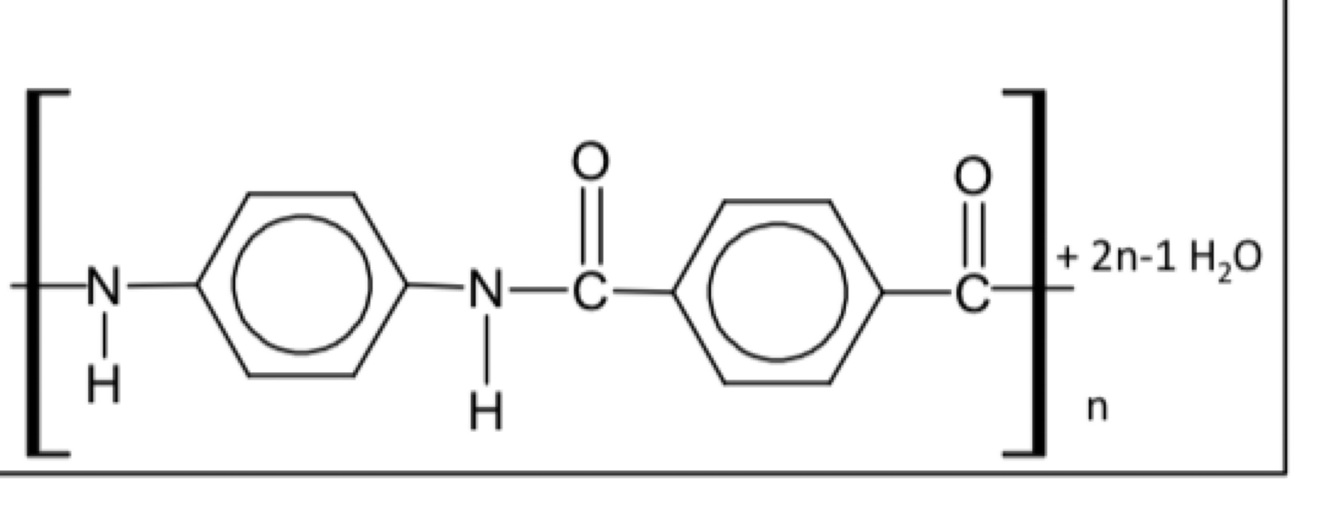
• What is Kevlar and what is it made from?
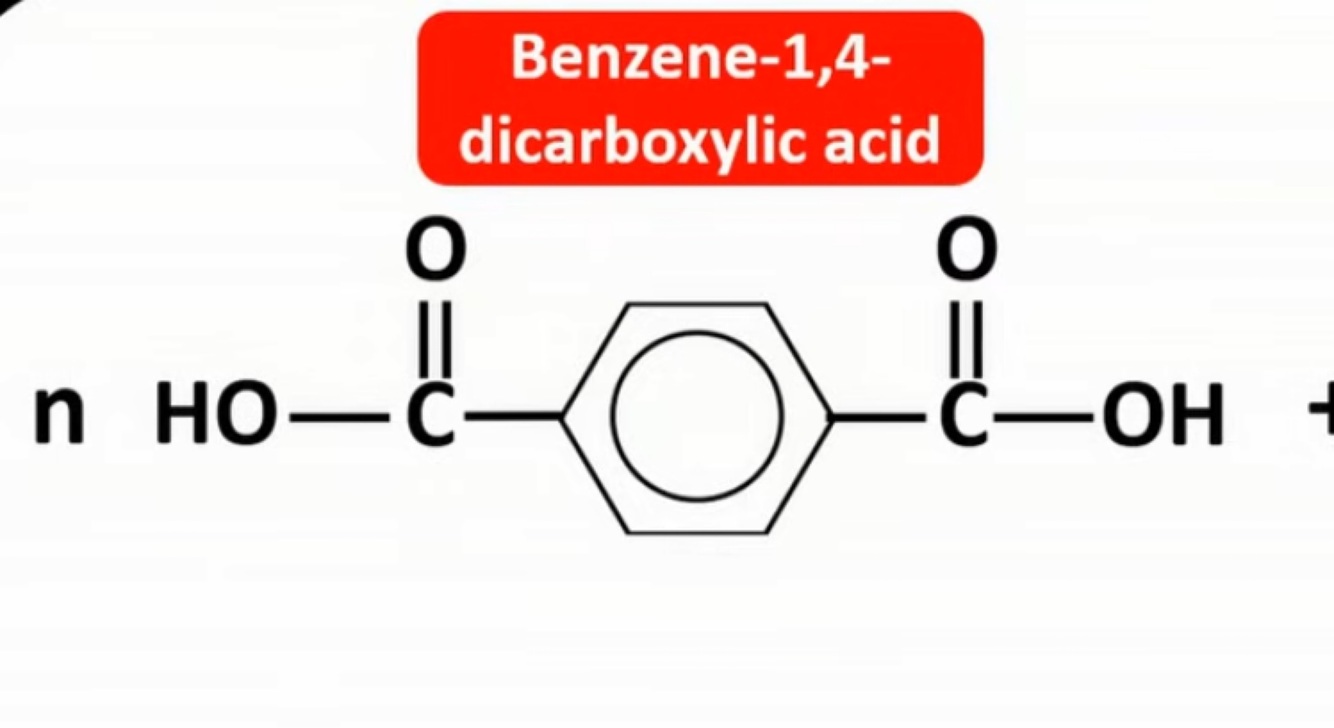
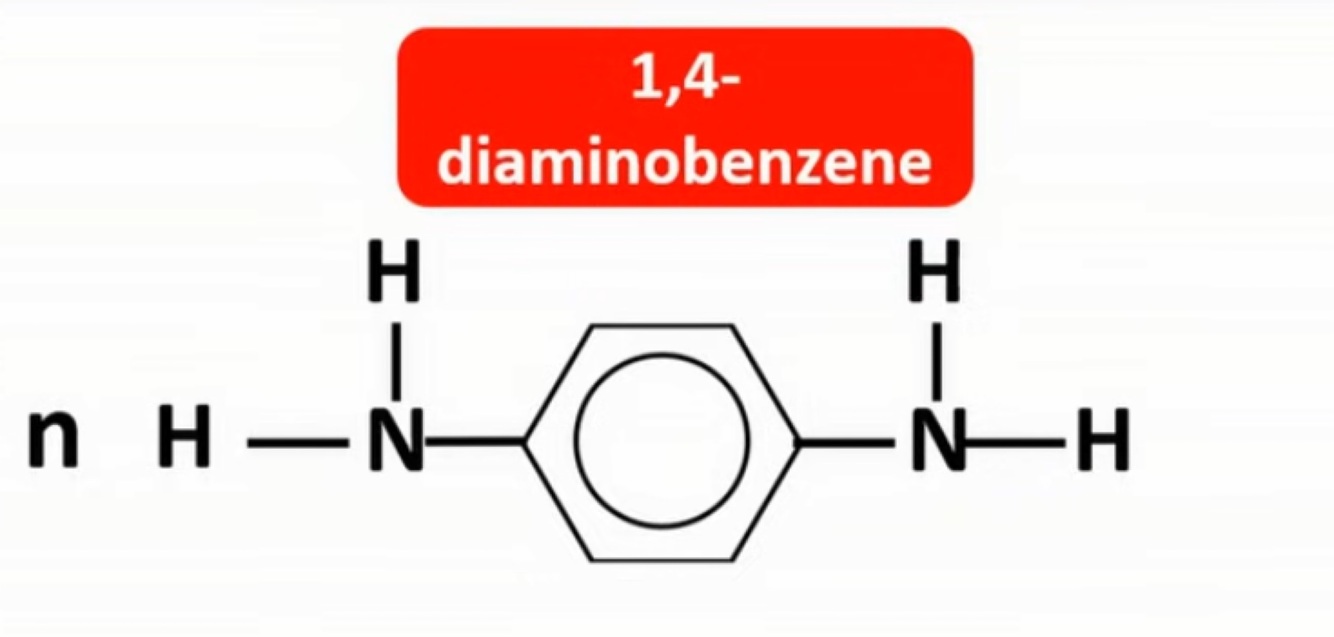
• Polyamide • Made from benzene-1,4-dicarboxylic acid and 1,4-diaminobenzene
• Draw benzene-1,4-dicarboyxlic acid
• Draw 1,4-diaminobenzene
• Draw Kevlar
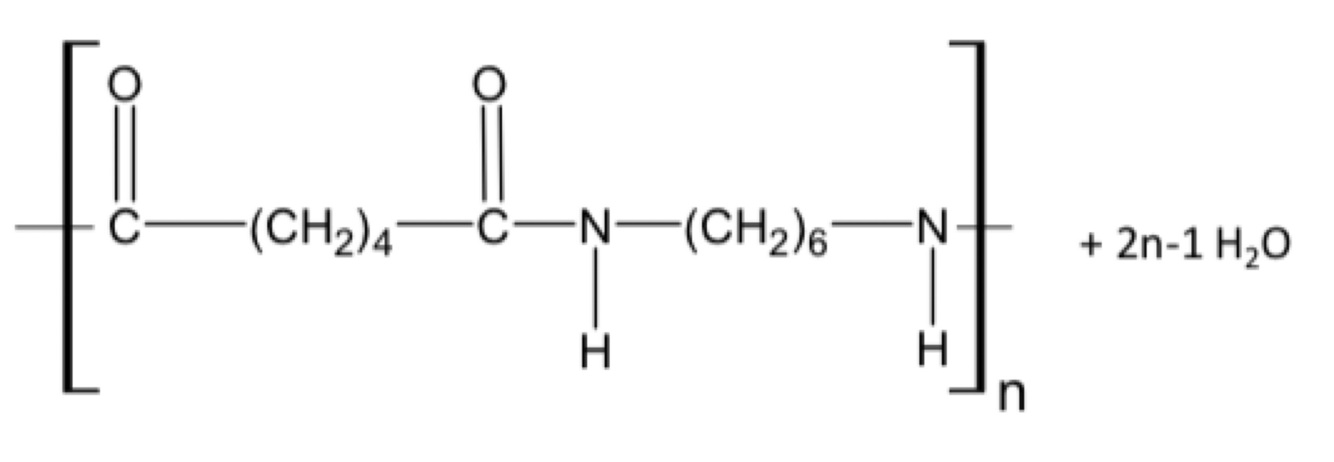
• What is Nylon 6,6 and what is it made from?
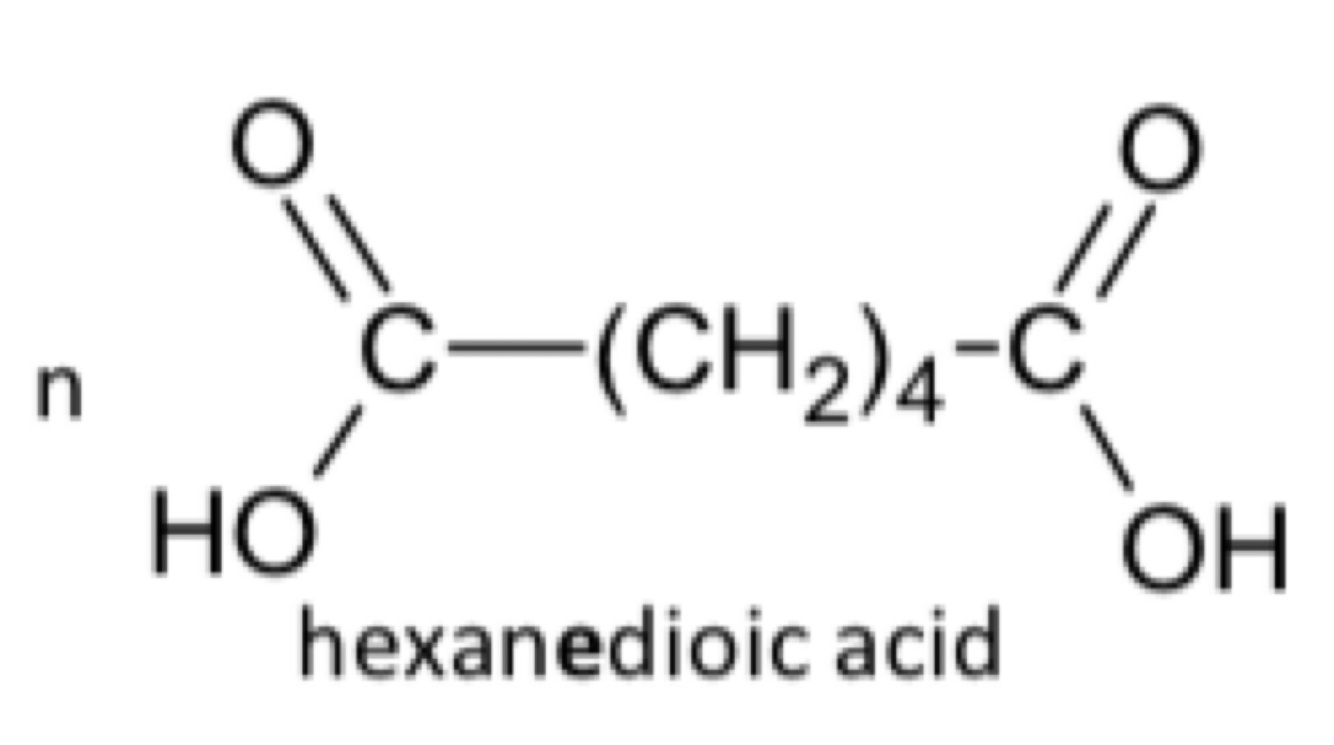
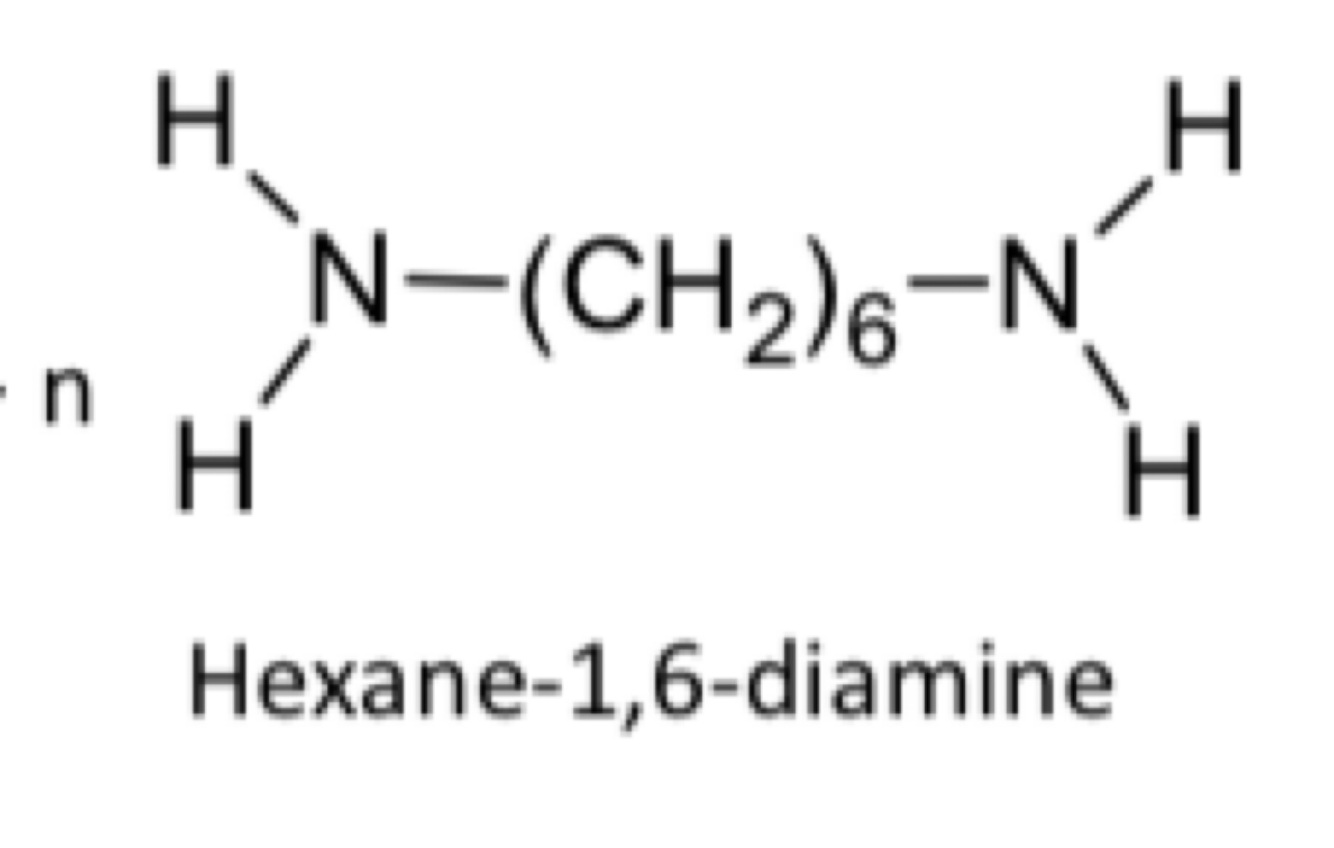
• Polyamide • Made from hexanedioic acid and hexane-1,6-diamine
• Draw hexanedioic acid
• Draw hexane-1,6-diamine
• Draw Nylon 6,6