Unit 3-Chemical Analysis
No description yet. This curated deck is ready for daily study.
Card preview (24)
What is a conical flask used for?
Mixing solutions and carrying out titrations.
What is a pipette with safety filler used for?
Accurately measuring and transferring fixed volumes of solution.
What is a measuring cylinder used for?
Measuring volumes of liquids.
What are test tubes and boiling tubes used for?
Carrying out small‑scale reactions.
What is a beaker used for?
Holding, mixing, or heating chemicals.
What is a delivery tube used for?
Transferring gases from a reaction to a collection method.
What is a dropper used for?
Adding small amounts of liquid.
What is a funnel used for?
Pouring liquids or supporting filter paper.
What is a burette used for?
Accurately delivering variable volumes in titrations.
What is filter paper used for?
Separating insoluble solids from liquids by filtration.
What is an evaporating basin used for?
Heating of solution to remove solvent and leave solid residue
What is a thermometer used for?
Measuring temperature during experiments.
What is simple filtration used for?
Separating an insoluble solid (residue) from a liquid (filtrate).
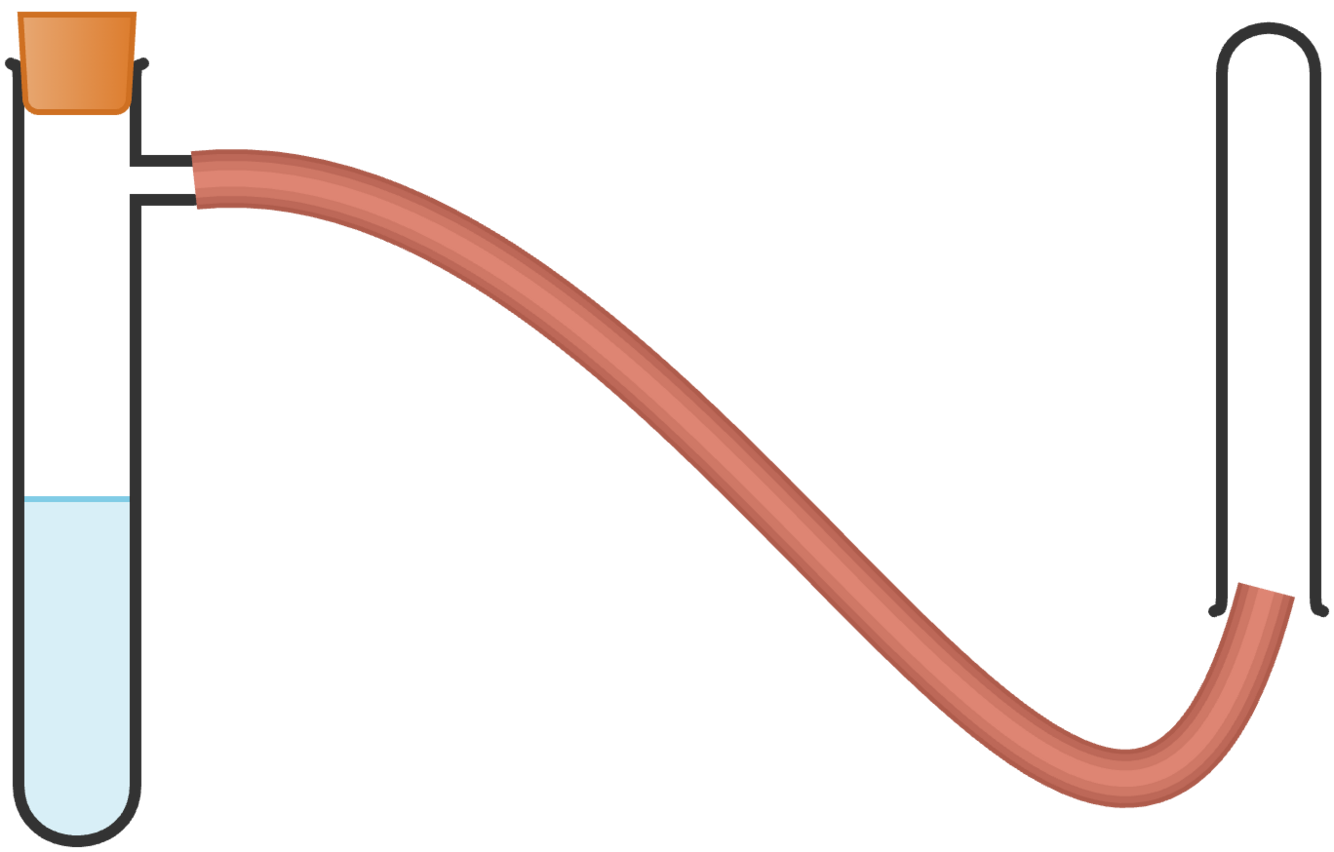
How is gas collected by upward displacement of air?
What is a balance used for?
Measuring mass of substances.
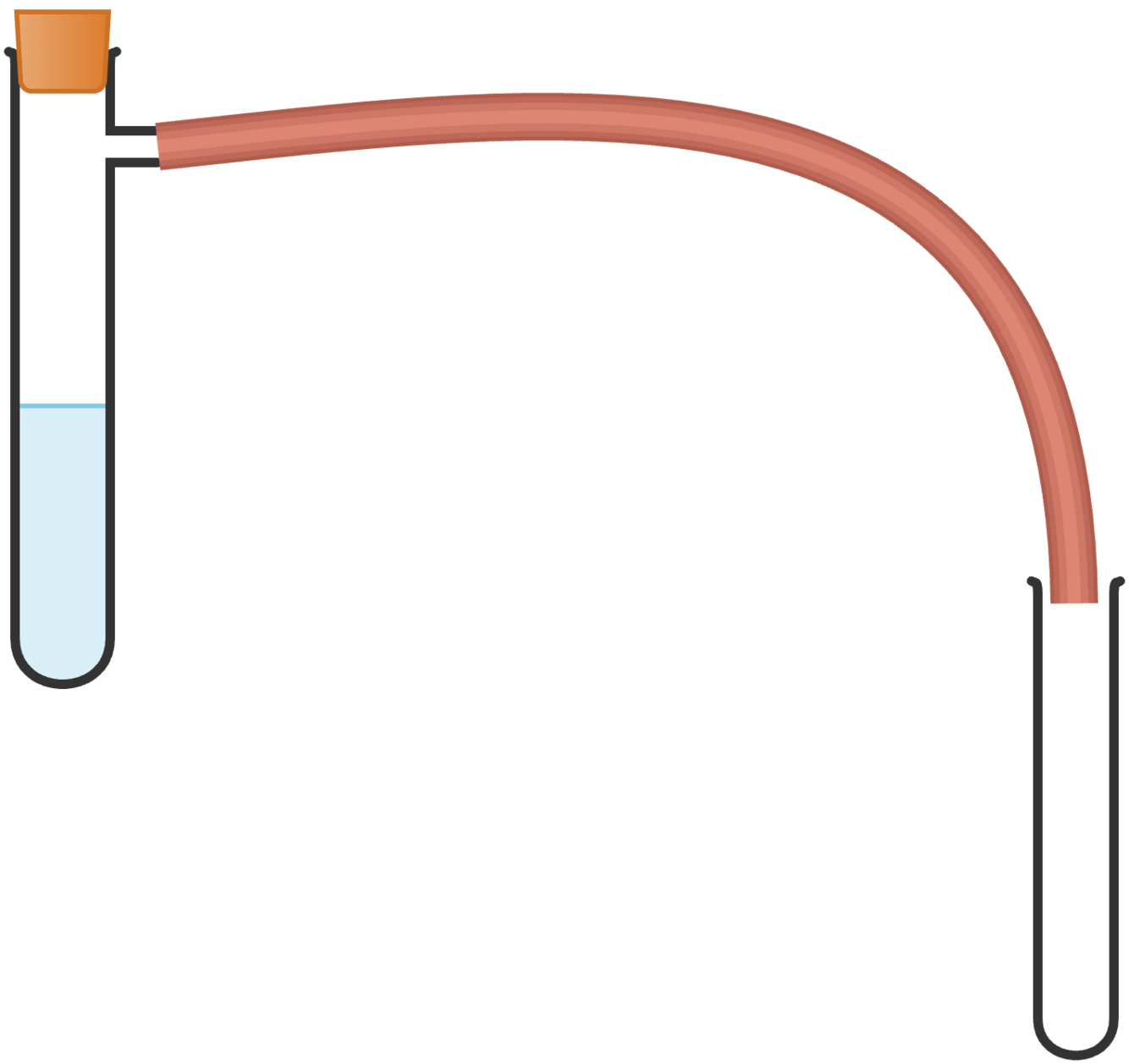
How is gas collected by downward displacement of air?
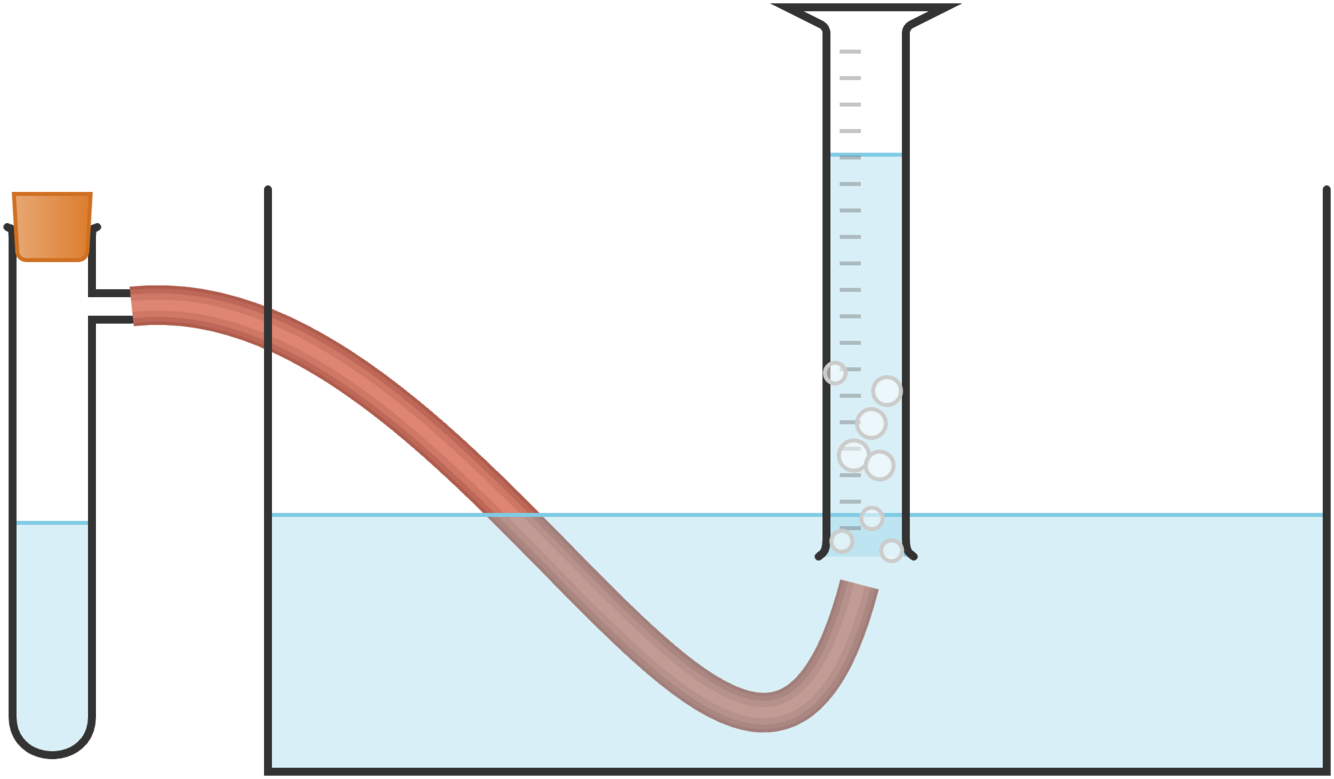
How are gases collected over water?
How are soluble salts prepared?
React acid with metal/oxide/hydroxide/carbonate → filter → evaporate filtrate.
How are insoluble salts prepared?
By precipitation: mix two solutions to form an insoluble product.
What is the purpose of a roaring (blue) Bunsen flame?
Strong, clean heating.
What is needed for electrolysis of solutions?
A d.c. supply and suitable electrodes.
How is an electrochemical cell set up?
Two metals in an electrolyte linked by a salt bridge.
How is electrical conductivity tested?
Using a conductivity apparatus to check if a substance conducts when solid or in solution.
How does flame testing work?
Dip a clean wire in the sample and place it in a blue Bunsen flame; observe the colour.