Module 5 Physical Chemistry and Transition Elements - Exam Questions
No description yet. This curated deck is ready for daily study.
Card preview (24)
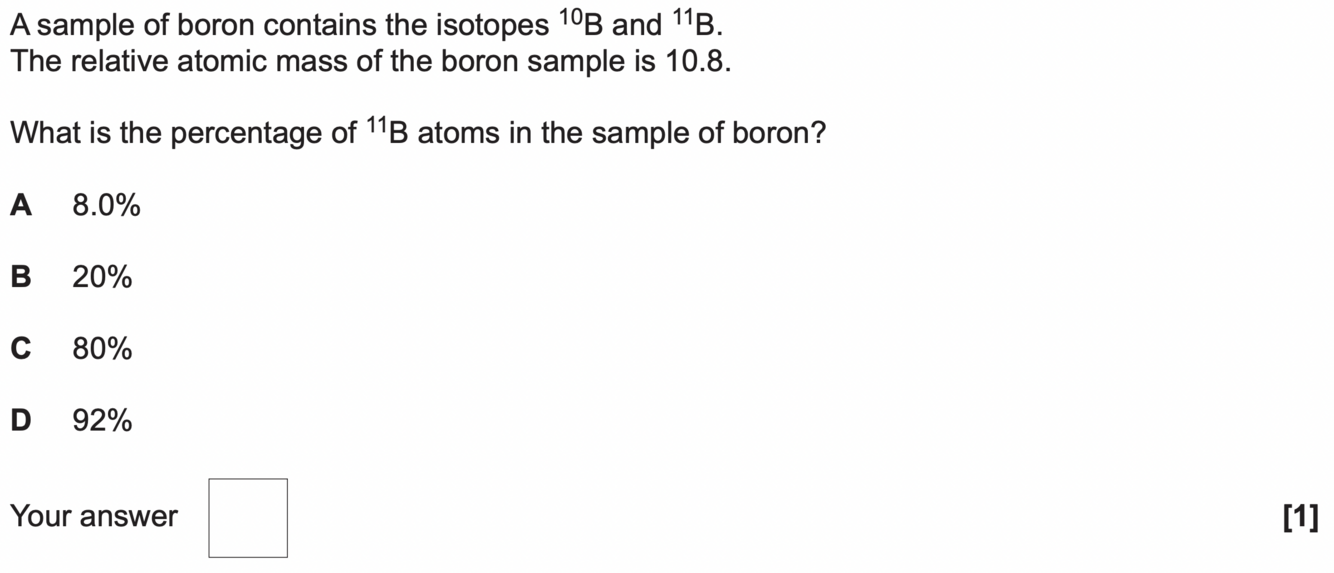
C (X and Y notation needed)
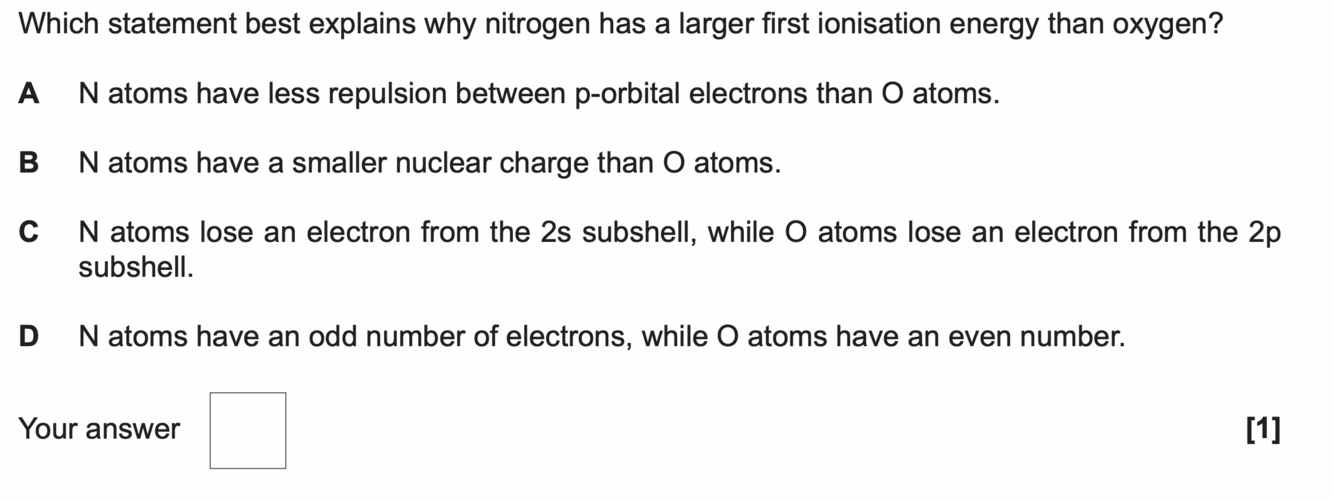
A
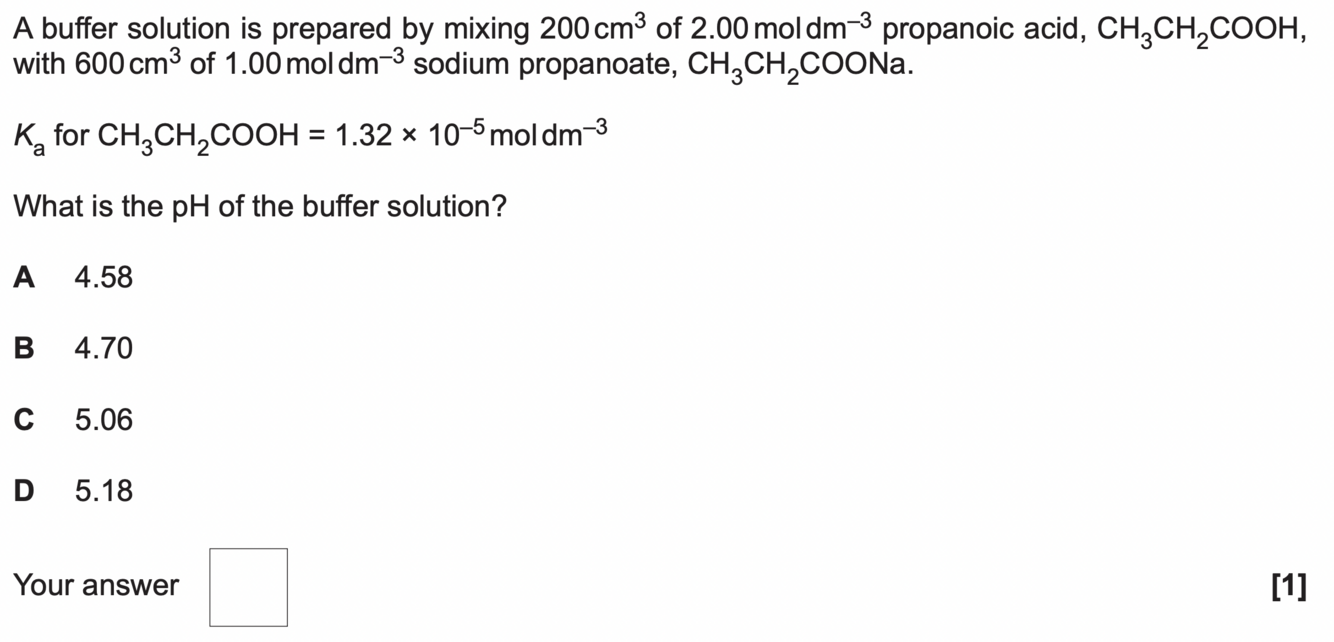
C
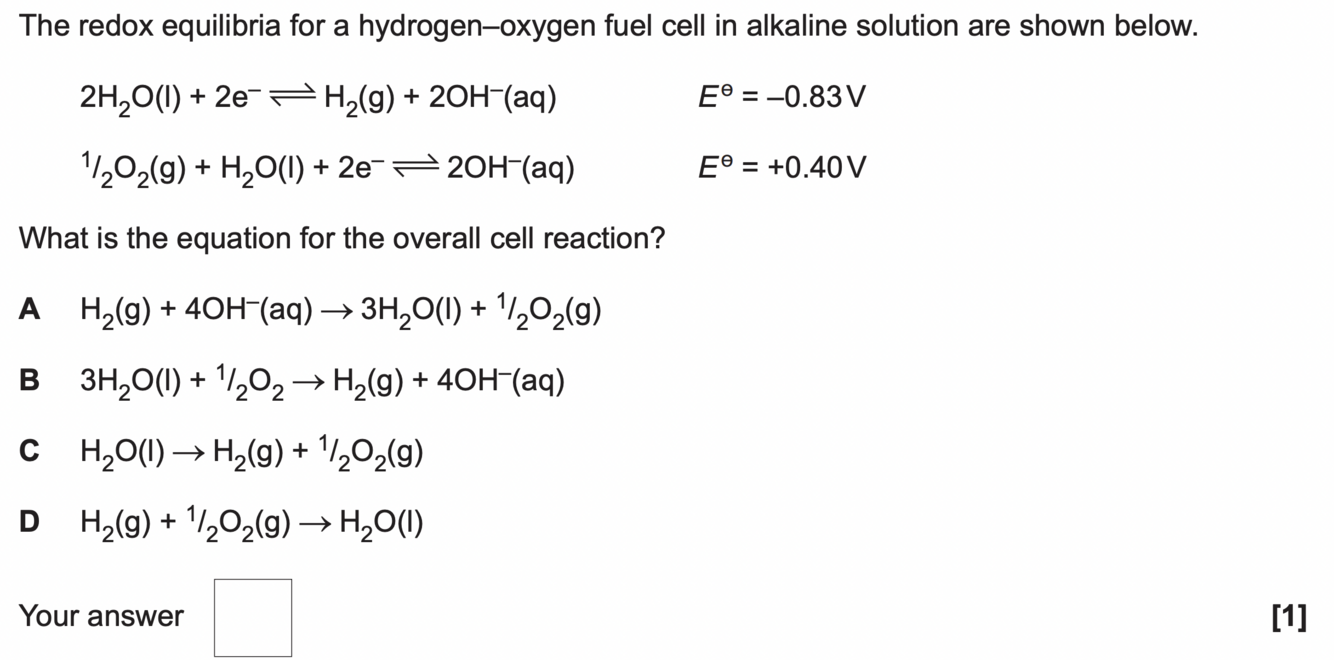
D
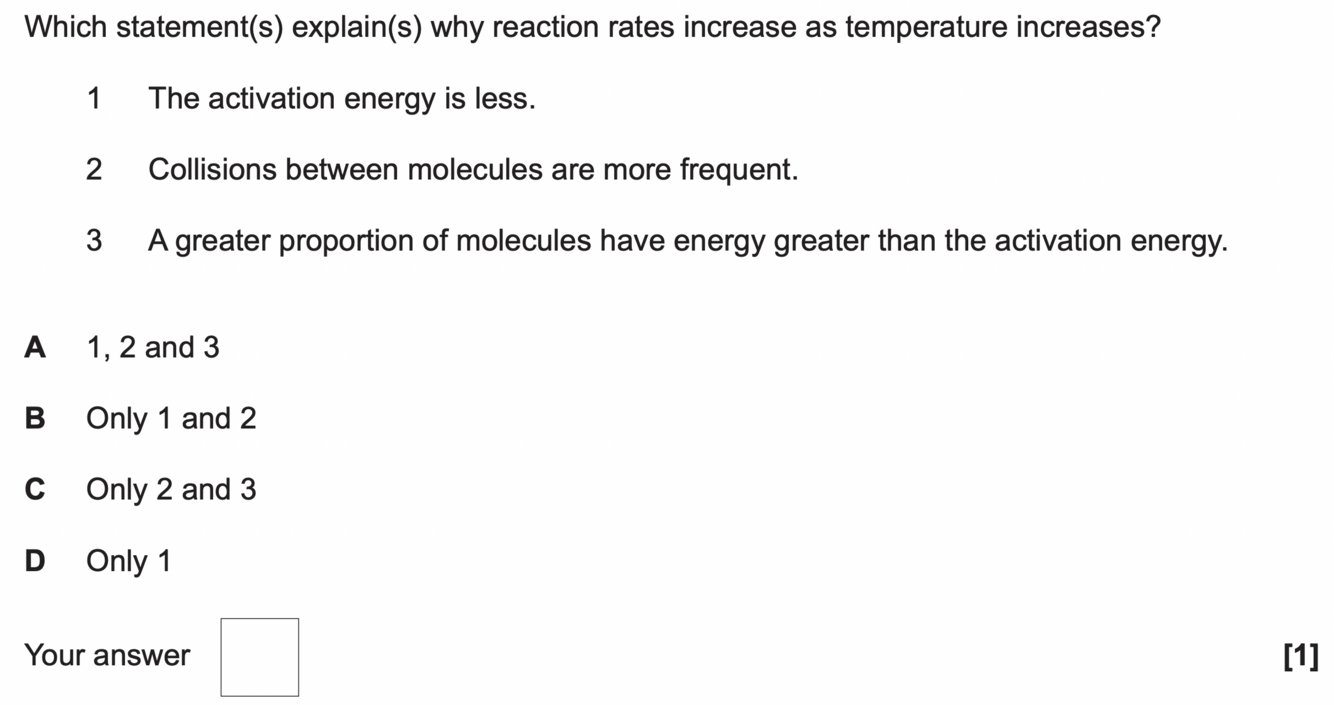
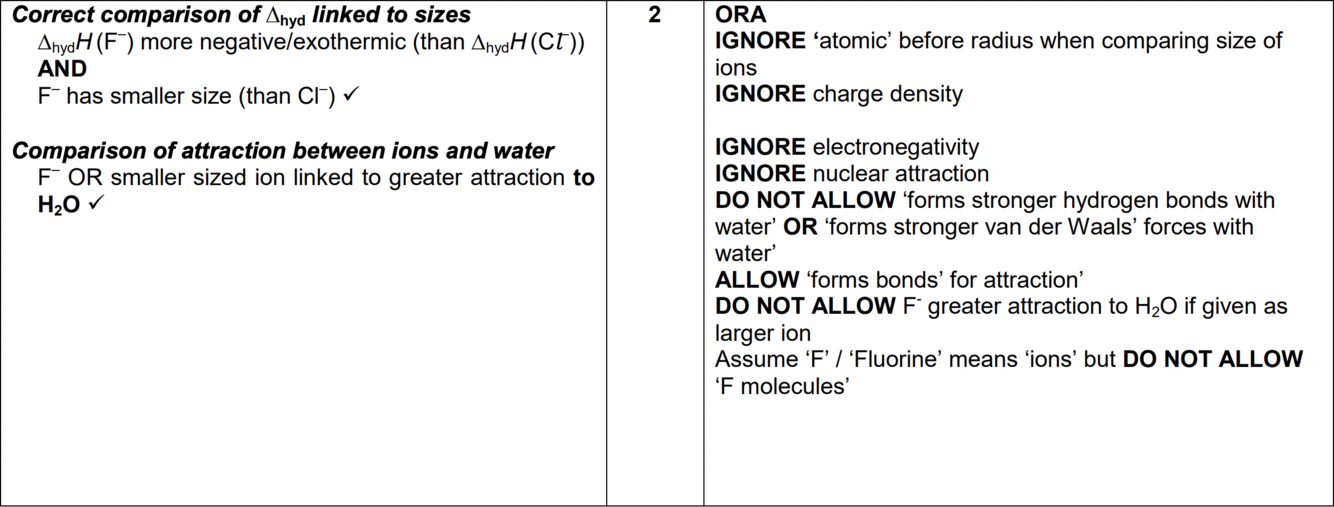
C The activation energy does not change
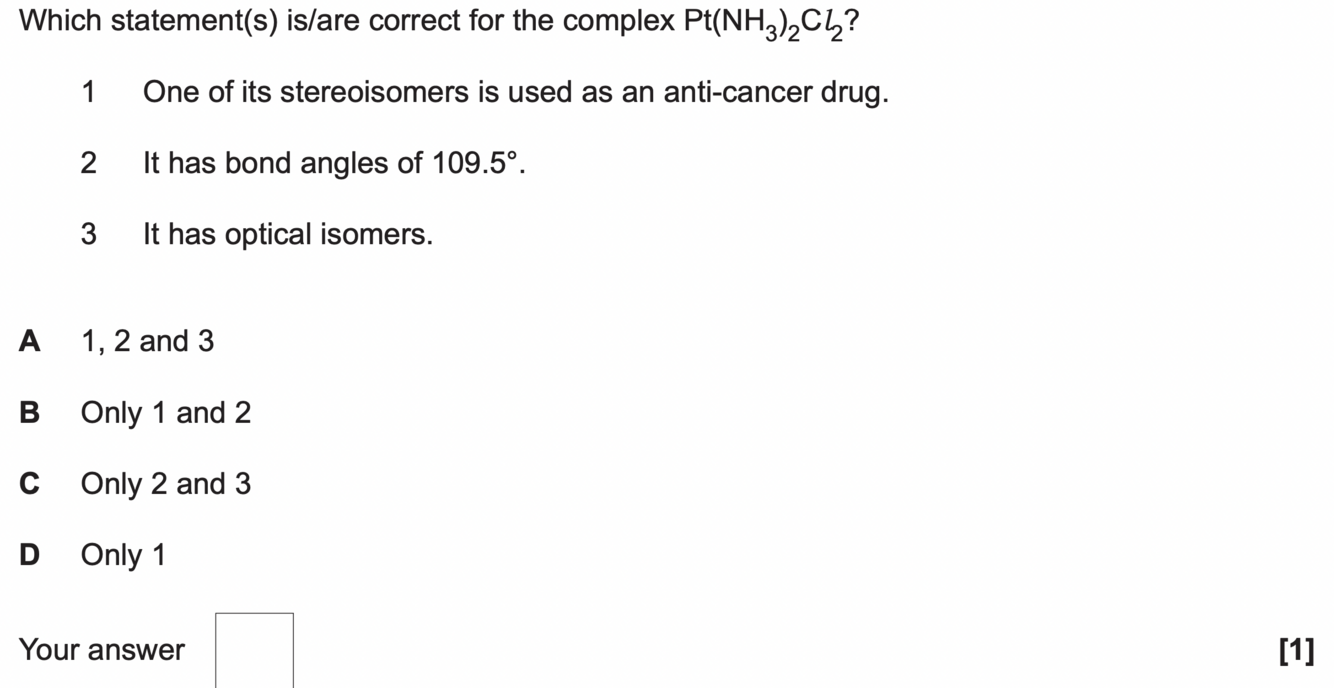
D
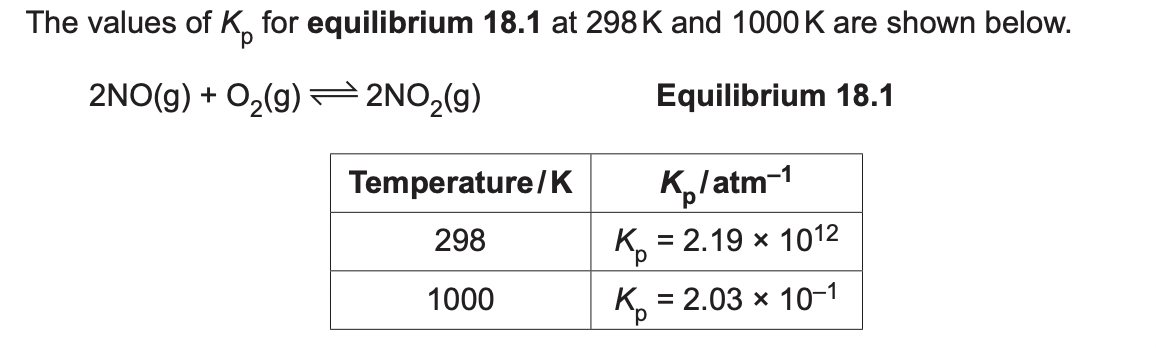
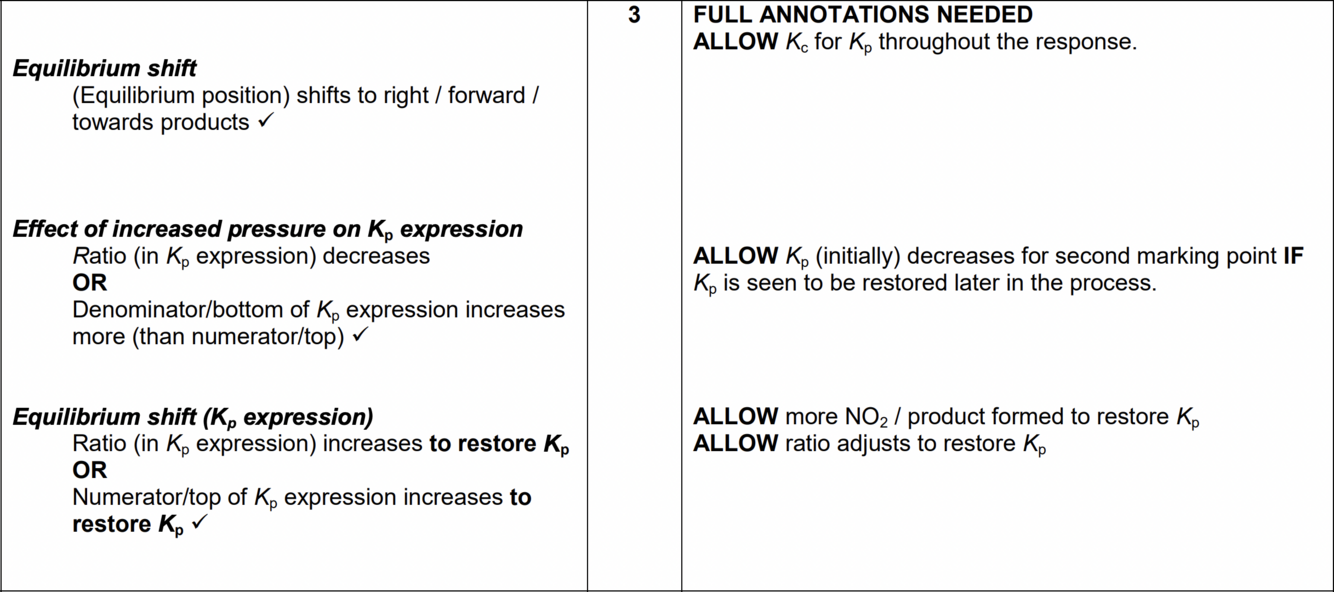
The chemist increases the pressure of the equilibrium mixture at the same temperature. State and explain in terms of Kₚ, how you would expect the equilibrium position to change [3]
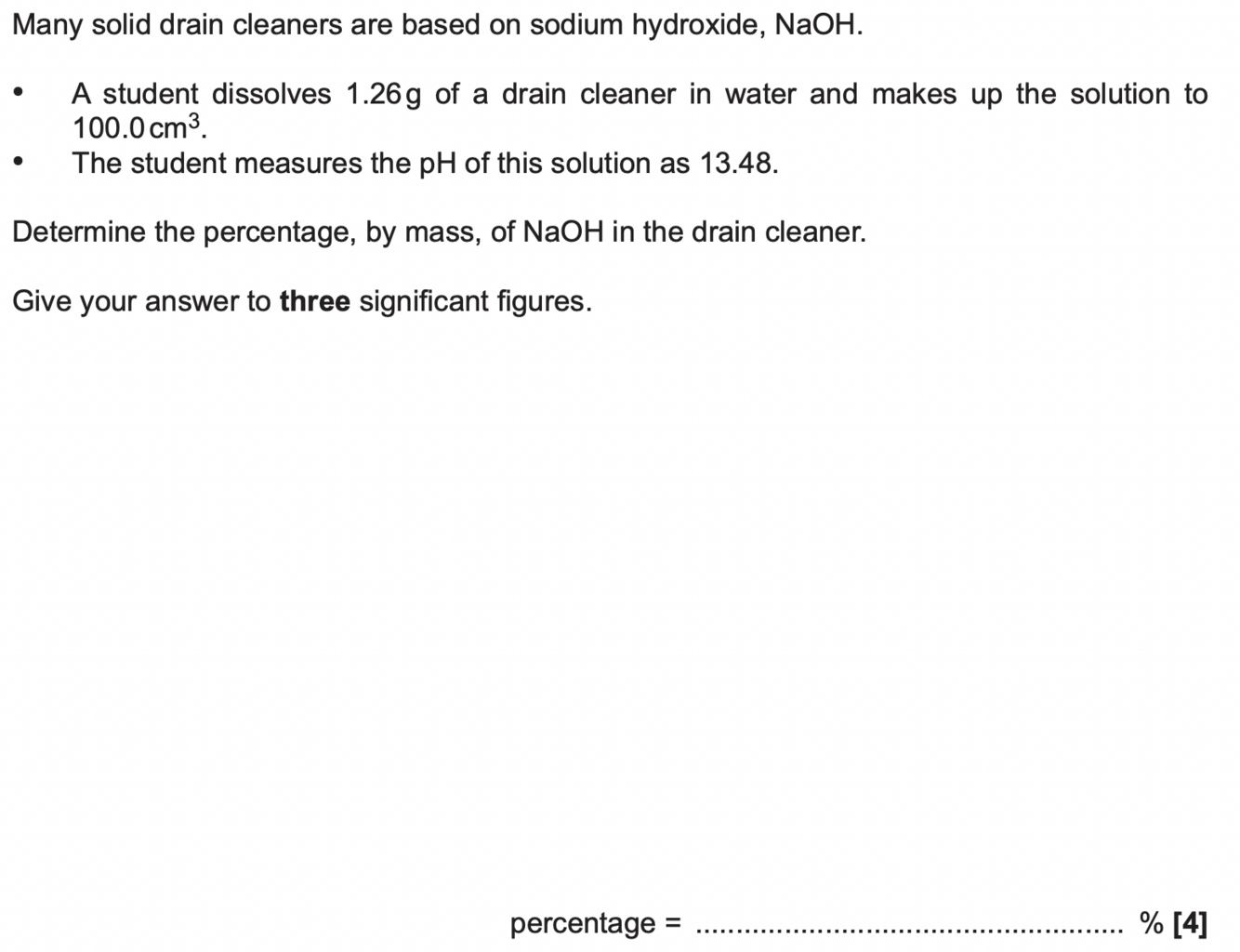
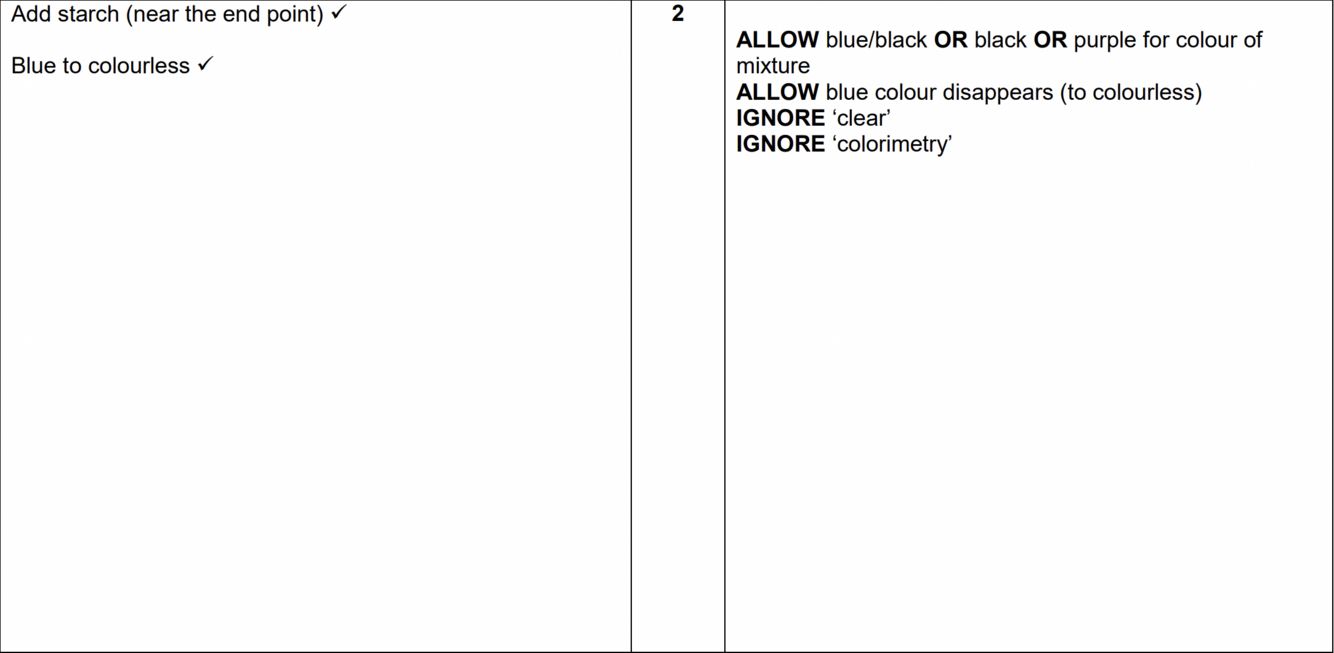
Describe and explain how the student should determine the end point of this titration accurately. [2]
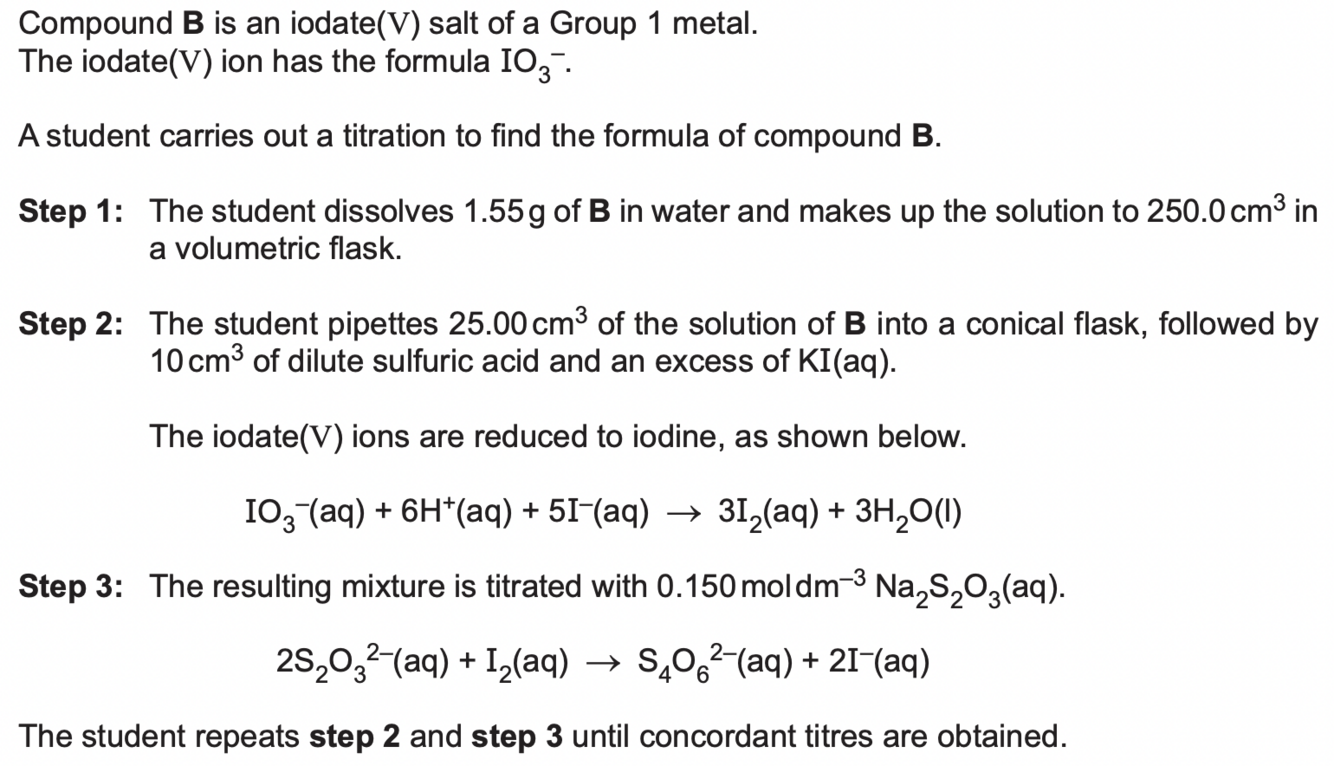
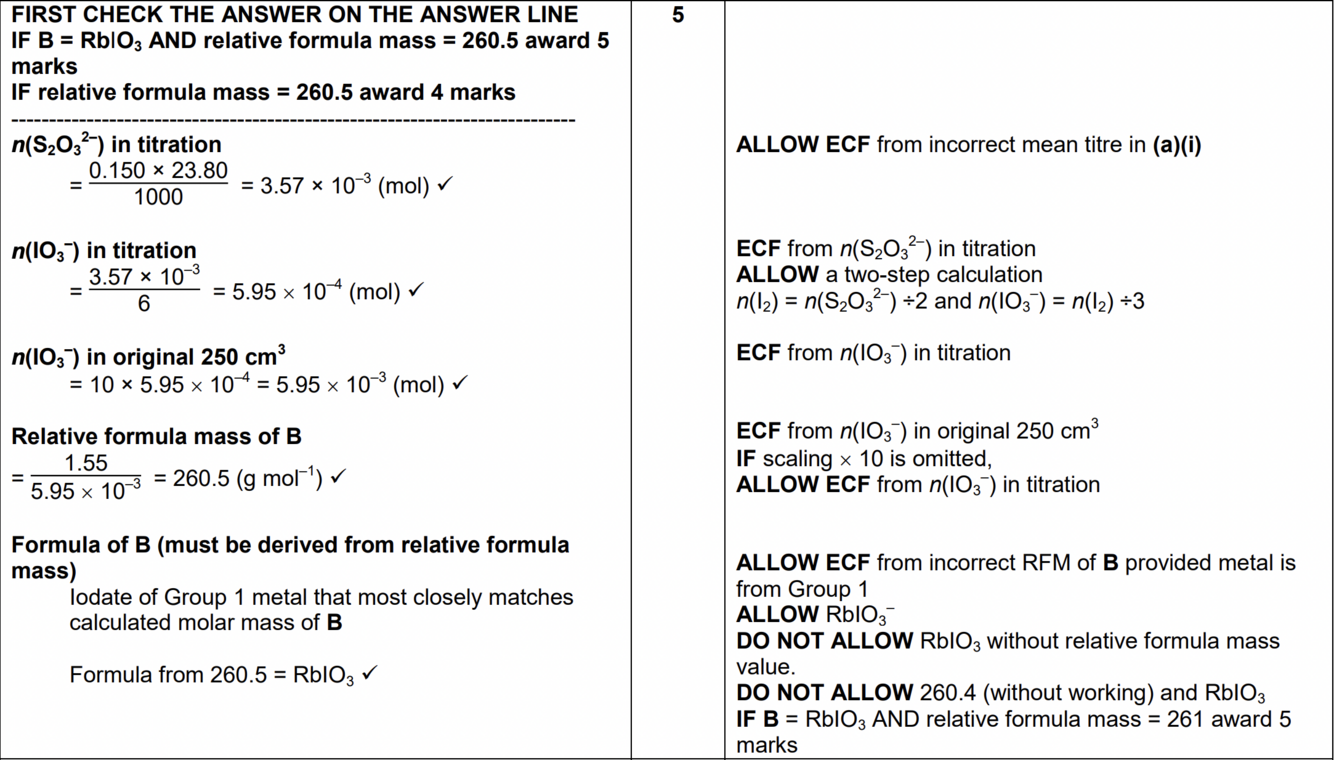
The mean titre is 23.80 cm³ Determine the relative formula mass and formula of the Group 1 (𝑉), B. Show your working. [5]
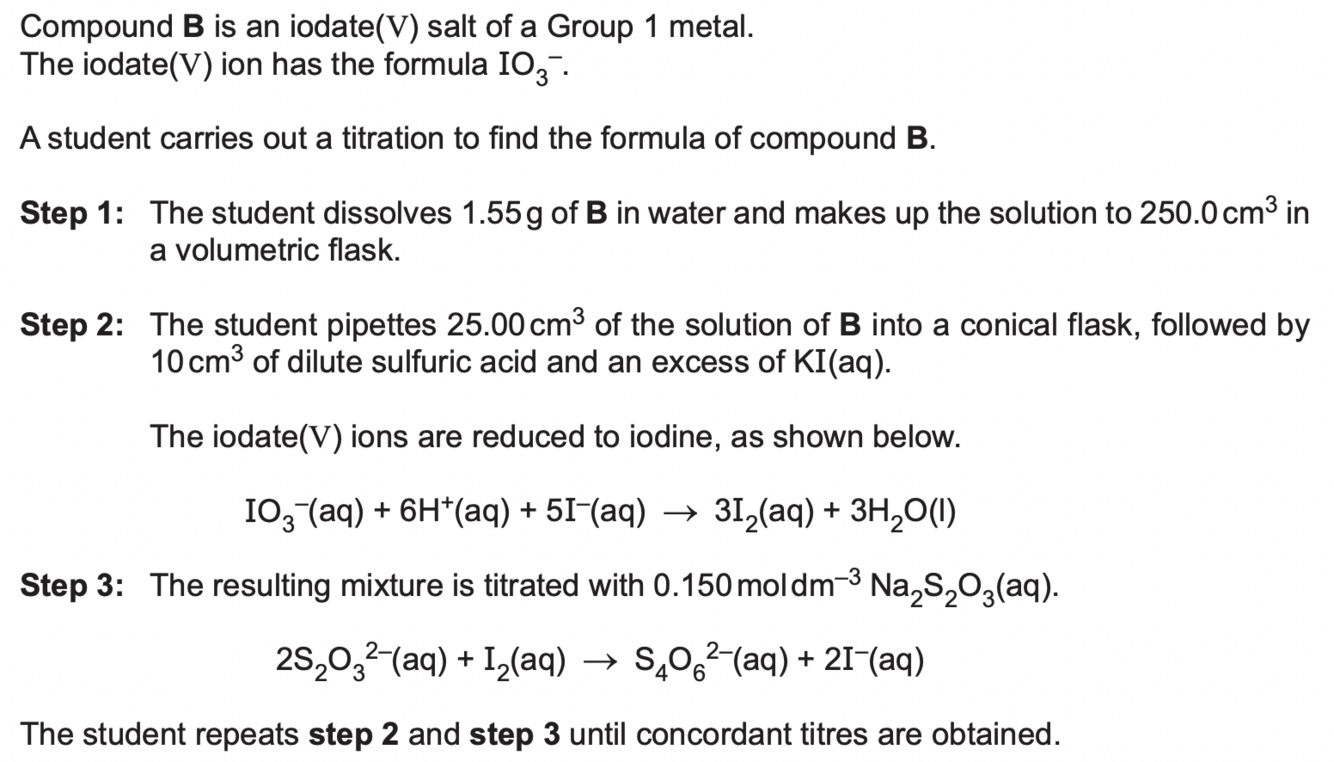
• Remember that only I₂ is is similar between both equations • This is because it is liberated in 1, and used in 2 • Hence, you must use the stoichiometric ratio between S₂O₃²⁻ and I₂
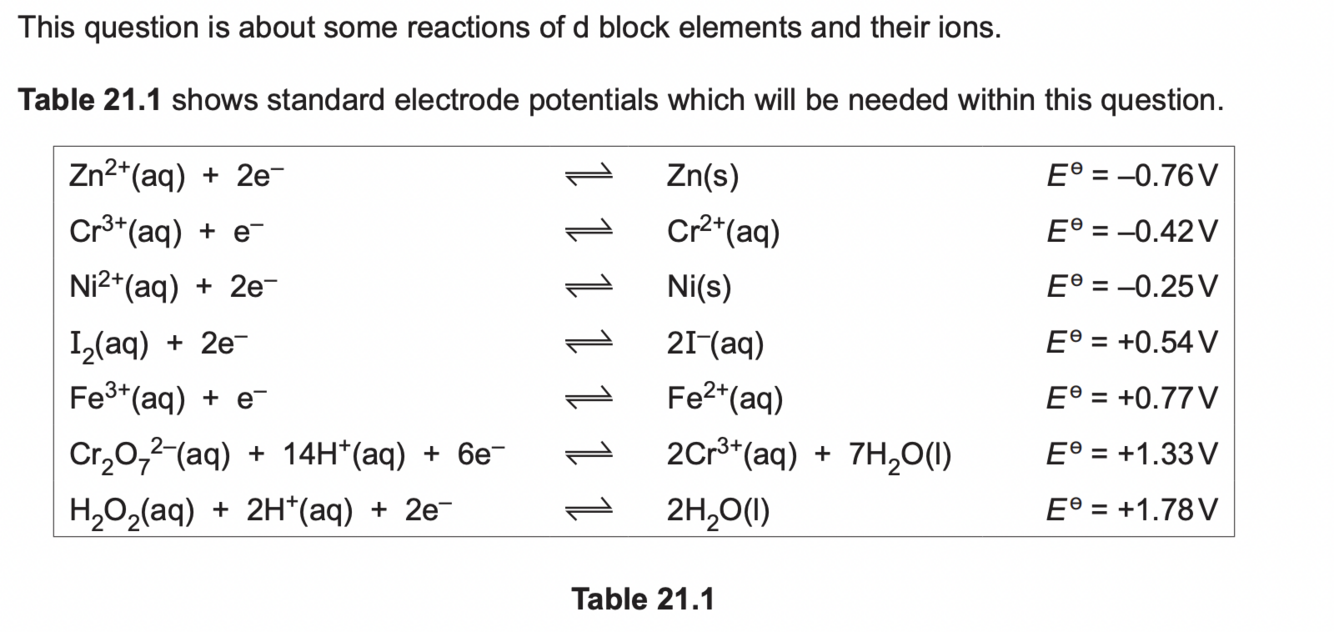
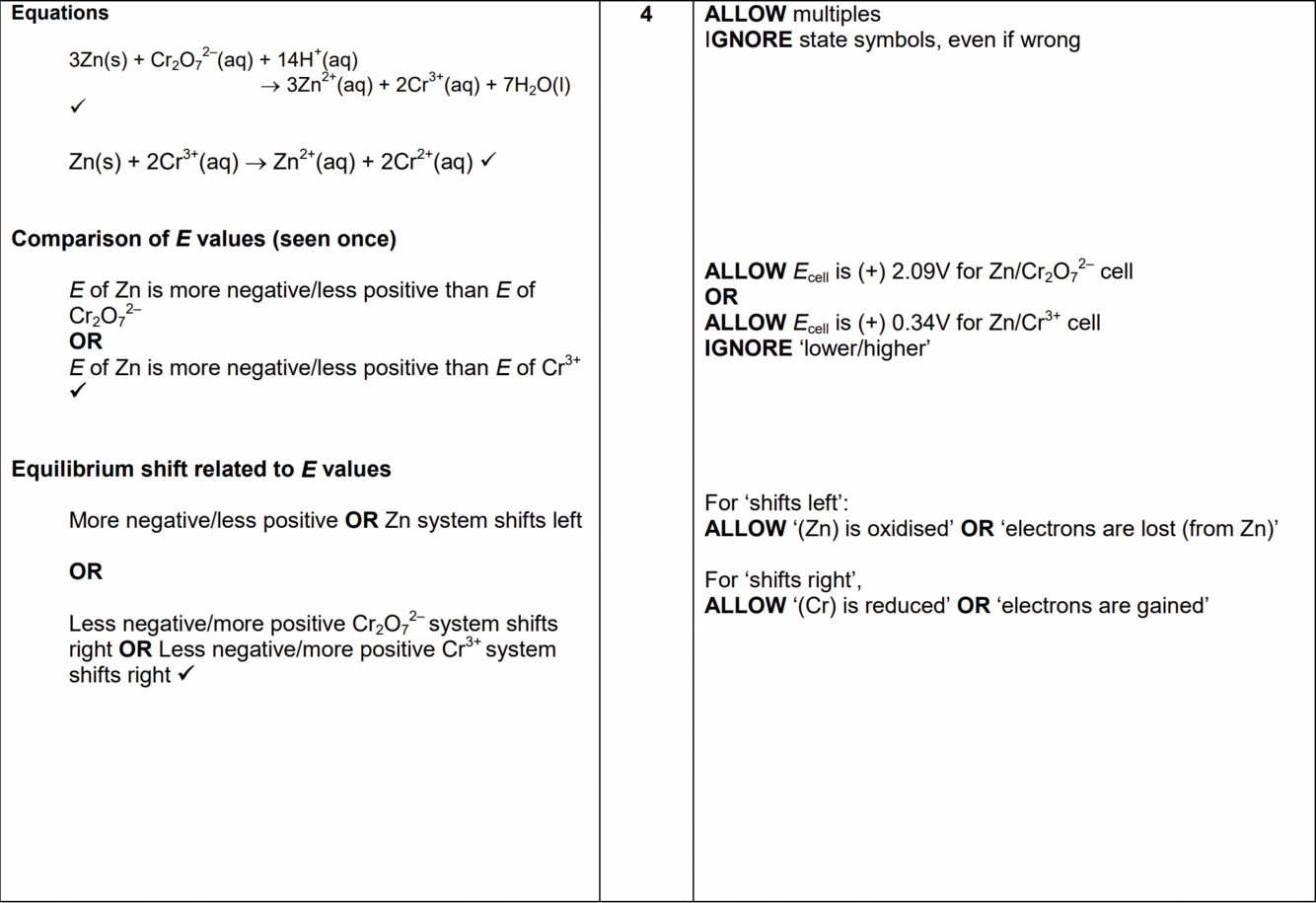
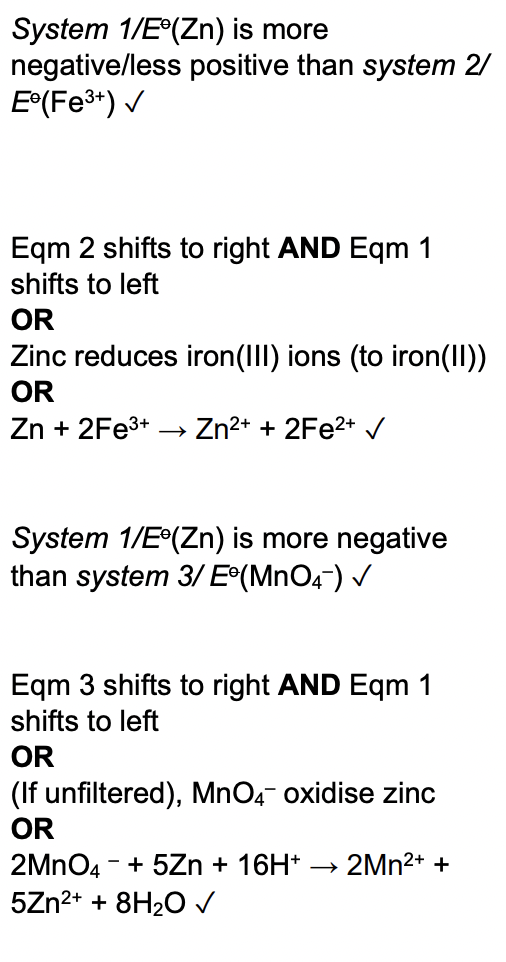
Zinc reacts with acidified Cr₂O₇²⁻ ions to form Cr²⁺ ions in two stages. Explain why this happens in terms of electrode potentials and equilibria. Include overall equations for the reactions which occur. [4]
[4]
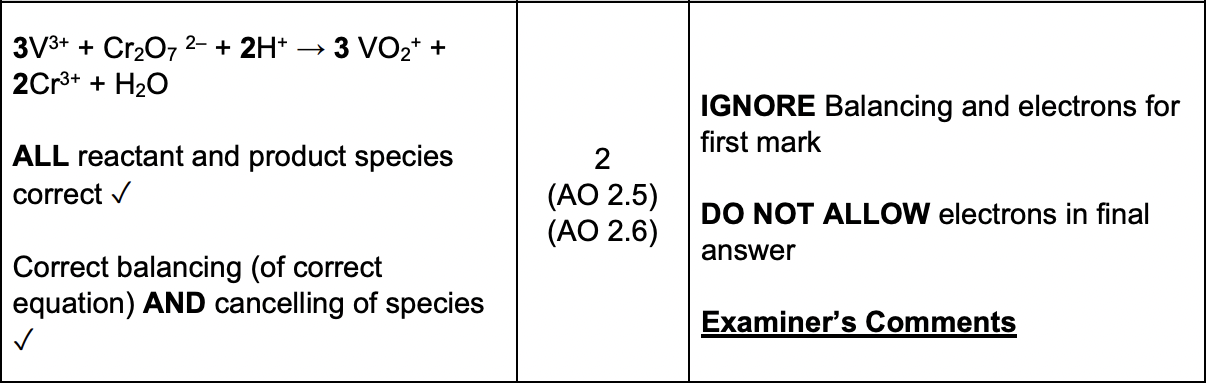
An acidified solution containing Cr₂O₇²⁻ ions reacts with vanadium(III) ions in a redox reaction to form a solution containing Cr³⁺ ions and VO₂⁺ ions. Construct the overall equation for this reaction. [2]
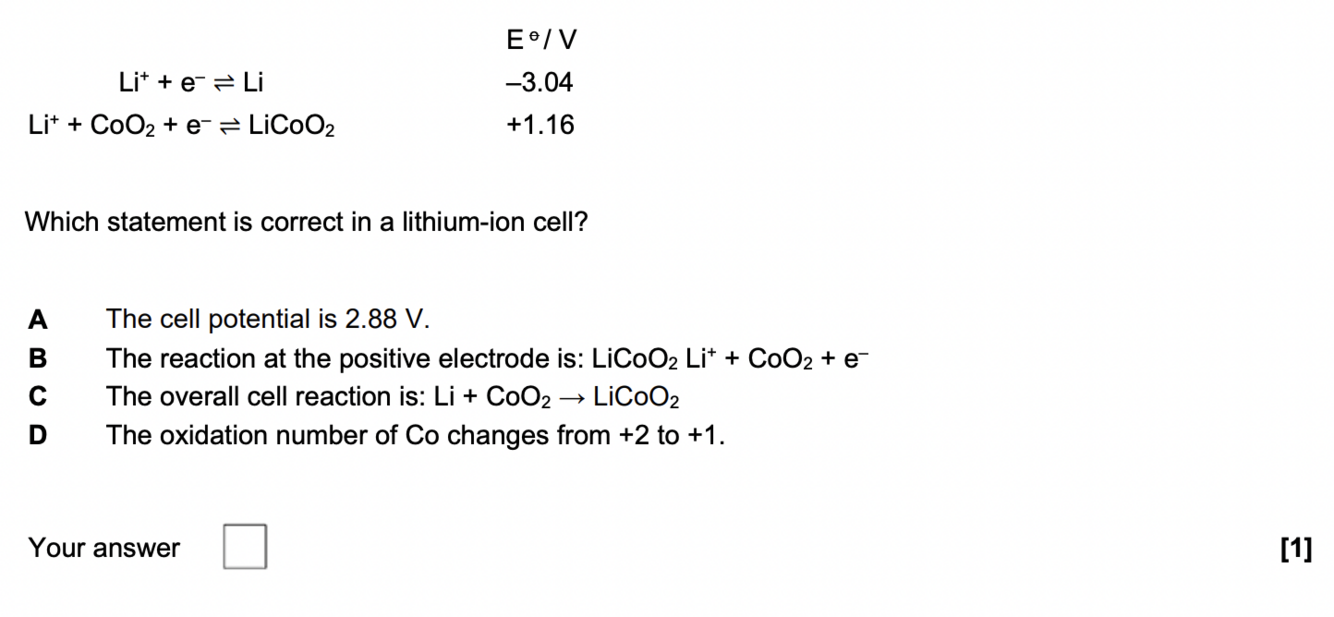
C
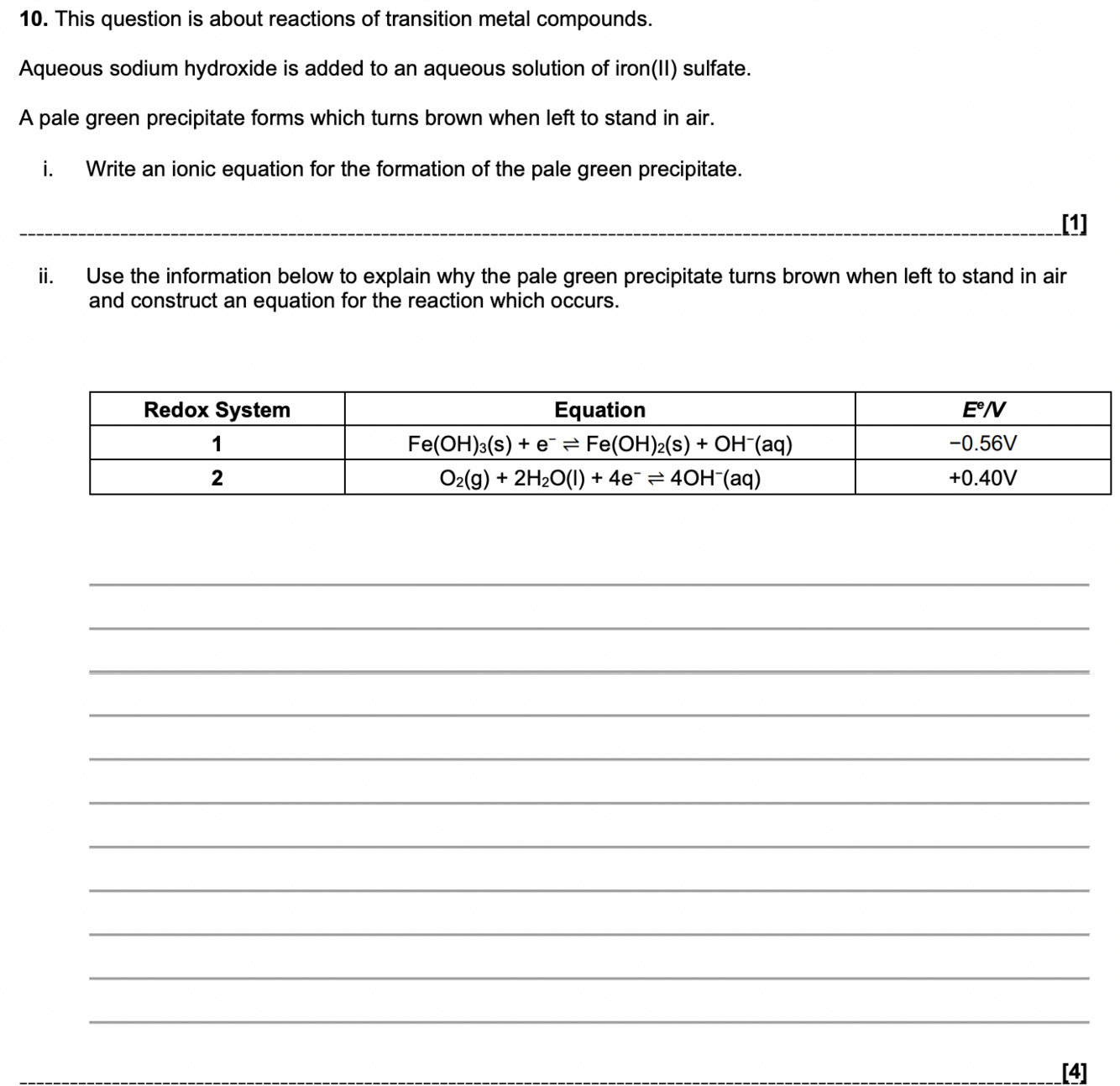
PART (i) Fe2+ + 2OH− → Fe(OH)2 ✓ PART (ii) Explanation of the brown precipitate The brown ppt is Fe(OH)₃ ✅ OR Fe(OH)₂ loses electrons / Fe(OH)₂ oxidised ✅ Comparison of E values (E of) Fe / Redox system 1 is more negative / less positive (than E of O₂ / redox system 2) OR (E of) O₂ / Redox system 2 is more positive / less negative (than E of Fe / redox system 1) ✅ Equilibrium shift More negative / less positive OR Fe system OR Redox system 1 shifts left OR More positive / less negative OR O₂ system OR Redox system 2 shifts right ✅ Equation 4Fe(OH)₂(s) + O₂(g) + 2H₂O(l) → 4Fe(OH)₃(s) ✅
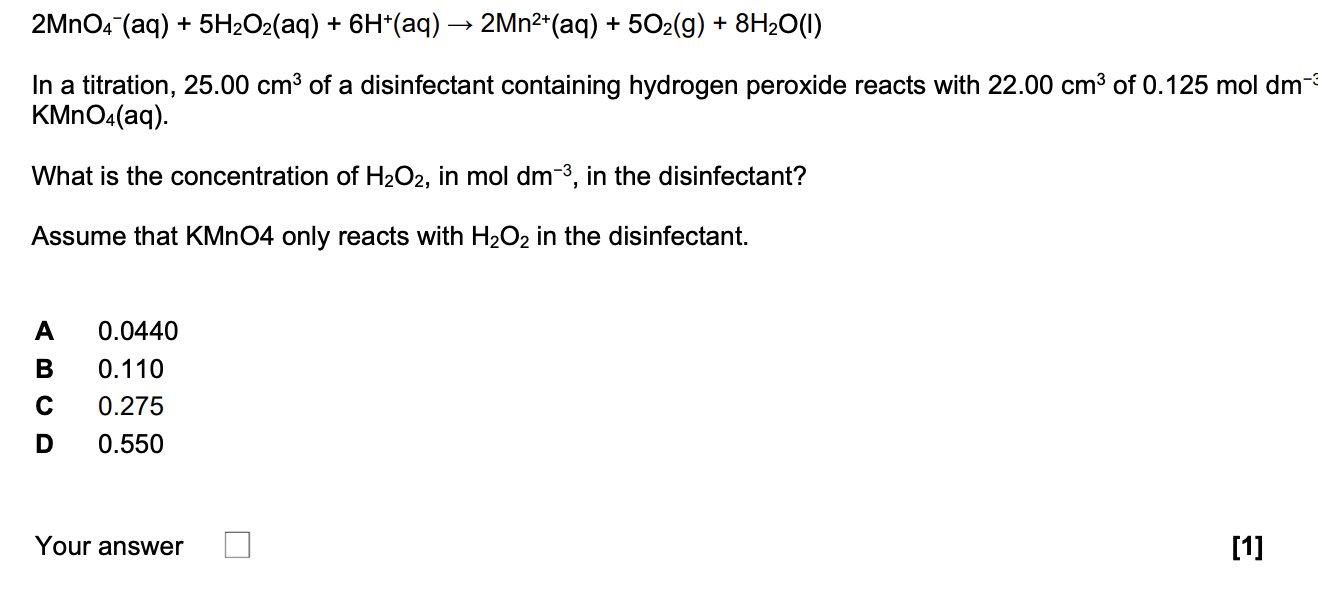
C
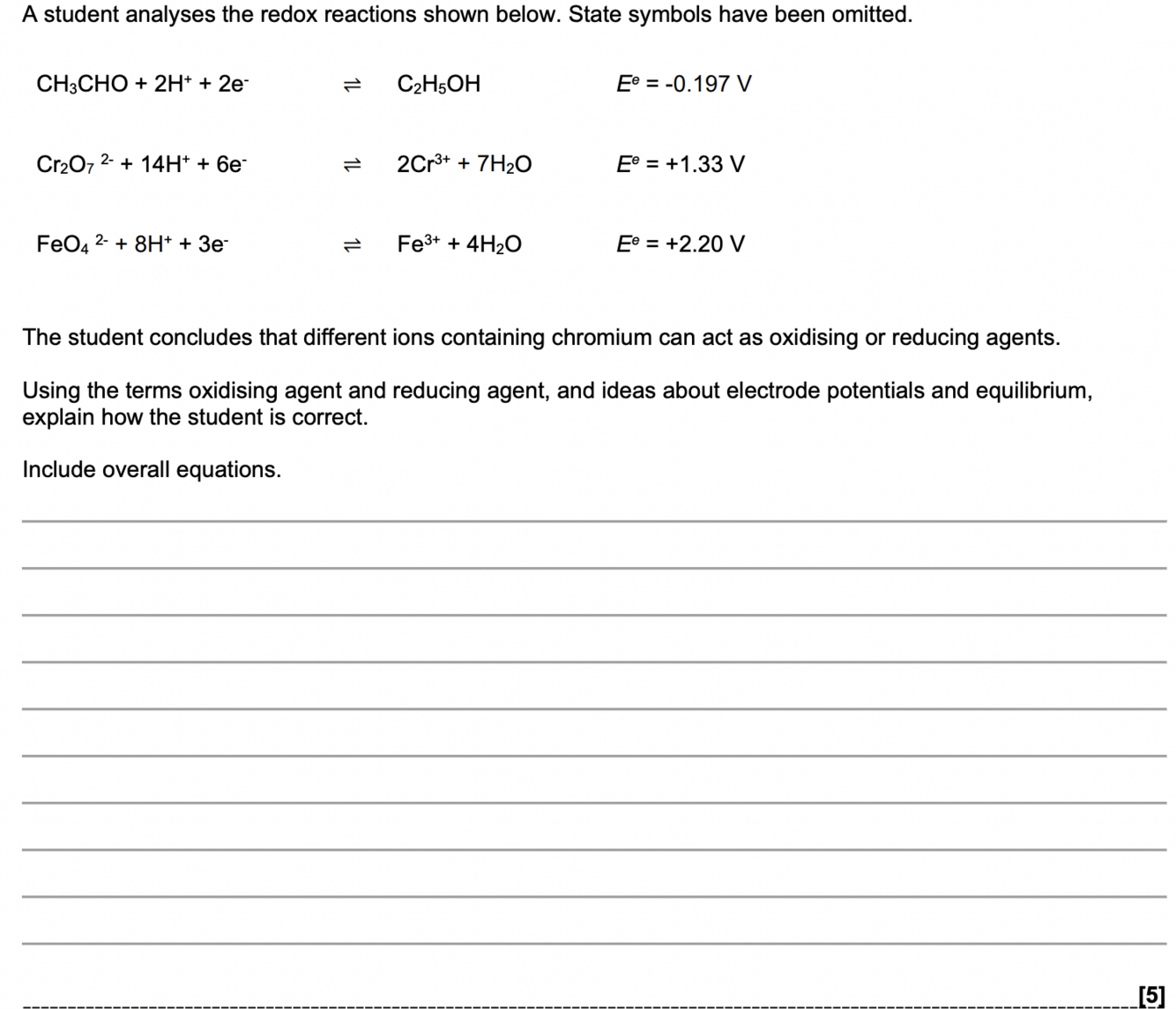
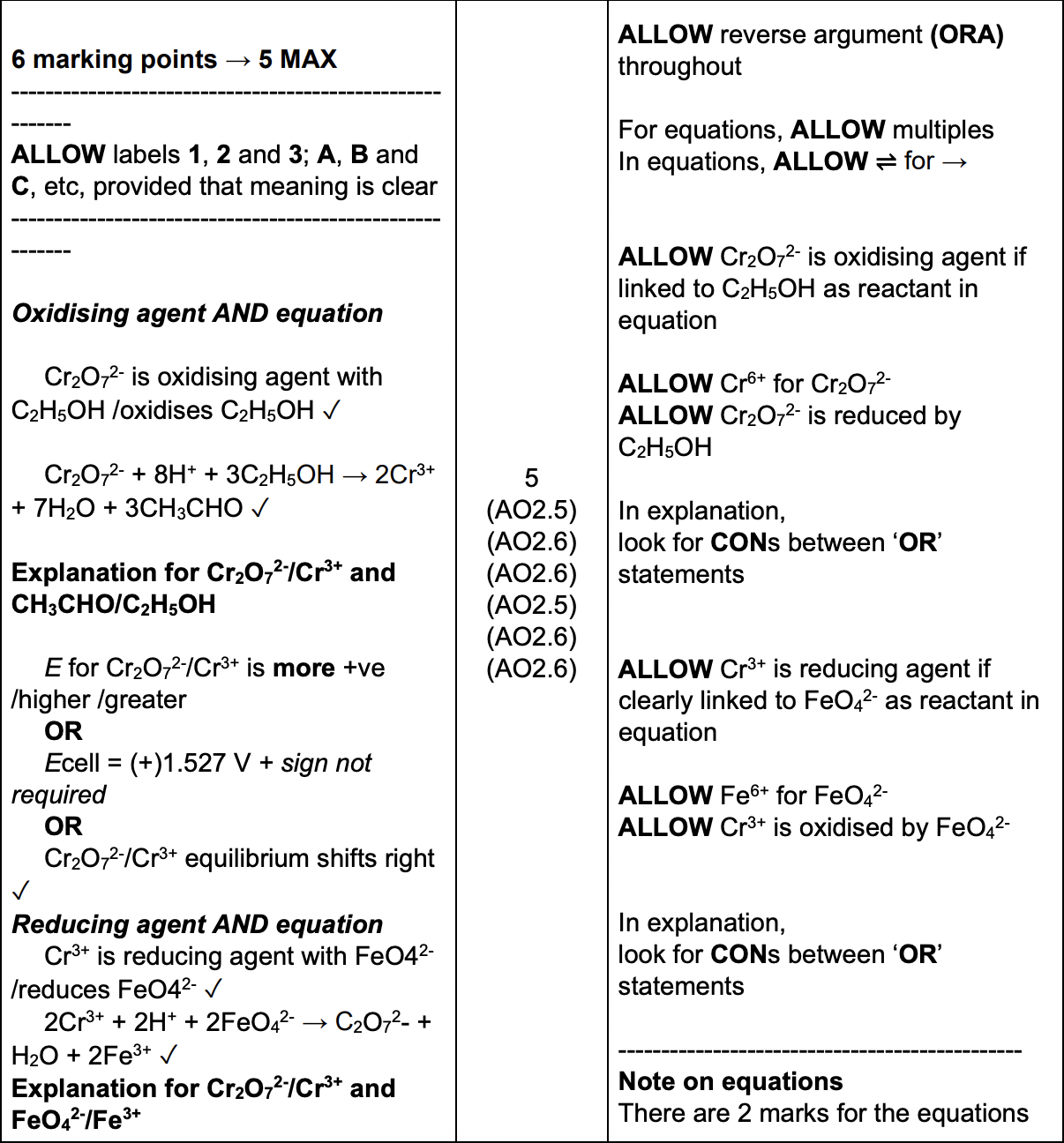
E for Cr₂O₇²⁻/Cr³⁺ is less +ve (E) / lower / smaller OR Ecell = (+)0.87 V + sign not required OR Cr₂O₇²⁻/Cr³⁺ equilibrium shifts left ✔️ with H⁺, H₂O and e⁻ cancelled down ALLOW 1 mark for 2 ‘correct’ equations where H⁺, H₂O and e⁻ have NOT all been cancelled down. e.g. 1 mark from 2 uncancelled equations Cr₂O₇²⁻ + 14H⁺ + 3C₂H₅OH → 2Cr³⁺ + 6H⁺ + 7H₂O + 3CH₃CHO 2Cr³⁺ + 2H⁺ + 2FeO₄²⁻ + 6e⁻ → Cr₂O₇²⁻ + H₂O + 2Fe³⁺ + 6e⁻


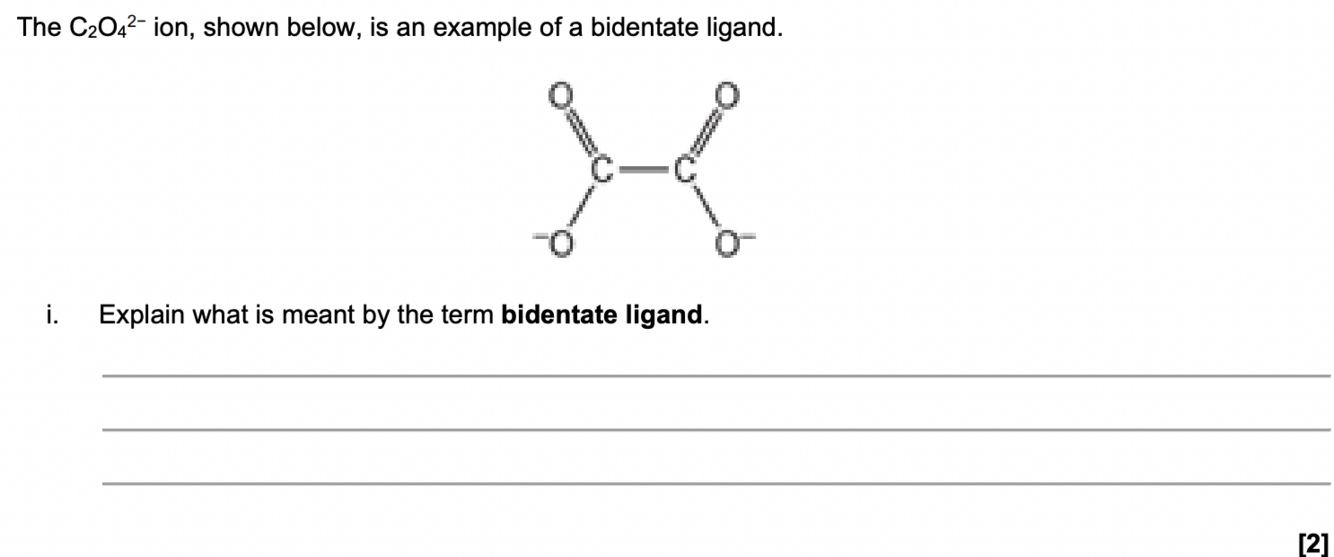
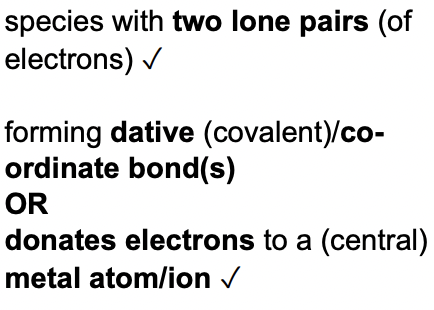
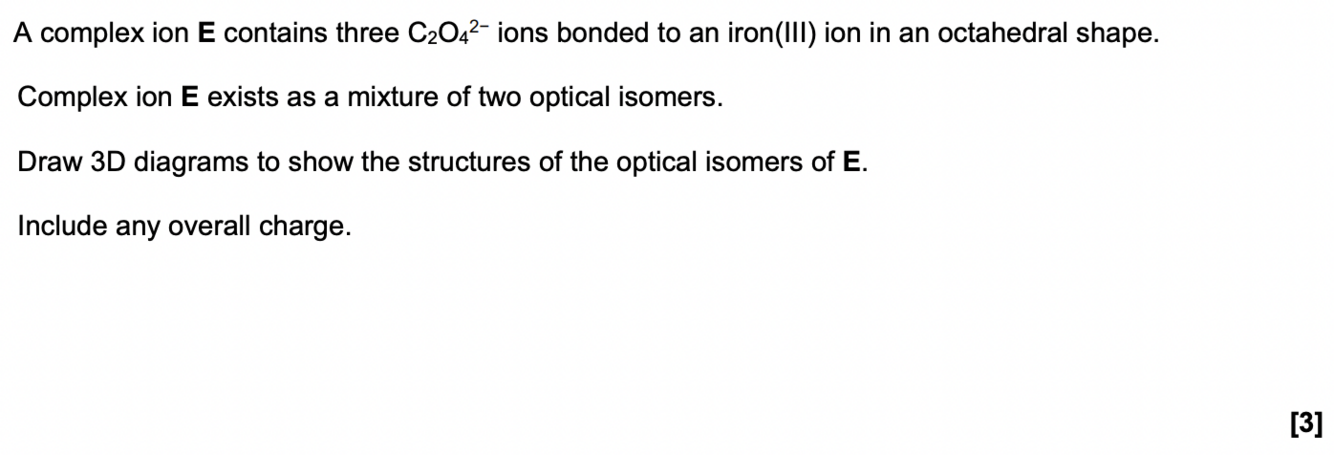
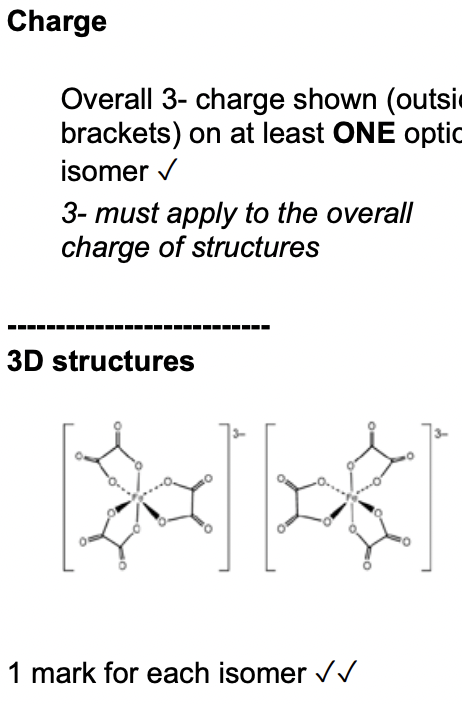
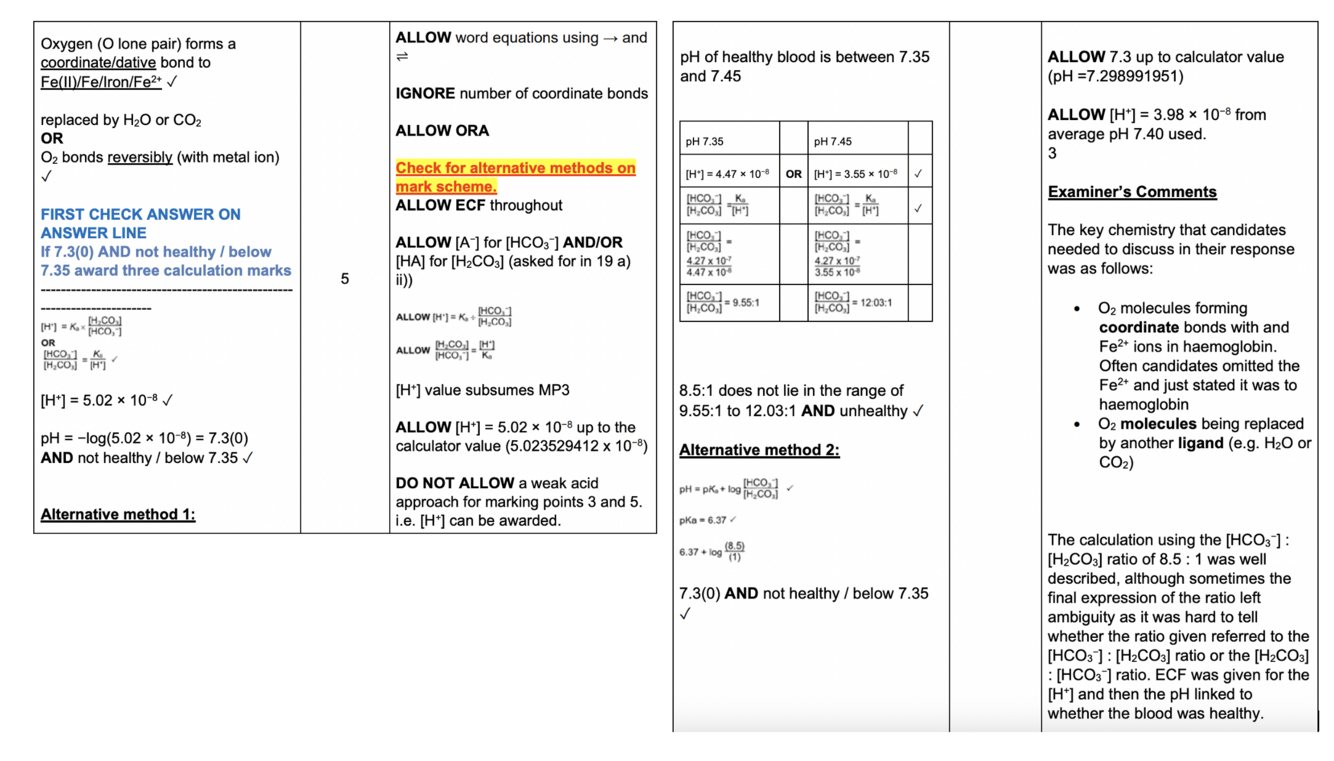
Red blood cells contain haemoglobin which transports oxygen around the body. For efficient transportation of oxygen, healthy human blood must be maintained at a pH value between 7.35 and 7.45. Human blood acts as a buffer due to the presence of carbonic acid, H₂CO₃, and hydrogencarbonate, HCO₃⁻, ions as shown below. H₂CO₃(aq) ⇌ H⁺(aq) + HCO₃⁻(aq) Kₐ = 4.27 × 10⁻⁷ mol dm⁻³ • Explain, using ligand substitution, how haemoglobin transports oxygen around the body. • Determine whether a sample of blood with a [HCO₃⁻] : [H₂CO₃] ratio of 8.5 : 1 is healthy. *[5]
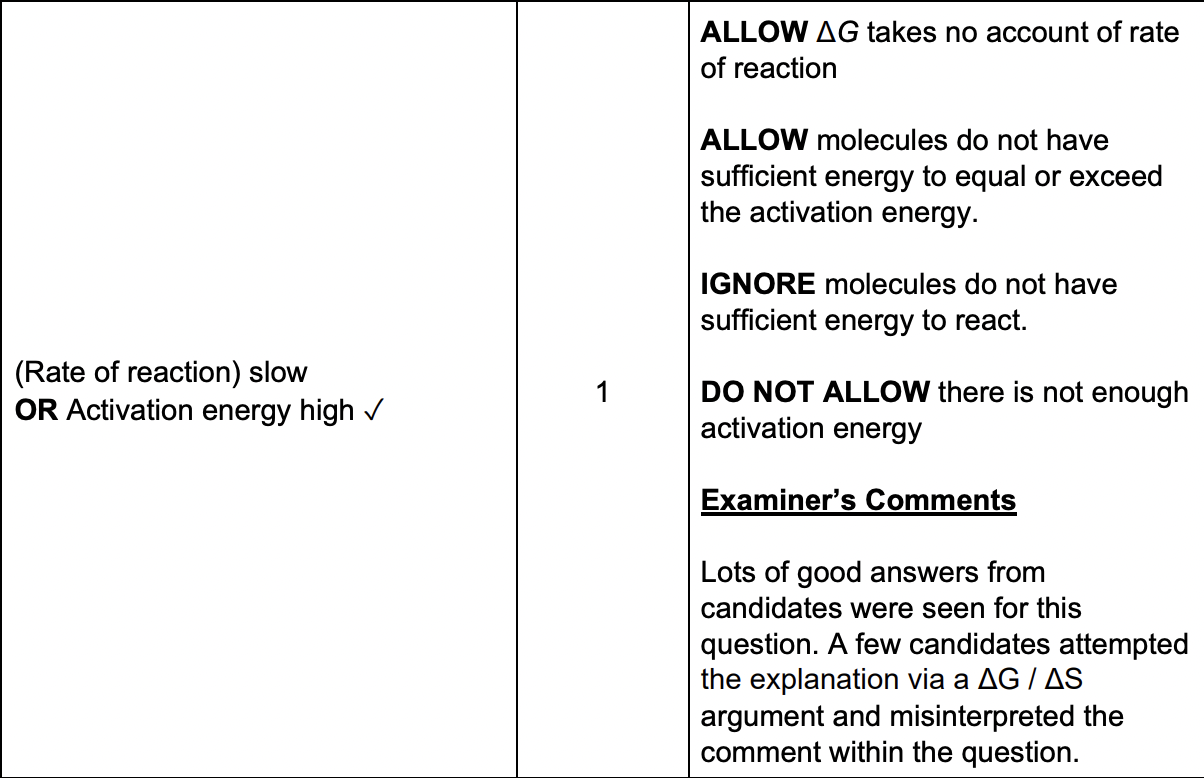
The decomposition of a reaction is feasible. Suggest why the decomposition of this reaction does not take place at 298K despite being feasible. [1]
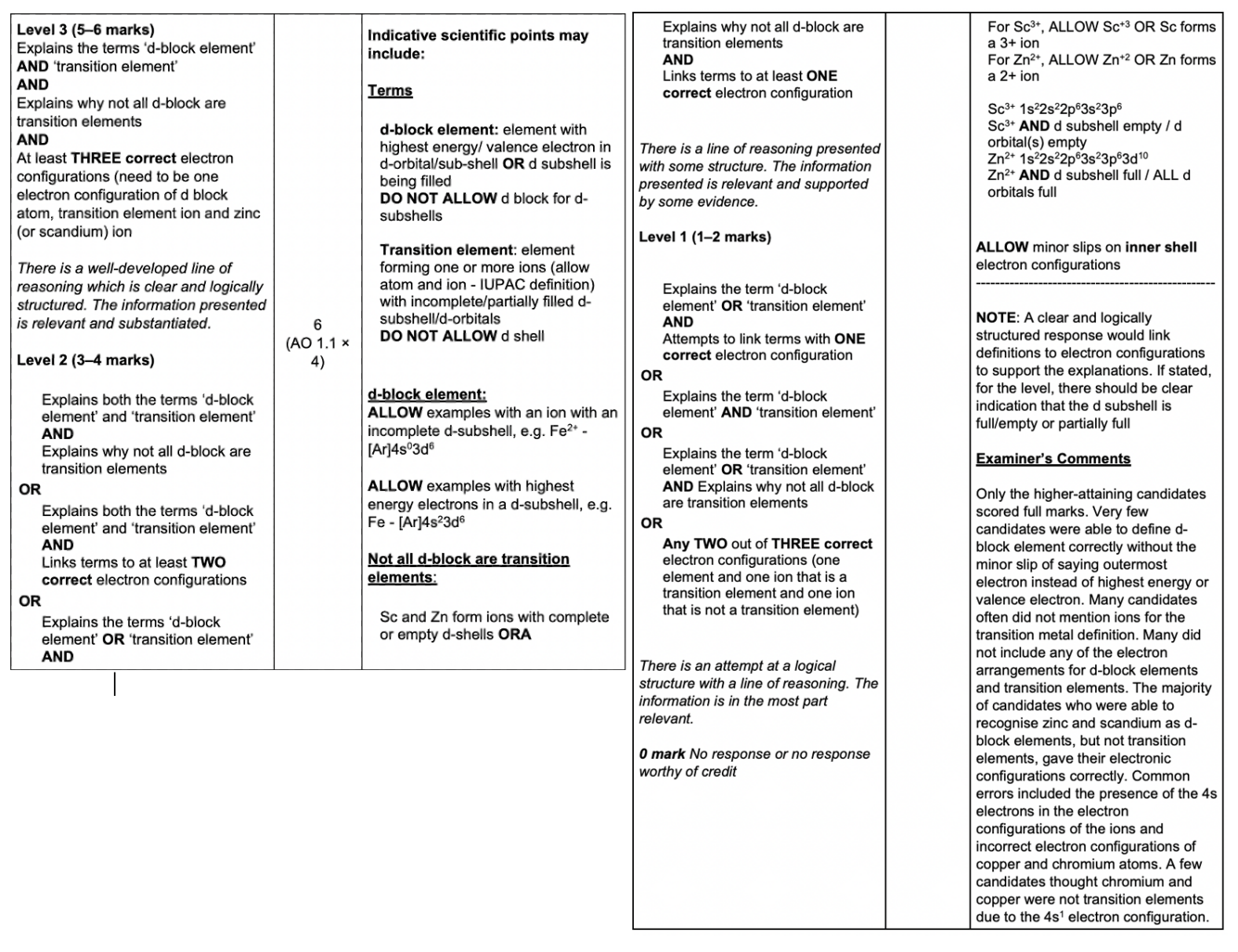
This question is about the d-block elements in Period 4 of the periodic table (Sc to Zn). Explain, with examples from Period 4, what is meant by the terms d-block element and transition element. Explain why some d-block elements are not transition elements. Use electron configurations to support your explanations. [6]