NMR (Solvents & Reference)
No description yet. This curated deck is ready for daily study.
Card preview (13)
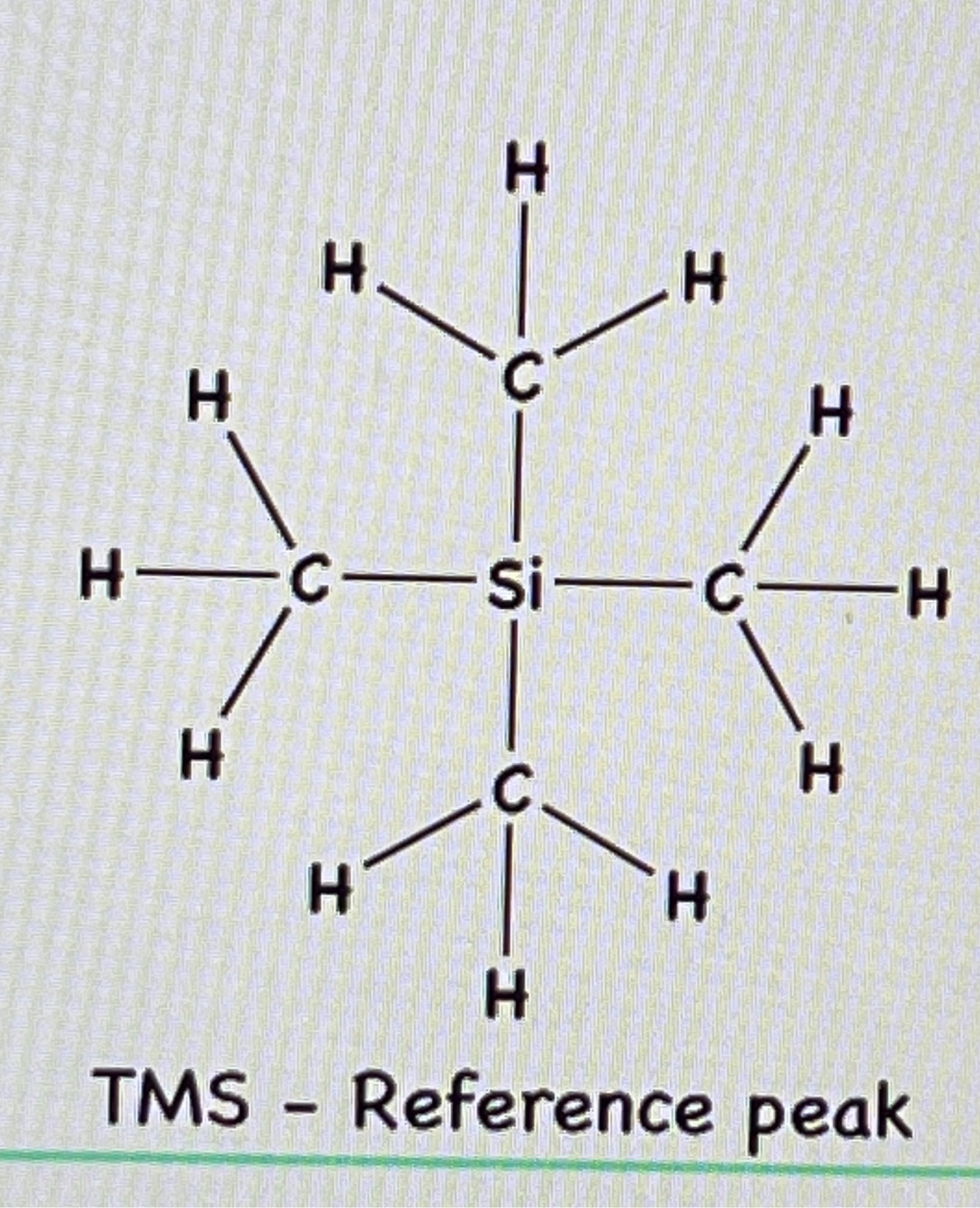
What is TMS
The standard in recording both 1H and 13C n.m.r. spectra
Give 5 reasons why TMS is used as a standard
Inert Non-toxic Volatile Peak appears upfield (to the right) of all other peaks Produces a single intense peak
What is the benefit to TMS being inert
Unlikely to react with the sample
What is the benefit to TMS being volatile
Easily removed meaning it is easy to separate the sample from TMS
What does TMS producing a single intense peak mean
All C’s and all H’s in the same environment Peak is highly shielded
Draw the structure of TMS
What are the 2 solvents used in NMR
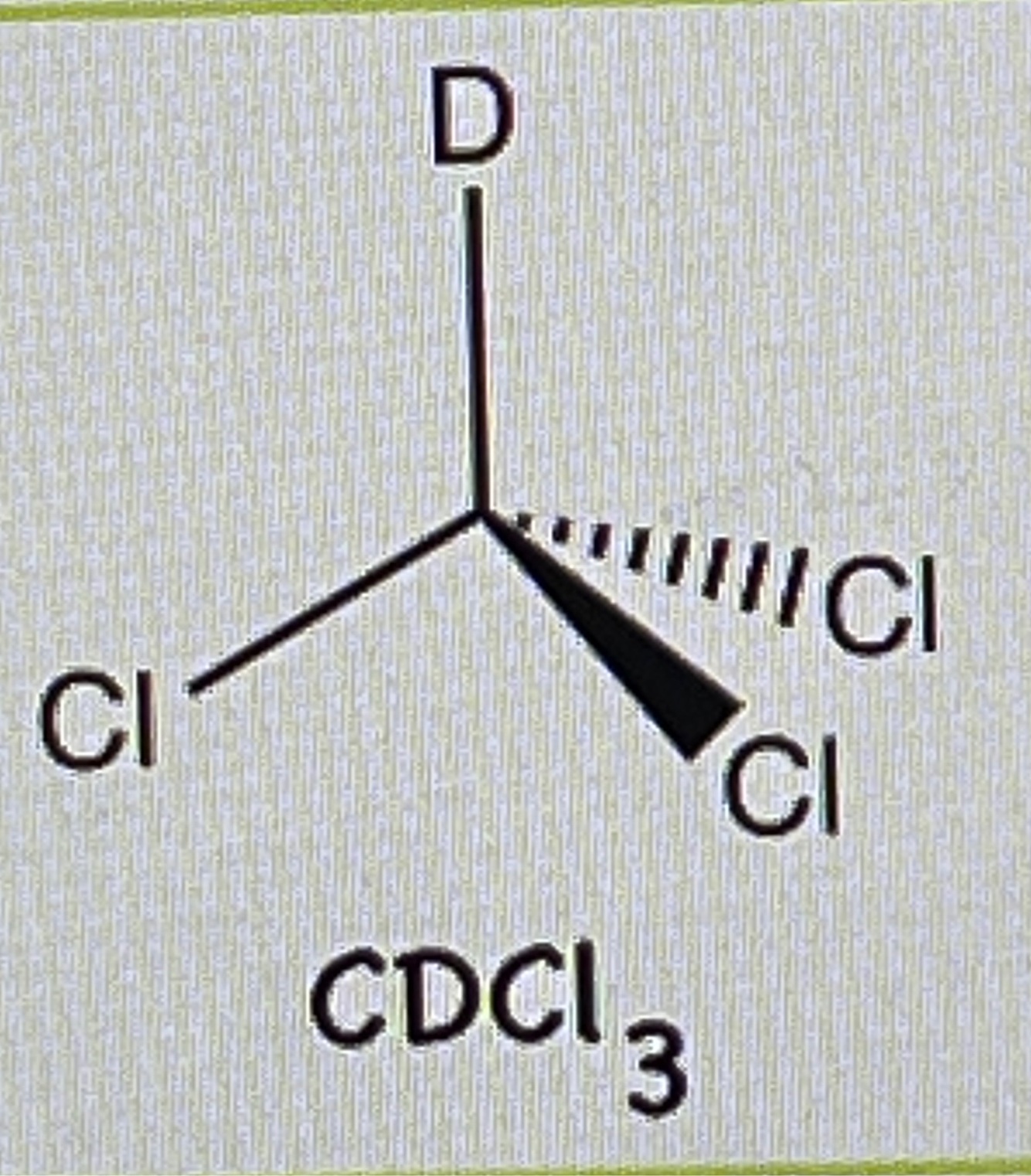
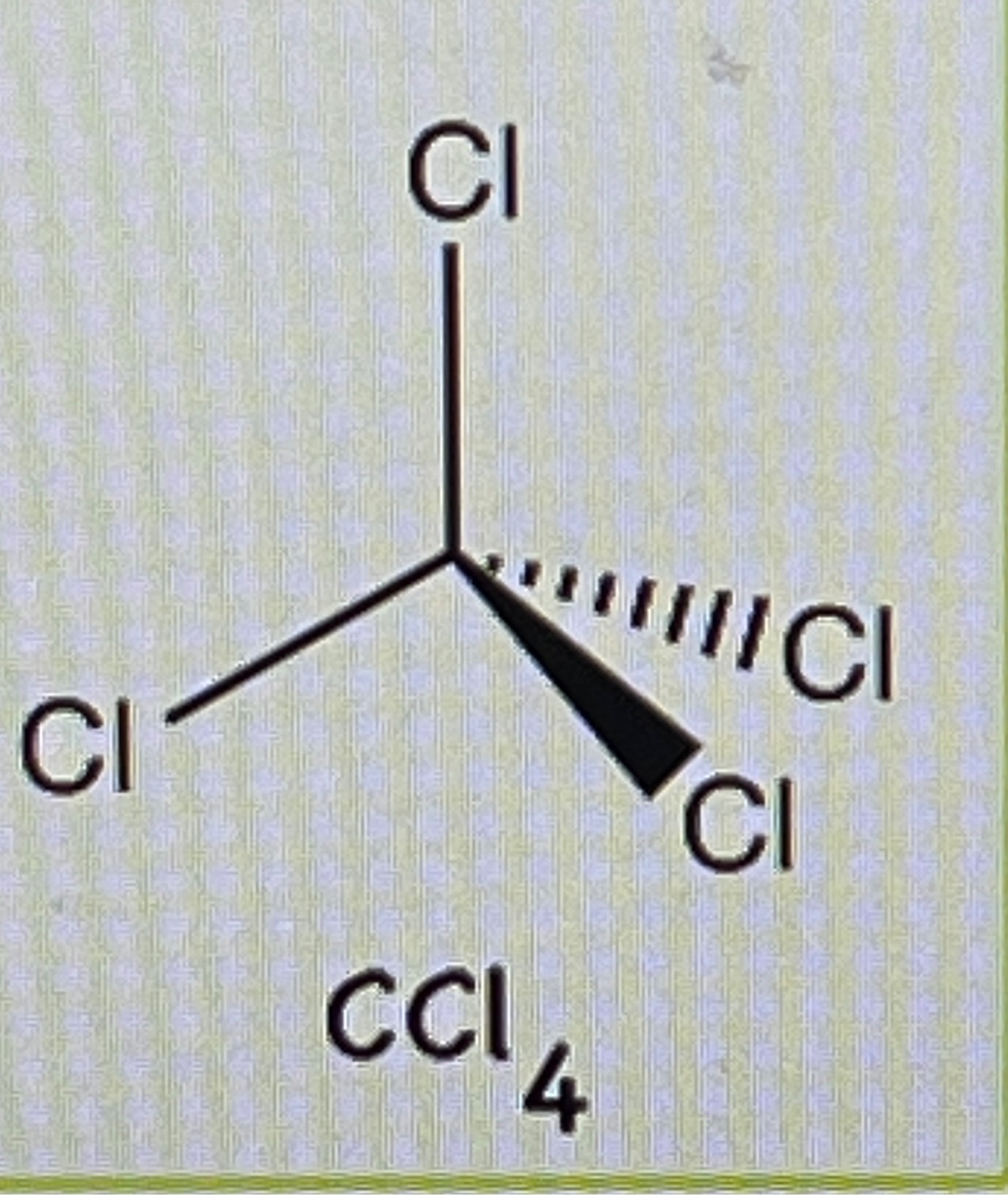
CDCl3 CCl4
Draw the structure of CDCl3
Draw the structure of CCl4
Why and when is CDCl3 used as a solvent
Not a symmetrical molecule Dipoles within the molecule don’t cancel out The molecule therefore has a dipole Better at dissolving polar organic molecules
Why and when is CCl4 used as a solvent
Symmetrical molecules Dipoles within the molecule cancel out Therefore CCl4 does not have an overall dipole Better at dissolving non-polar organic molecule
What is D in CDCl3
D = ²H
What must both CDCl3 and CCl4 be ¹H free
The solvents don’t interfere with the sample peaks and do not produce a signal in the NMR spectrum