Polymers, Amino Acids, Proteins and DNA
No description yet. This curated deck is ready for daily study.
Card preview (24)
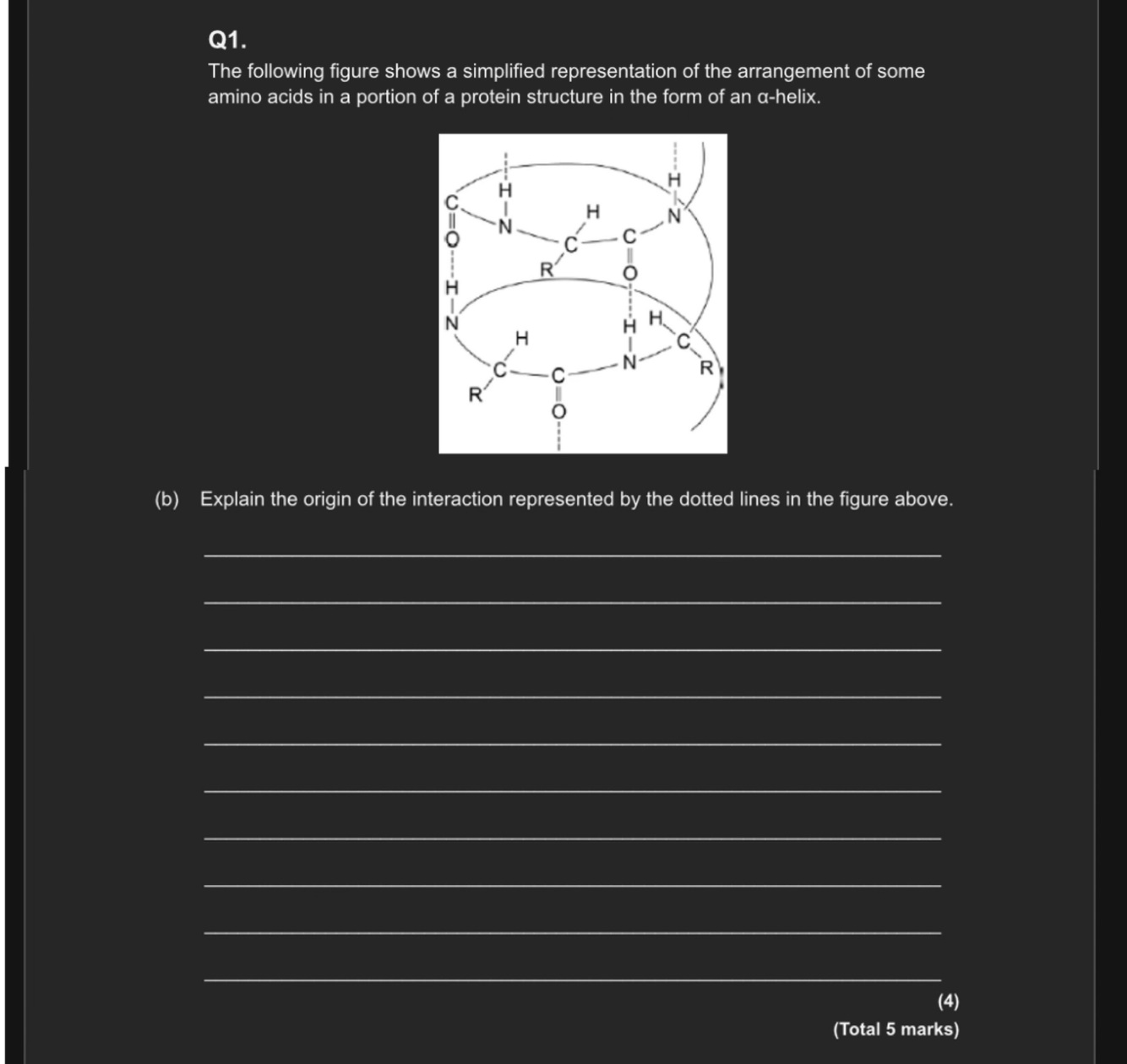
• Nitrogen and oxygen are very electronegative • Therefore, C=O and N-H are polar • Which results in the formation of a hydrogen bond between O and H • In which a lone pair of electrons on an oxygen atom is strongly attracted to the partially positive hydrogen
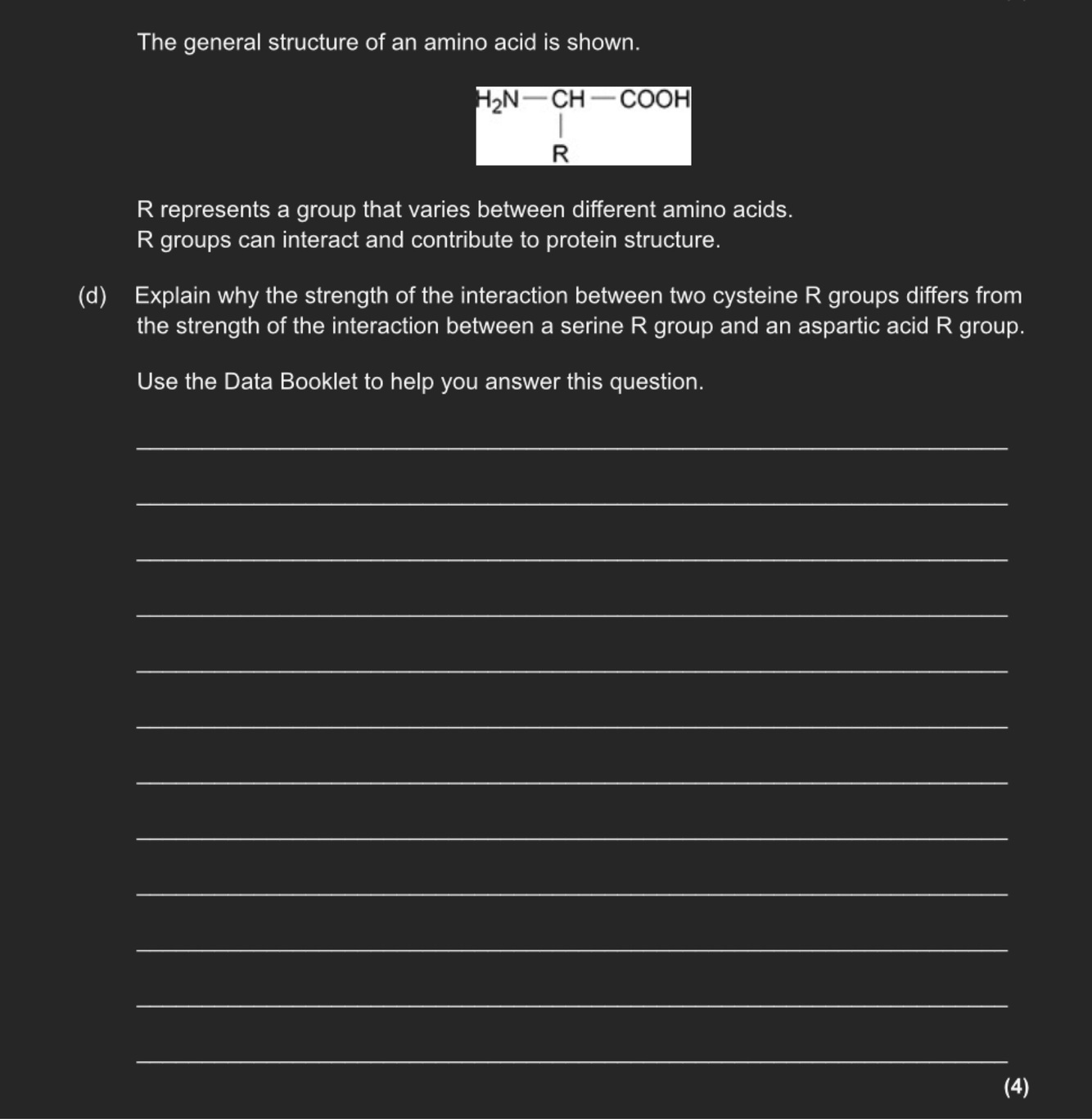
• Two Cys R groups form a disulfide bridge • Ser and Asp R groups form hydrogen bonds • Disulfide bridges are stronger than hydrogen bonds • Because disulfide bridges are covalent bonds while hydrogen bonds are not
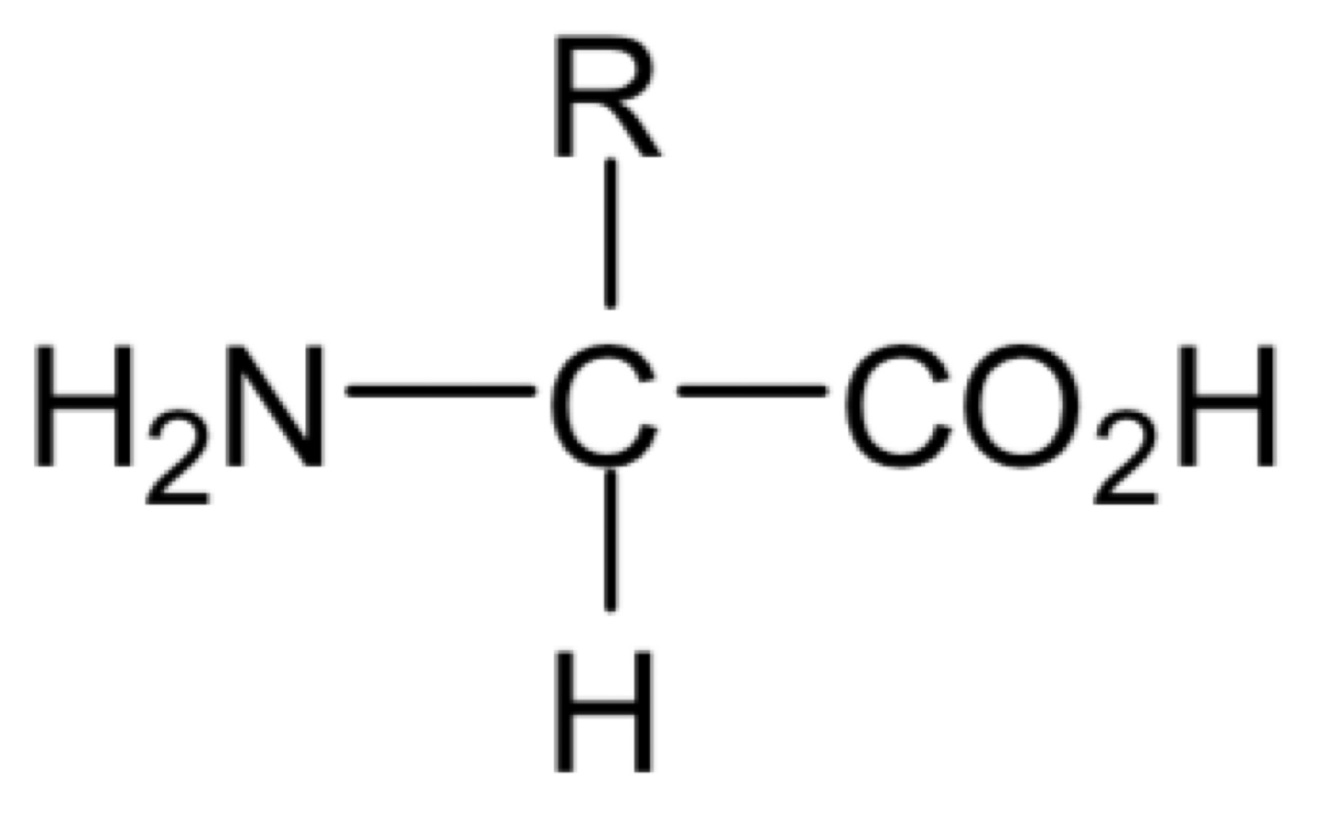
• Draw the general structure of an amino acid
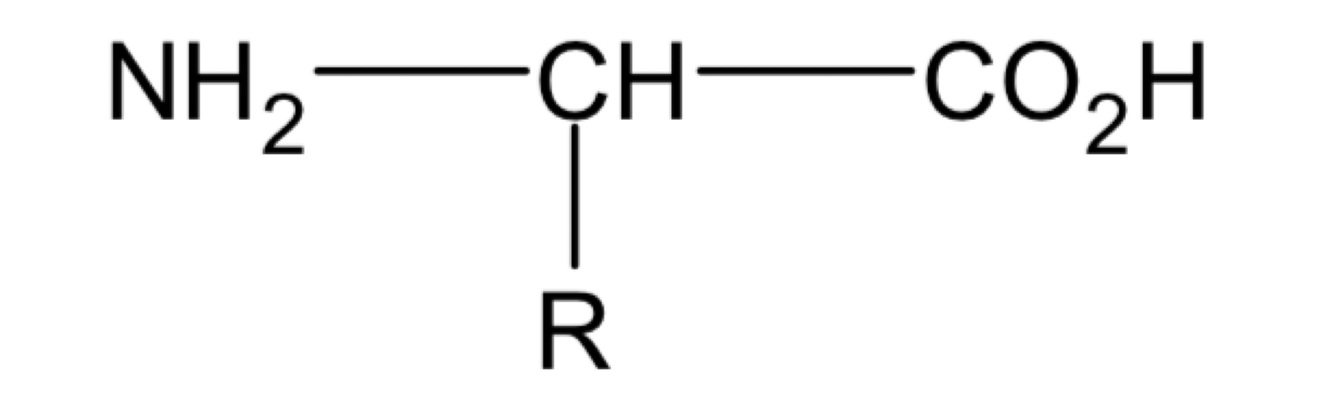
• What does the alpha in a amino acid mean?
• It means that the NH2 and COOH groups are bonded to the same carbon atom
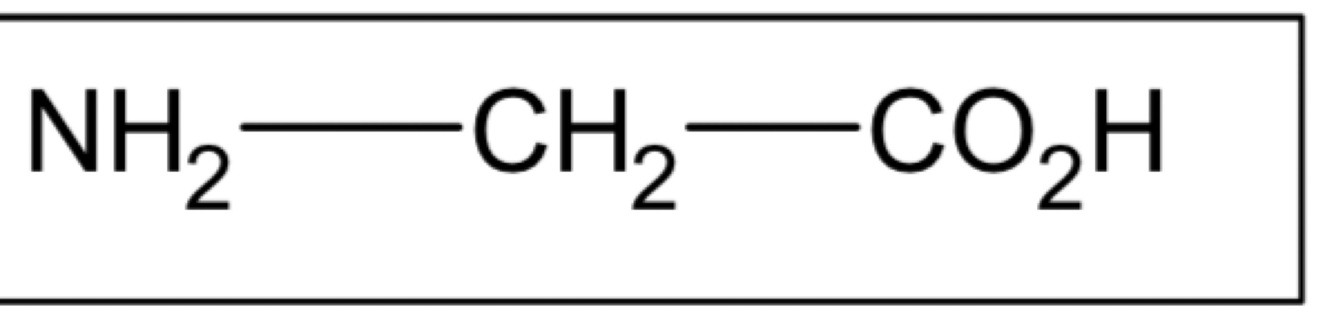
• What is the simplest amino acid?
• The simplest amino acid is glycine, where the R is an H
• Describe the optical activity of amino acids
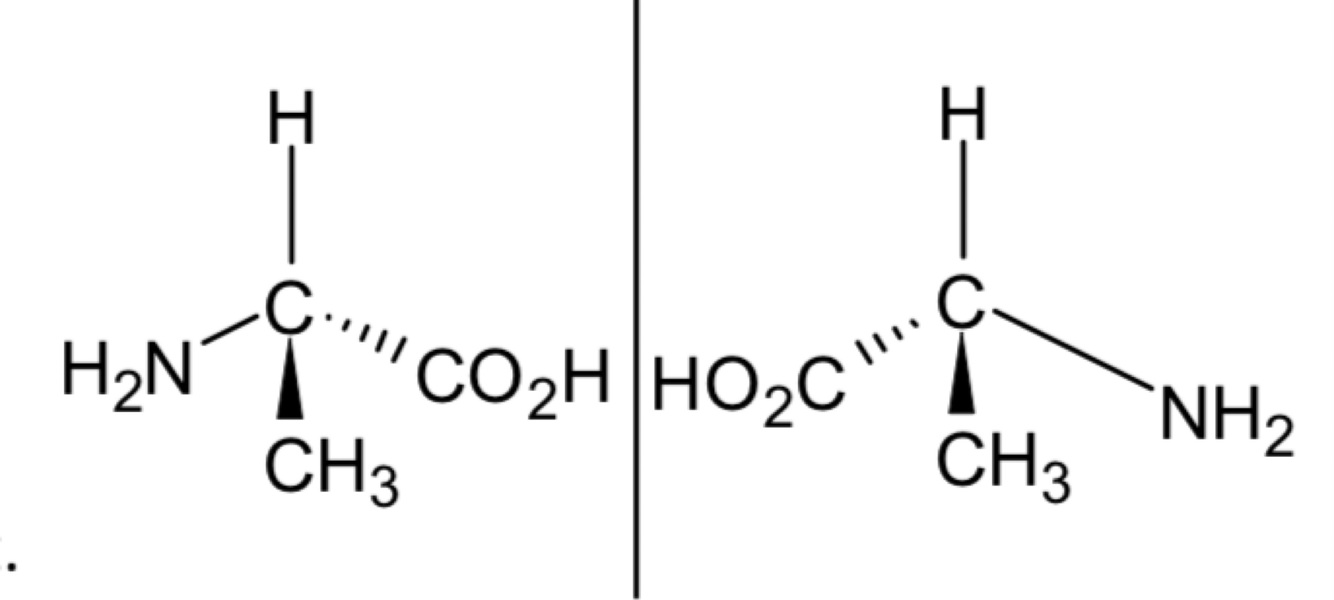
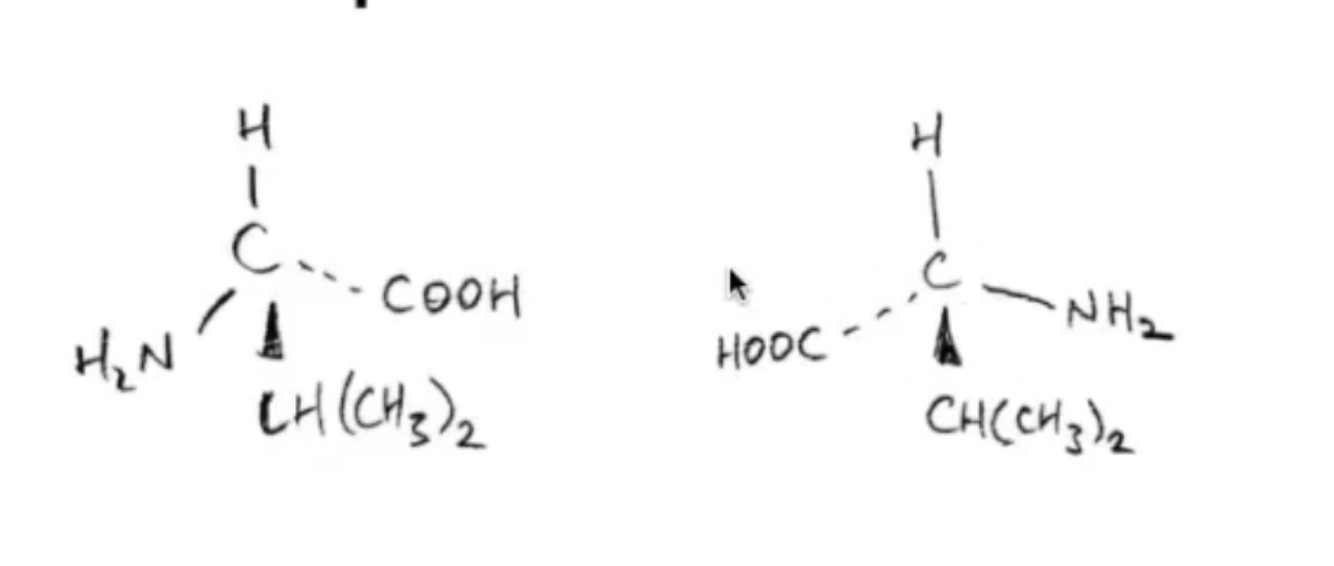
• All amino acids, except glycine, are chiral because there are four different groups bonded to the C • They rotate plane polarised light
• What do some amino acids have on their R group?
• Some amino acids have an extra carboxylic acid or an amine group on the R group • These are classed as acidic or basic amino acids
• What are Zwitterions?
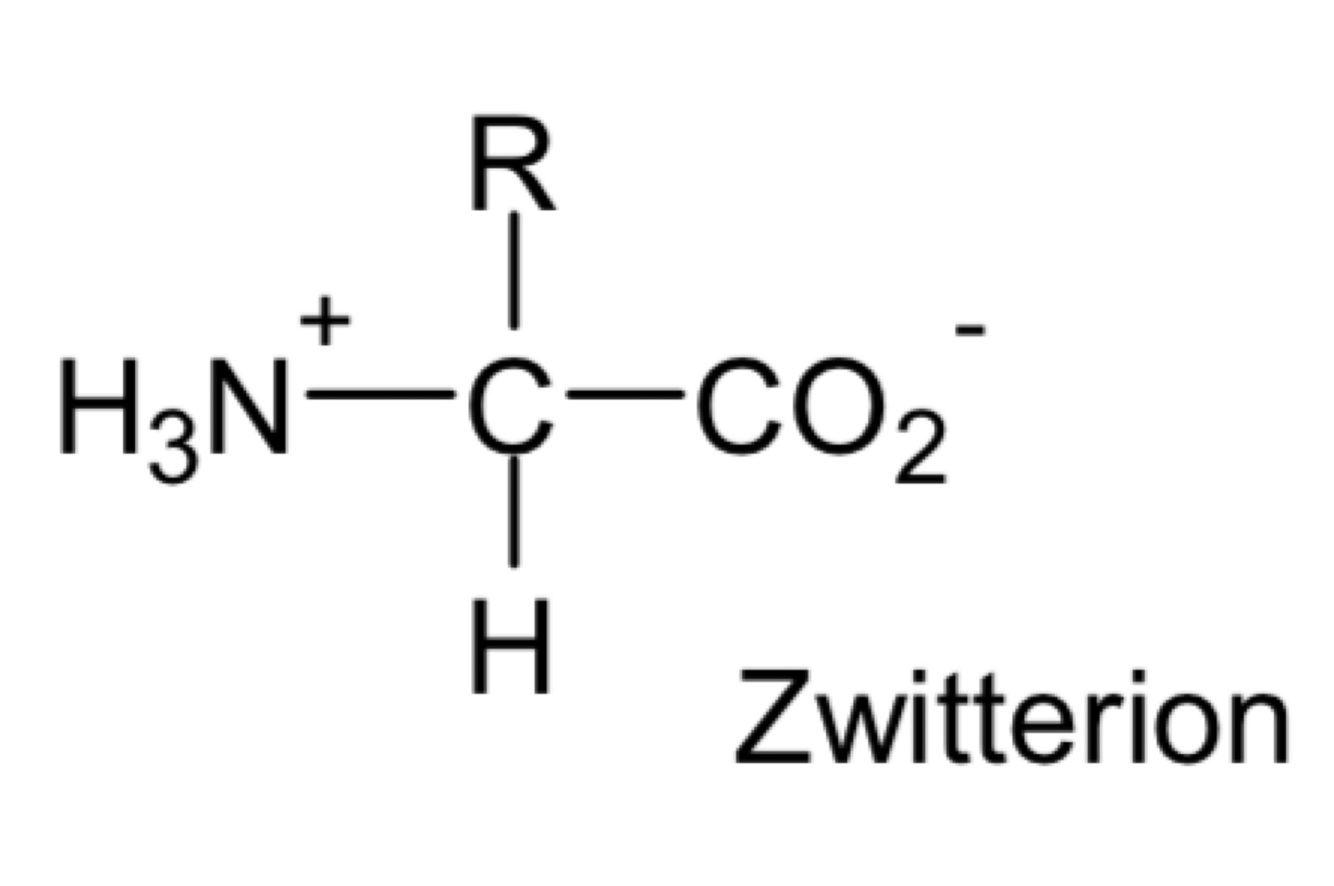
• The no charge form of an amino acid never occurs • The amino acid exists as a dipolar Zwitterion • Amino acids are often solids • The ionic interaction between Zwitterions explains the relatively high melting points of amino acids as opposed to the weaker hydrogen bonding that would occur in the no charge form
• Draw the zwitterion
• Describe the acidity and basicity of amino acids
• The amine group is basic and the carboxylic acid group is acidic • Amino acids act as weak buffers and will only gradually change pH if small amounts of acid or alkali are added to the amino acids • The extra carboxylic acid or amine groups will also react and change form in alkaline and acid conditions
• What are dipeptides?
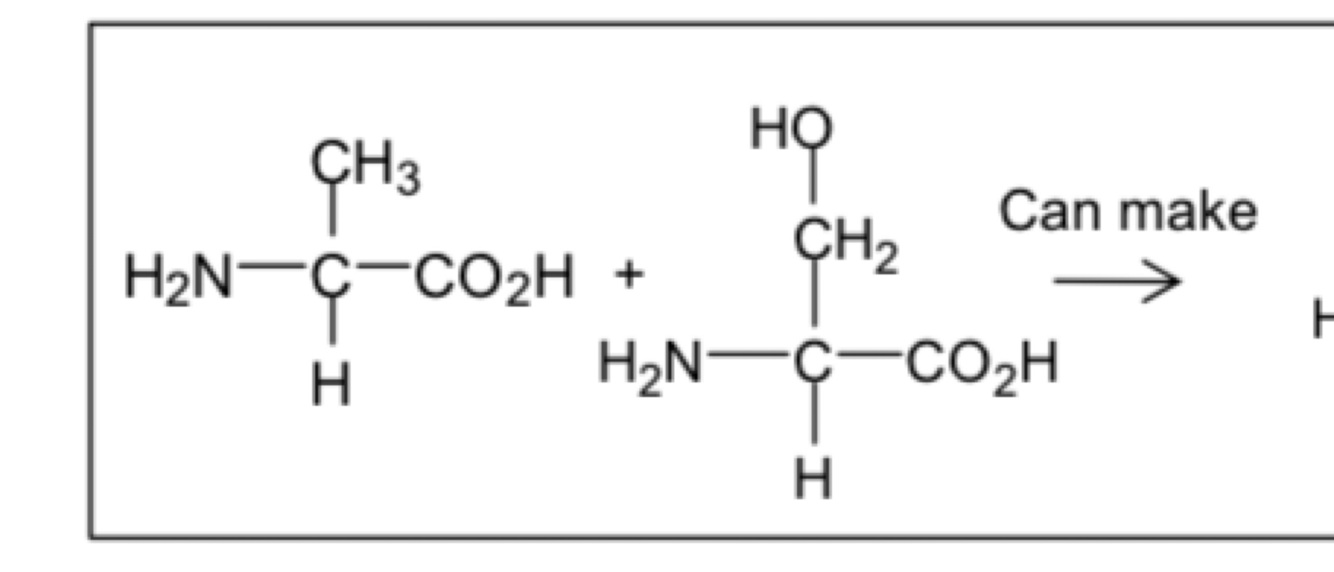
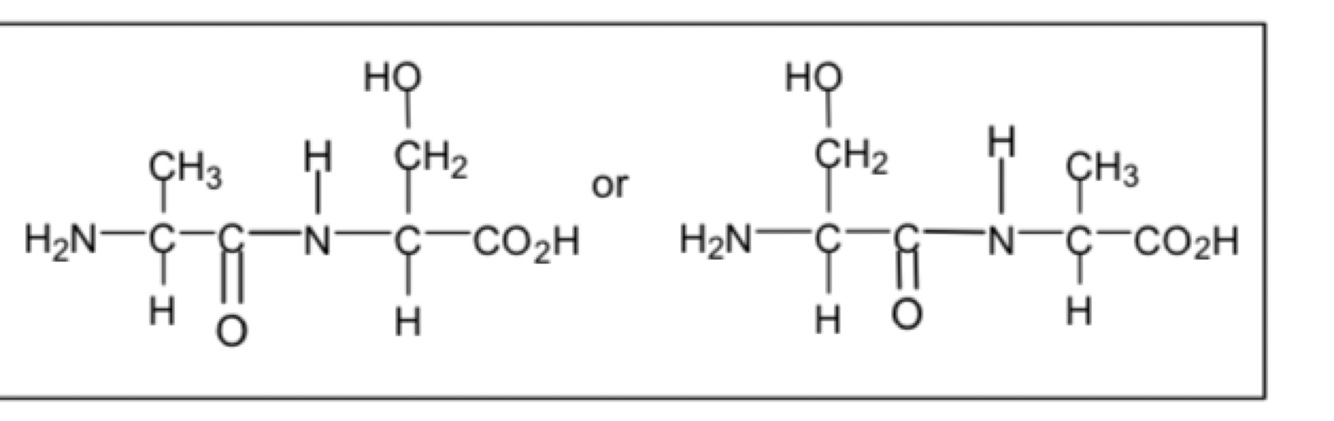
• Dipeptides are simple combination molecules of two amino acids with one amide (peptide) link • For any two different amino acids there are two possible combinations of the amino acids in the dipeptide
• Which 2 dipeptides can be made from these 2 amino acids?
• What are the other reactions of amino acids?
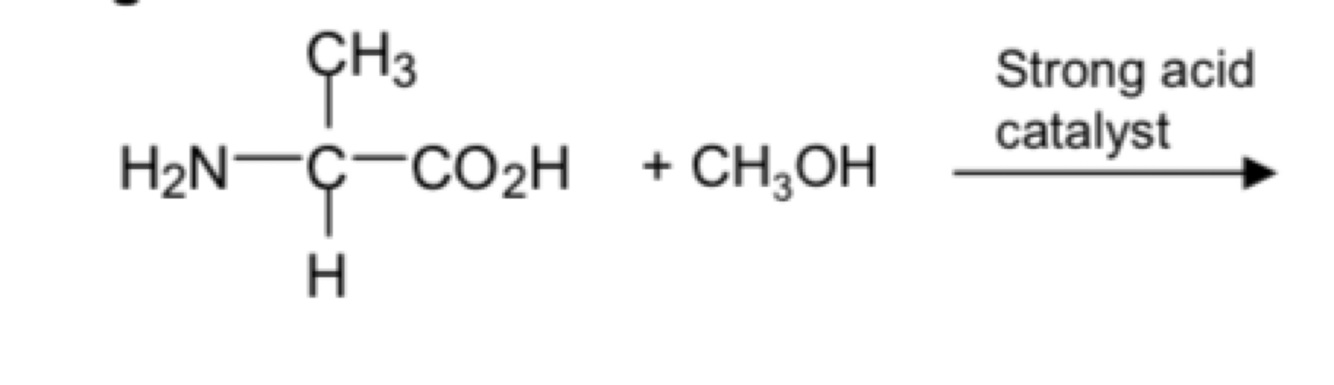
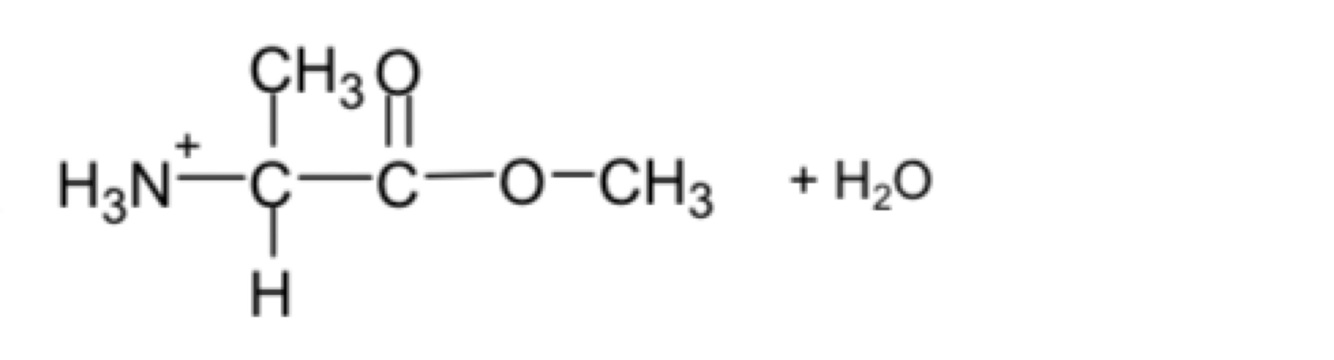
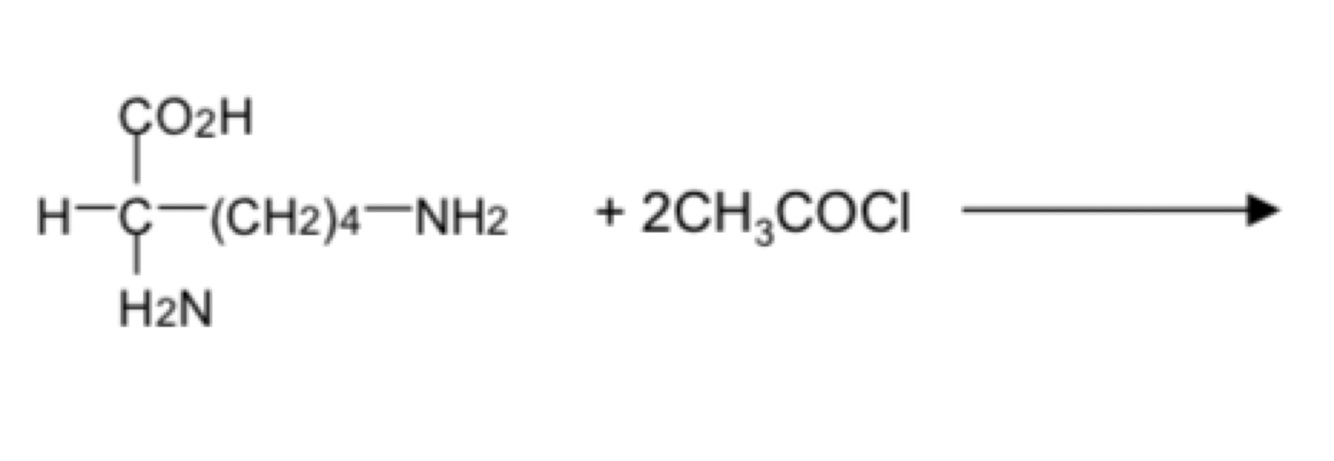
• The carboxylic acid group and amine group in amino acids can undergo the usual reactions of these functional groups
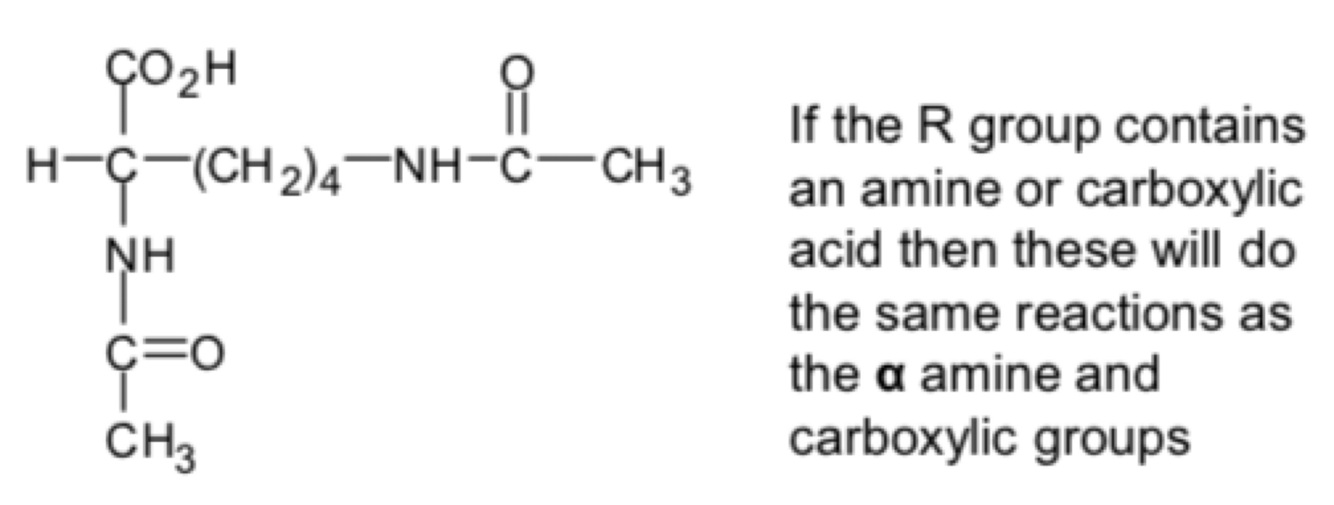
• Hydrolysis of dipeptides/proteins
• If proteins are heated with concentrated hydrochloric acid or concentrated strong alkalis they can be hydrolysed and split back into their constituent amino acids • The composition of the protein molecule may then be deduced by using TLC chromatography
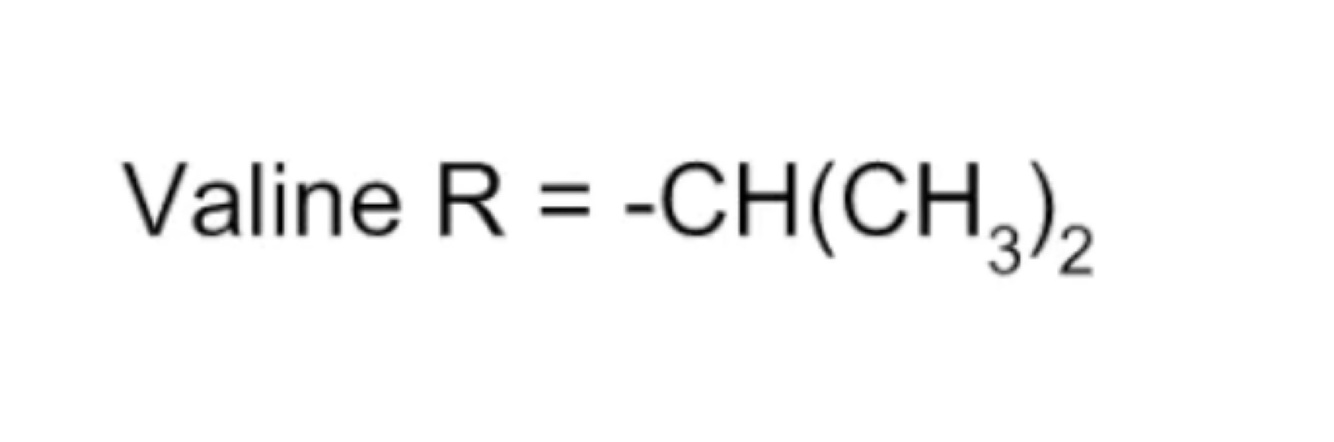
Draw the optical isomers
• What are the reactions of alpha amino acids?
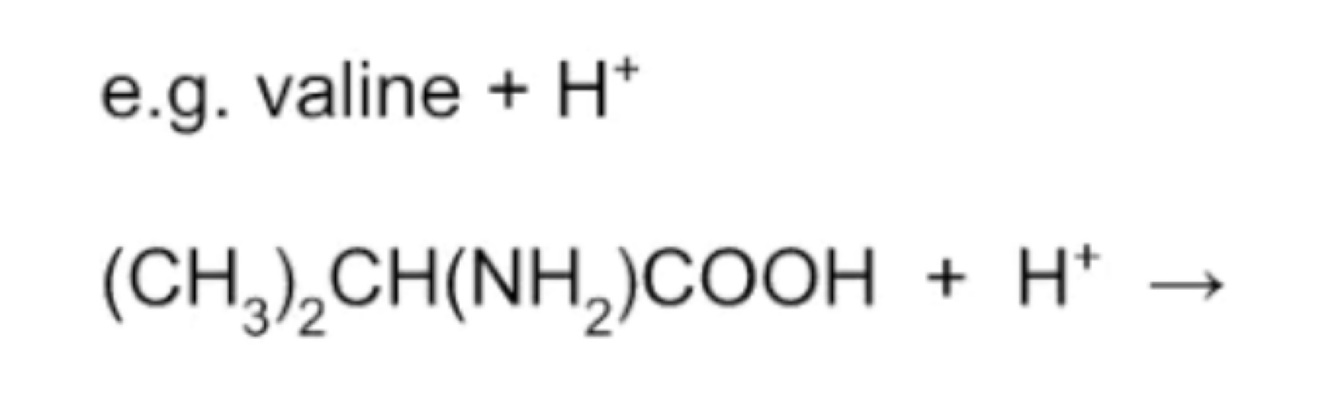
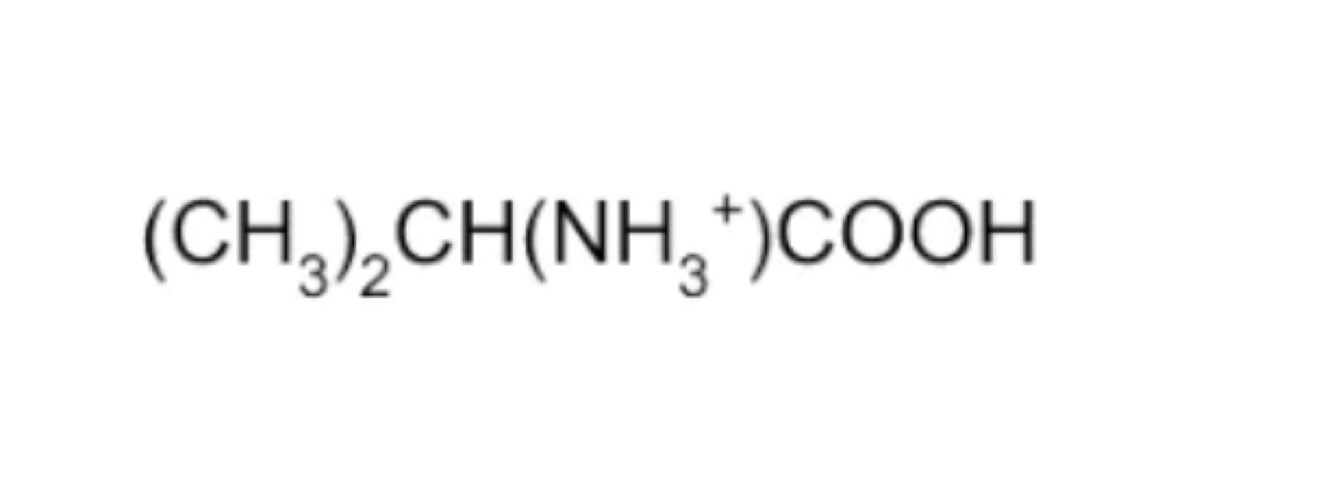
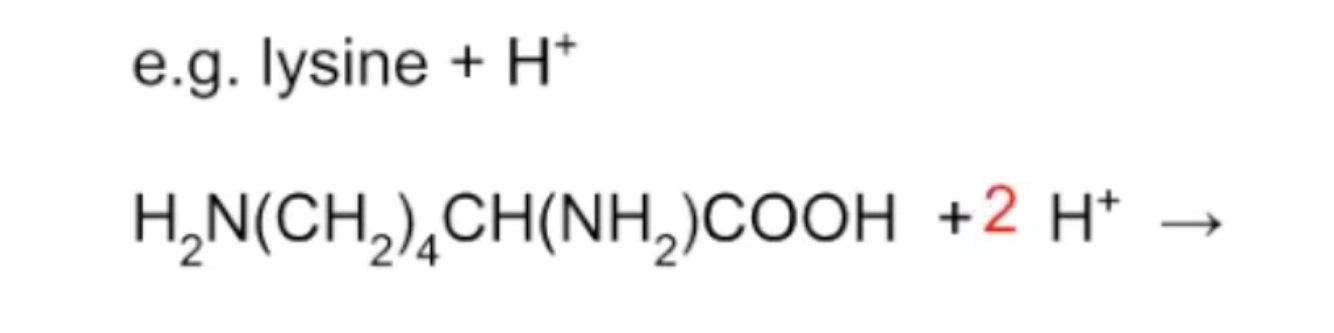
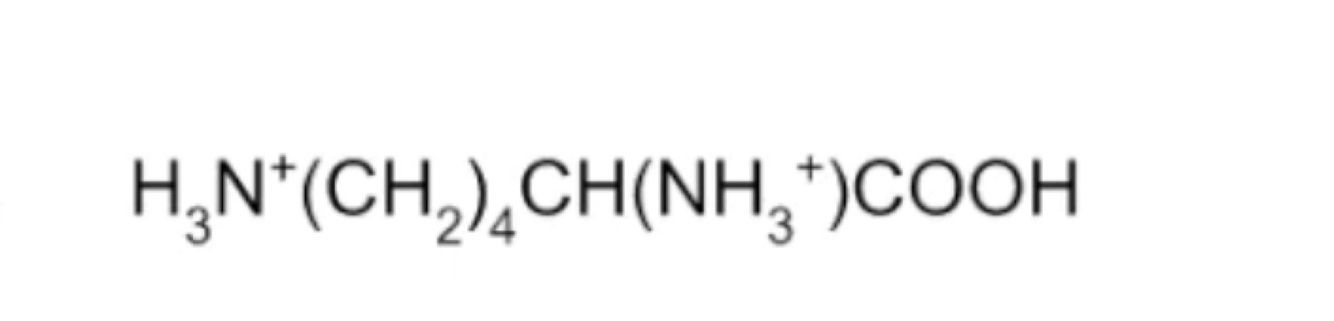
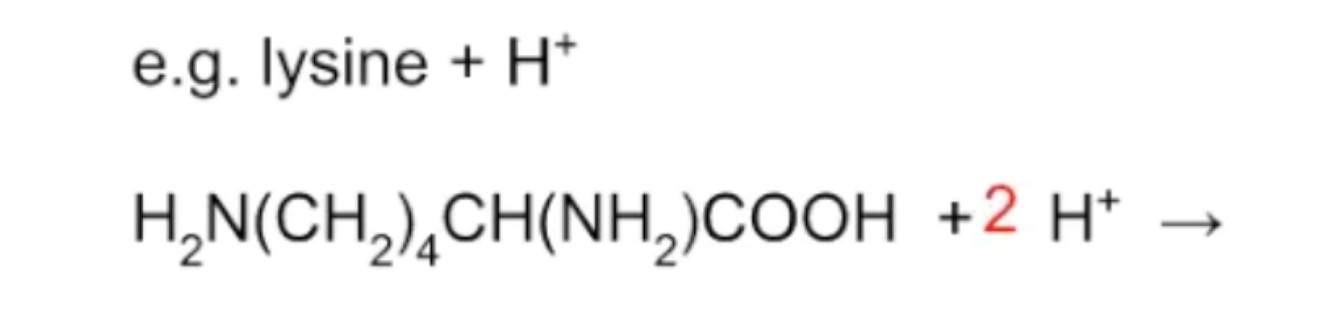
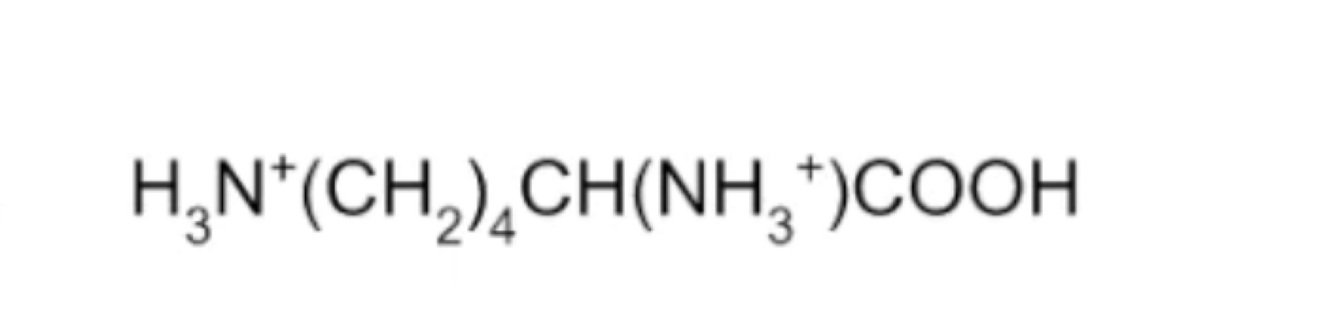
• NH2 groups react with acids to form the ammonium ion NH3+ • Lone pair on the nitrogen atom in the amine group forms a coordinate bond with the proton from the acid • COOH groups react with bases to form the carboxylate ion COO-
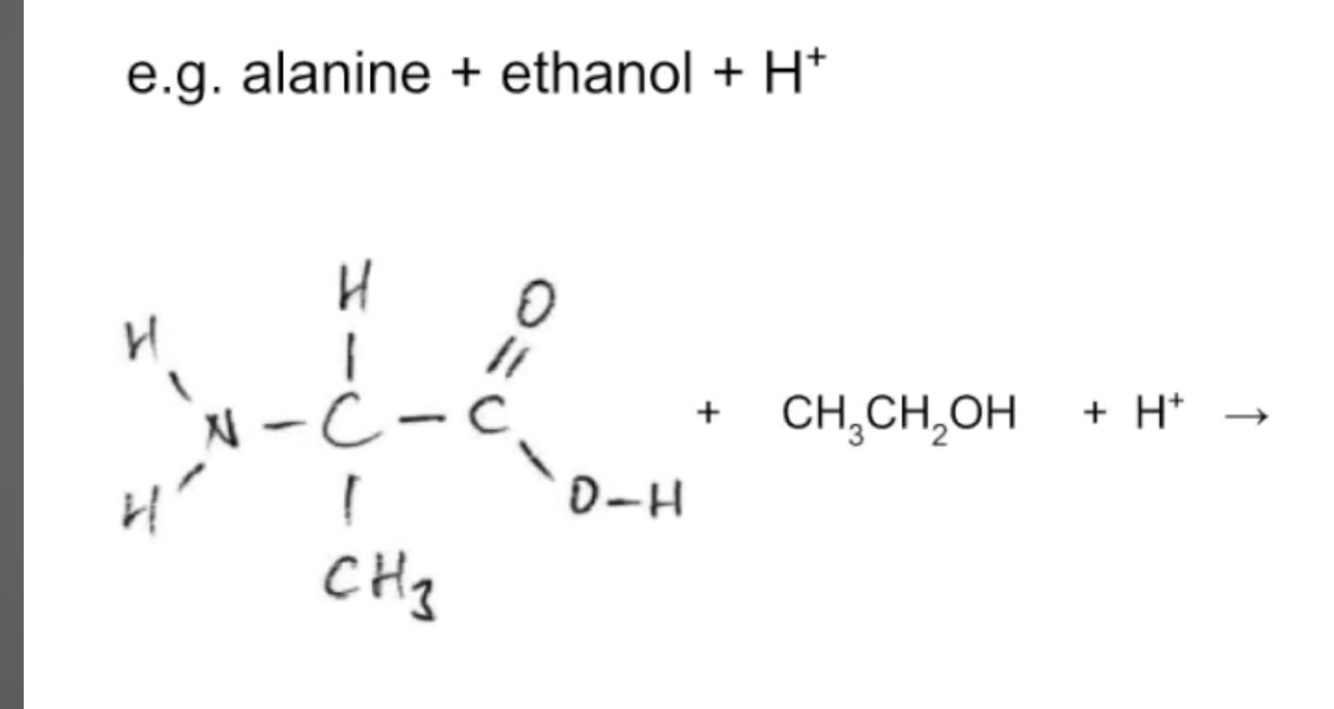
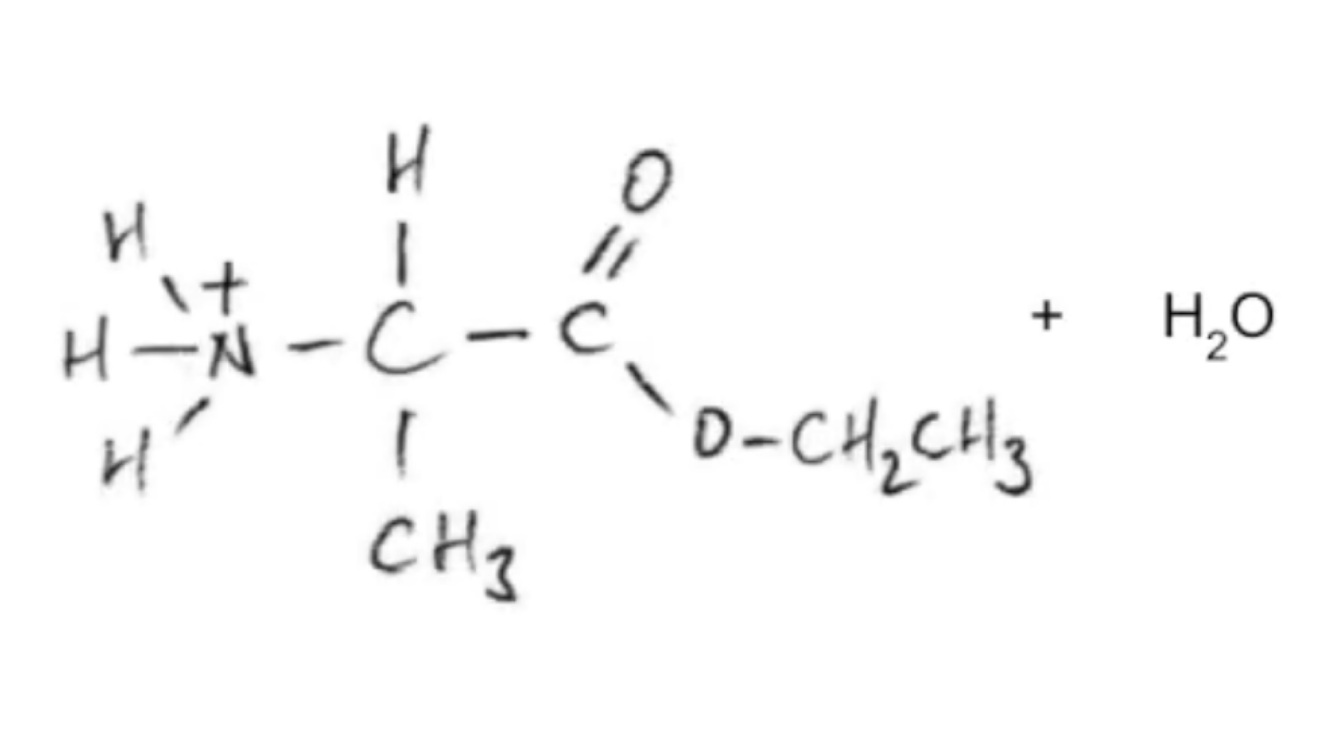
• Reagents and conditions for reaction of alpha amino acid to ester?
• Reagents: concentrated sulfuric acid and alcohol • Conditions: heat
• What are proteins?
• Proteins are polymers made from combinations of amino acids • The amino acids are linked by peptide links, which are the amide functional group