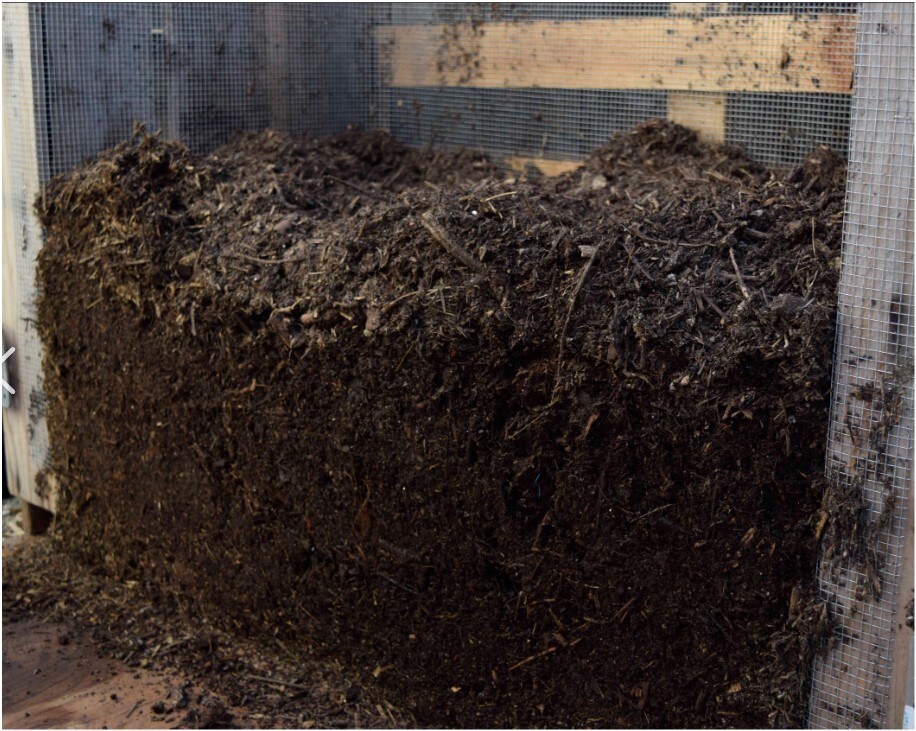
LO 5.1 - Management of soil fertility
No description yet. This curated deck is ready for daily study.
Card preview (24)
Question Laboratory advice on nutrient application rates is dependent on what? The Soil Index System
The amount of the relevant element in the soil that is available to plants. Reported in either mg/litre or mg/kg depending on the element. The Soil Index System
Question What are referred to as soil indices 1 to 4. On laboratory advice on nutrient application rates. The Soil Index System
For each element, tables have been produced according to whether the level of the element is: * Very low * Low * Medium * Sufficient/excess Indicate whether fertiliser application is likely to cause a response. The Soil Index System
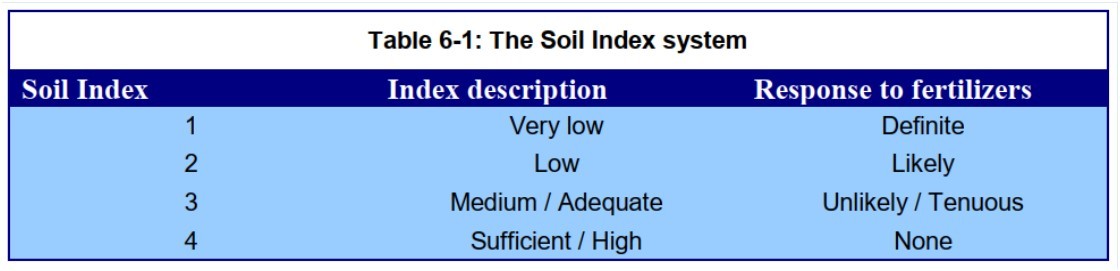
Question What are P, K, B in the graphic below. The Soil Index System
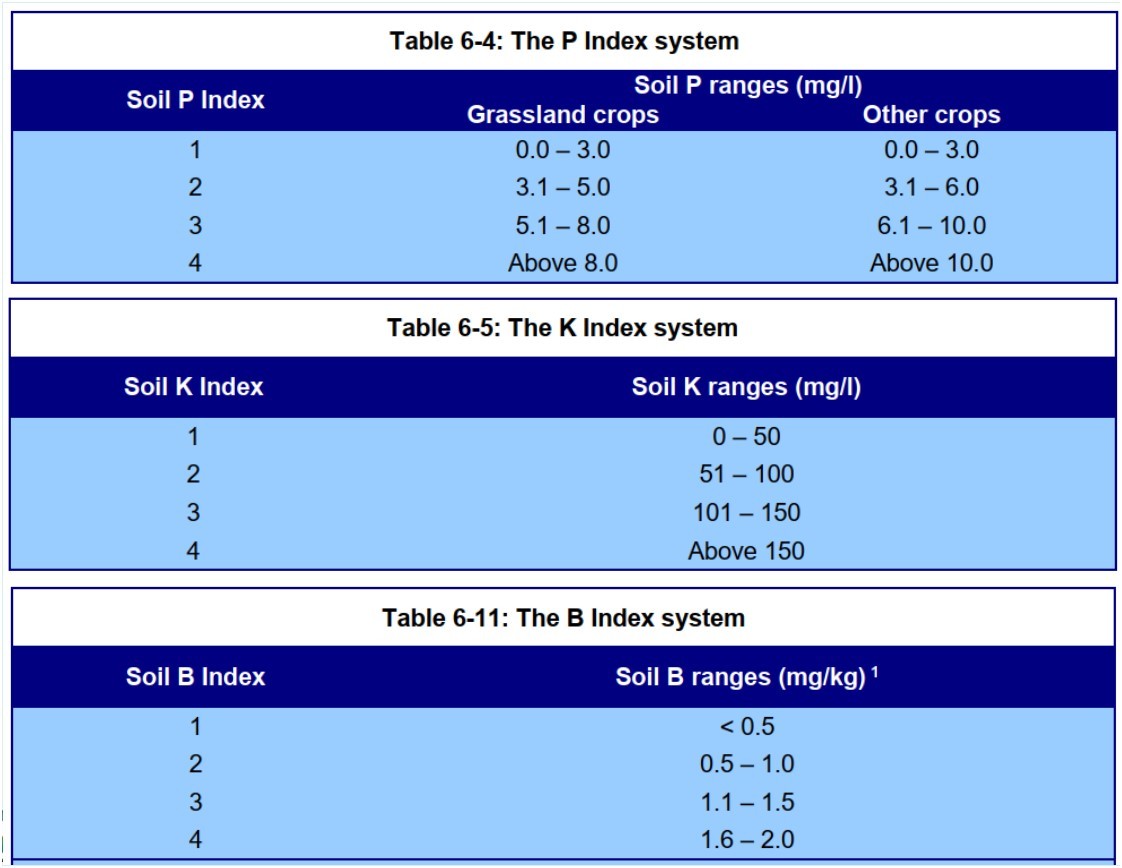
Phosporus (P) Potassium (K) Boron (B) The Soil Index System
Question What advise is given for Nitrogen? The Soil Index System
For nitrogen, there is no commercially available useful/reliable test. N advice is based on soil type, farming system/land use, previous N application and cropping history. The Soil Index System
Question Name some forms of Nitrogen. The Nitrogen Cycle
• Ammonia gas (NH3) • Nitrate (NO3-) • Nitrite (NO2-) • Ammonium (NH4+) The Nitrogen Cycle
Question What are the most available forms of Nitrogen? The Nitrogen Cycle
Nitrate and ammonium are the most available forms of nitrogen. Nitrogen gas is unavailable and must be converted to a usable form. The Nitrogen Cycle
Question What is Nitrogen Fixation? Three different ways it occurs. The Nitrogen Cycle
• Nitrogen-fixing bacteria living on the roots of some plants (Legumes) • Fixation by atmospheric electrical discharges – thunderstorms and lightning. • Synthetic nitrogen fertilisers eg Urea, Calcium Ammonium Nitrate (CAN) The Nitrogen Cycle
Info Graphic • Most soil nitrogen is unavailable as it is contained in slowly decomposing organic matter. • As micro-organisms break down this matter, ammonium is released which can become bound to soil particles. • It can be taken up by plants, or it can be converted to ammonia gas and lost. The Nitrogen Cycle
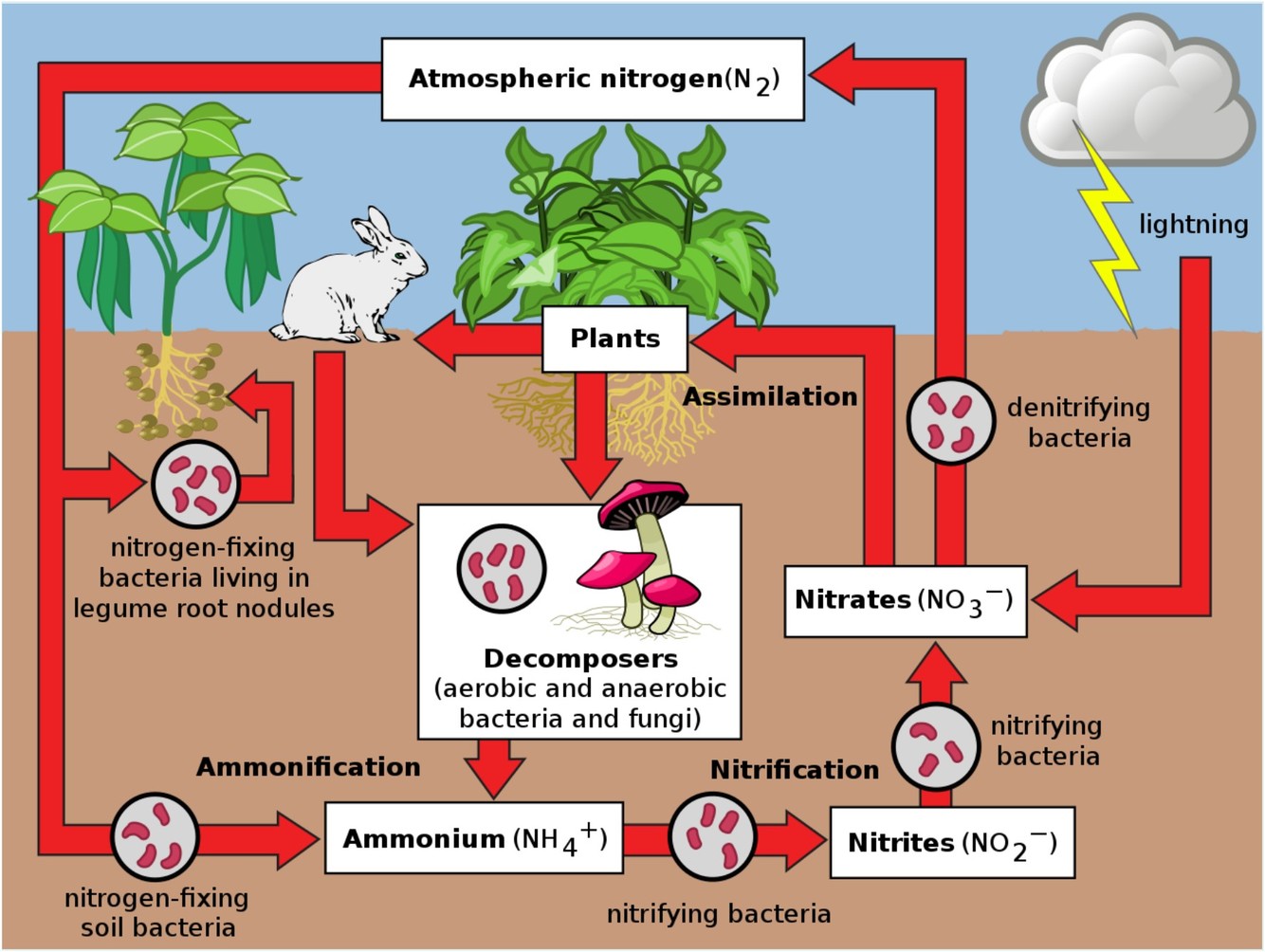
• Micro-organisms can take ammonium where it becomes unavailable to plants. • Ammonium in the soil can be converted to nitrate by bacteria in a process called nitrification. • The nitrate can then be either taken up by plants, or lost due to leaching. The Nitrogen Cycle
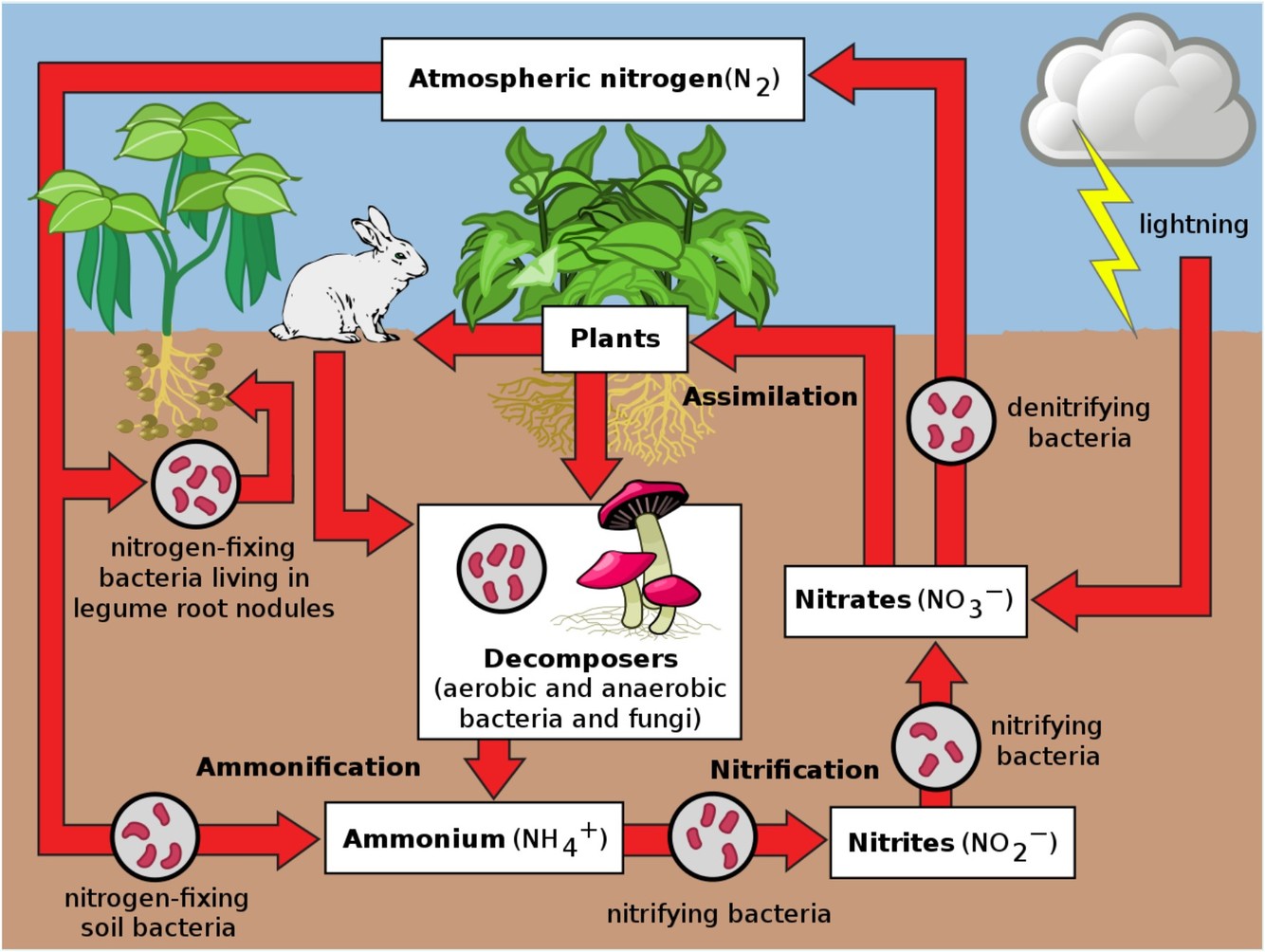
Question What is denitrification? The Nitrogen Cycle
• In soils with poor aeration, nitrates can be converted into gases which are released into the atmosphere. • 10% to 20% of nitrates from fertilisers may be lost. The Nitrogen Cycle
Question What is Green Manure? Green Manures
Green manure are specific plants or crop varieties that are grown and turned into the soil to improve its overall quality. Fast-growing plants sown to cover bare soil. Green Manures
Question What are Green Manure in a veg garden? Green Manures
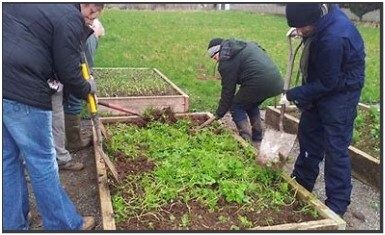
• Often used in veg garden. Foliage smothers weeds & protects soil from compaction caused by rain. Roots prevent soil erosion. • When dug into the ground while still green, they return valuable nutrients to the soil and improve soil structure. Green Manures
Question What time of season to apply Green Manure? Green Manures
• Green manures usually sown late summer/autumn – take up nutrients, preventing them being washed away by winter rain. • When dug in the following spring, they release these nutrients back into the soil. Green Manures
Question List some plants suitable for use as Green Manure. 13 listed Green Manures
• Alfalfa (Medicago sativa): Perennial legume. • Alsike clover (Trifolium hybridum): Perennial legume. • Bitter blue lupin (Lupinus angustifolius): Perennial flowering legume. • Buckwheat (Fagopyrum esculentum): Half hardy annual. • Crimson clover (Trifolium incarnatum):Perennial legume. • Essex red clover (Trifolium pratense): Hardy perennial legume. • Fenugreek (Trigonella foenum-graecum): Annual legume. • Grazing rye (Secale cereale): Grass. • Mustard (Sinapis alba): Brassica family. • Phacelia (Phacelia tanacetifolia): • Trefoil (Medicago lupulina): Legume. • Winter field bean (Vicia faba): Annual legume. • Winter tares (Vicia sativa): Annual legume. Green Manures
Question What are some techniques for making Green Manure? Green Manures
• Sow seeds in rows, or broadcast them across the soil and rake into the surface. • Once the land is needed for cropping, chop the foliage down and leave it to wilt. • Then dig the plants and foliage into the top 25cm of soil. • Leave for two weeks or more before sowing or planting out as decaying green materials can hamper plant growth. Green Manures
Question What is Composting? Composting
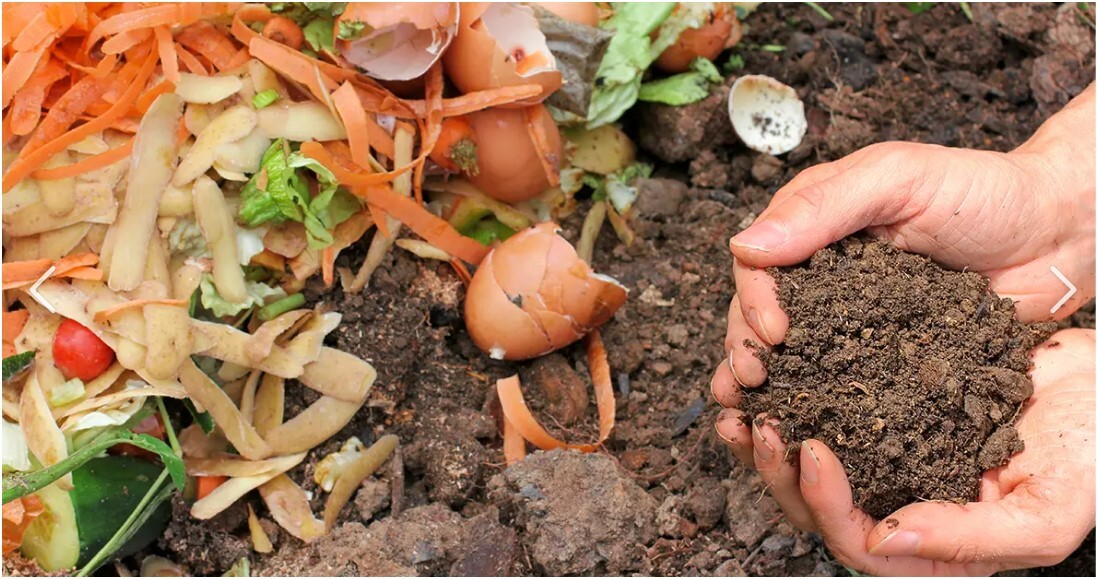
Composting is the most environmentally-friendly way of dealing with kitchen and garden waste, plus it produces compost that can be used as an excellent soil improver. Composting
Question When should you compost? Composting
Composting is done all year, as and when suitable materials are generated in the garden or home. However late summer to early winter is the peak time for making compost. Composting
Question What site should you compost on? Composting
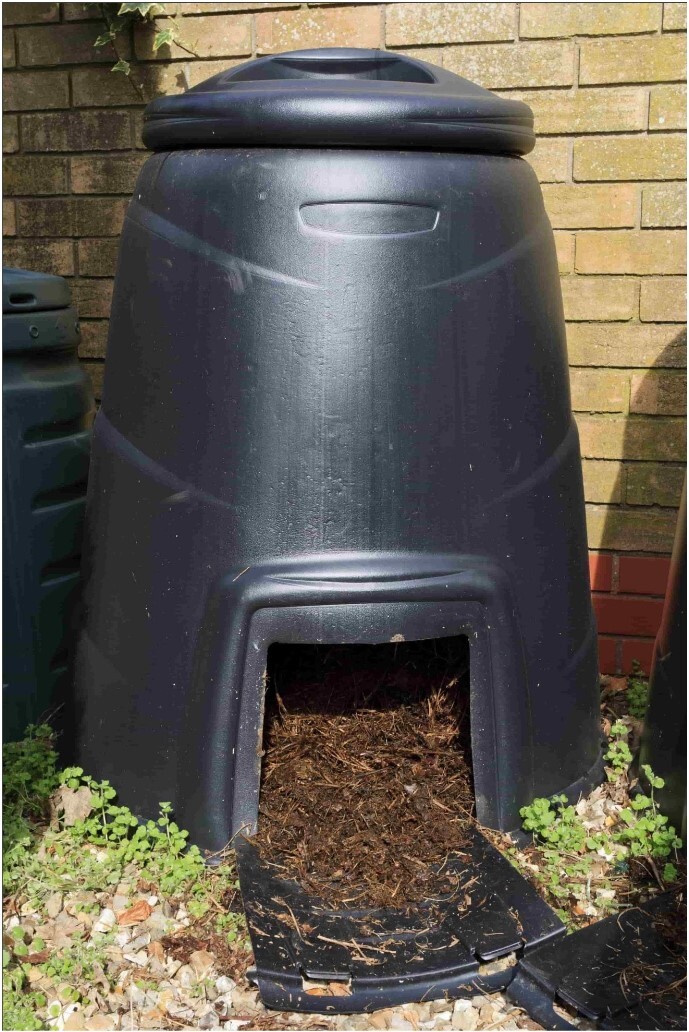
Compost site * Should not have extremes of temperature and moisture. * Position the bin in light shade or shade. * An earth base allows drainage and access to soil organisms. Composting
Question What container should you compost in? Composting
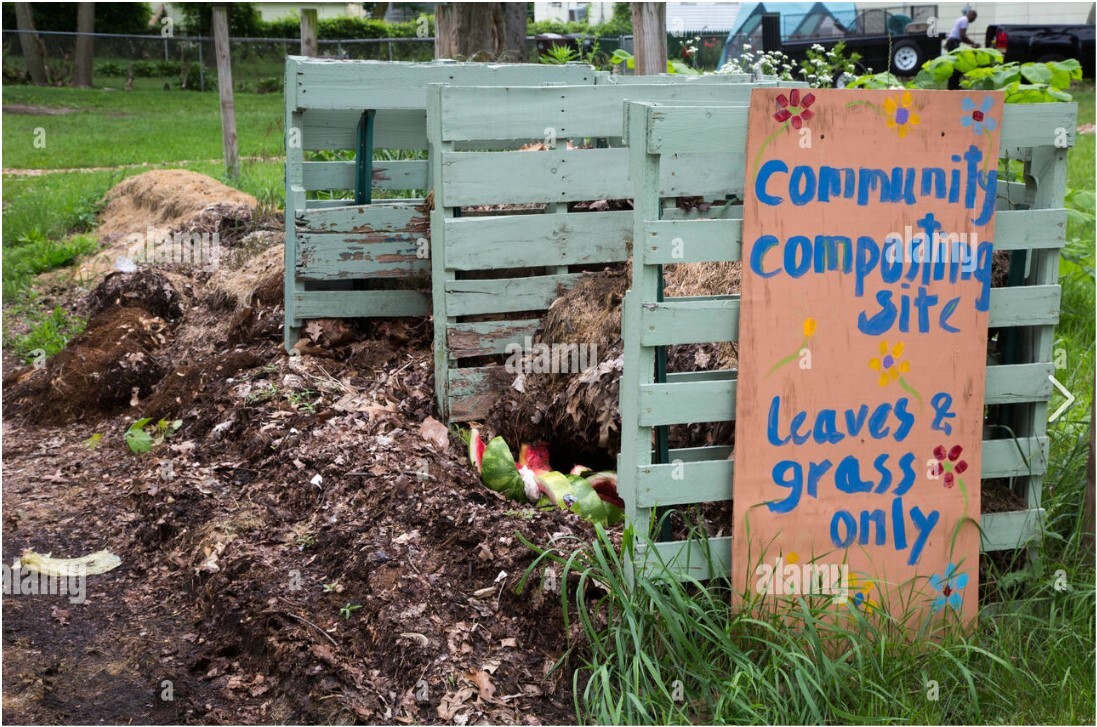
Compost container * Bins retain some warmth and moisture and make better compost more quickly. * A container should exclude rain, retain some warmth, allow drainage and let in air. * Bins less than 1m3 in size are much less effective than larger ones. Composting
Question What types of materials should you compost with? Composting
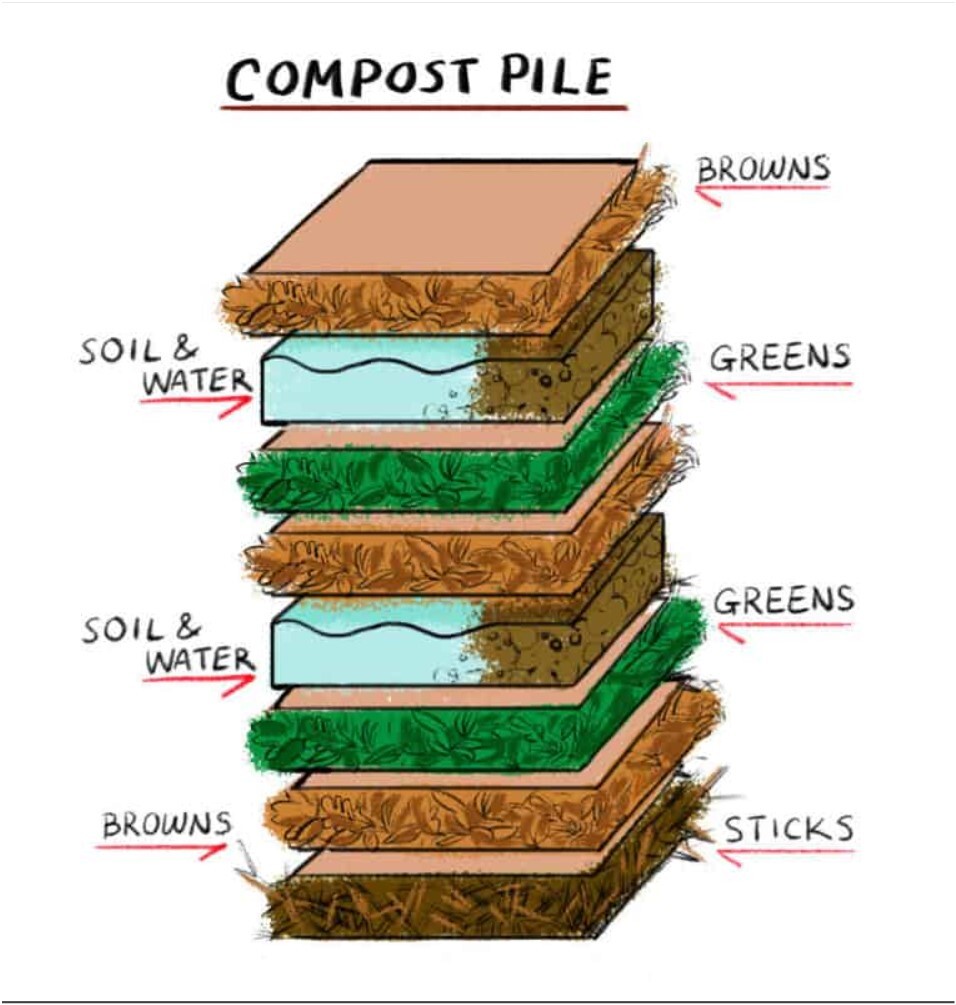
Compost materials types: Greens and Browns * Aim for between 25 and 50 percent soft green materials. * The remainder should be woody brown material. Composting
Question Name some greens suitable for a compost heap. Composting
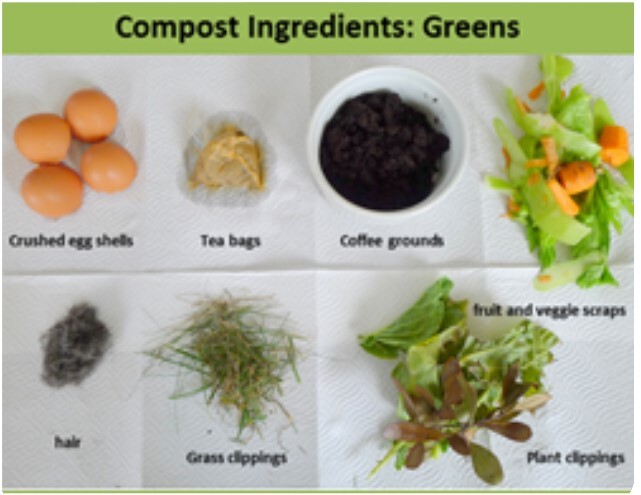
Compost Greens (Nitrogen) * grass clippings * annual weeds * vegetable kitchen waste * manure Composting
Question Name some browns suitable for a compost heap. Composting
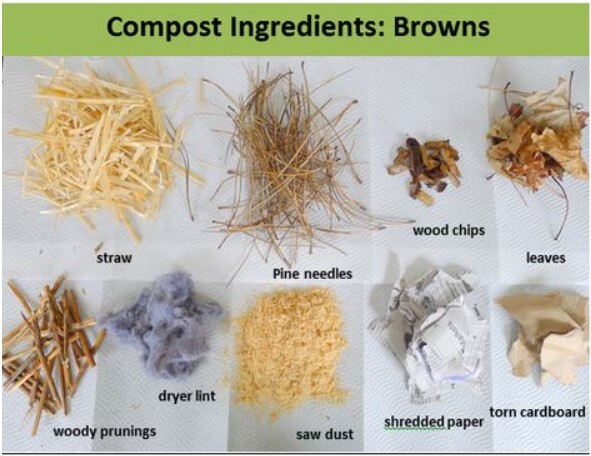
Compost Browns (Carbon) * Prunings. * wood chippings. * paper. * cardboard. * straw. * dead leaves. Composting
Question What are accelerators and activators for a compost heap? Composting
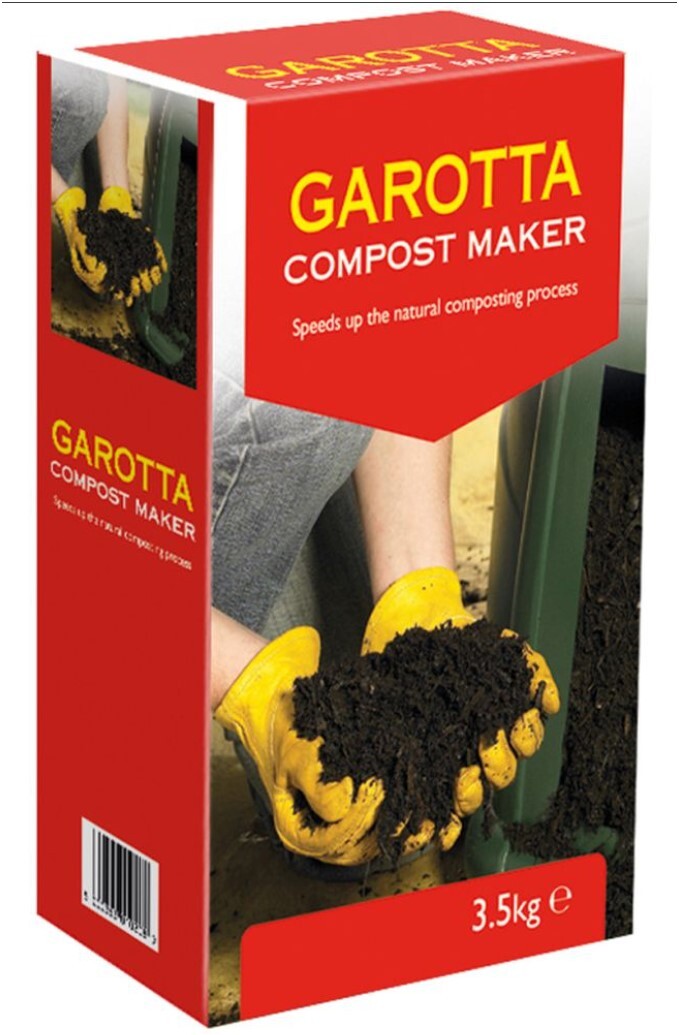
Accelerators and activators: * Products such as ‘Garotta’ are sometimes added where green waste is in short supply. * It is possible to purchase activators containing carbon. Composting
Question Why do you turn the compost heap. Composting
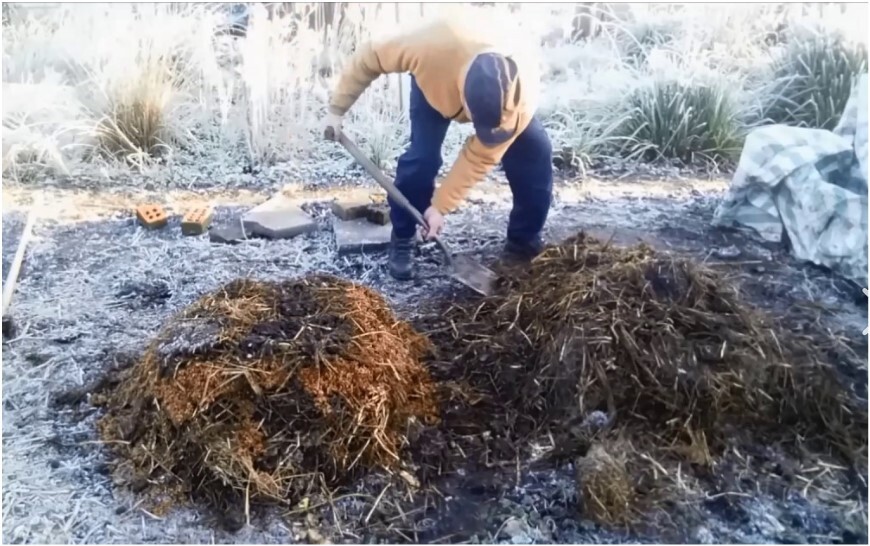
• Turning the heap adds air; air is necessary for composting to occur. • If the heap is too wet or becomes compacted, then the composting process is slower as less air is available. • Turn periodically (perhaps every month) to introduce air. • Turning will give you an opportunity to assess the moisture level. Composting
Question How long does it take for compost to mature? Composting
• Compost can take between six months and two years to reach maturity. • Mature compost will be dark brown, with a crumbly soil-like texture and a smell resembling damp woodland. Composting