Atomic Structure
No description yet. This curated deck is ready for daily study.
Card preview (24)
Name the group of elements highlighted below
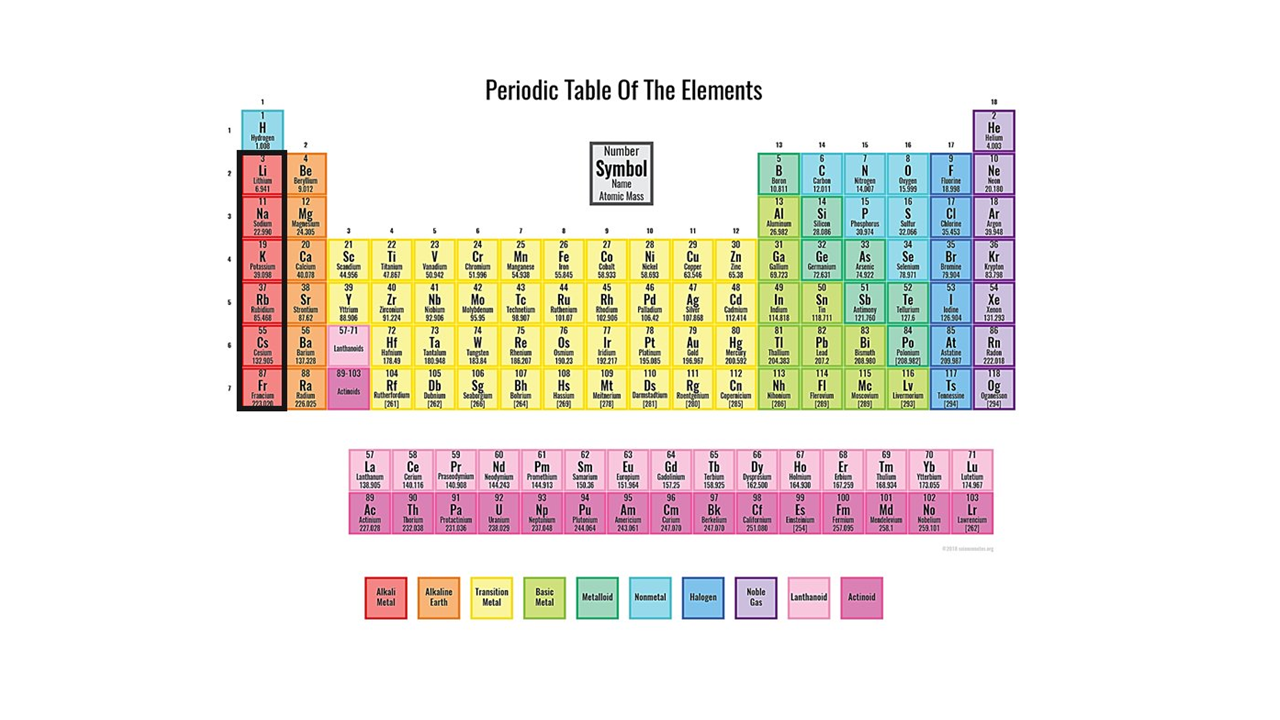
Alkali Metals
Name the group of elements highlighted below
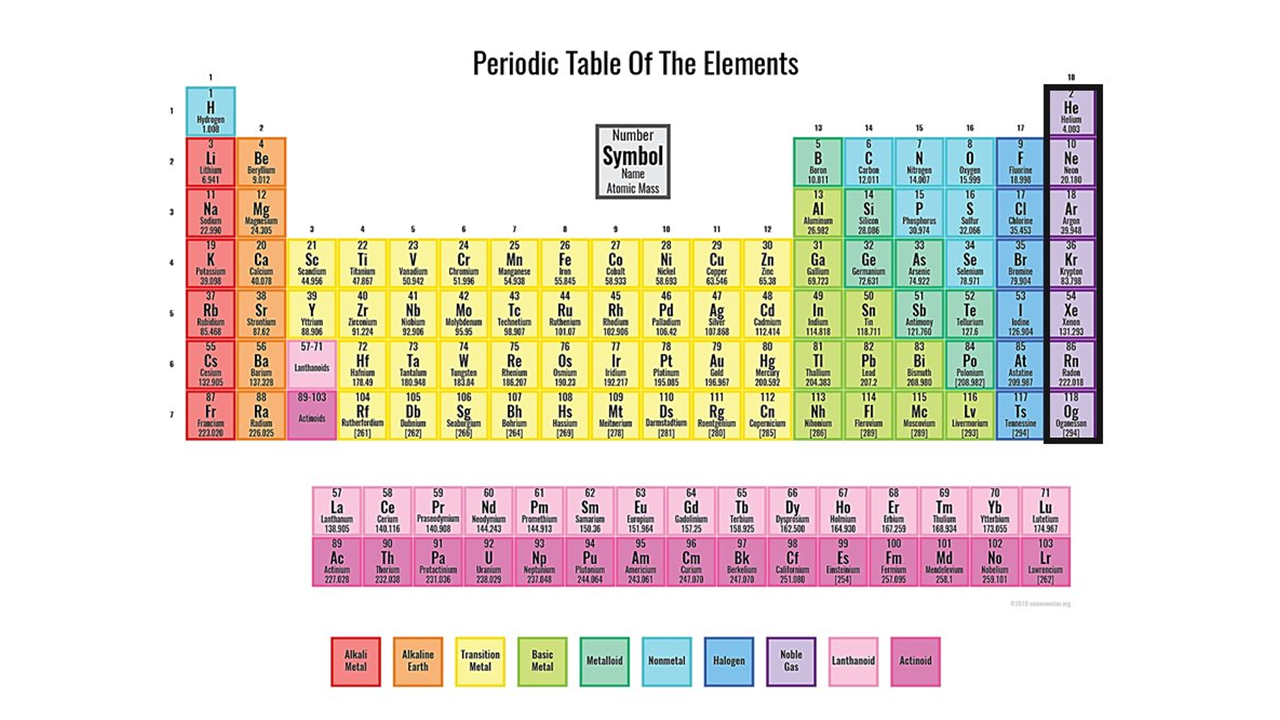
Noble Gases
Name the group of elements highlighted below
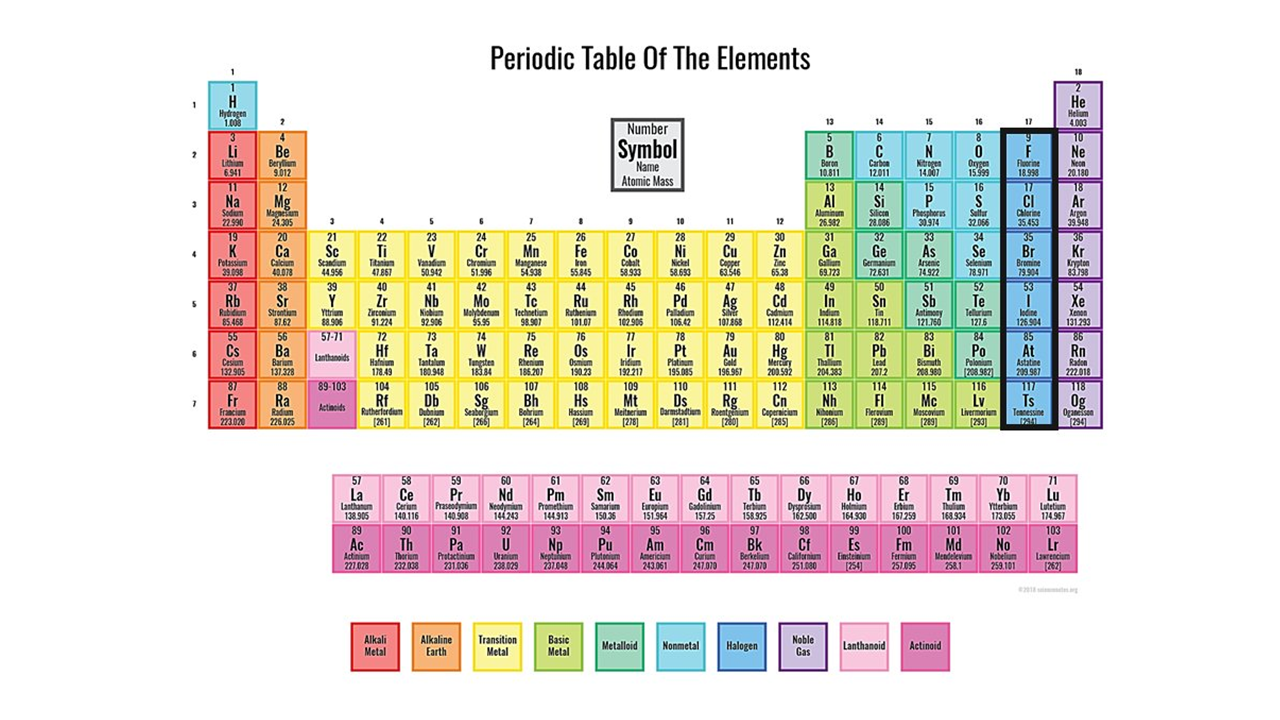
Halogens
Name the group of elements highlighted below
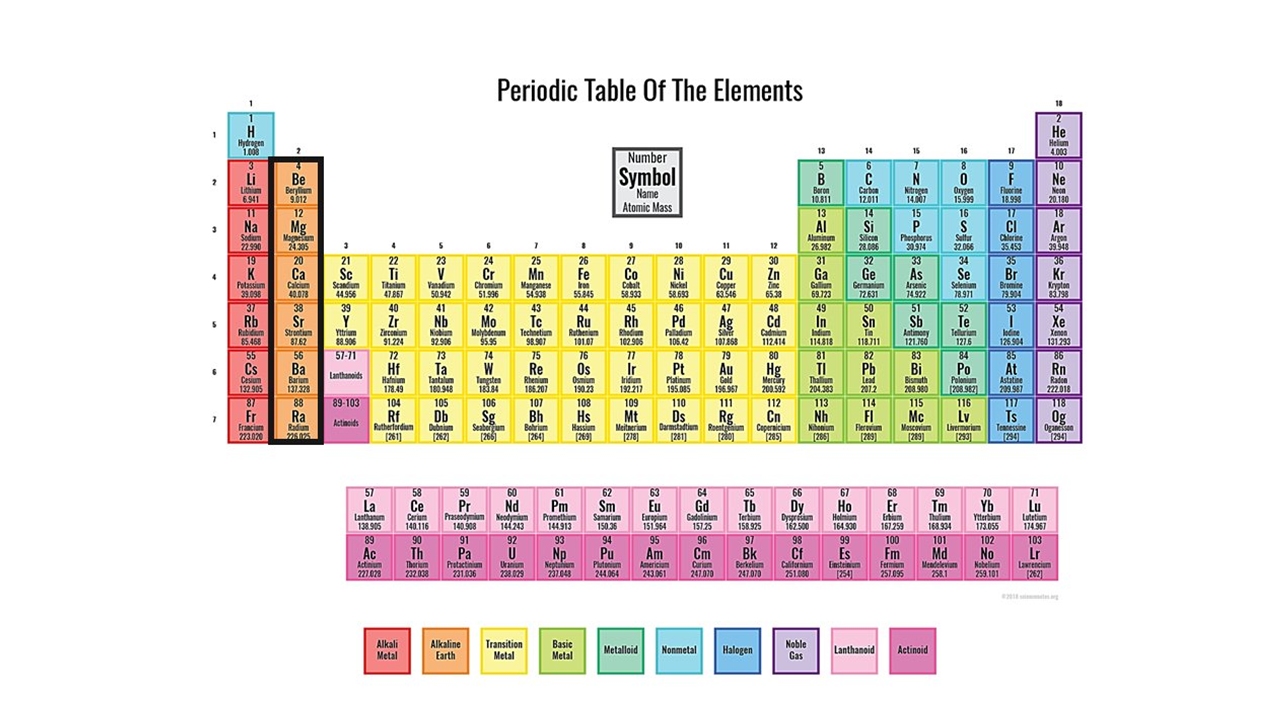
Alkaline Earth Metals
Name the group of elements highlighted below
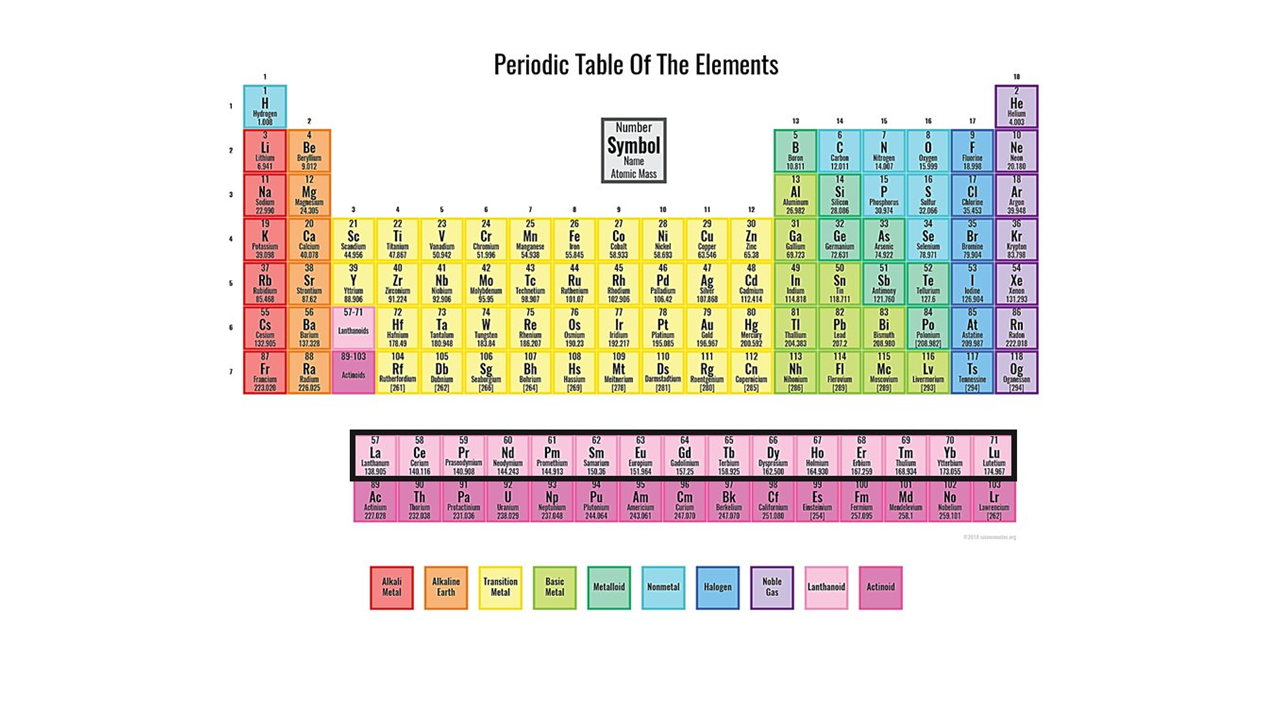
Lanthanides
Which orbital is shown below?
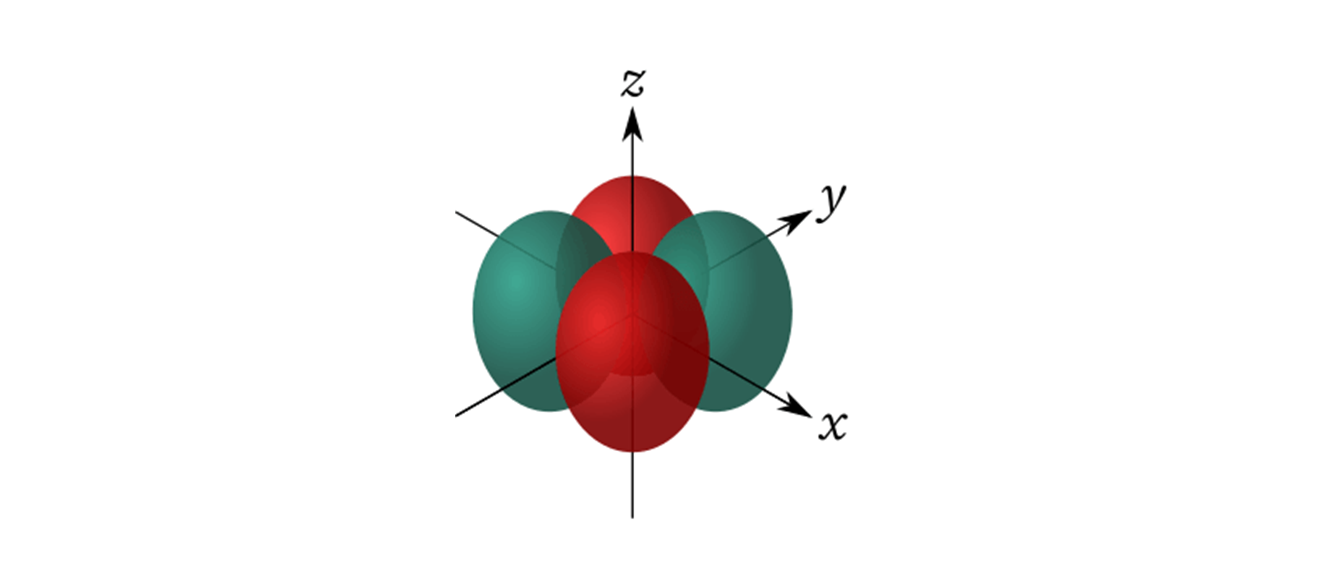
dxy orbital
Which orbital is shown below?
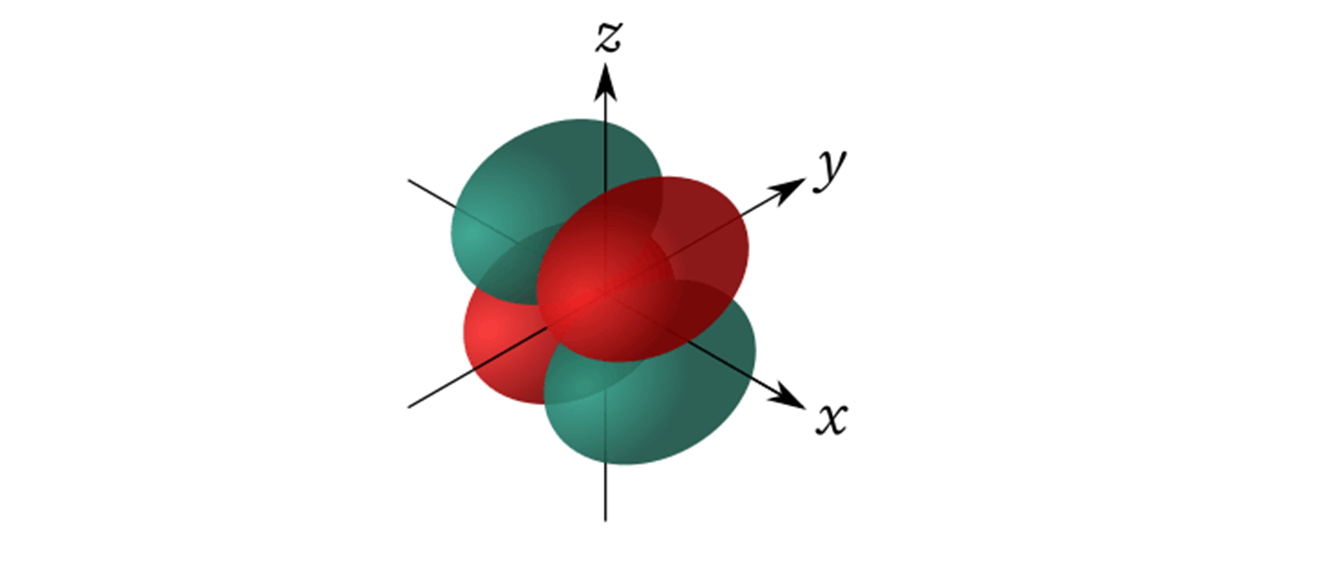
dxz orbital
Which orbital is shown below?
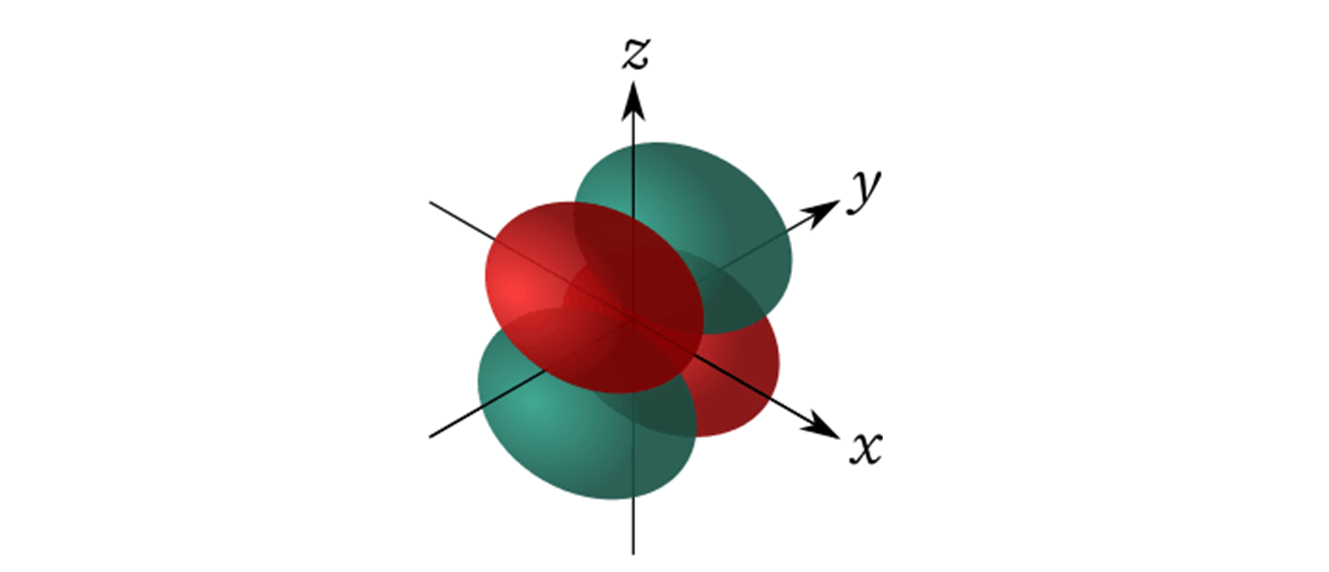
dyz orbital
Which orbital is shown below?
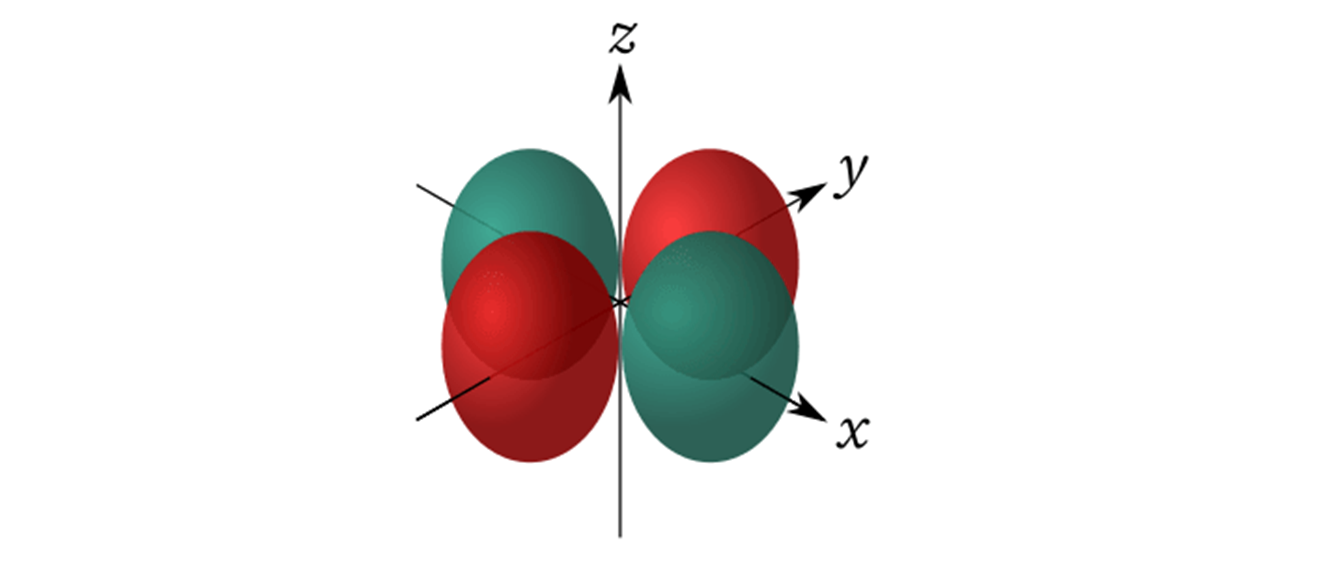
dx2-y2 orbital
Predicting Oxidation State from Bond lengths As a general rule, the size of an ion will decrease by____Å by going from high spin to low spin.
>0.09 Å
Predicting Oxidation State from Bond Lengths As a general rule, the size of an ion will decrease by ______ Å per increase in positive charge (Important: Spin state change leads to deviations from this rule of thumb.)
0.03-0.07 Å
The size of an ion of the same charge will increase by_____ Å per increase in bound ligand.
0.05-0.1 Å
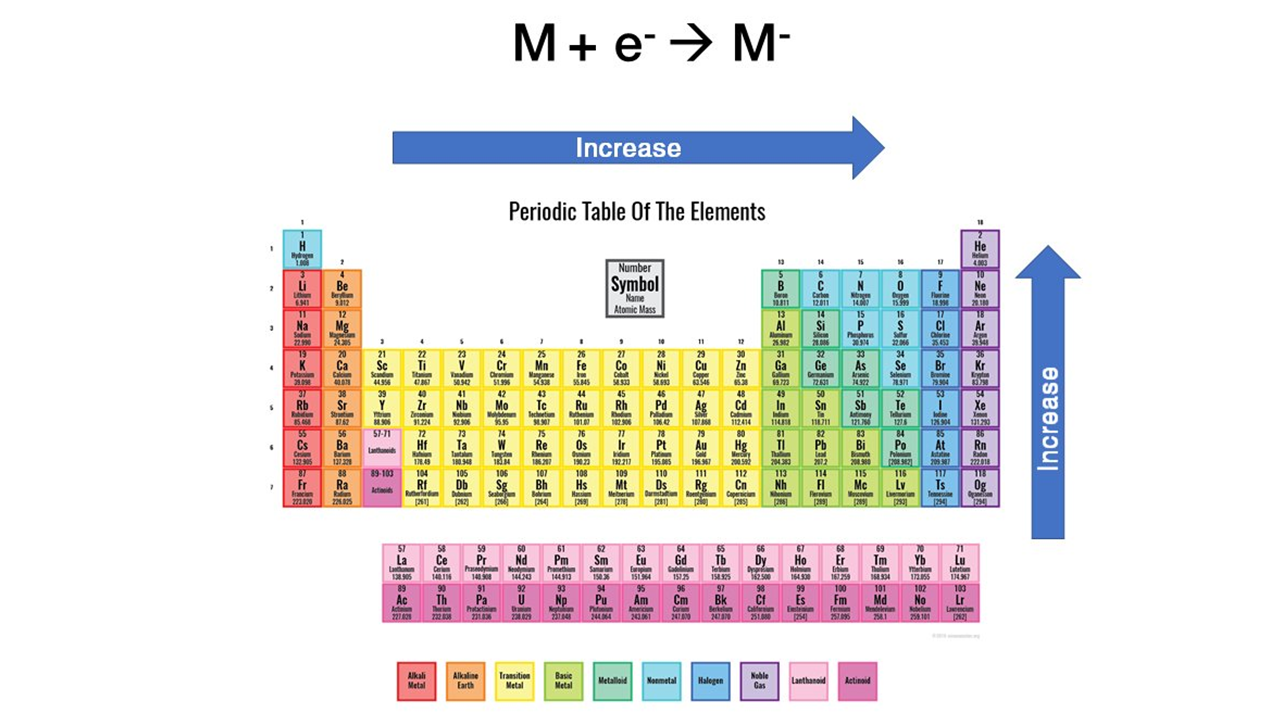
Periodic Table Trends Electron Affinity
Up a group: Increases Left to Right Row: Increases
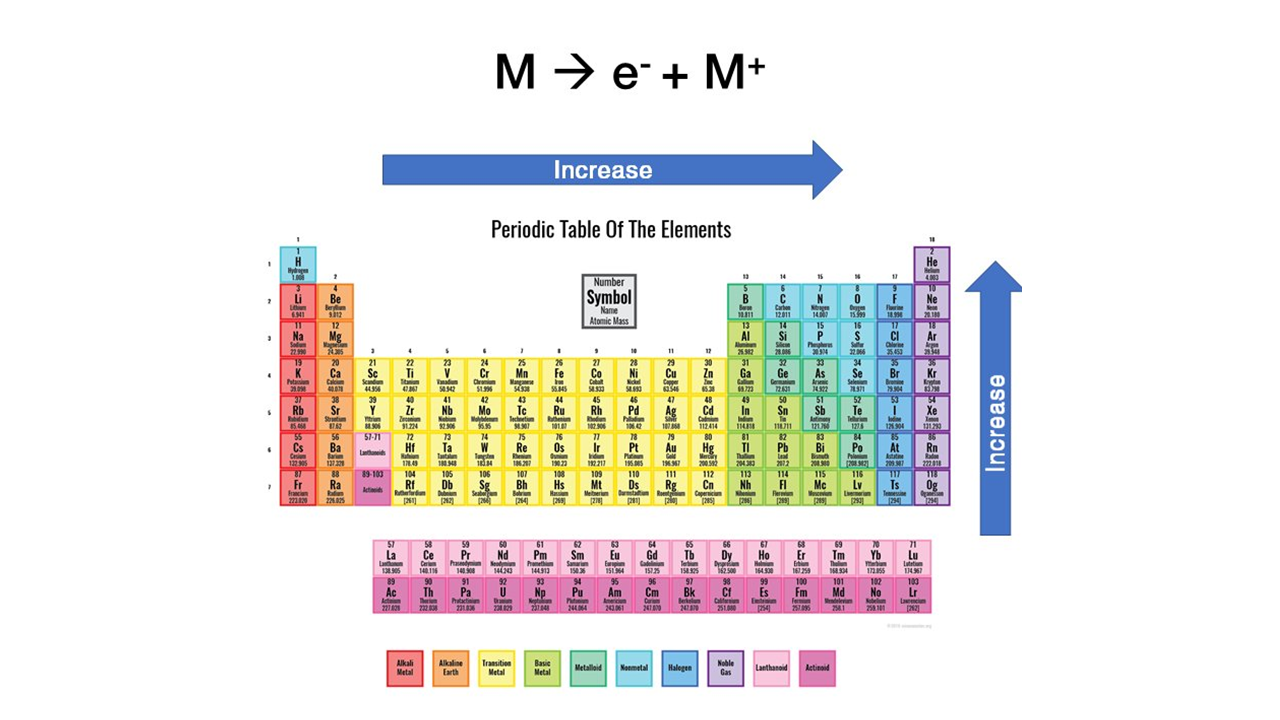
Periodic Table Trends Ionization Energy
Up a group: Increases Left to Right Row: Increases
Particles in nucleus
Protons and Neutrons
Important Subatomic Particles for Chemists. Particles in an atom
Proton, neutron, electron
Electronegativity
The power of an atom in a molecule to attract electrons to itself.
Electronegativity “Mulliken’s Definition”
χ=1/2(IE+EA) Casted in terms of average of the Ionization Energy (IE) and Electron Affinity (EA)
The sign of the wavefunction as an electronwave goes through a nodal plane
Changes Sign
Hund’s Rule
The state of the highest spin multiplicty is lowest in energy
The magnetic quantum number symbol is given by____.
ml
This quantum number can take on the following values: x > 0, where x is an integer
n
This quantum number can take on the following values: -l ≤ __≤ l
ml
This quantum number can take on the following values: 0 ≤ __≤n-1
ℓ