Unit 3 Exercise Physiology - Cardiovascular system (2.2)
No description yet. This curated deck is ready for daily study.
Card preview (24)
composition of blood (4)
Made of: * Erythrocytes :Red blood cells - gas transport via hemoglobin * Leucocytes: White blood cells - immune system * Platelets: Help clot to prevent bleeding * Plasma (biggest %): The “liquid” in blood - transports many nutrients
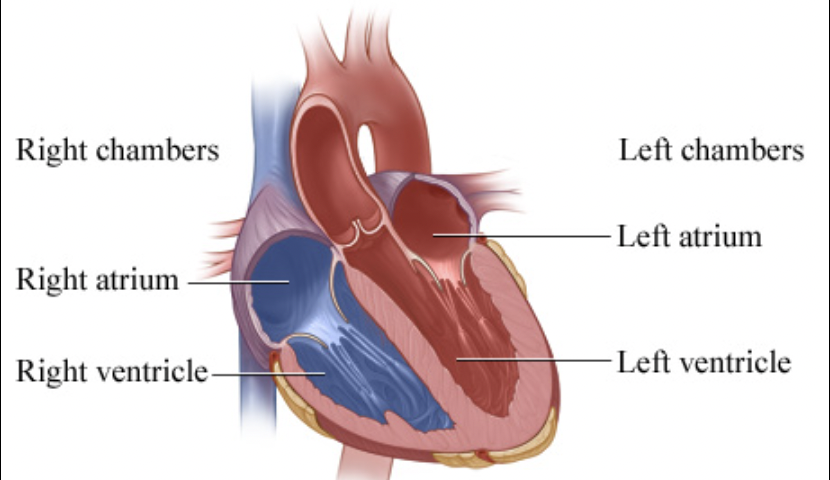
Chambers in the heart
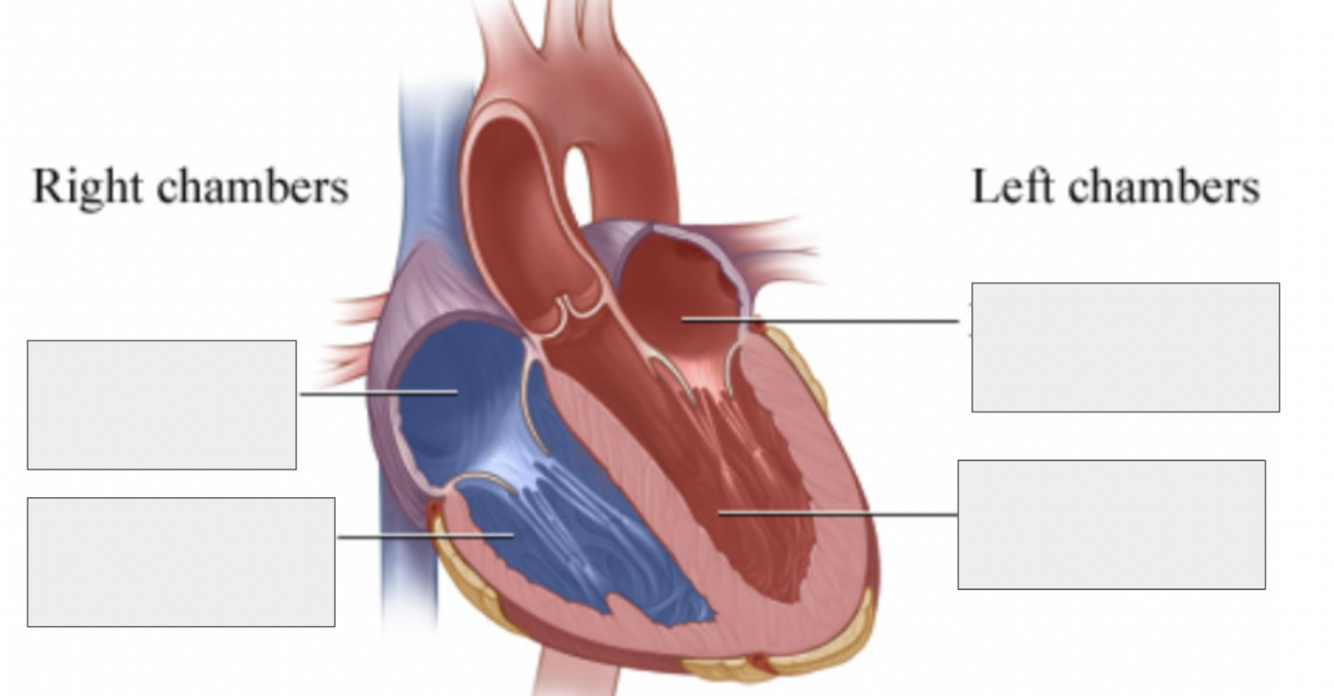
• Left atrium • Left ventricle • Right atrium • Right ventricle
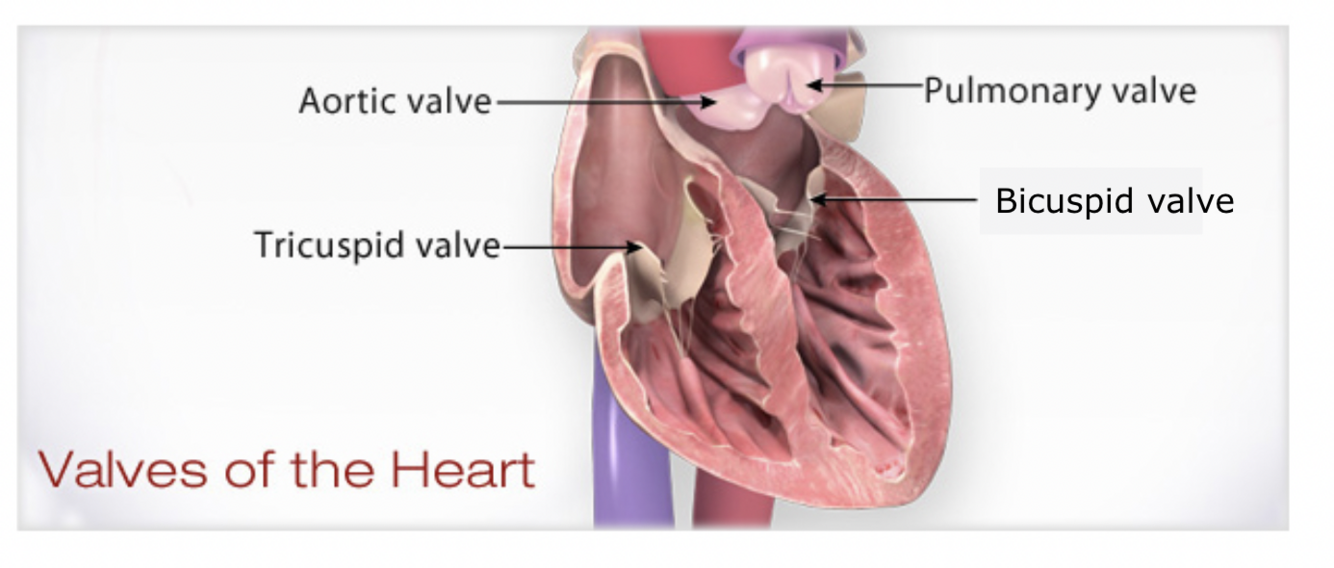
Valves (4)
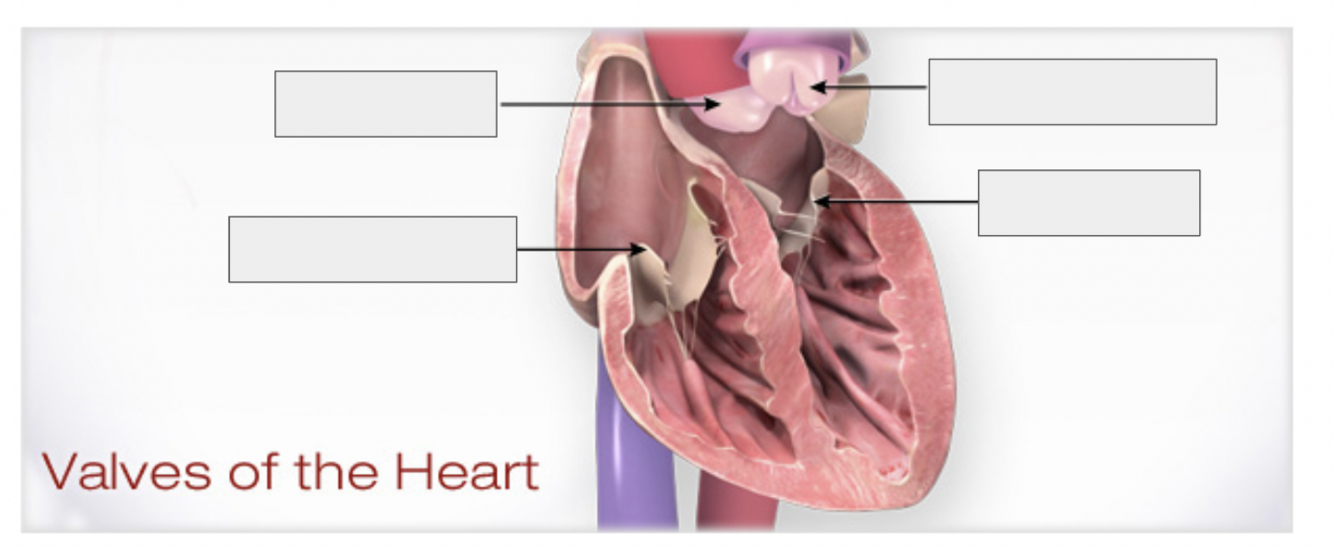
• Bicuspid • Tricuspid • Aortic valves • Pulmonary valves
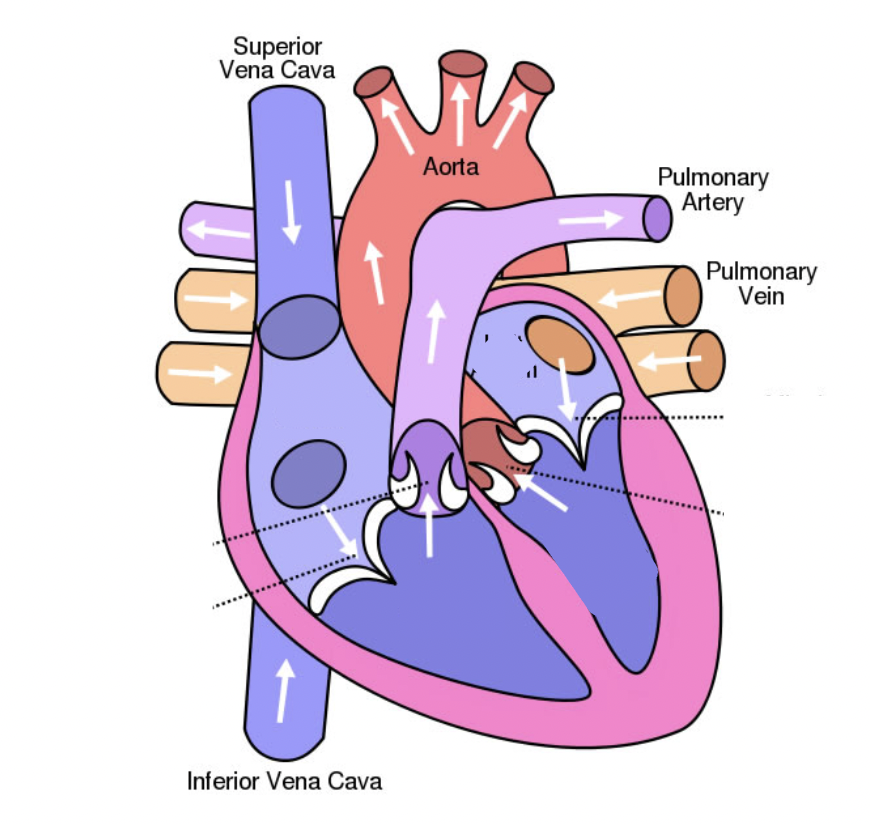
Vasculature in the heart: (4)
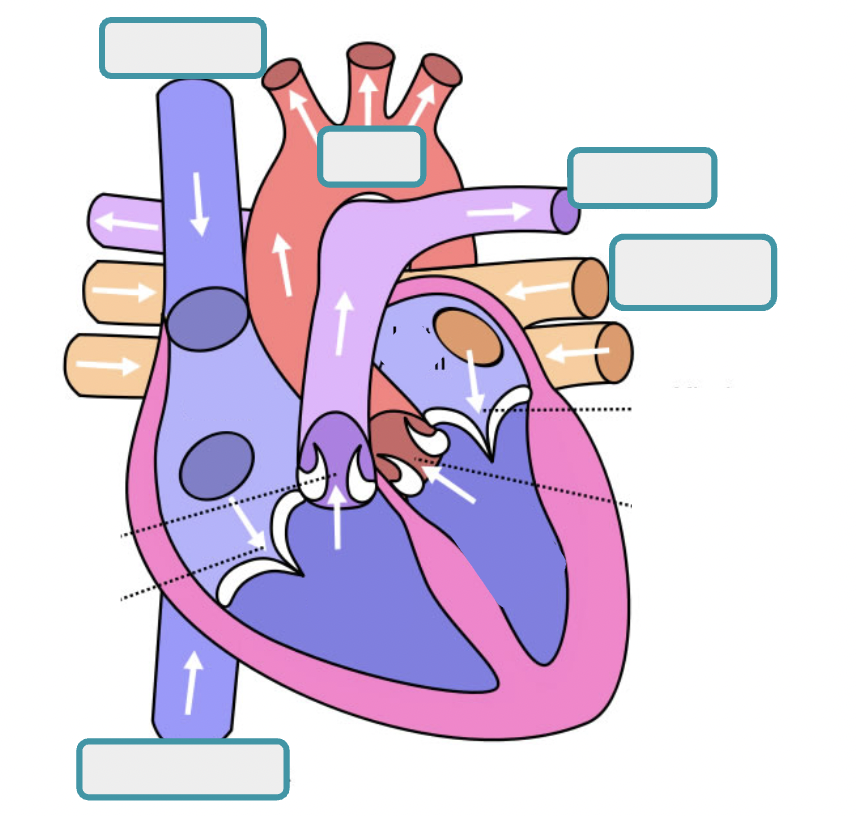
• Vena cava • Pulmonary vein • Aorta • Pulmonary artery
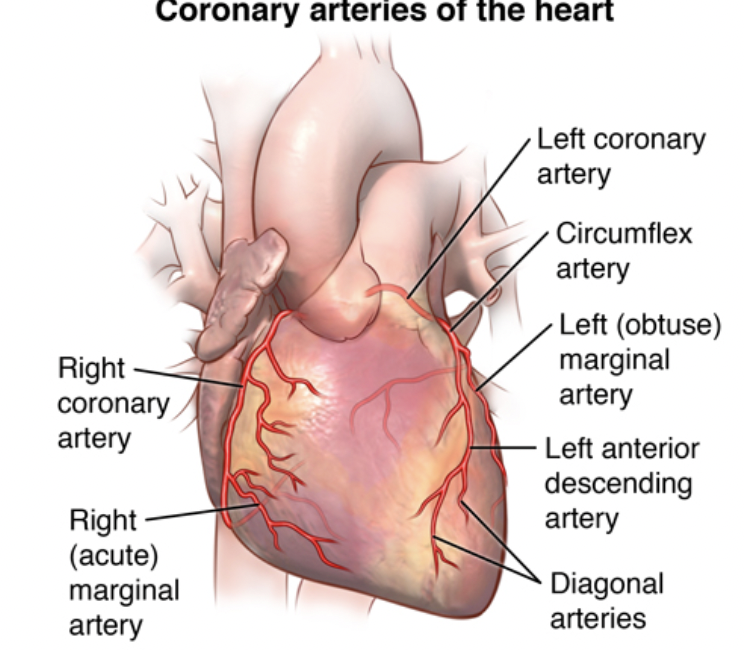
Coronary arteries in the heart (function - 2 + Coronary arteries of the heart - 7)
Function: * Provide the blood supply to the heart muscle * The heart muscle cannot use the blood in the heart Coronary arteries of the heart: * right coronary artery * right acute marginal artery * left coronary artery * circumflex artery * left obtuse marginal artery * left anterior descending artery * diagonal arteries
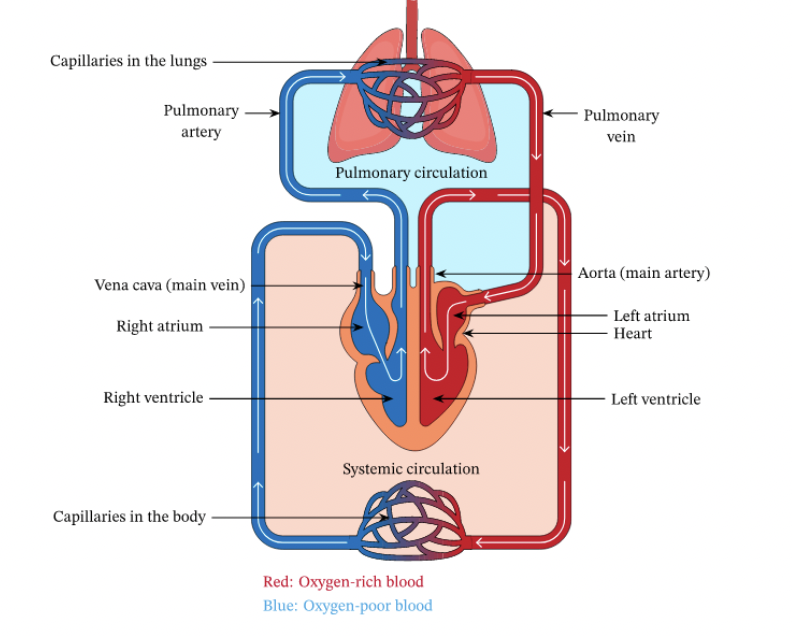
explain double loop circulation
Pulmonary circulation * Heart to lungs to heart * Get oxygen and release Co2 from gas exchange in lungs Systemic circulation: * Heart to body to heart * Deliver oxygen to tissues that need it * Transport nutrients and waste around the body
Heartbeat (7)
• Needs to be synchronized for a efficient pump of blood • Atrium needs to empty into the ventricle. • Ventricle needs to push into the artery. • Both left and right sides of the heart are doing the same thing at the same time • SA node: pacemaker • SA is a special bundle of heart cells • AV node ensures delay, proper filling and direction of contraction
regulation of heartbeat (intrinsic -2 + extrinsic control-1)
Intrinsic control: * The heart can beat without any nerve or chemical impulses due to its myogenic property * Can self contract but this can be unsynchronized Extrinsic control: * Chemical, nerve or hormonal control to change heartbeat
Pace of heartbeat (speeding up/slowing down)(4)
• The brain sends nerve impulses from the medulla to the SA node of the heart • The sympathetic nerve increases heart rate • The parasympathetic nerve decreases heart rate • Epinephrine (Adrenaline) is a hormone produced by the adrenal gland that works on the SA node to increase HR
heart response during warm up of activity (6)
As the body starts to increase activity CO2 increases * Chemoreceptors detect an increase in CO2 Other receptors observing the start of activity: * Baroreceptors detect an increase in blood pressure * Proprioceptors detect an increase in muscular movement Nervous system response: * Information is received by the medulla oblongata * The sympathetic nervous system sends a signal to the SA node * SA node increases firing to increase HR
Type of blood pressure
Systolic: the force exerted by blood on arterial walls during ventricular contraction Diastolic: the force exerted by blood on arterial walls during ventricular relaxation • Blood pressure = systolic/diastolic • Avg blood pressure =120/80
What is Cardiac output - 2
a measure of the amount of blood pumped in a set amount of time (usually a minute) CO = stroke volume x heart rate
what is stroke volume
volume of blood pumped in one heart beat
Relationship between HR, cardiac output, stroke volume at rest and during exercise
Relationship: Both HR and SV have a direct relationship with cardiac output * Increase HR/SV = increase in CO During exercise: HR and SV go up so CO goes up Rest: HR and SV stay the same so CO stays the same
Blood pressure response to dynamic exercise - what-2, why-3
What is happening: * Stroke Volume is increasing to meet oxygen demands * Muscles are contracting and relaxing which squeezes and releases vasculature What this causes to BP: * Systolic pressure increases as more blood is being pushed with each contraction * Continues to increase proportionally as exercise intensity increases * No or little change to diastolic compared to rest due to a decrease in total peripheral resistance
blood pressure response to static exercise - what-2, why-2
What is happening: * Muscles are contracting isometrically * Constant compression of the vasculature What this causes to BP: * Systolic Pressure increases substantially compared to rest due to the narrowing of the vasculature Diastolic pressure increases compared to rest as the muscles never relax, causing sustained narrowing of vasculature
Cardiovascular drift
Prolonged submaximal progressive increase in heart rate and decrease in stroke volume that begins after approximately 10 min of prolonged moderate-intensity exercise
how to combat (2) and prevent (3) cardiovascular drift
To combat: * HR increases to maintain CO * Vasodilation of blood to working muscles Prevention: * Hydrate * Exercise during cooler times a day * Decrease intensity
Cardiac output response to exercise: during exercise-3, long term exercise-2, prevention-2
During exercise: * Cardiac output would increase * HR and SV increases to maintain the CO increased * Both increase to meet the oxygen demands of the exercising tissue Long term exercise * HR must increase due to: Decreased SV from cardiovascular drift * Rise in body temp–> diversion of blood flow to the skin to cool the body causes a decrease in flow to working muscles Prevention: * Hydrate to maintain blood volume * Electrolytes to maintain osmotic balance leading to increased blood volume
how age affects heart rate (3)
As you increase with age you maximum possible HR decreases * This means you are closer to max HR, cannot increase as much * Your heart becomes less sensitive to epinephrine –> less ability to increase HR
how gender affects HR(1), cardiac output(1) and stroke volume(4)
SV: * Females have reduced stroke volume compared to males * A female heart is smaller than a males heart even if size of participant is controlled * Have thinner heart muscle too * Less blood can be pumped per beat HR: * Gender does not affect max HR, females have slightly higher HR due to lower SV CO: * Cardiac Output is lower in females than males
how training affects HR, SV and CO - 4
Individuals who have been training have the following compared to untrained individuals: * Lower resting HR as they are more efficient at O2 delivery (more RBC) * Higher possible SV as heart is better trained to pump * Higher max CO - as SV is increased and max HR is not impacted by training For submaximal effort - same CO but trained will have a lower HR, with higher SV
VO2 (maximal energy consumption): (5)
What is VO2: * Maximum volume of oxygen inhaled and used per minute. * Way to measure fitness * Maximum volume (mL) of oxygen one can use in one minute per kilogram of body weight. mL/min/kg * Those who are ‘fitter’ have higher VO2 max values and can exercise more intensely than those who are not as well conditioned. –> They can get more oxygen to their muscles to perform better
how VO2 changes based on age - 3
• Increases through youth as physical maturity and development improves • Peaks around 20 for males and late teens for females decreases past 20 • Training can reverse this trend