EXAM 1
No description yet. This curated deck is ready for daily study.
Card preview (24)
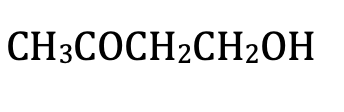
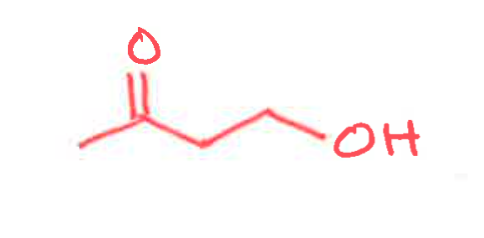
From the following condensed structures, draw the compounds using appropriate skeletal (line-angle) structure representation:
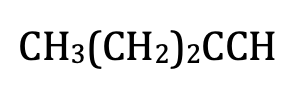
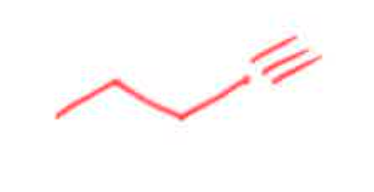
From the following condensed structures, draw the compounds using appropriate skeletal (line-angle) structure representation:
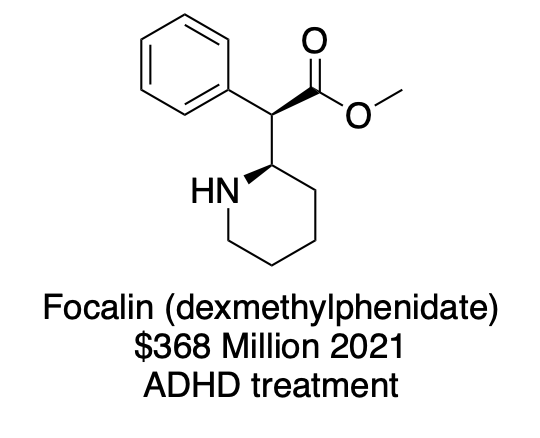
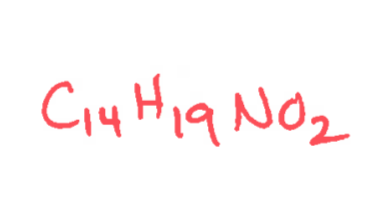
Provide the molecular formulas for the following molecules:
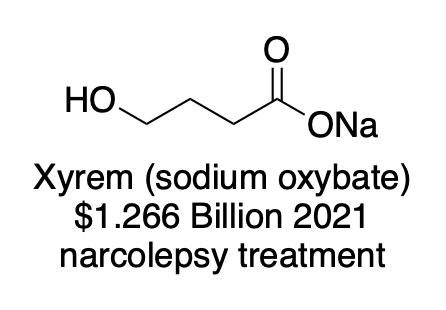
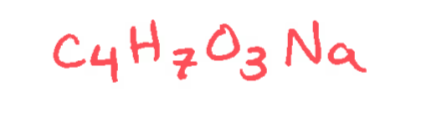
Provide the molecular formulas for the following molecules:
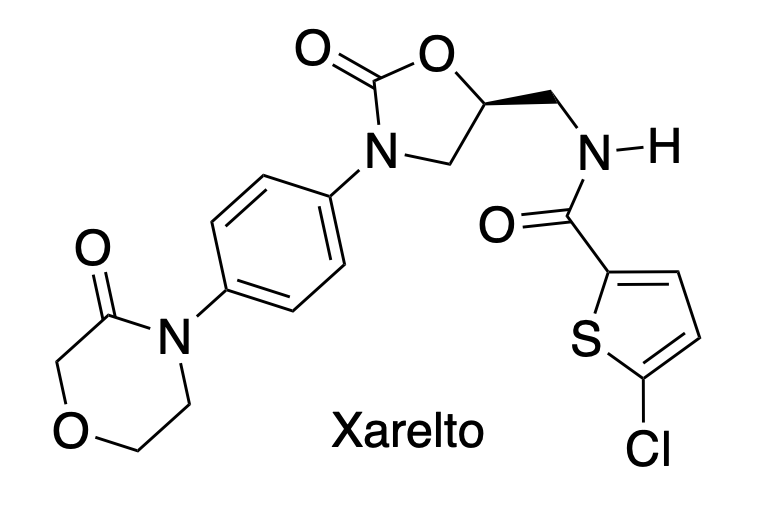
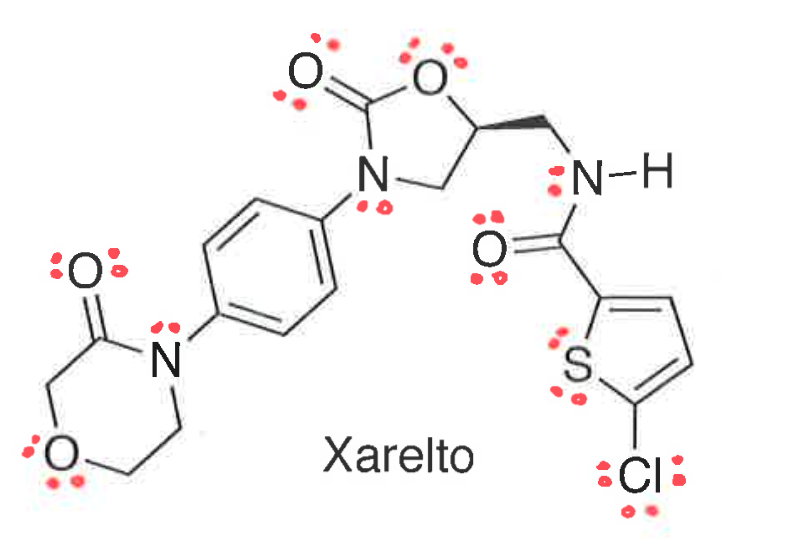
For Xarelto, please clearly draw in ALL of the implied lone-pair electrons on the structure.
For each pair, circle the molecule with the lower pKa and provide a brief explanation for your choice. The hydrogen in question is in bold.
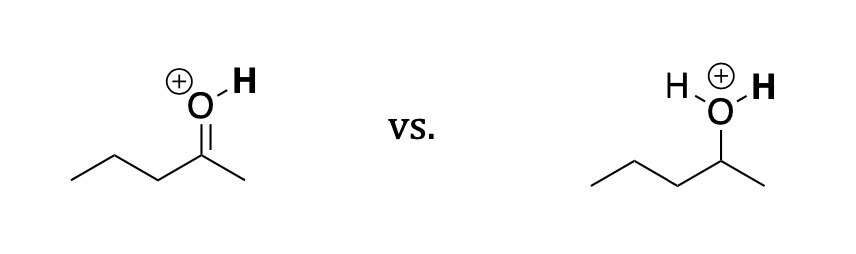

For each pair, circle the molecule with the lower pKa and provide a brief explanation for your choice. The hydrogen in question is in bold.
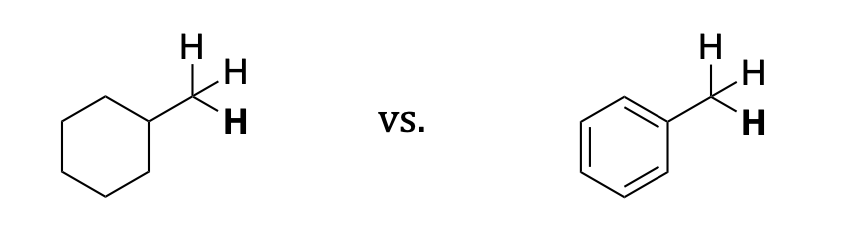

For each pair, circle the molecule with the lower pKa and provide a brief explanation for your choice. The hydrogen in question is in bold.
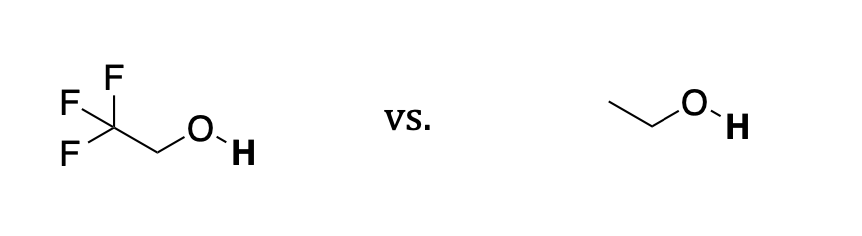

For each pair of resonance structures, (i) use the curved-arrow formalism to show electron-pushing to convert the structure on the left to the one on the right. (ii) Circle the major resonance structure contributor and (iii) provide a brief rationale for your answer (1 sentence or less).
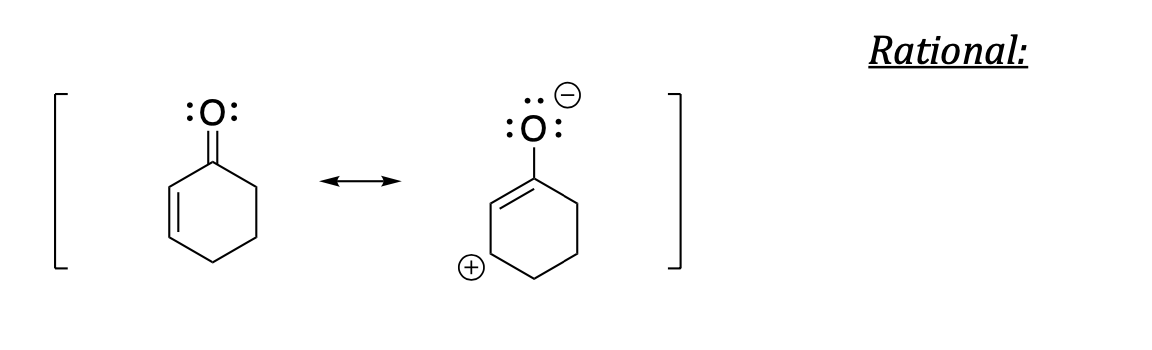
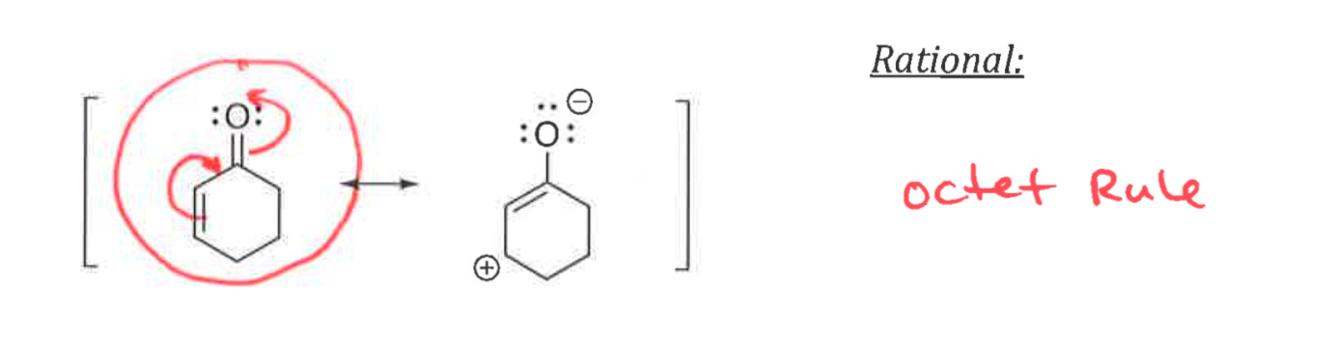
For each pair of resonance structures, (i) use the curved-arrow formalism to show electron-pushing to convert the structure on the left to the one on the right. (ii) Circle the major resonance structure contributor and (iii) provide a brief rationale for your answer (1 sentence or less).
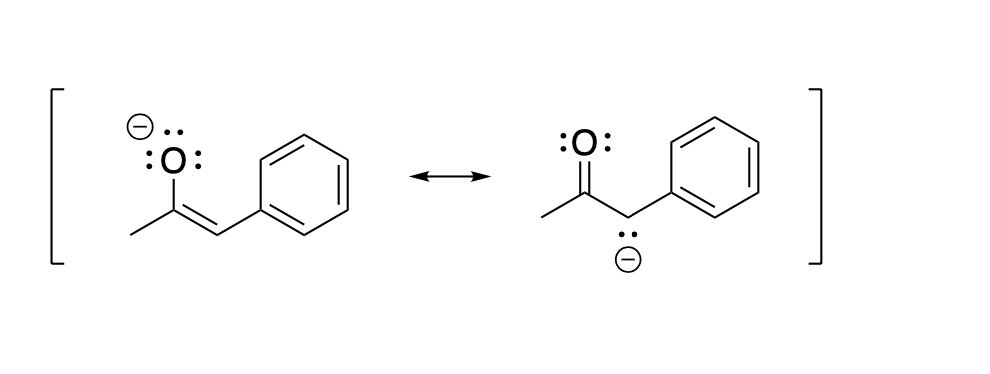
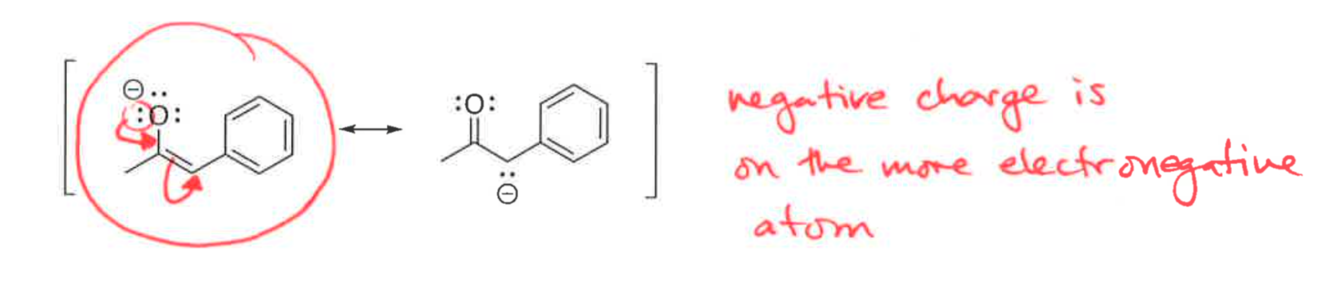
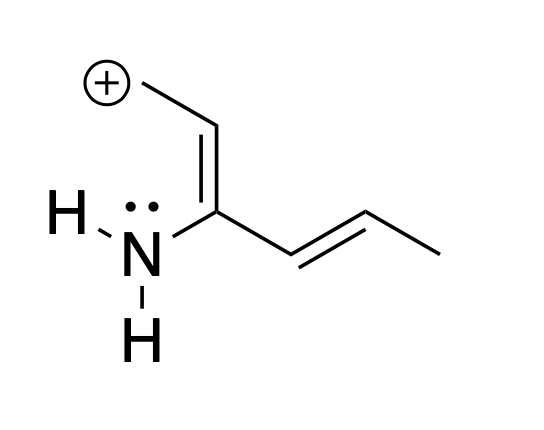
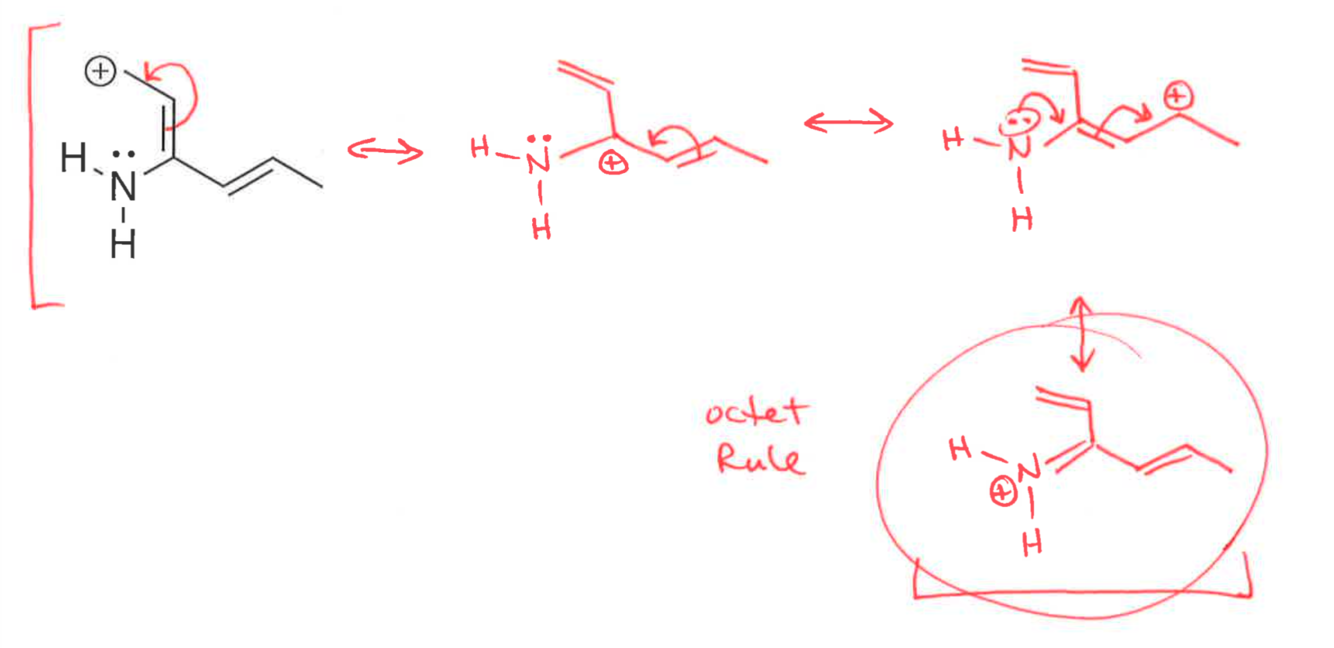
The following reactive intermediate molecule has three additional resonance structures. Depict these resonance structures using the curved-arrow formalism to push electrons. Circle the major structure.
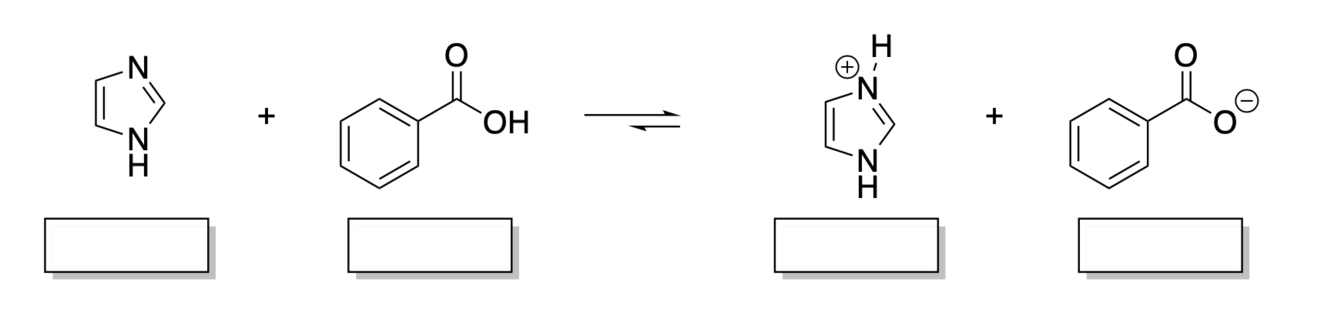
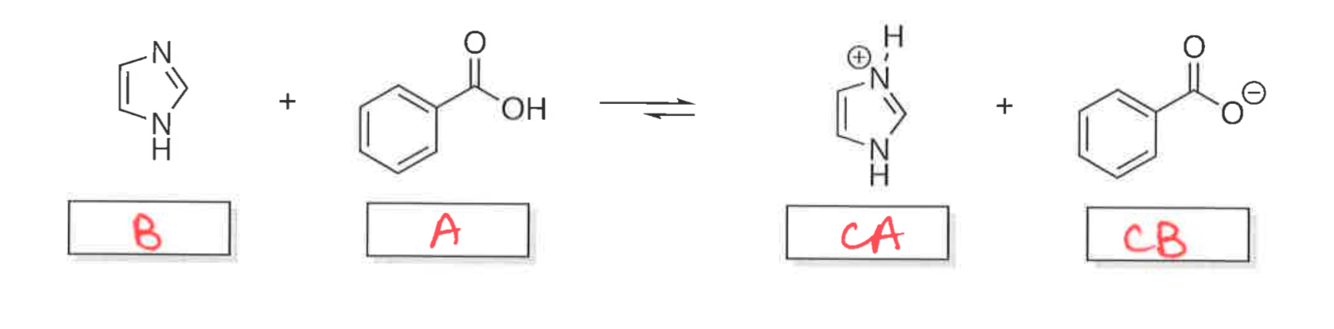
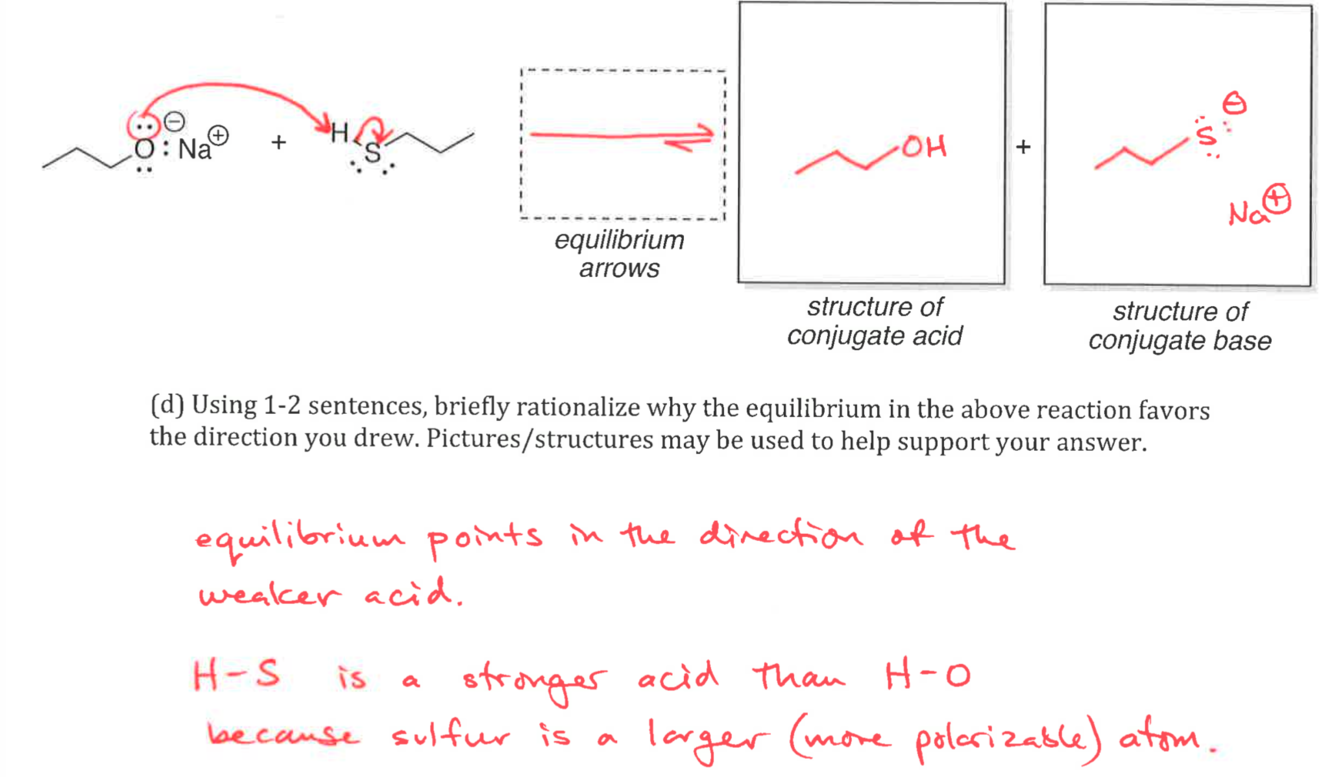
For the following acid/base reaction, please identify the acid (A), base (B), conjugate acid (CA), and conjugate base (CB) in the provided boxes.
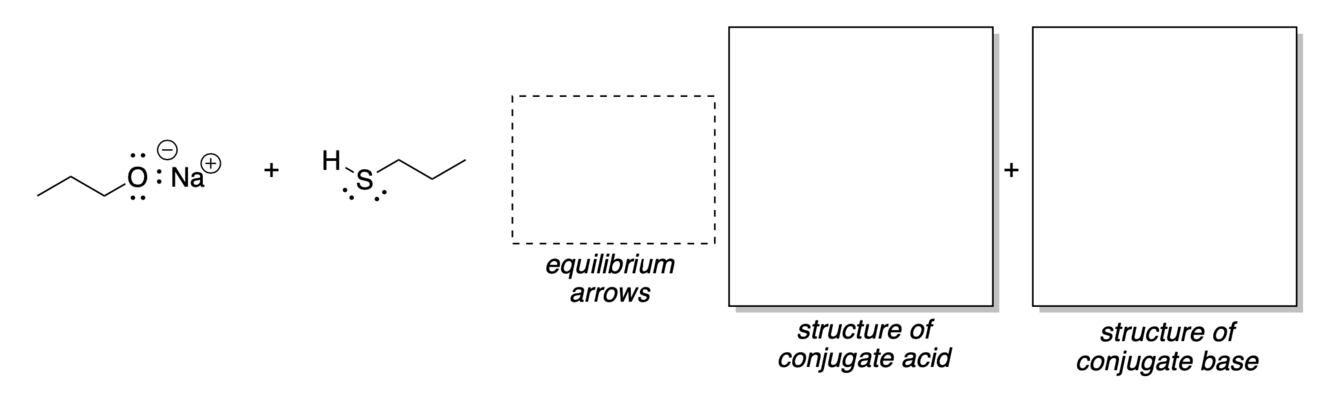
In the reaction below: (a) Draw the structures corresponding to the appropriate conjugate acid and conjugate base. Please place your answers in the boxes provided below. (b) Use the curved-arrow formalism to provide an arrow-pushing mechanism to depict the movement of electrons. (c) Draw the equilibrium arrows for this reaction in the dotted box below to show which side the equilibrium will lie. (d) Using 1-2 sentences, briefly rationalize why the equilibrium in the above reaction favors the direction you drew. Pictures/structures may be used to help support your answer.
Name this functional group
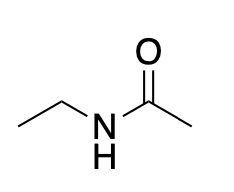
amide
Name this functional group
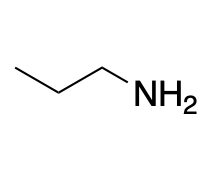
amine
Name this functional group
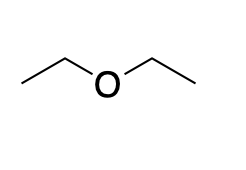
ether
Name this functional group
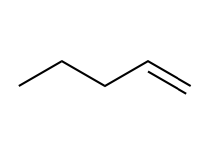
alkene
Name this functional group
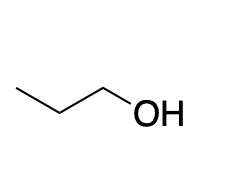
alcohol
Name this functional group
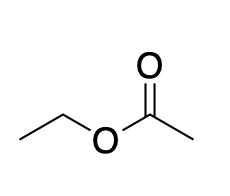
ester
Name this functional group
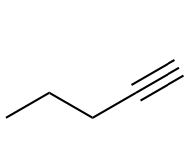
alkyne
Name this functional group
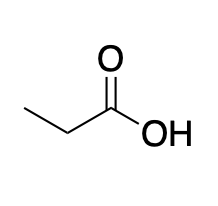
carboxylic acid
Name this functional group
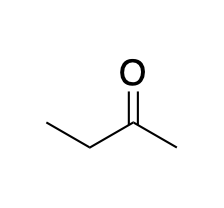
ketone
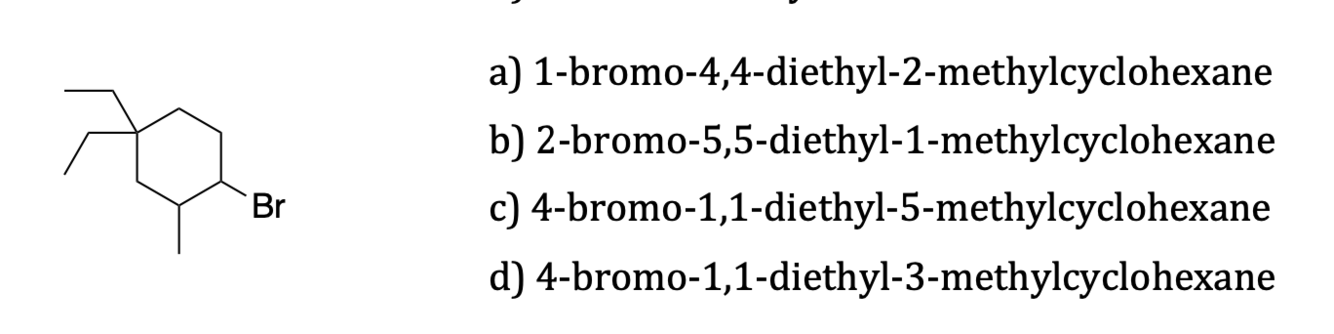
Choose the correct IUPAC name for the following molecules:
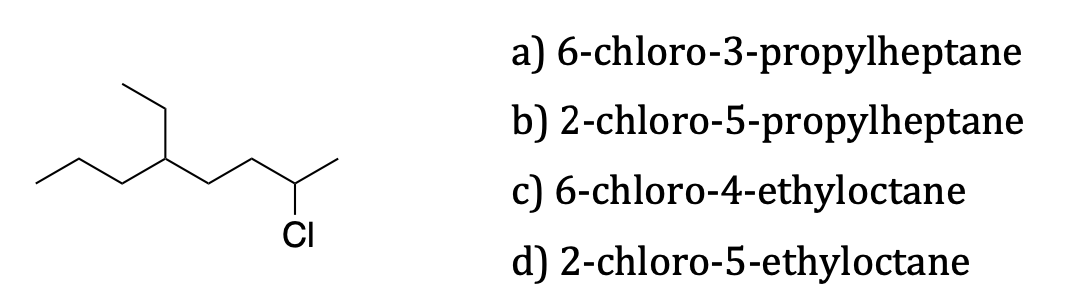
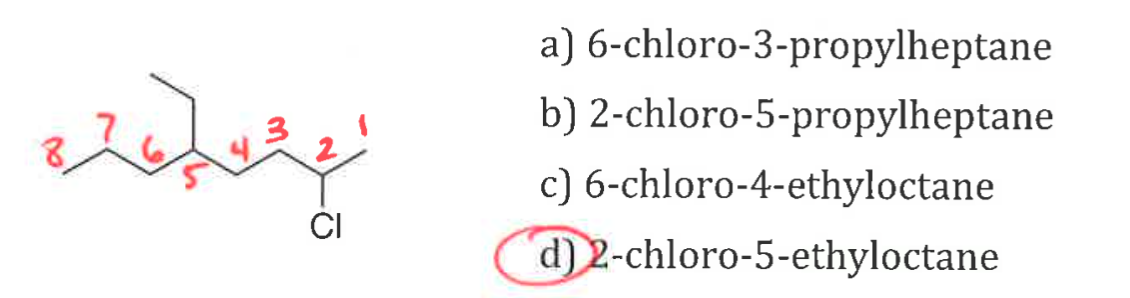
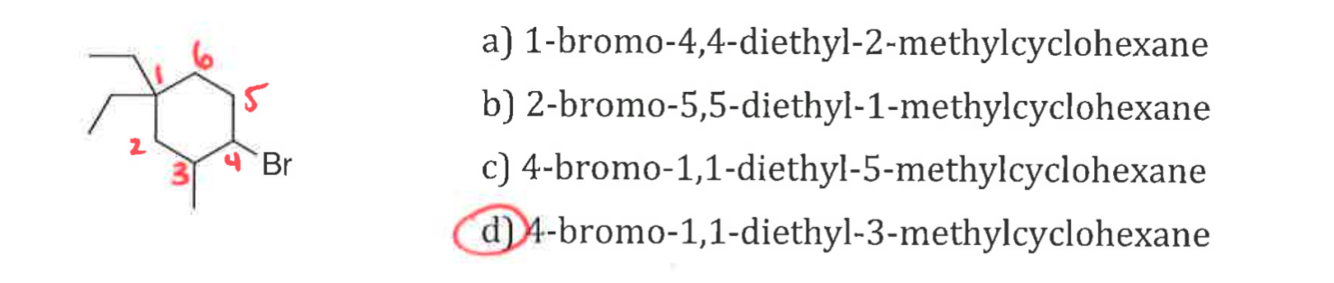
Choose the correct IUPAC name for the following molecules: