Chapter 9: Substitution Reactions
No description yet. This curated deck is ready for daily study.
Card preview (24)
What is this type of substitution reaction?
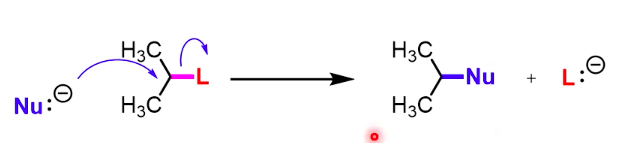
SN2
What is this type of substitution reaction?
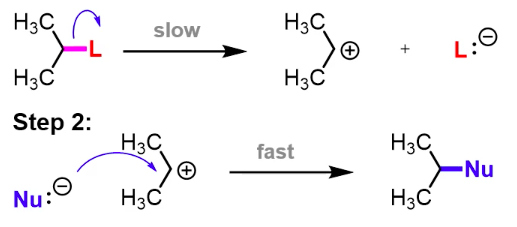
SN1
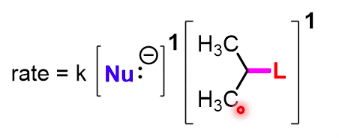
The rate of a SN2 reaction is dependent on what?
the concentrations of nucleophiles and electrophiles
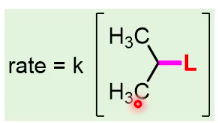
The rate of a SN1 reaction is dependent on what?
the loss of a leaving group

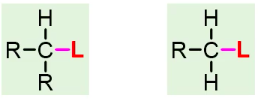
Primary Substrate

Secondary Substrate
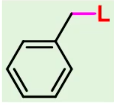
Benzylic Group (Bn)

Allylic Group

Tertiary Substrate
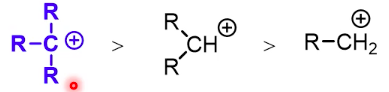
What carbocations are most stable and why?
tertiary the 3 alkyl groups stabilize the charge
What substrates do SN2 reactions favor?
primary and secondary substrates nucleophiles can’t attack tertiary substrates because of steric hinderance
What substrates do SN1 reactions favor?
tertiary substrates no steric hinderance because the nucleophilic attack doesn’t happen in the first step of the reaction. SN1 reactions also depend on the stability of the carbocation formed from loss of LG and tertiary substrates are more stabilized

Why do these molecules favor SN1 reactions?
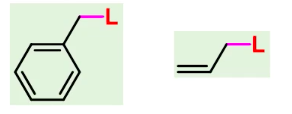
the carbocation formed from the loss of LG can be stabilized through resonance
What type of reaction is dependent on the nucleophile and why?
SN2 reactions the nucleophilic attack happens in the first step of the reaction
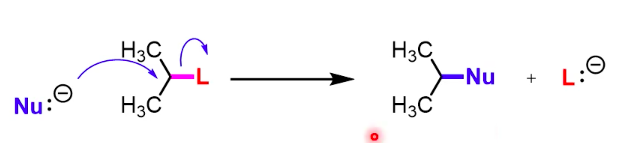
What makes a strong nucleophile?
a negative charge and polarizability (related to size of atom and number of valence electrons)
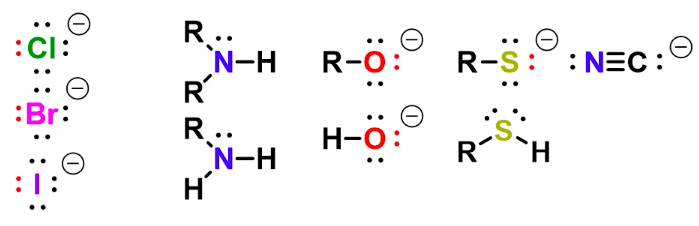
Strong nucleophiles favor SN2
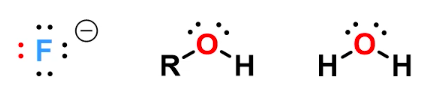
Weak nucleophiles favor SN1
What reaction is more sensitive to the LG and why?
SN1 the loss of a LG is the rate determining step in SN1 reactions
What makes a good leaving group?
good LG are conjugate bases of strong acids (hint: strong acids have weak conjugate bases)
What makes a strong acid?
ARIO Atom Resonance Induction Orbitals
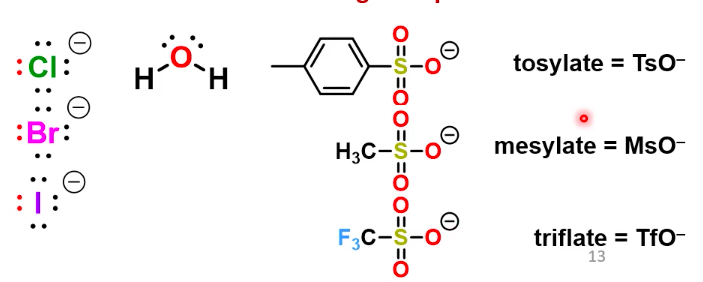
Good LG
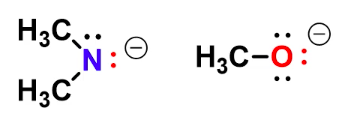
Bad LG
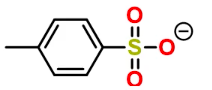
tosylate (TsO)
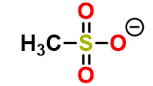
mesylate (MsO)