Waves
No description yet. This curated deck is ready for daily study.
Card preview (24)
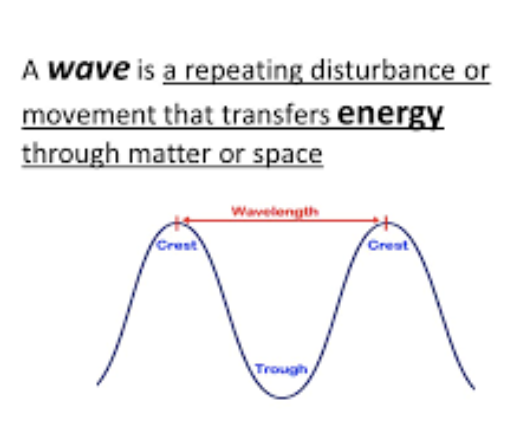
What is a WAVE?
A repeating movement (or disturbance) that travels through a MEDIUM transporting energy from one location (the source) to another location.
MEDIUM
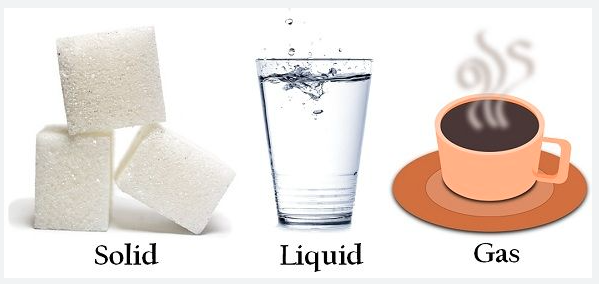
The MEDIUM is the matter through which waves travel. Any substance (MEDIUM) through which a disturbance can travel. Can be solid, liquid, or gas or combination of all three.
Not all waves need a medium. Waves that don’t need a MEDIUM are…
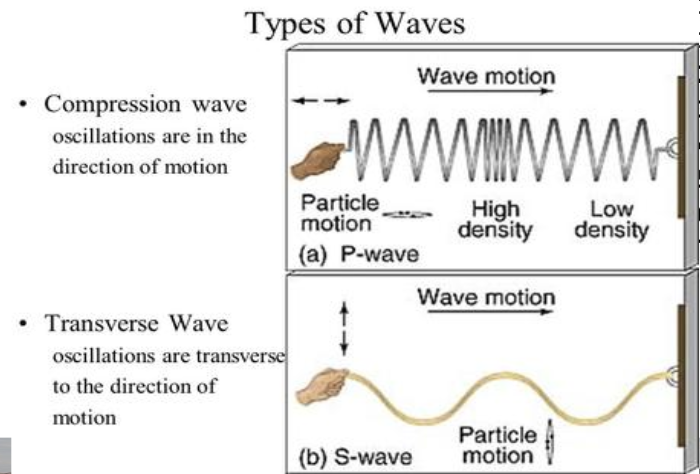
Electromagnetic waves. Examples are radio waves and light waves.
Mechanical Waves
Must travel through a medium (solid, liquid, gas or combination of them).
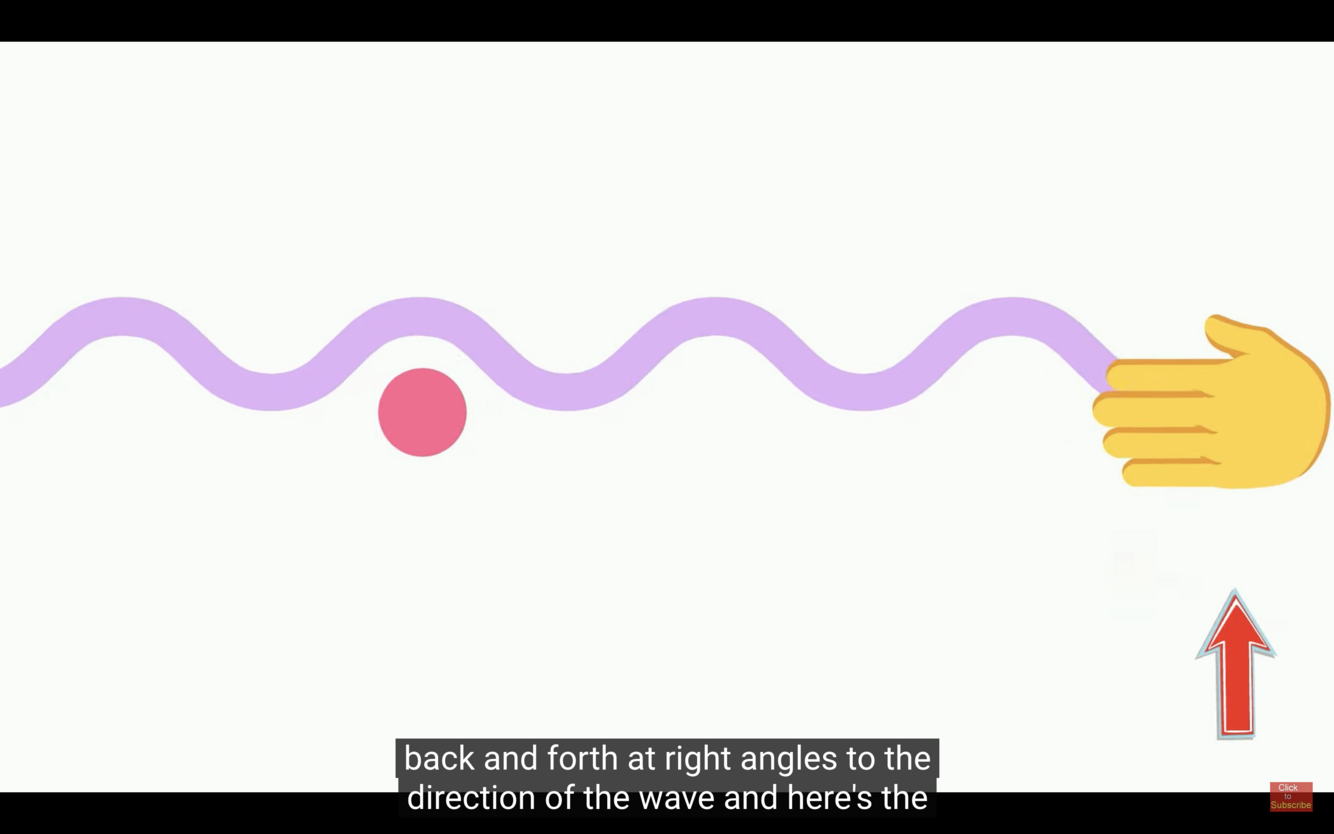
Transverse waves
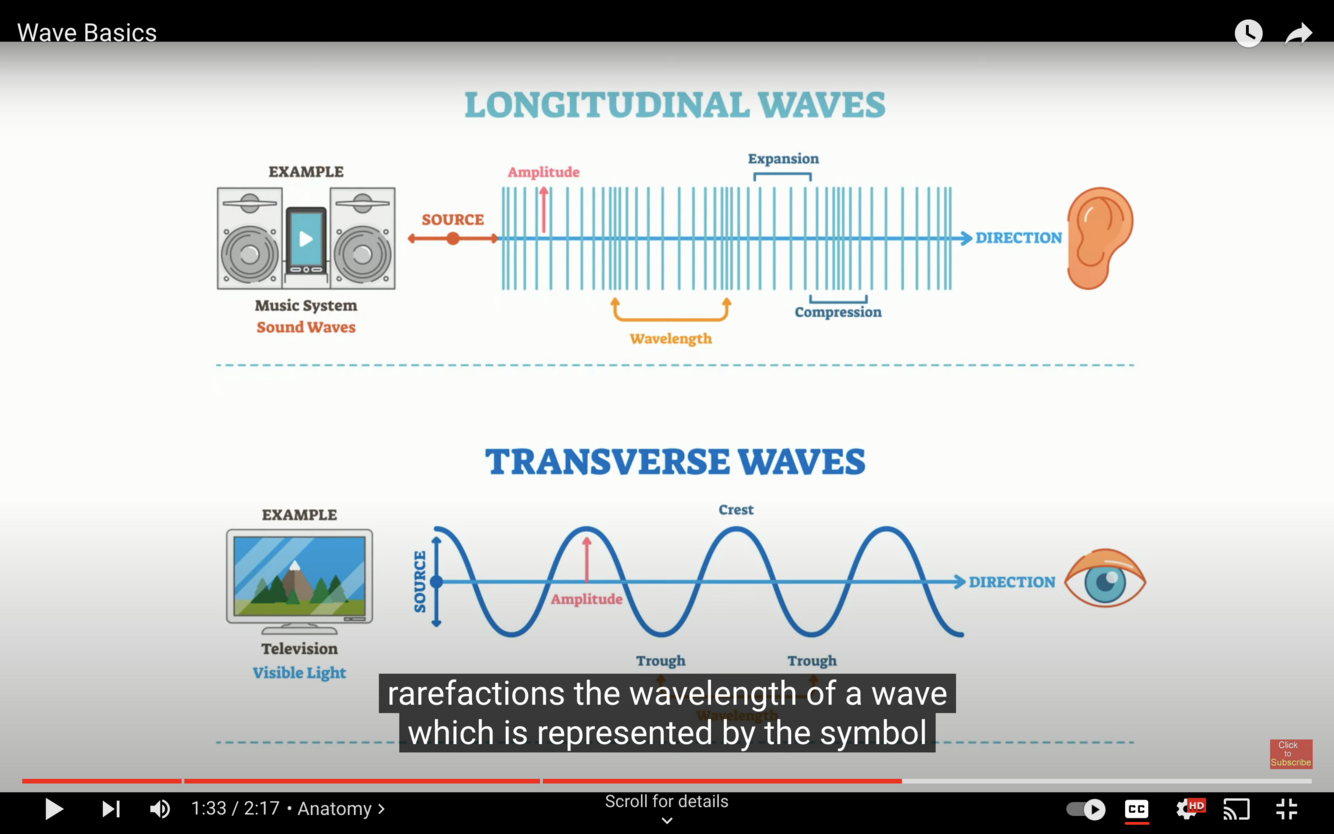
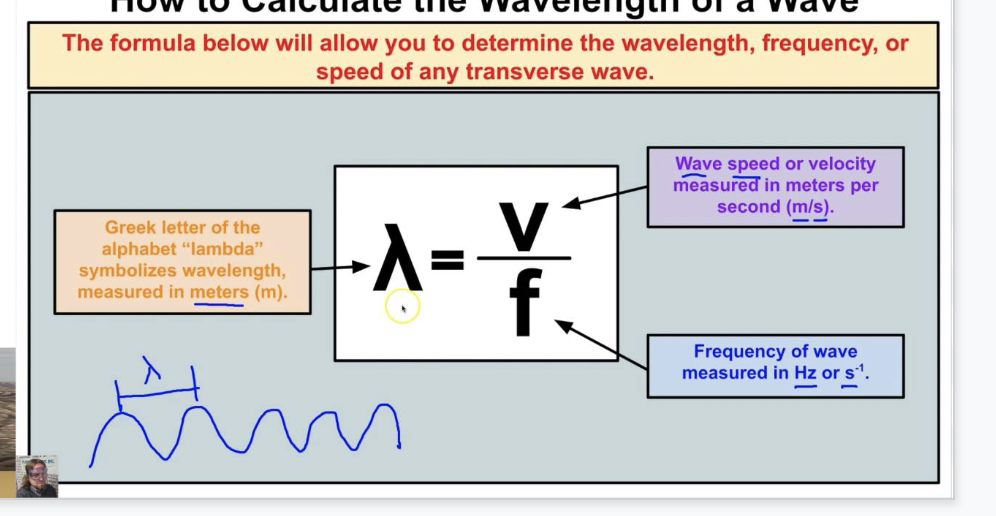
Moves back and forth at right angles to the direction of the wave. Oscillations are transverse to the direction of motion.
Longitudinal Wave (also referred to as Compression Waves)
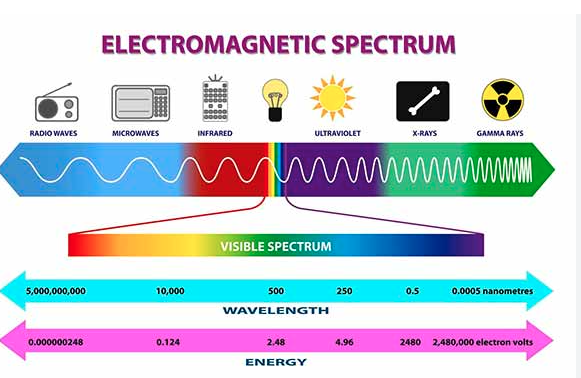
THINK SLINKY. Particles in the Medium move same direction the wave. Oscillations are in the direction of motion.
What characteristics of a wave can be measured?
Speed, Frequency, Wavelength
What is the formula for measuring waves?
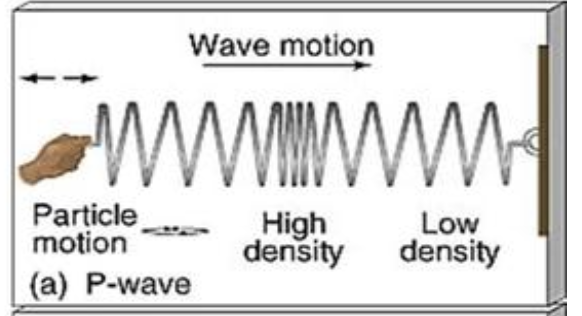
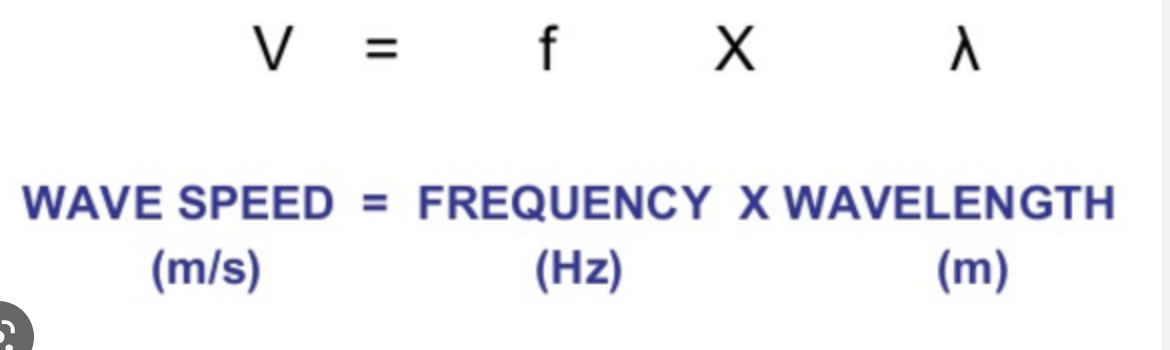
V=speed of wave ( m/s) f=frequency of wave (Hz) λ=wavelength (m) V = f x λ
Types of waves
Longitudinal Waves (also known as Compression Waves) and Transverse Waves
Electromagnetic Waves
Disturbances that are made up of electrical and magnetic fields. Does not require a medium to travel. They travel through space. (Radio Waves, Light Waves). Only TRANSVERSE WAVES.
Mechanical Waves
Disturbances that require a MEDIUM (solid, liquid, gas) to travel through. 3 Types: 1. TRANSVERSE WAVES 2. LONGITUDINAL WAVES 3. SURFACE WAVES Examples: slinky, water, sound waves.
TRANSVERSE WAVES v LONGITUDINAL WAVES v SURFACE WAVES Comparing the direction the MEDIUM is traveling in relation to the direc
TRANSVERSE WAVES
A WAVE in which particles of the MEDIUM move in a direction perpendicular (also called right angle) to the direction that a WAVE moves.

LONGITUDINAL WAVES
A WAVE in which the particles of the MEDIUM vibrate parallel to the direction of WAVE motion
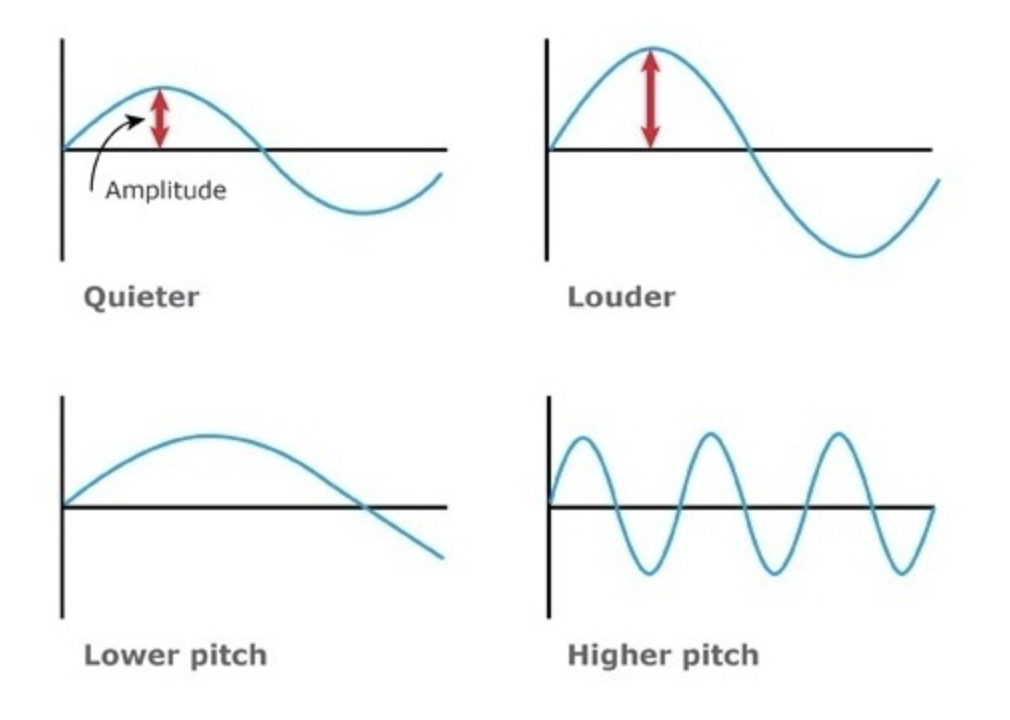
AMPLITUDE
The height of the WAVE measured from center of the wave to the top OR center of the wave to the bottom. Think VOLUME (how loud or soft) ; higher wave = louder / smaller wave = softer. The maximum distance that the particles of a WAVE’S MEDIUM vibrate from the its rest position. Picture shows both AMPLITUDE and PITCH
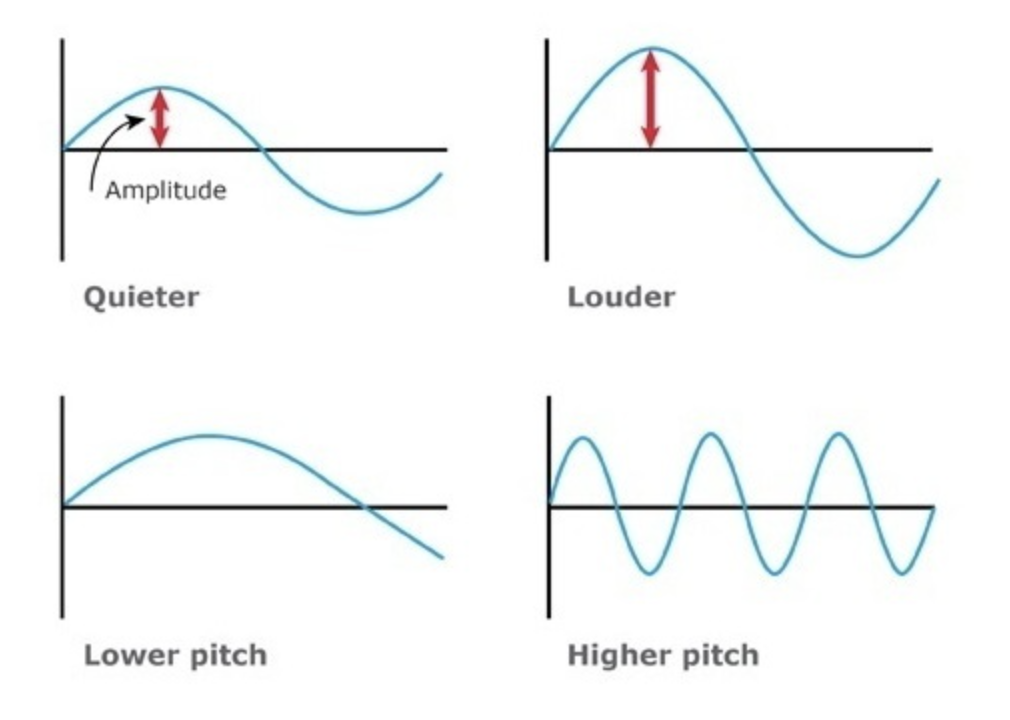
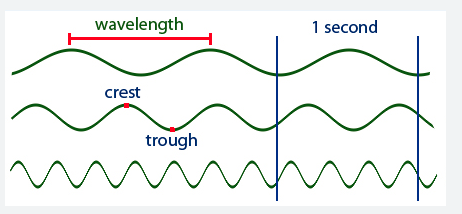
FREQUENCY
The number of waves produced in a given amount of time. Think PITCH (how high or low sound is - Chase squeeky ball v Stanleys low bark). The more WAVES the higher the pitch. The fewer WAVES the lower the pitch. Picture shows both AMPLITUDE and PITCH
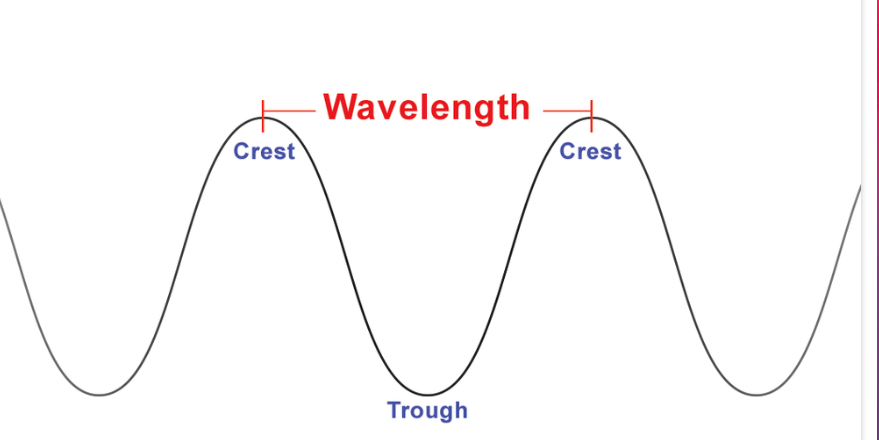
WAVELENGTH
The distance from any point on a wave to an identical point on the next wave.
WAVE SPEED
The speed at which a wave travels through a MEDIUM. Wave Speed (V) m/s = Wavelength (λ) m x Frequency (f) Hz
Formula to calculate the WAVELENGTH, FREQUENCY, or SPEED of a WAVE
See Image
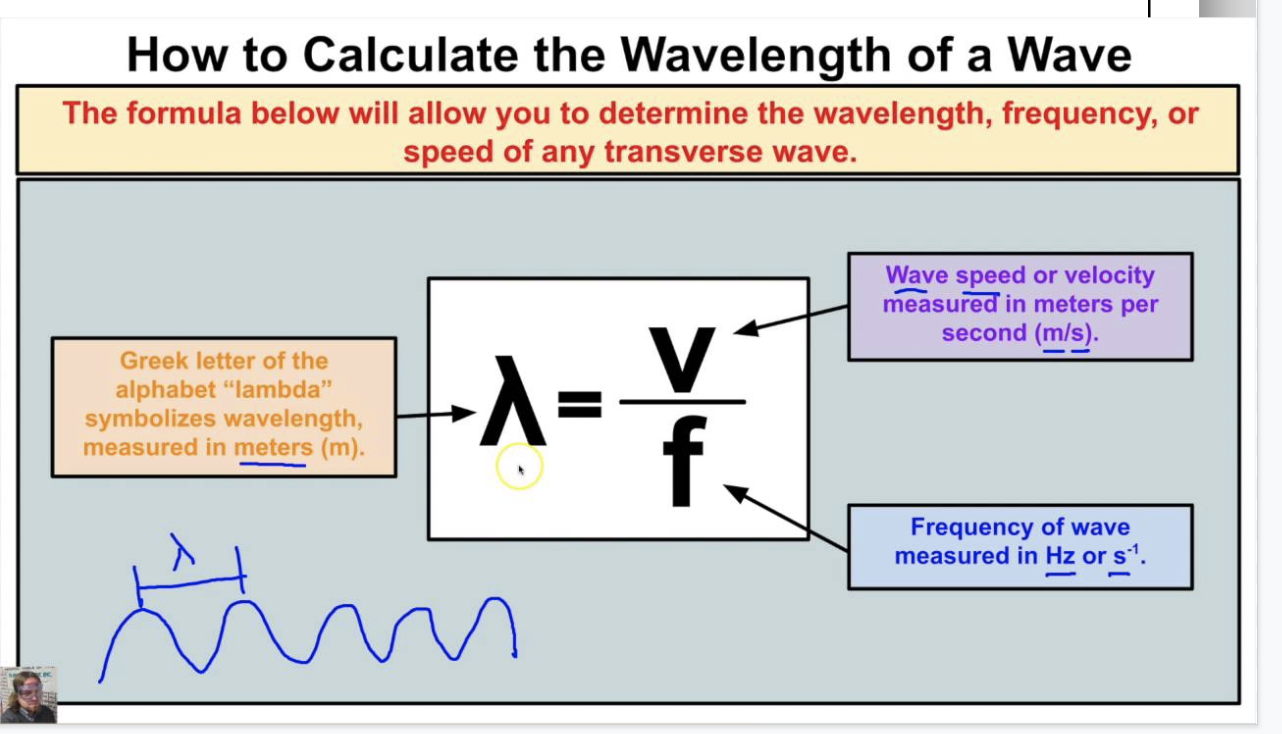
Speed of WAVE equation
See Image
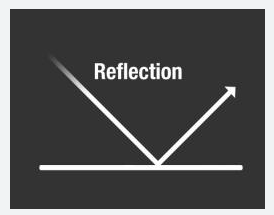
REFLECTION
The bouncing back of a ray of light, sound, or heat when the ray hits a surface that it does not go through.
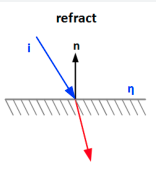
REFRACTION
The blending of a WAVE as a WAVE passes between two substances in which the spped of the WAVE differs.
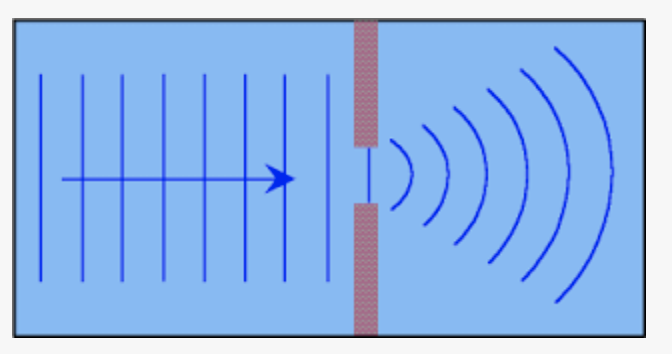
DIFFRACTION
A chance in the direction of a WAVE when the WAVE finds an obstacle or an edge, such as an opening.
INTERFERENCE not a priority
The combination of two or more WAVES that results in a single WAVE.