The Chalcogens
No description yet. This curated deck is ready for daily study.
Card preview (24)
What is the general formula of an oxyacid
OₘE(OH)ₙ
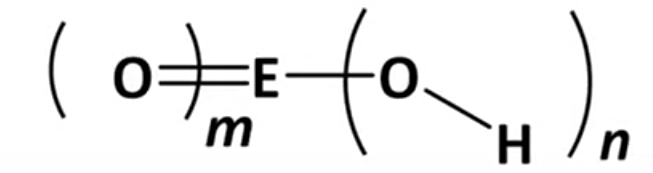
How can you work out the pKa of an oxyacid?
pKa ~ 8-5ₘ (ₘ being the number of E=O units)
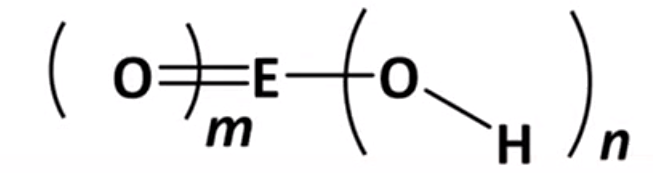
If you use 8-5ₘ to work out the pKa of an oxyacid, what does this tell us?
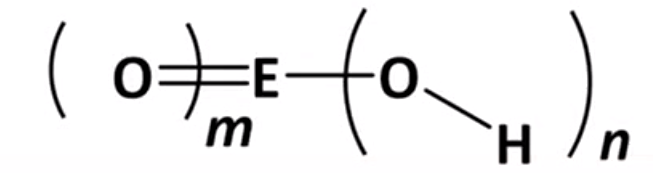
1) The strength of an acid is independent of the number of OH groups, n (the OH groups do not allow delocalisation of the charge on the anion) 2) The strength of the acid increases by 10⁵ for each E=O moiety (pKa decreases by 5)
A strong acid has a….
• Large Ka • Small pKa
Using Pauling’s rules, what is the pKa for the following acid?
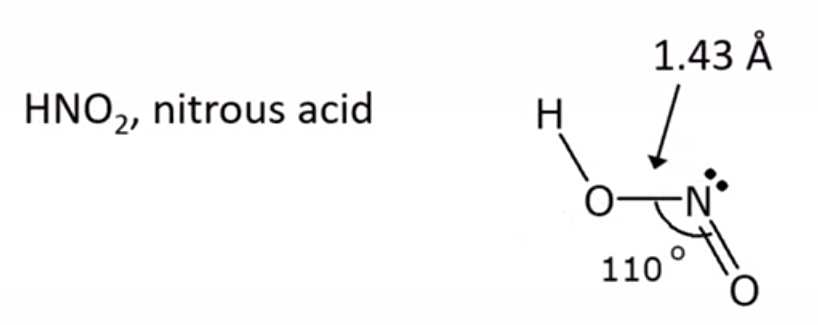
ₘ = 1x N=O unit pKa = 8-5ₘ 8-5(1) = 3 pKa = 3
Using Pauling’s rules, what is the pKa for the following acid
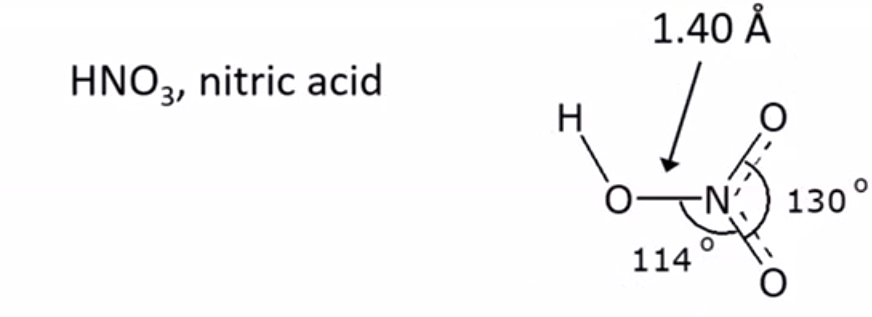
ₘ = 2x N=O units pKa = 8-5ₘ 8-5(2) = -2 pKa = -2
The following molecule below is an example of a phosphorus oxyacid Which part of the molecule is ionisable

• The P-OH are ionisable • The P-H are not ionisable
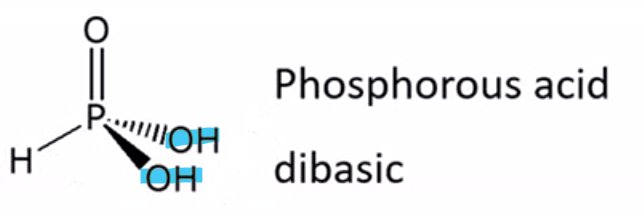
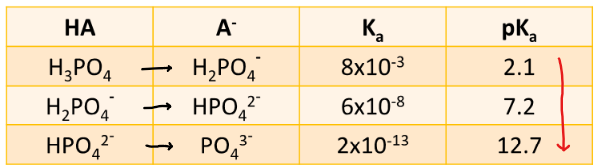
Phosphorus oxyacids can have more than one ionisable P-OH But…
Each sucessive ionisation becomes less favourable as the charge is less stabilised (buy the E=O) e.g. as more protons are lost from H₃PO₄, the pKa increases (i.e. it becomes less acidic)
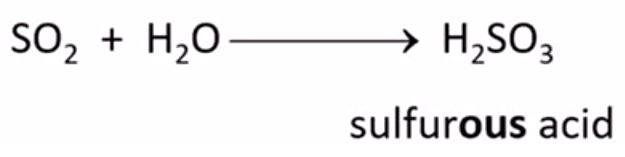
How would you form sulfurous acid (H₂SO₃)
By adding sulfur dioxide to water
What two isomers of sulfurous acid exist? (H₂SO₃)
Either with 1x S=O or 2x S=O
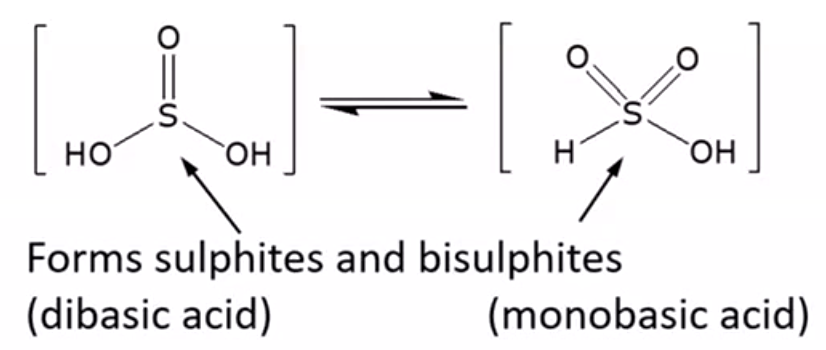
How can you from Sulfuric acid (H₂SO₄)?
By reacting sulfur trioxide with water
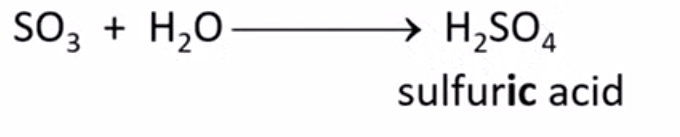
Balance the following equation


Group 17 elements have a wide range of common oxidation state for oxides and halides Apart from…
Fluorides Due to being highly electronegative
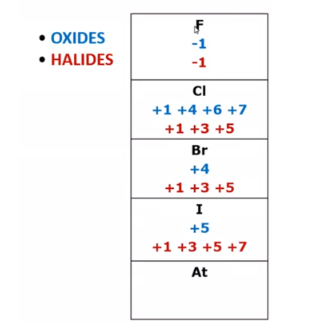
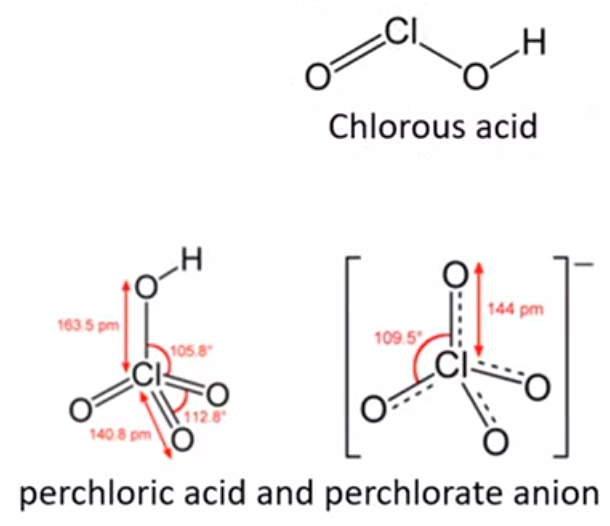
What are the names of the following oxyacids of group 17 halogens? HOXO HOXO₂ HOXO₃
• HOXO - halous; chlorites, bromites • HOXO₂ - halic; chlorates, bromates, iodates • HOXO₃ - perhalic; perchlorates, perbromates, periodates
The higher the oxidation states for oxyacids of group 17 halogens, it is less favourable for the halogen due to how electronegative they are So they are
Good oxidising agents (can easily be reduced again)
Explain the trend for electron affinity of the group 16 elements
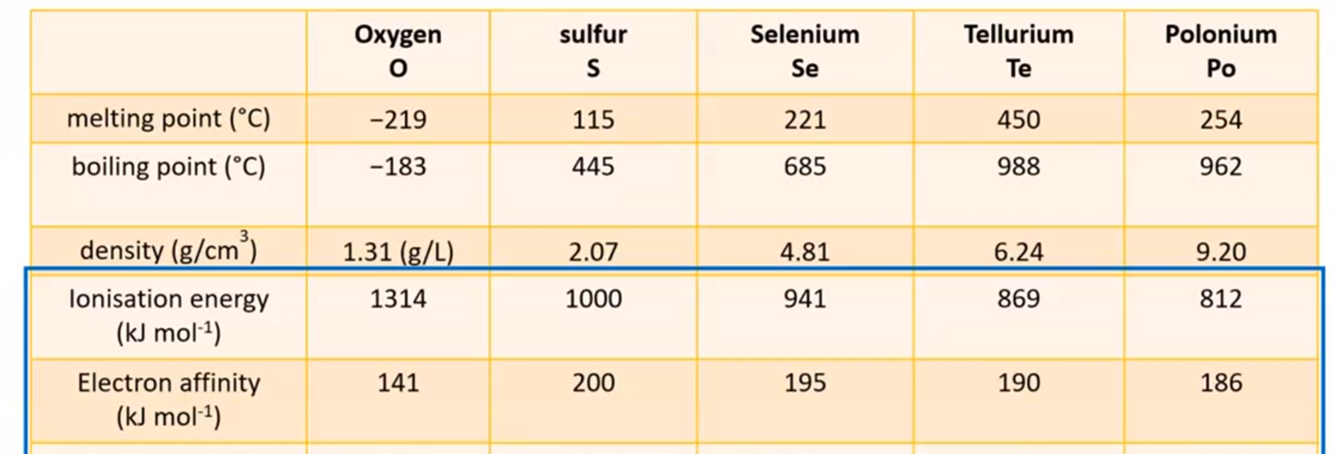
• The electron affinity for O is lower than S because of its very small size, resulting in increased electrostatic repulsion when an electron is added • S and Se have similar values (despite Se outshell being further away) due to the poor shielding of the d-block (d-block contraction) • Te and Po have similar values (despute Po outshell being further away) due to poor shielding of the f-block (f-block contraction)
Second period elements tend do have fewer oxidation states due to not having a d-orbital Do oxygen follow this trend?
No Oxygen has a range of oxidation states
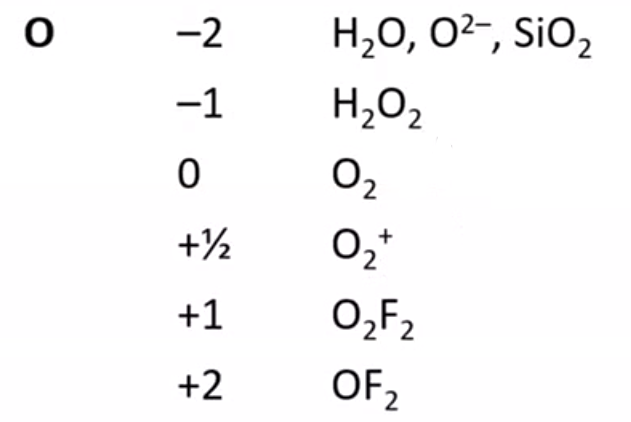
Higher oxidation states of +6 and +4 are available for S, Se and Te But only +2 and +4 is available for Po
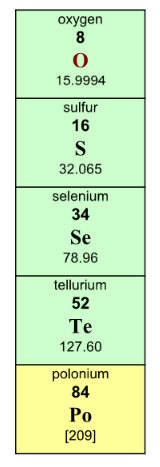
The inert pair effect
What are the two main allotropes for oxygen?
O₂ and O₃
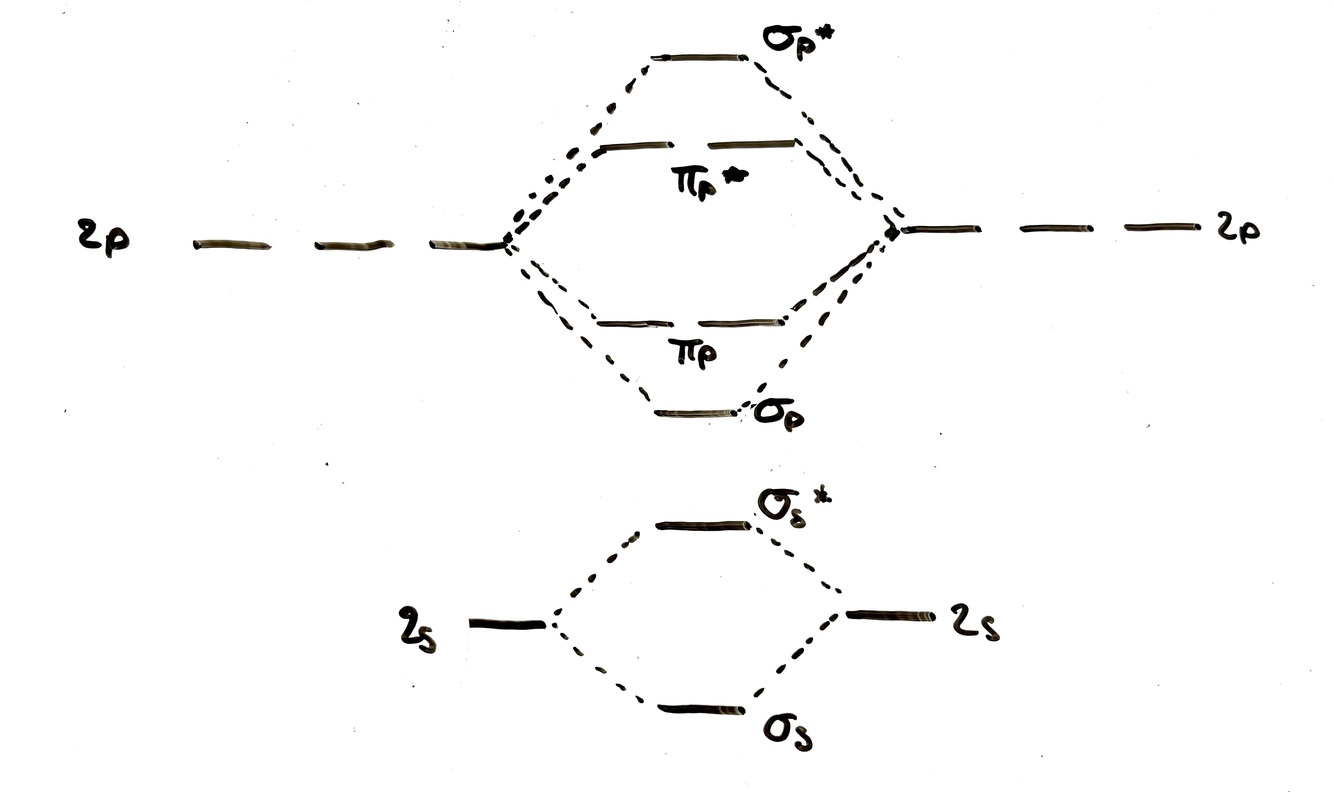
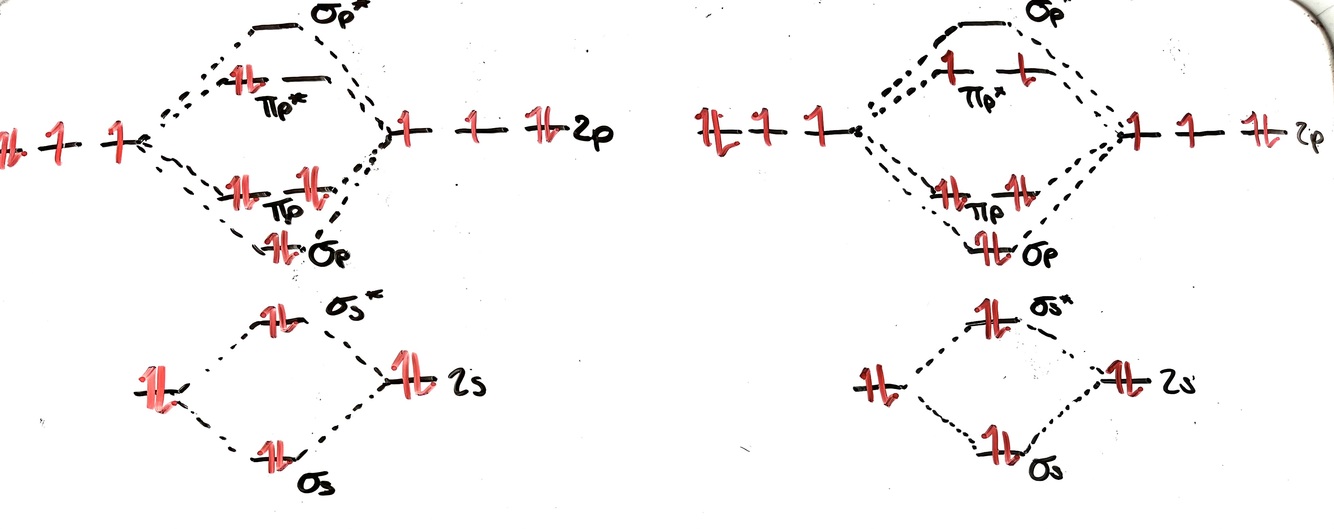
Considering the electron configuration of oxygen is: 1s² 2s² 2p⁴ Fill in the following molecular orbital diagram for dioxygen
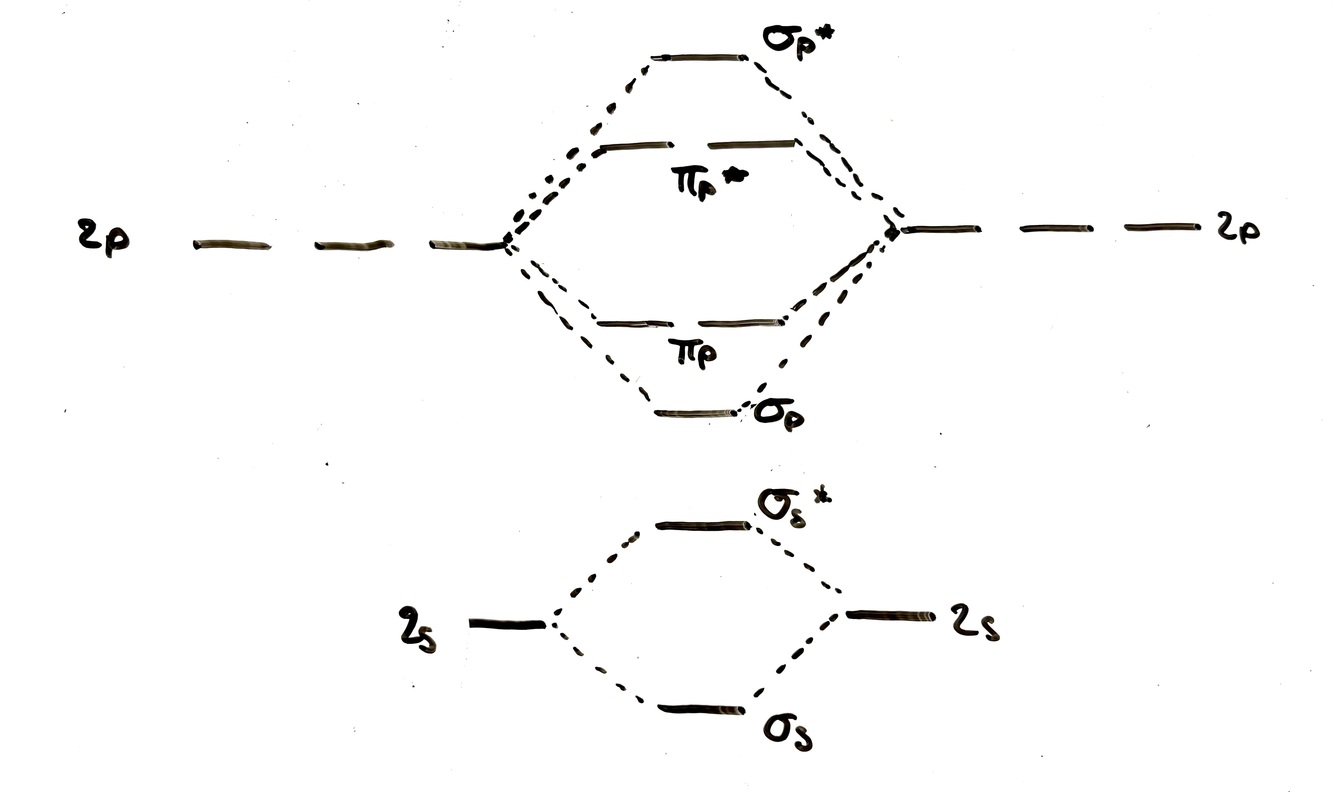
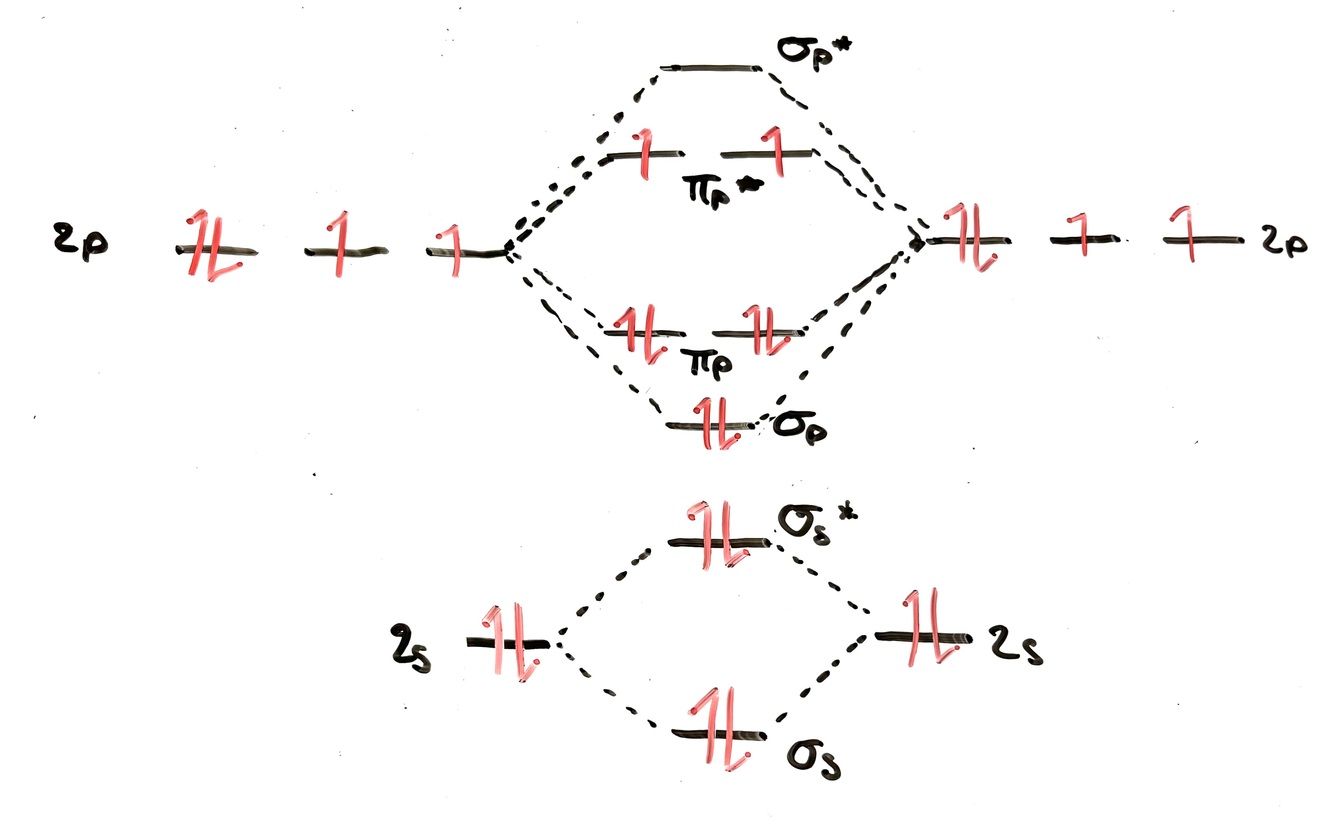
Considering the electron configuration of oxygen is: 1s² 2s² 2p⁴ Fill in the following molecular orbital diagram for dioxygen in the excited state (Hint: there are two possibilties)
How is O₃ formed? How does this reaction not use up all of the O₂ in the atmosphere?
O₃ is formed at high electrical potential, at a surface in an ozonizer, and low concentrations under UV irradiation The back reaction (O₃ + O → 2O₂) is highly exothermic

Other Chalcogens (like oxygen) are pretty reactive What are the main two ways in which chalcogens react?
• Dissolve in oxidising agents (e.g. sulfur dissolves in nitric acid and forms oxyacids) • Attacked by halogens (e.g. S₈ + 24F₂ → 8SF₆)
What compounds of sulfur exist and why?
• Sulfur has many allotropes • Due to S-S single bond being favoured due to the poor pi-orbital overlap • A range of allotropes exist as the S-S-S bonds distances and angles can vary greatly and cycles are thermodynamically favoured (no “dangling” bonds i.e. an unsatisifed valence on an immobilised atom)
