Clinical Diagnosis of Poisoning of Heavy Metals
No description yet. This curated deck is ready for daily study.
Card preview (24)
LO
• Clinical and forensic toxicology of important metals including As, Pb, Tl and Hg • Pharm kinetics and metabolism of important heavy metals and relationship to acute and chronic toxicity • Laboratory techniques for detection and measurement of heavy metals in biological fluids and tissues
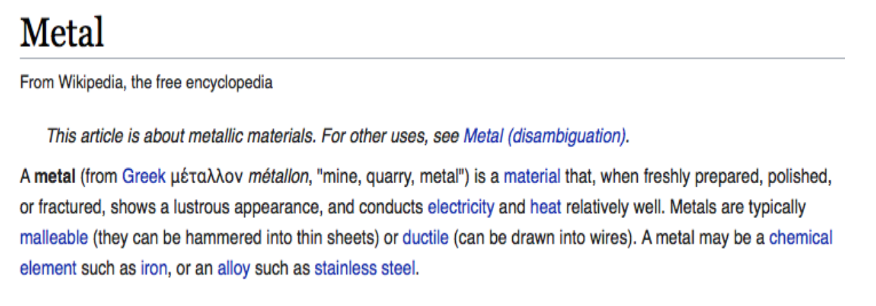
Define a metal
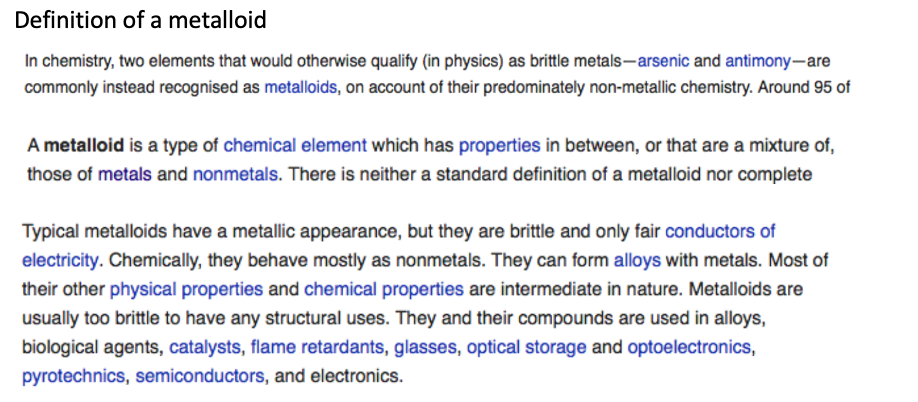
Define a Metalloid
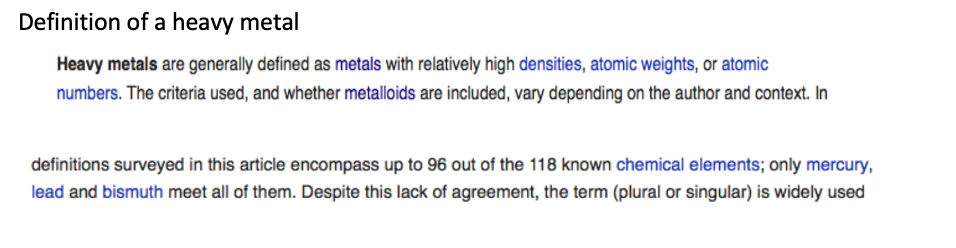
Define a heavy metal
Trace amounts of some heavy metals are essential for human health, what are some of these heavy metals?
Fe, Cu, Co, Z, Se and Cr
Are heavy metals used in our everyday lives?
Heavy metals are rare in the earth’s crust by extensively used in our everyday lives
What are some examples of heavy metals thats are likely to cuase toxicity if extensively used?
Cr, As, Cd, Hg and Pb
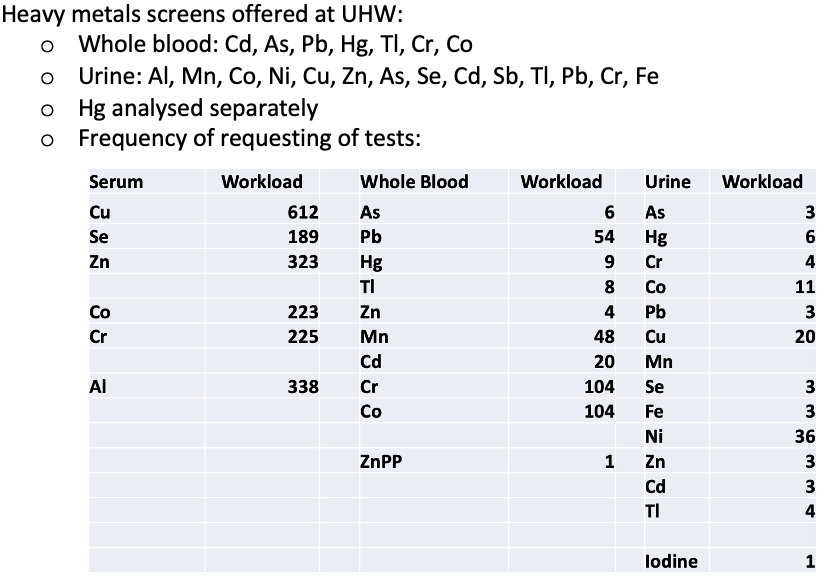
What types of heavy metals can be detected in whole blood and urine?
What is lead, Pb been used in?
• Pb has been used in domestic and industrial applications for hundreds of years • Toxicity has been recognised for almost as long • It is the most heavily regulated and researched of the heavy metals • Some degree of exposure is almost universal
What action has helped to remove the environmental exposure of the population to lead?
• Removal of lead-solder from tin cans and regulated on use of lead in petrol over previous 15-20 years has reduced the population environmental exposure • Use of ‘unleaded petrol’ has further reduced environmental exposure • ‘Control of lead at work (CLAW) 2002 regulation approved code of practice’ results in improved industrial hygiene and surveillance reducing industrial exposure
What are some examples of lead poisoning sources?
• Lead in pipes plus acidic treatments- contaminated water • Industrial • Hobbies (stained glass windows) • Renovating homes (old lead paints) • Auyverdic medicines/imported medicines • Paints from imported toys • Kohl make up • Soil and dust
Why are children more susceptible to lead poisoning?
• Adults and children can be involved in cases of lead toxicity • Children and more susceptible as they have a faster rate of growth and development hence absorption • More likely putting things in their mouth i.e., toys or crawling on floors with dust exposure • Conditions including PICA put children at increased ris • Foetus can be exposed as lead crosses the placenta
What are the routes of exposure for lead?
GI Lungs Retained Pb based foreign bodies route of ongoing exposure Skin
Tell me about the GI route of exposure to lead
o First major route of absorption o Children absorbing up to 50-80% of ingested lead o Where adults 3-10% o Increased absorption if Ca or Fe deficiency present
Tell me about the lungs exposure to lead
o Second major route of exposure o Amount absorbed depends on number of factors o Including size of particle o Almost all inhaled lead absorbed
Tell me about the skins route of exposure to lead
o Inorganic lead is not absorbed o Organic lead is well absorbed
Is most exposure to organic or inorganic lead?
Inorganic
What is organic lead used in?
Organic lead used (tetraethyl and tetramethyl) in petroleum industry but cases of exposure are rare
Tell me about the pharmacokinetics of lead
• In the body 5% of lead forms an interchangeable pool between soft tissue and blood • Remaining 95% sequestered in bone • About 93% of inorganic lead entering the body is bound rapidly to erythrocyte membranes and haemoglobin with a half-life of around 35 days • With chronic exposure less lead enters the bone but is bound to proteins (possibly metallothionine) increasing the half-life in blood • Half-life of Pb in bone is 20-30 years
Tell me about the mechanism of haematological toxicity for lead
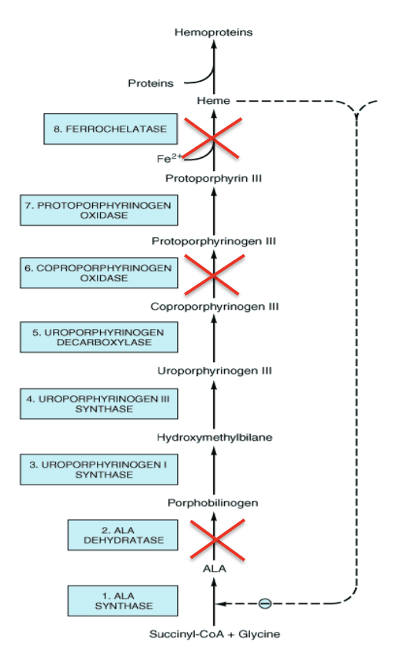
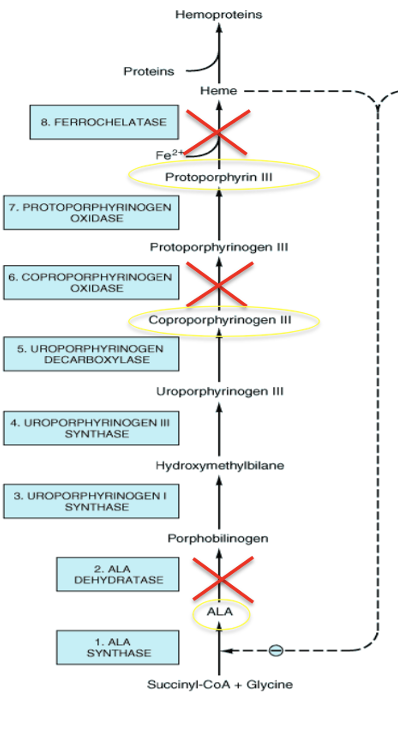
• ‘Critical organ’ for organic lead is the bone marrow • Inhibition of key enzymes in haem biosynthetic pathway • This would only be of clinical significance with chronic exposure • Acute lead exposure can get haemolytic anaemia • Increases urine porphyrins • Formation of zinc protophyrin in the blood • Microcytic hypochromic anaemia • Reticulocytes on blood film • Pb also inhibits pyrimidine 5 nucleotidase • Leaves clumps of RNA in erythrocytes • Visible on blood film as basophilic stippling
Tell me the mechanism of CNS toxicity for lead
• Other main ‘critical organ’ for Pb is CNS • Associated with various types of brain damage including: o Problems with thinking (cognition) o Difficulties with organising actions, decision, and behaviours (executive functions) o Abnormal social behaviours (aggression) o Difficulties in organising fine movements (motor control) • Lead causes activation of protein kinase C (PKC) and a preferentially binds to PKC than its activator calcium • Results in problems with neurotransmitter release • Clinical effects difference from chronic to acute toxicity and dependent on blood concentrations
Will children suffer neurological effects at higher or lower concentrations than adults?
Lower
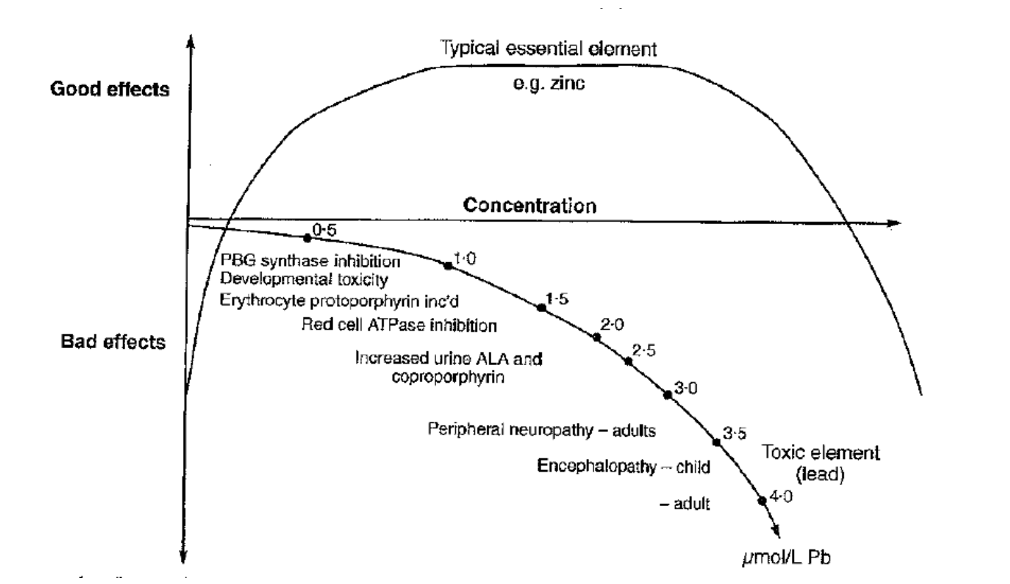
Neurological adverse effects in children have been associated with blood lead levels previously thought to cause no harm
o <10 µg/dl (<0.5µmol/L): reduction in IQ performance and other neuropsychological effects including hearing o <5 µg/dl(<0.24 µmol/L): decrease IQ, lower academic achievement, and reductions in specific cognitive measures
Less severe neurological and behavioural effects have been document in lead-exposed workers with BLLs ranging from 40-120 µg/dL (1.93 to 5.80 µmol/L). What are someof these effects?
o Decreased libido o Depression/mood changes o Diminished cognitive performance o Diminished hand dexterity o Dizziness o Fatigue o Headache o Forgetfulness o Impaired concentration o Paresthesia o Reduced IQ scores