Energy Stores and Systems
No description yet. This curated deck is ready for daily study.
Card preview (24)
Where is energy stored?
In systems
What is a system?
An object or group of objects.
What are the different types of energy stores?
Chemical, kinetic, elastic potential, gravitational potential, magnetic, electrostatic, nuclear.
How can systems be changed?
• Heating • Work done by forces • Work done when current flows
What is the equation for kinetic energy?
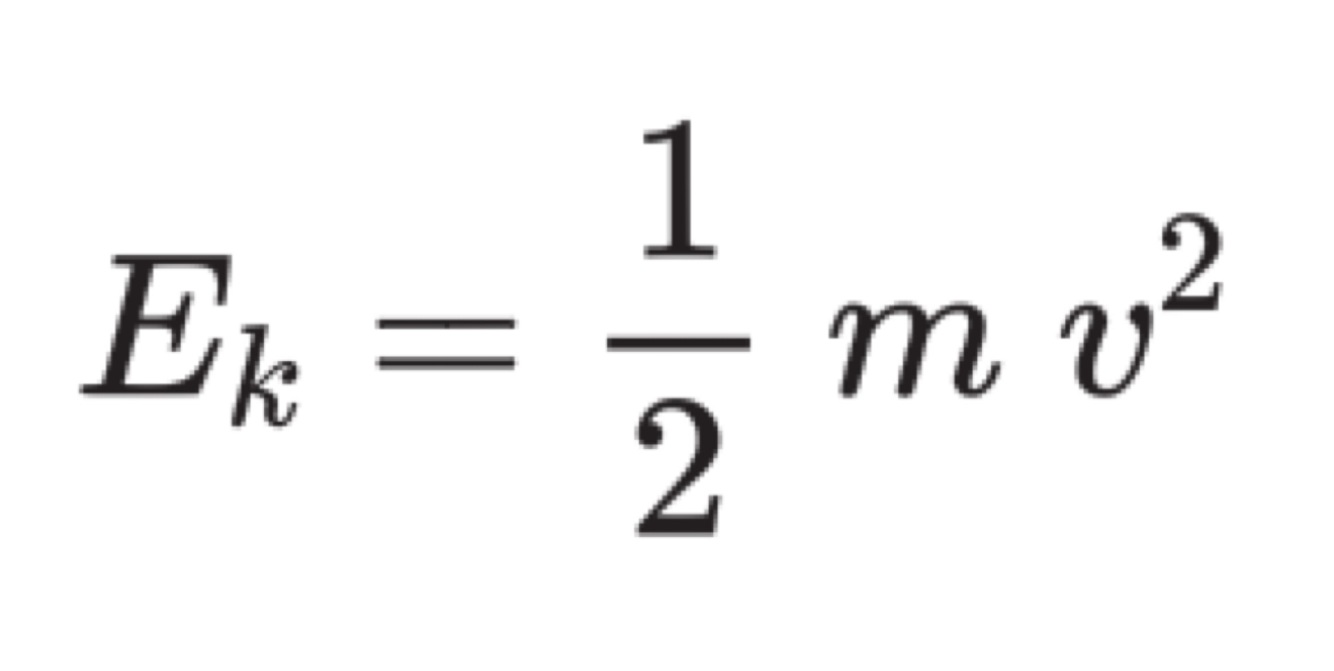
What are the units for energy?
Joules
What are the prefixes for units?
Giga Mega Kilo Centi Milli Micro Nano
What are the symbols for units?
G M k c m u n
What are the powers for units?
10^9 10^6 10^3 10^-2 10^-3 10^-6 10^-9
What is the equation for gravitational potential energy?
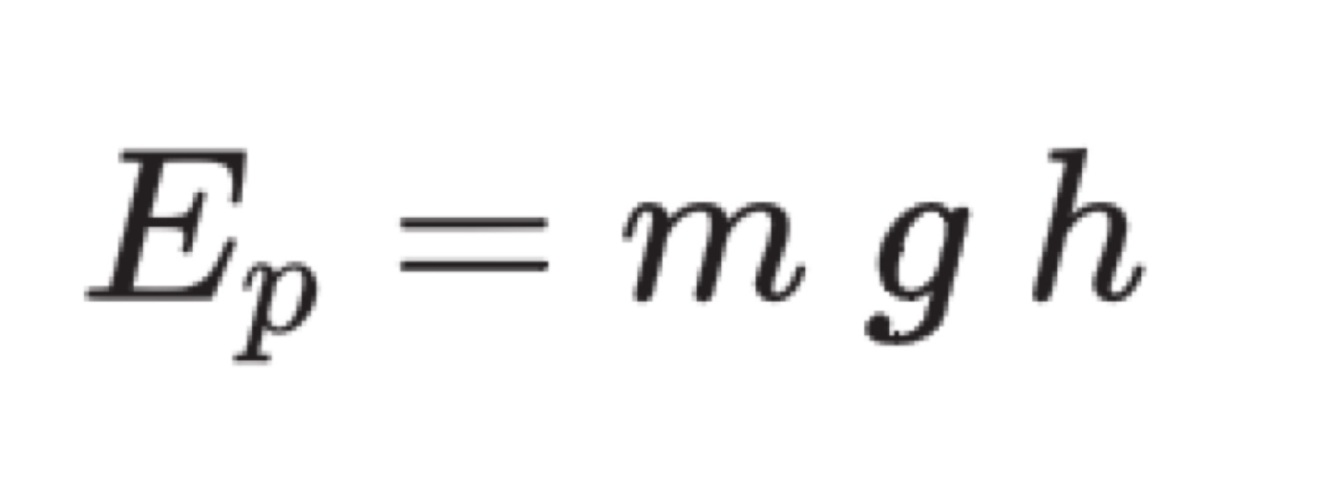
What are the units for gravitational field strength?
Newtons per kilogram
What is specific heat capacity of a substance?
The amount of energy needed to increase the temperature of 1 kg of substance by one degrees Celsius.
What are the units for specific heat capacity?
J/kg °C
What is power?
The rate at which energy is transferred.
What are the units for power?
Watts
What is the equation for power?
Power = Energy / time P = E / t
Required Practical: Finding the shc of a solid metal.
• Place the immersion heater into the central hole at the top of the block. • Place the thermometer into the smaller hole and put a couple of drops of oil into the hole • Fully insulate the block by wrapping it loosely with cotton wool. • Record the temperature of the block. • Connect the heater to the power supply and turn it off after ten minutes. • After ten minutes record the highest temperature that it reaches and calculate the temperature rise during the experiment. • From the values of the ammeter and voltmeter use E = VIt then substitute the values into the the change in thermal energy equation. Reducing errors: - insulate the metal - add oil into the whole for better thermal contact - use a variable resistor to kept the heater current constant
What is the law of conservation of mass?
Energy cannot be created or destroyed; only transferred, stored or dissipated.
What is a closed system?
When energy is transferred between stores keeping the net energy change at 0; so the total amount of energy in the system is constant.
Why does a swing go less high each time until it stops?
The energy is dissipated to the surroundings due to the friction of the swing/child.
What are metals with a high thermal conductivity called?
Conductors
How can heat loss from buildings be reduced?
• Insulating materials • Double glazed windows
What is a conductor?
A material that allows thermal energy to be transmitted through it easily.
What does low thermal conductivity mean?
The rate of energy transfer is low.