DAT Booster Biology Practice Exam 6
No description yet. This curated deck is ready for daily study.
Card preview (24)
A botanist has discovered a new plant and notes that it is predominantly found in its gametophyte form. Which category does this plant most likely belong to?
bryophyte
All land plants undergo reproduction with an
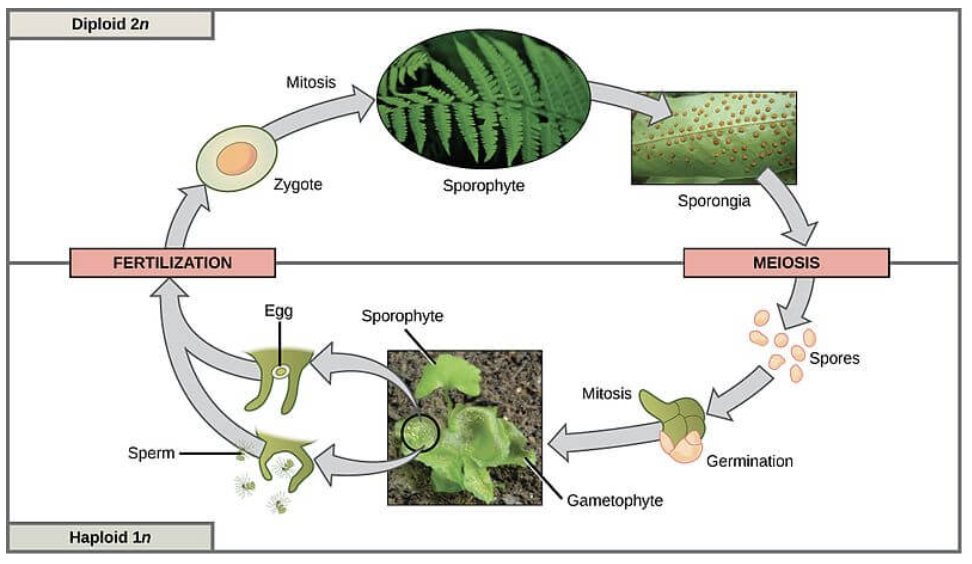
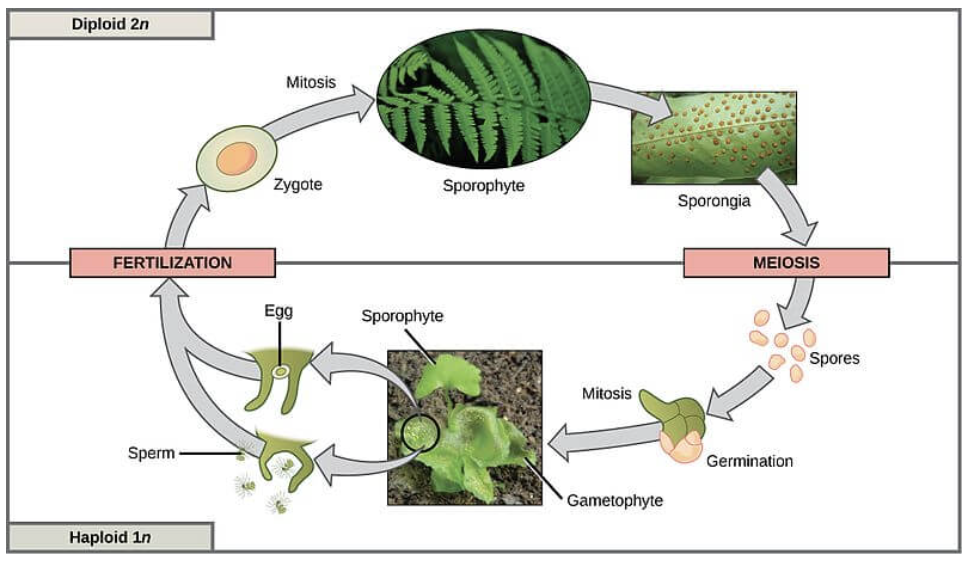
alternation of generations
alternation of generations scheme
alternates between sexual and asexual reproduction stages
tracheophytes (including seedless tracheophytes, and seeded angiosperms, and gymnosperms) are found most prominently in the
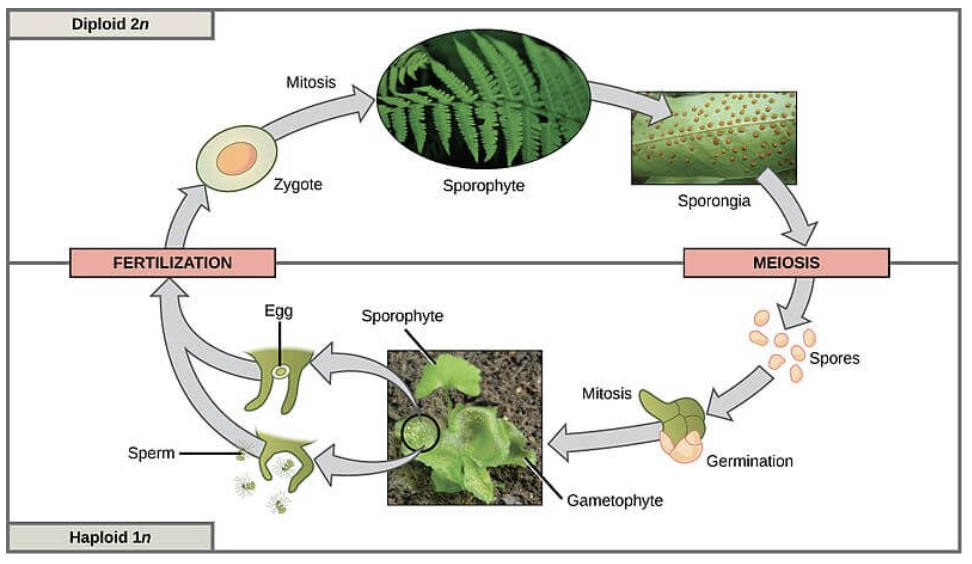
diploid sporophyte phase
bryophytes are found most prominently in their
gametophyte phase
The endosperm is not a plant, but rather a specific type of supportive tissue that
provides nutrition to the developing embryo.
Double fertilization
found in most angiosperms and results when two sperm from a pollen grain fertilizes one polar nuclei, a degenerate egg. main egg that is fertilized by a single sperm goes on to form the diploid zygote.
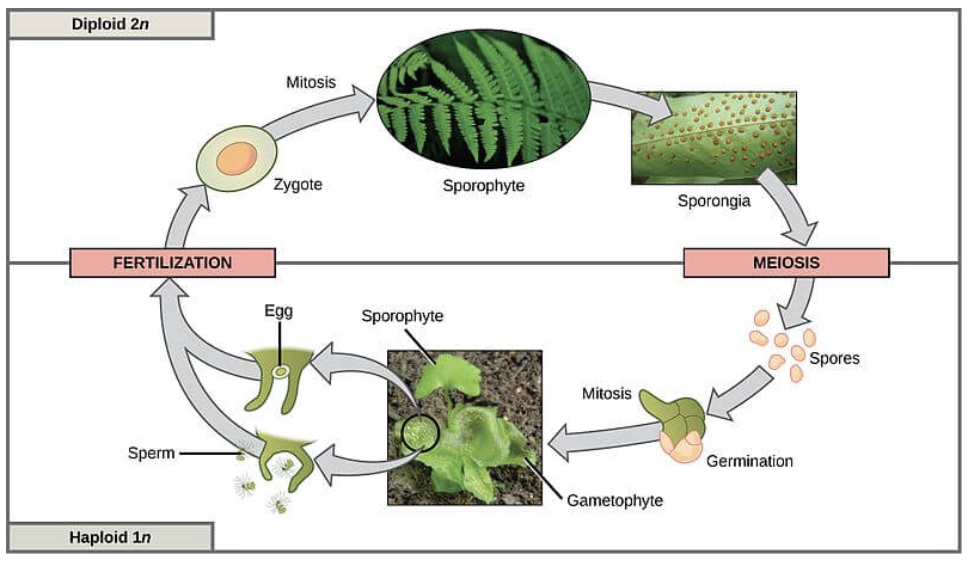
seedless tracheophytes have
vascular structures, and it should be noted that plants that have a dominant gametophyte generation will lack true vascular structure.
In the fetal circulatory system, the ductus venosus allows blood to bypass which of the following?
liver
As oxygenated and nutrient-rich blood returns to the fetus from the placenta via the umbilical vein, half enters the
ductus venosus. bypasses the liver as blood returns to the heart. The liver in adults acts to filter and detoxify the blood but is not fully functional during early development.
Which of the following would be the most immediate consequence of a defective sperm without an acrosome reaching the egg for fertilization?
inability to penetrate zona pellucida
acrosome
the head of the sperm and it contains hydrolytic enzymes that allow sperm to digest through the zona pellucida to get to the oocyte. a mutation in the acrosomal vesicle would prevent sperm from penetrating the zona pellucida in order to reach an oocyte, fuse cell bodies and share its genetic material.
IgA
found in mucous, saliva, and breast milk dimer consisting of two subunits protects against pathogens
IgD
part of the B cell receptor activates basophils and mast cells
IgE
protects against parasitic worms responsible for allergic reactions
IgG
secreted by plasma cells in the blood able to cross the placenta into the fetus
IgM
may be attached to the surface of a B cell or secreted into the blood pentamer consisting of five subunits. responsible for early stages of immunity
What process immediately follows the penetration of the corona radiata by sperm?
Acrosomal reaction
After a sperm penetrates an egg’s outer corona radiata layer
the sperm binds to the ZP3 protein of the zona pellucida to enable mutual recognition of species-compatible gametes. This binding to the ZP3 protein enables the acrosomal reaction to occur and initiates the start of fertilization. The release of acrosomal digestive enzymes allows the sperm to further penetrate the zona pellucida to fuse with the egg’s plasma membrane to deposit its nucleus into the egg. same time the sperm binds to ZP3, the fast block of polyspermy occurs to trigger an influx of Na+ that prevents additional sperm from binding to ZP3
Capacitation
capacitation occurs while the egg is in the uterus due to uterine chemicals. This process increases the permeability of the acrosome and increases the activity of the flagella before the sperm reaches the egg.
Once implantation occurs, the placenta starts secreting
human chorionic gonadotrophin (hCG)
human chorionic gonadotrophin (hCG)
maintains the corpus luteum.
corpus luteum secretes
estrogen and progesterone
when implantation does not occur,
the corpus luteum degenerates and as estrogen and progesterone levels drop, the endometrium is shed as menstrual flow.