Energy Week 2
No description yet. This curated deck is ready for daily study.
Card preview (24)
Nuclear Power
Electricity generated from the nuclear energy contained in nuclear fuel
Radioactivity
The emission of ionizing radiation or particles caused by the spontaneous disintegration of atomic nuclei
Fission
A nuclear reaction in which a neutron strikes a relatively large atomic nucleus, which then splits into two or more parts, releasing additional neutrons and energy in the form of heat
Fuel rod
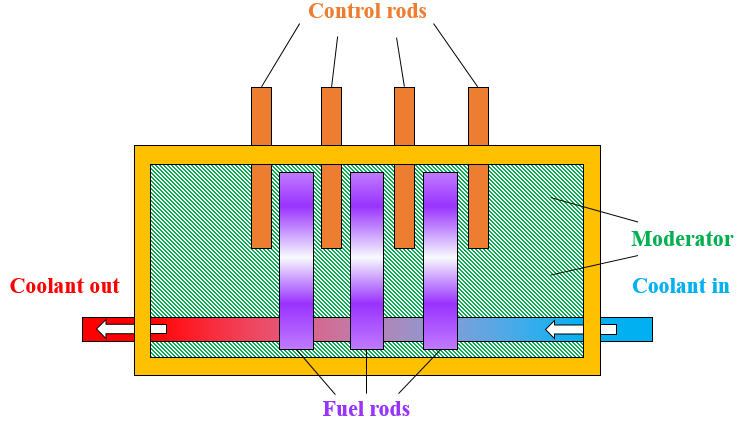
A cylindrical tube tht encloses nuclear fuel within a nuclear reactor
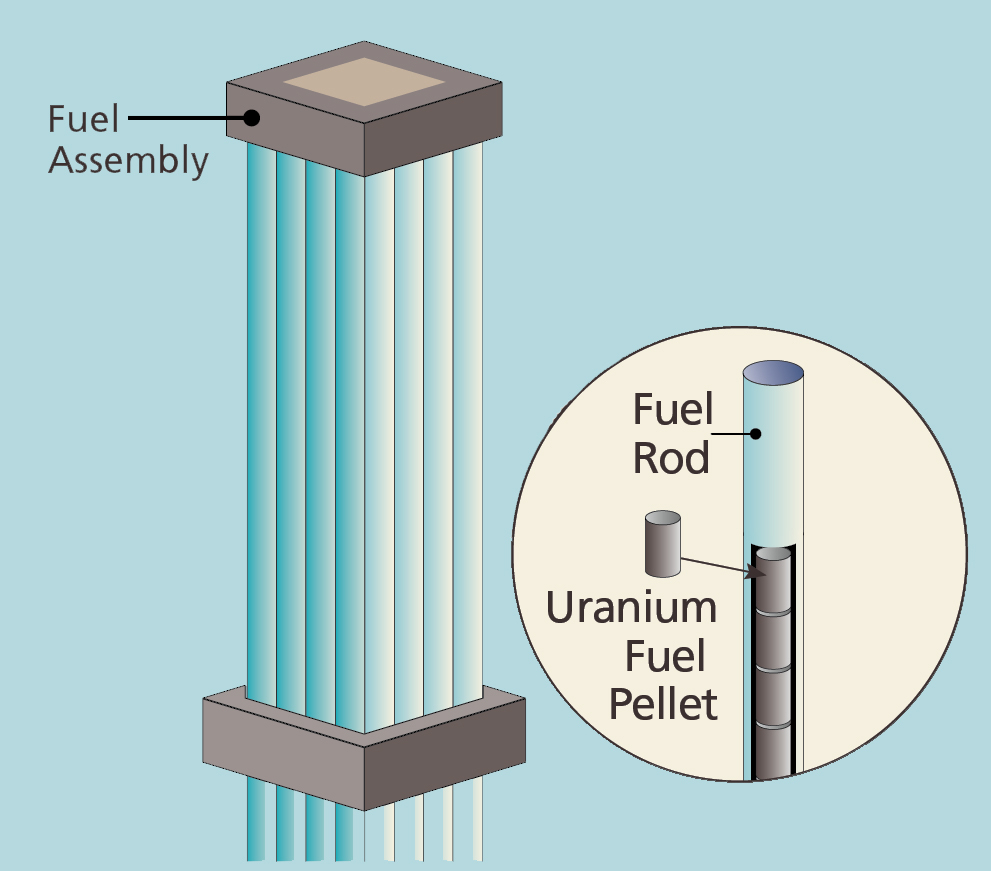
Control rod
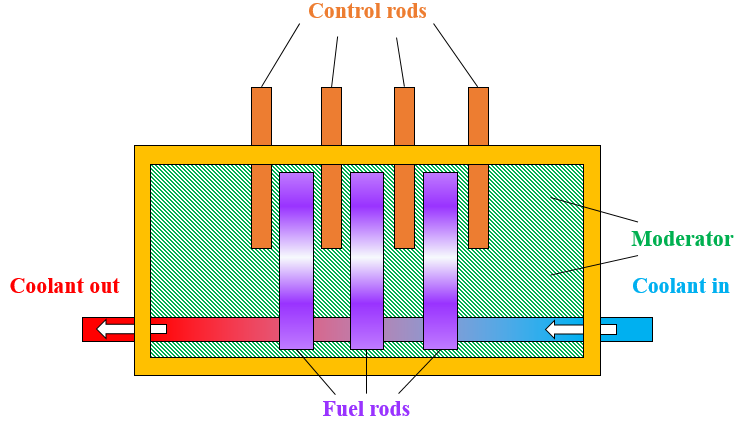
A cylindrical device inserted between the fuel rods in a nuclear reactor to absorb excess neutrons and slow or stop the fission reaction
Radioactive decay
a natural process where atoms give up energy and particles become stable; radioactive waste from a power plant has not yet become stable and, thus, can be harmful
Half-life
The time it takes for one-half of the original radioactive parent atoms to decay
Radioactive waste
Nuclear fuel that can no longer produce enough heat to be useful in a power plant but continues to emit radioactivity
Biomass
Biological (living) material that has mass
Charcoal
Woody material that has been heated in the absence of oxygen so that water and some volatile compounds are driven off
Particulate matter
Solid or liquid matter suspended in the air. Also known as soot
Carbon monoxide (CO)
A colorless, odorless gas that is formed during incomplete combustion of most materials
Nitrogen oxides (NOx)
A by-product of combustion of any fuel in the atmosphere
Carbon dioxide (CO2)
A by-product of all combustion
Biofuel
liquid fuels and blending components produced from biomass (plant) feedstock, used primarily for transportation
Ethanol
Alcohol made by converting starches and sugars from plant material into alcohol and CO2
Biodiesel
an alternative fuel that can be made from any fat, grease, or vegetable oil; can be used in any diesel engine with few or no modi cations; although biodiesel does not contain petroleum, it can be blended with diesel at any level or used in its pure form
Passive solar
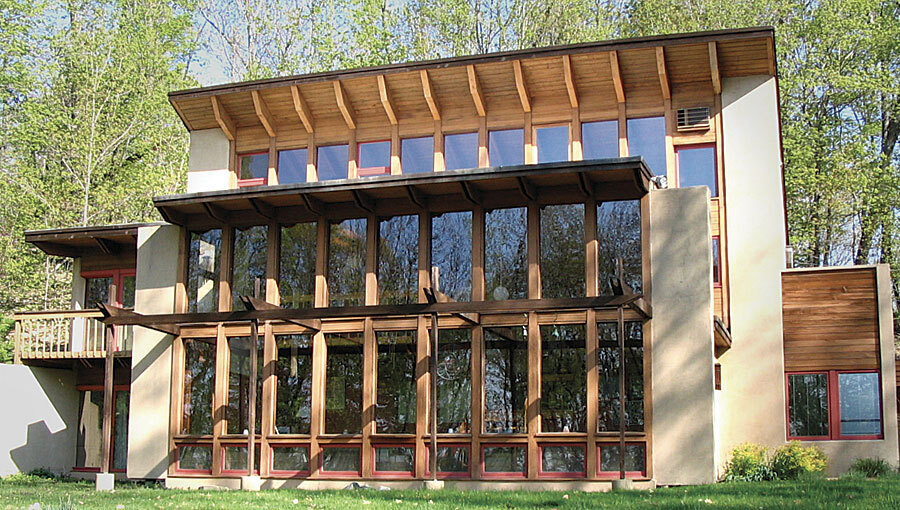
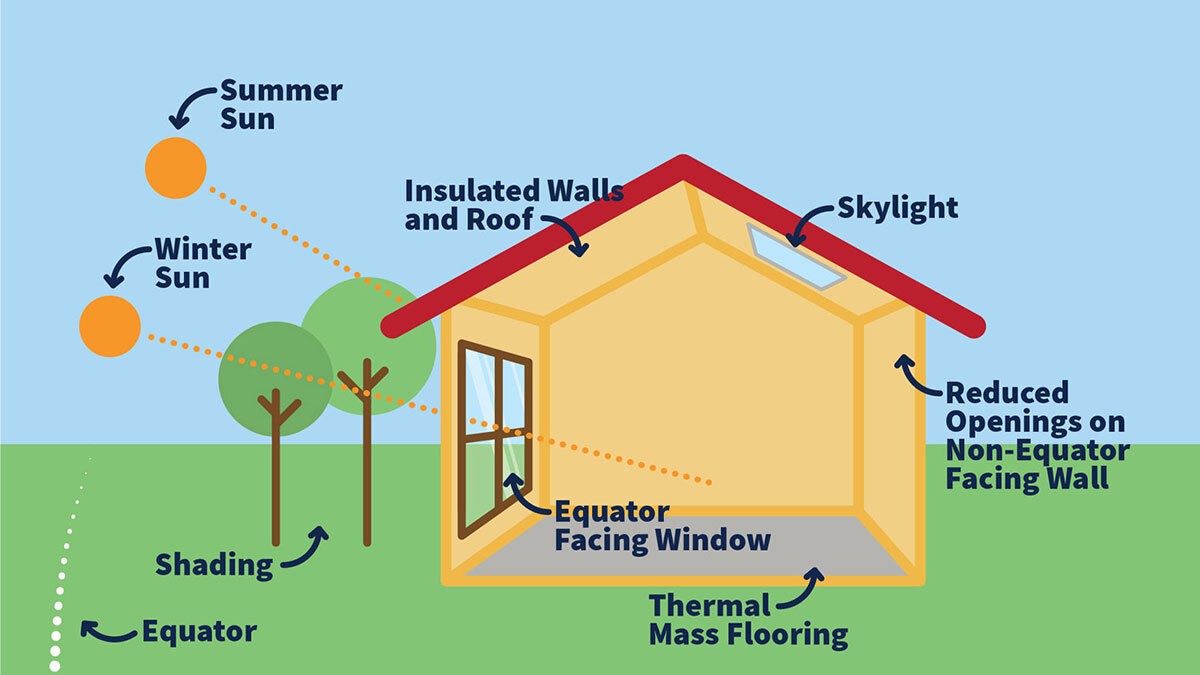
A use of energy from the Sun that takes advantage of solar radiation without active technology
Active solar energy
A use of technology that captures and stores the energy of sunlight with electrical equipment and devices
Photovoltaic cells
a device, usually made from silicon, which converts some of the energy from light (radiant energy) into electrical energy; another name for a solar cell
Hydroelectricity
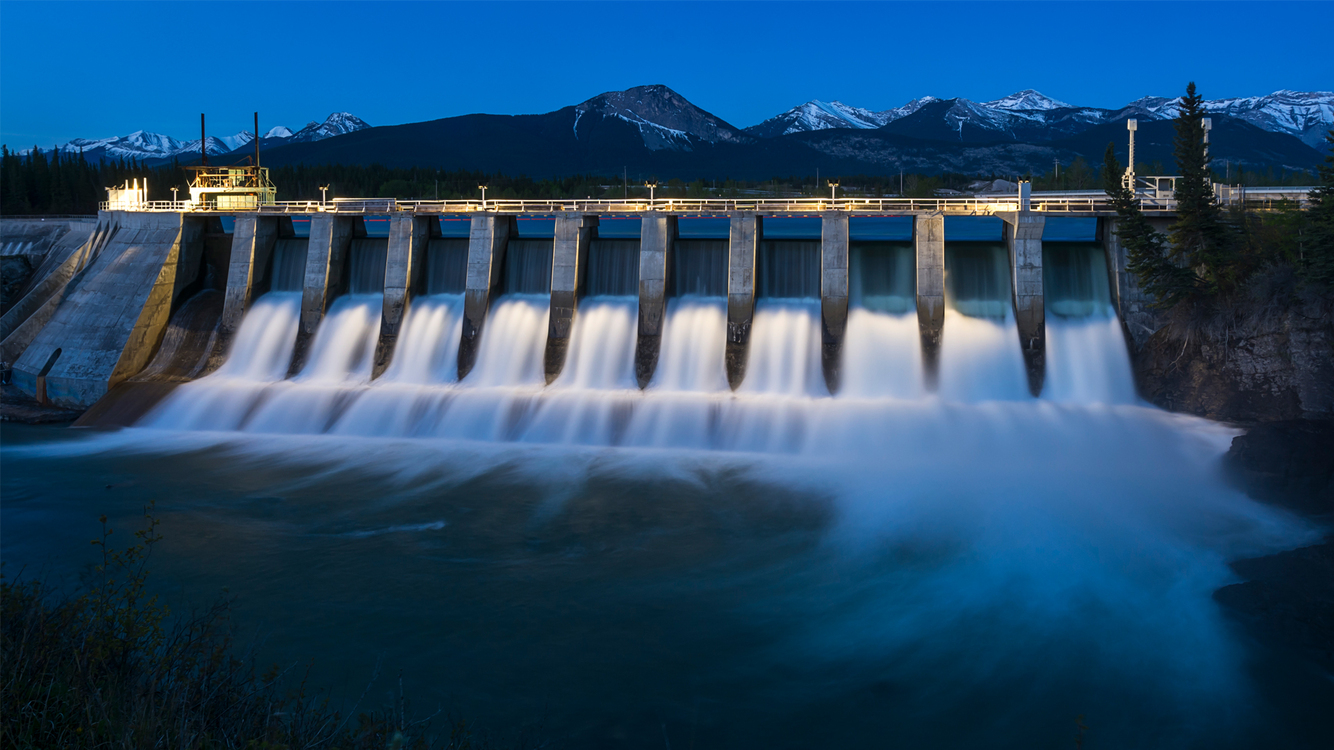
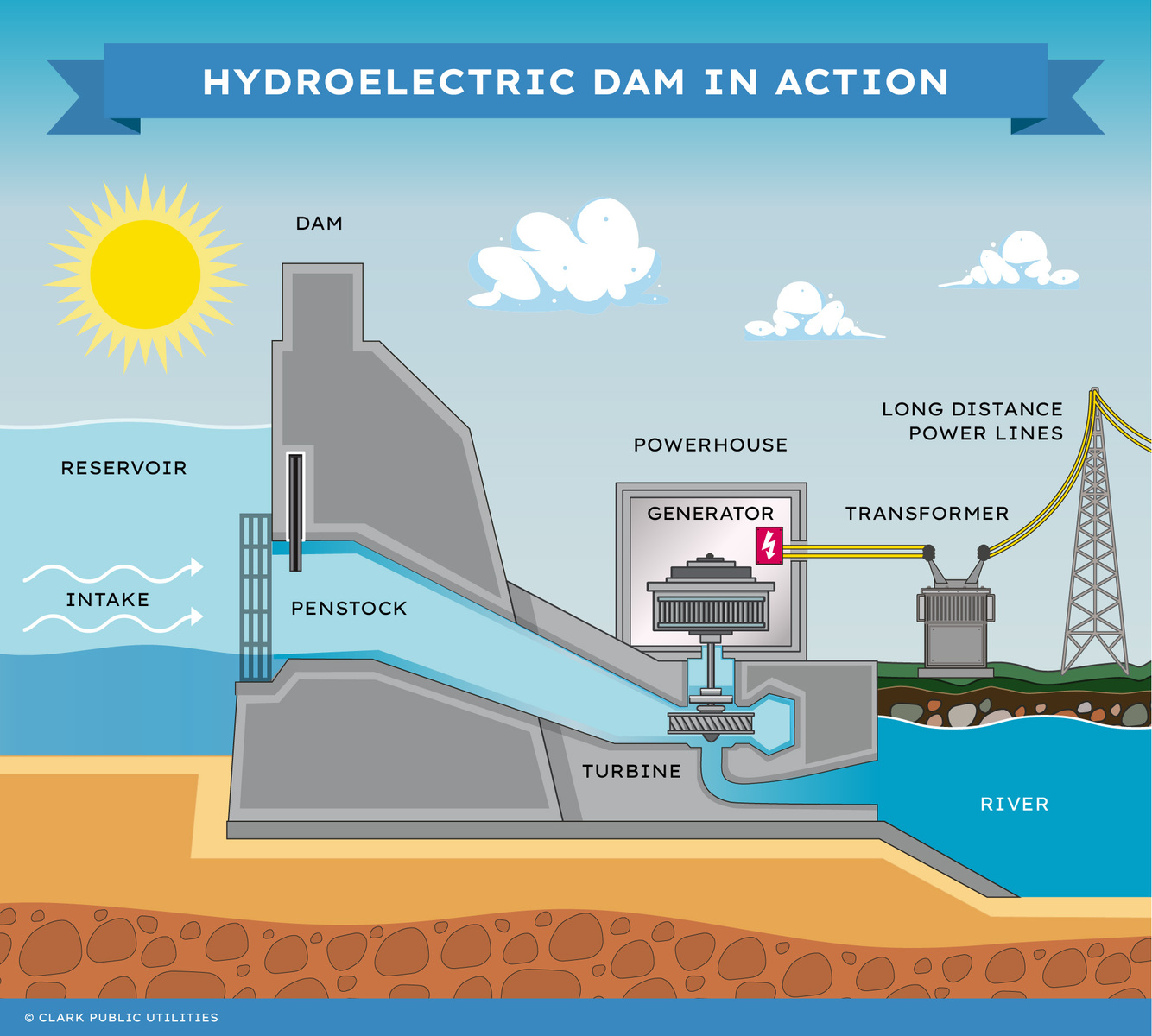
Electricity generated by the kinetic energy of moving water
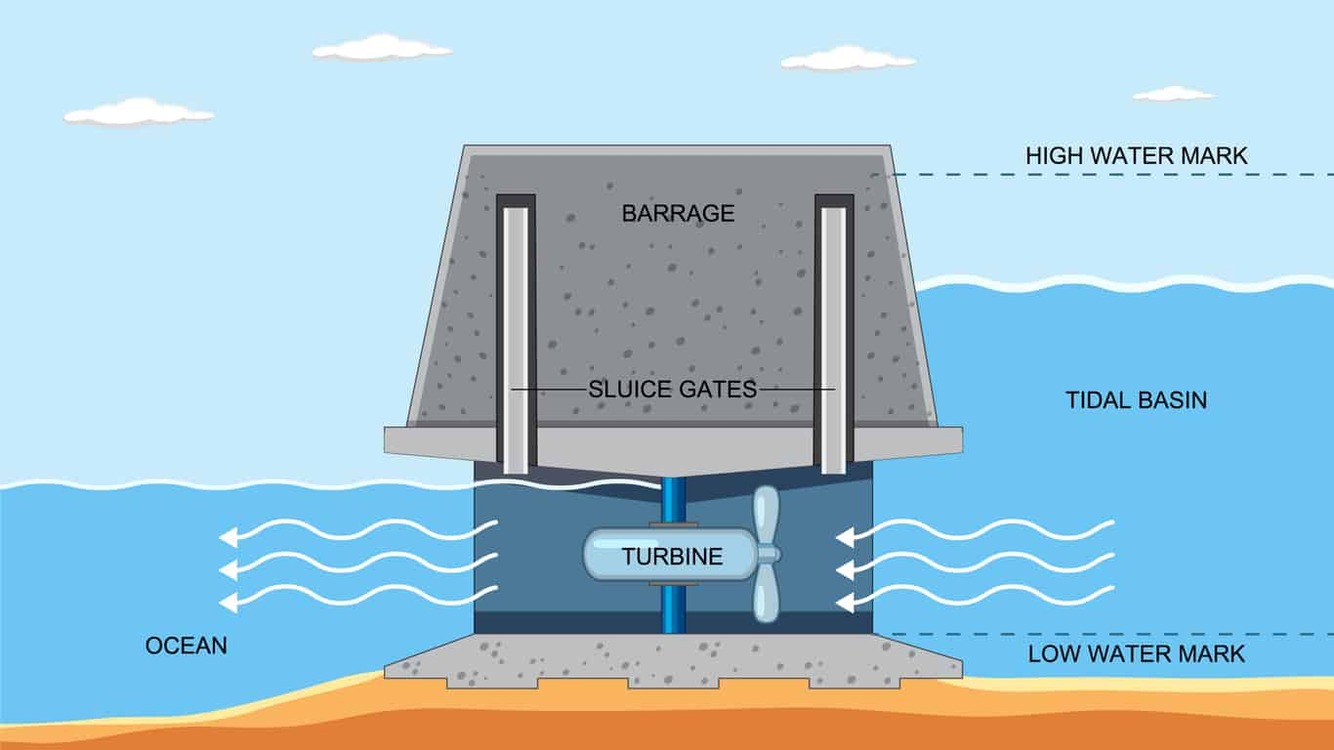
Tidal energy
Energy that comes form the movement of water driven by the gravitational pull of the Moon
Thermal mass
A property of a building material that allows it to maintain heat or cold
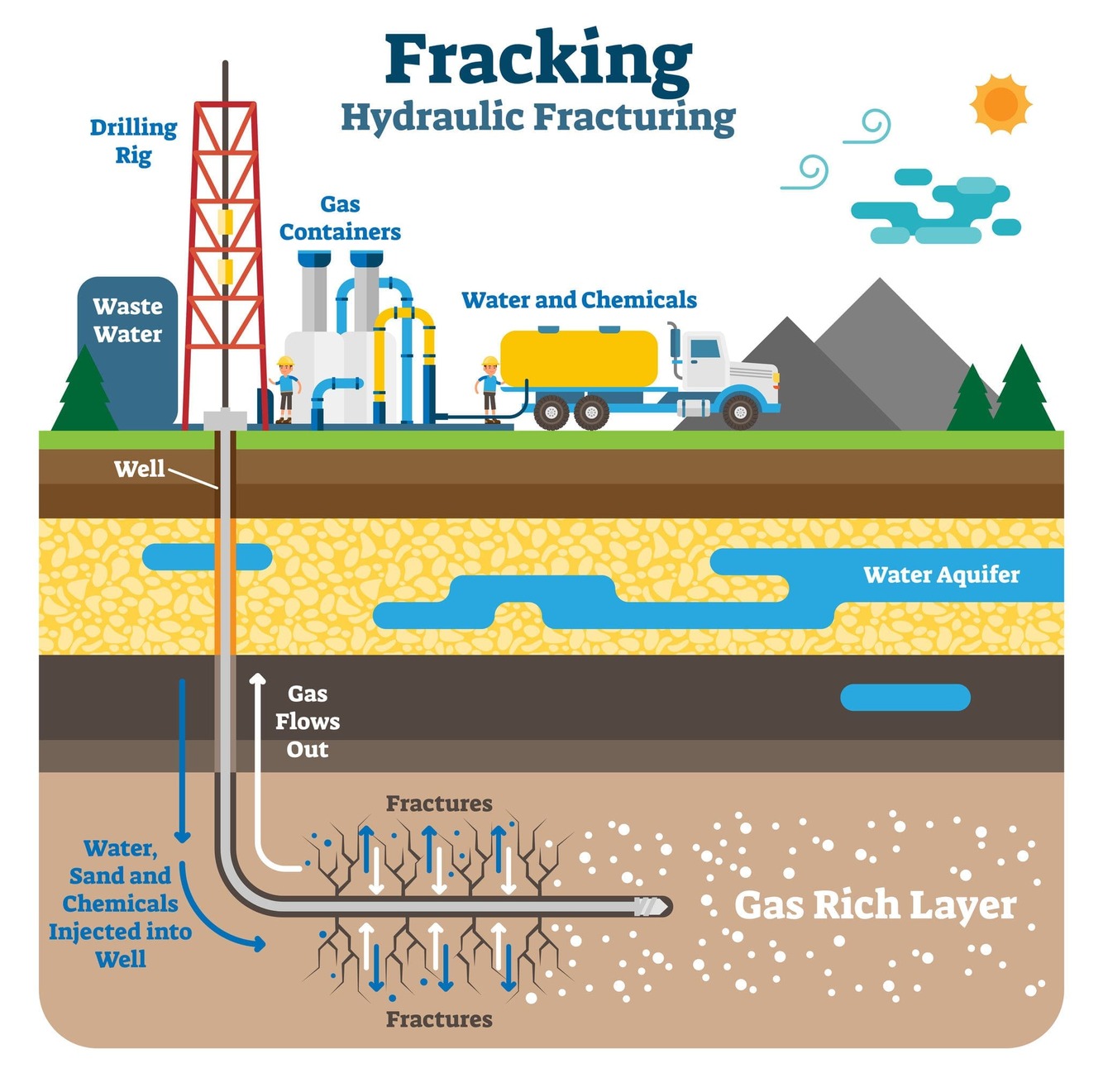
Fracking
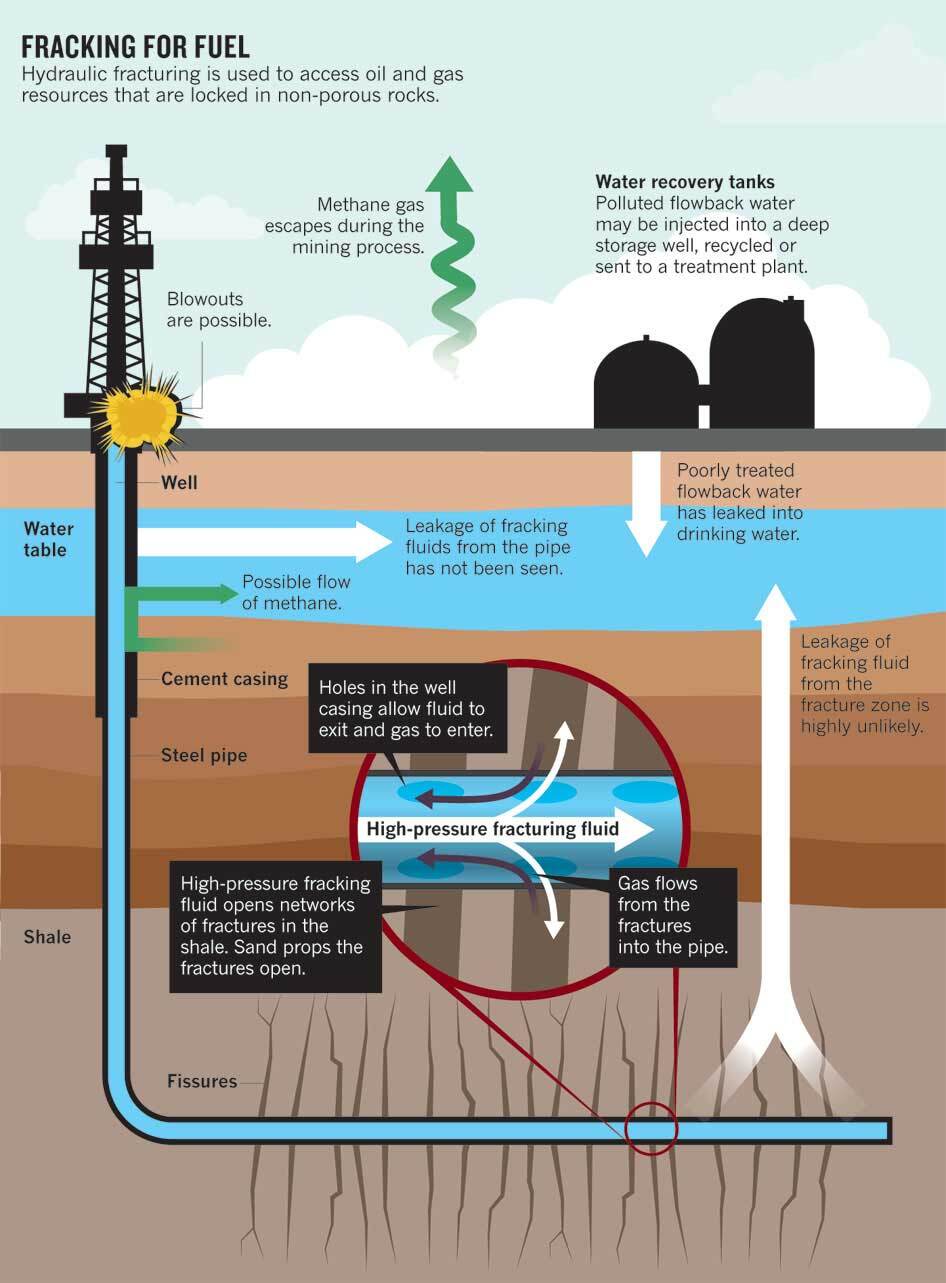
Short for hydraulic fracturing, a method of oil and gas extraction that uses high-pressure fluids to force open existing cracks in rocks deep underground