1 - Principles of chemistry (c) Atomic structure
暂无描述。系统推荐的高质量记忆内容,适合每天坚持背诵学习。
卡片预览 (5 张)
What is an: 1. Atom 2. Molecule
• An atom is the smallest part of an element, consisting of a nucleus and electrons • A molecule is two or more atoms chemically bonded together.
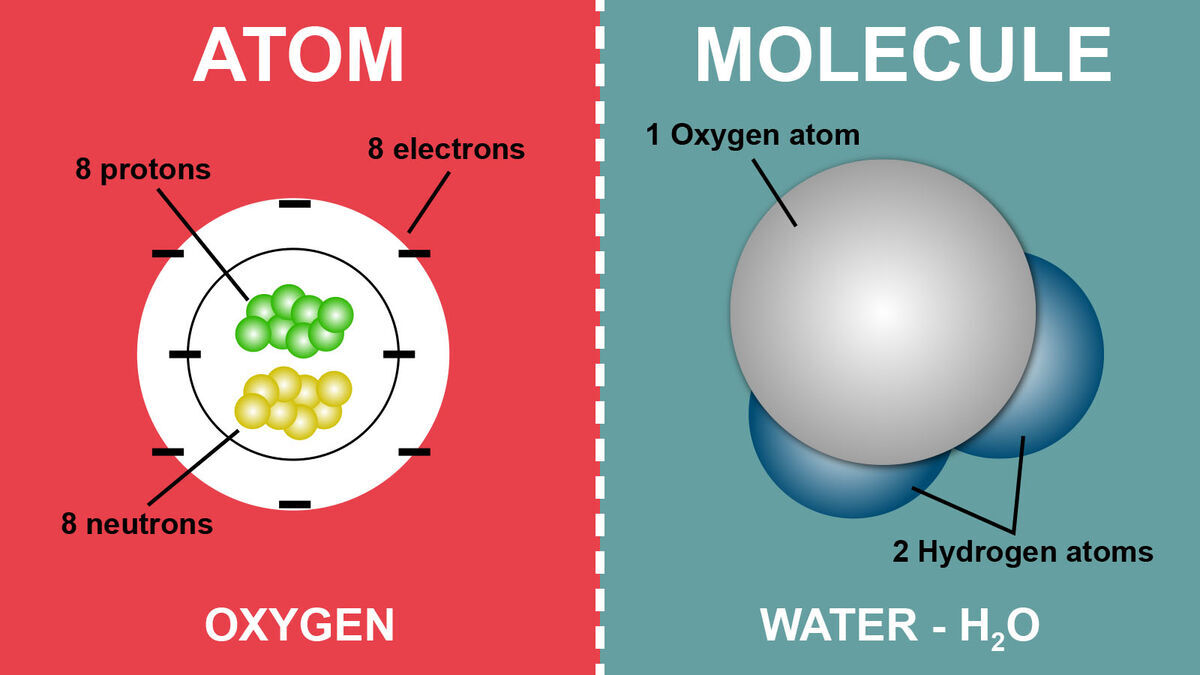
In an atom, where are the protons, neutrons and electrons’ positions? What are their masses and charges?
Protons and Neutrons are held in the nucleus. The electrons and held in electron shells surrounding the nucleus. Proton - Mass 1, Charge +1 Neutron - Mass 1, Charge 0 Electron - Mass 1/1836, Charge -1
What is an: 1. Atomic number 2. Mass number
• The atomic number is the number of protons in an element (and coincidentally the number of electrons too). It identifies the element and is below the symbol on the periodic table • The mass number is the number of protons and neutrons in an element, which is above the symbol on a periodic table
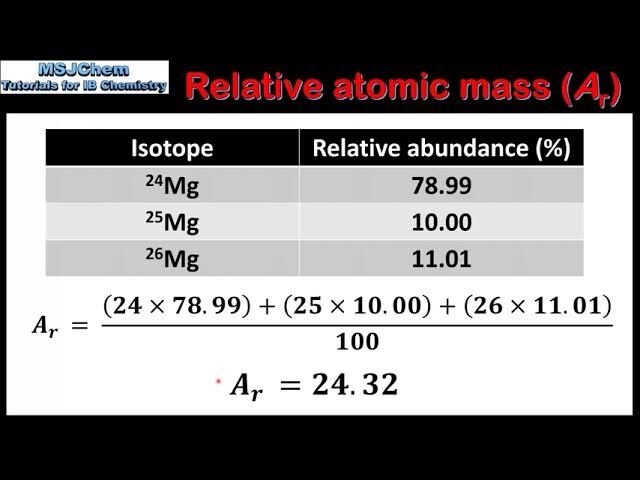
What is an isotope? What is relative atomic mass (Ar)?
An isotope is atoms of the same element with the same number of protons (Atomic Number) but a different number of neutrons (Mass Number) Relative atomic mass is the mean mass of the different isotopes of an element.
How do you calculate Relative Atomic Mass (Ar)
Add up all the different isotopes’ mass numbers, and then divide by the total number of isotopes/total percentage of isotopes.