Respiratory Pharmacology
No description yet. This curated deck is ready for daily study.
Card preview (24)
What is Asthma?
Reversible airflow obstruction increases in airway resistance involving bronchoconstriction + inflammation Decreases in FEV1 (forced expiration volume in first second) Value of < 70% means increased airway resistance If asthma, then reversed using Beta2-agonist
What is COPD?
Airflow limitation that is not fully reversible Both chronic bronchitis + emphysema Loss of lung function 80-90% deaths related smoking Diseases of late onset in life (elderly) High energy demand + difficulty eating, e.g. use inhaler before meal, leading to weight loss
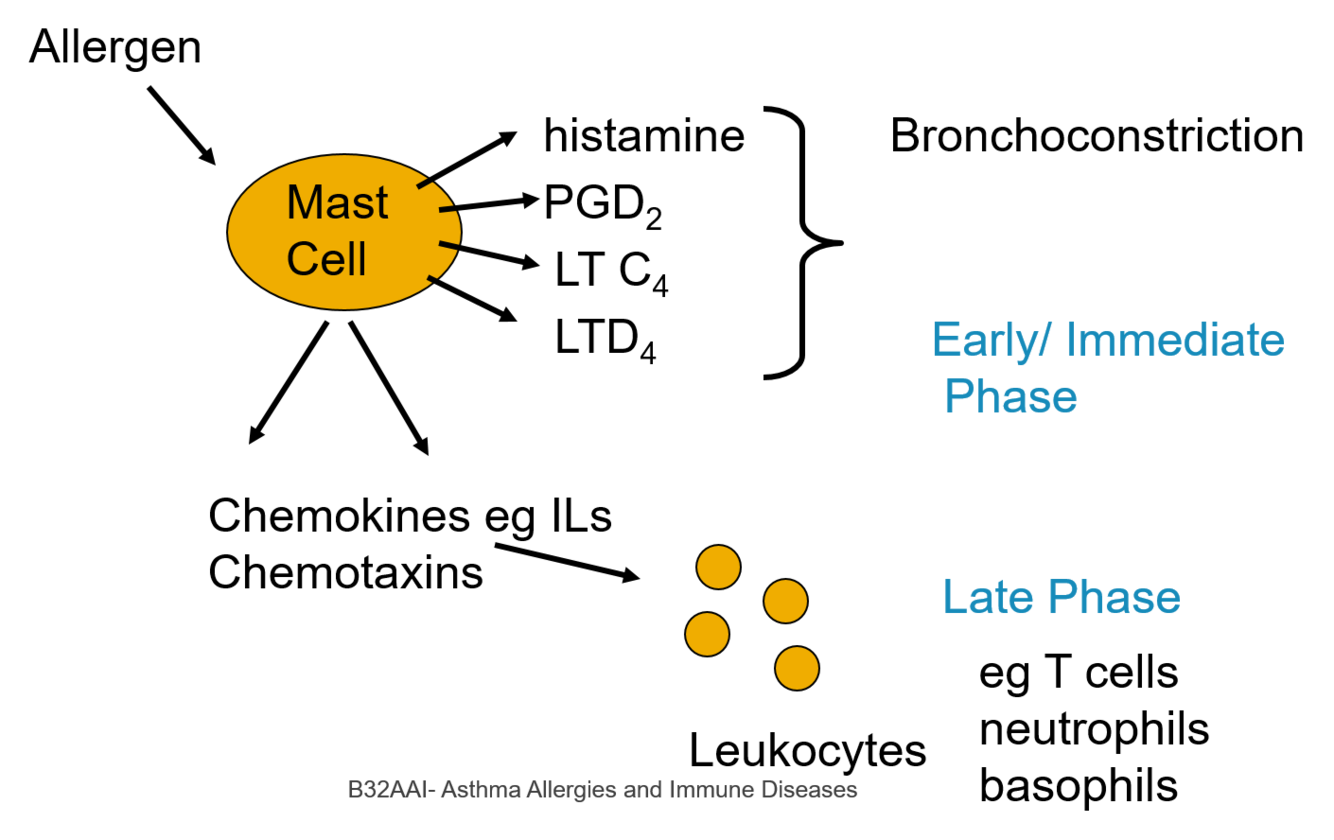
Describe the phases of asthmatic attack
What are the two categories for asthma therapy?
1) relief of symptoms (bronchodilators) - block early phase if asthma attack caused by bronchoconstriction 2) prevention of attack (anti-inflammatory agents) - prevents late phase caused by release of cytokines
What are bronchodilators?
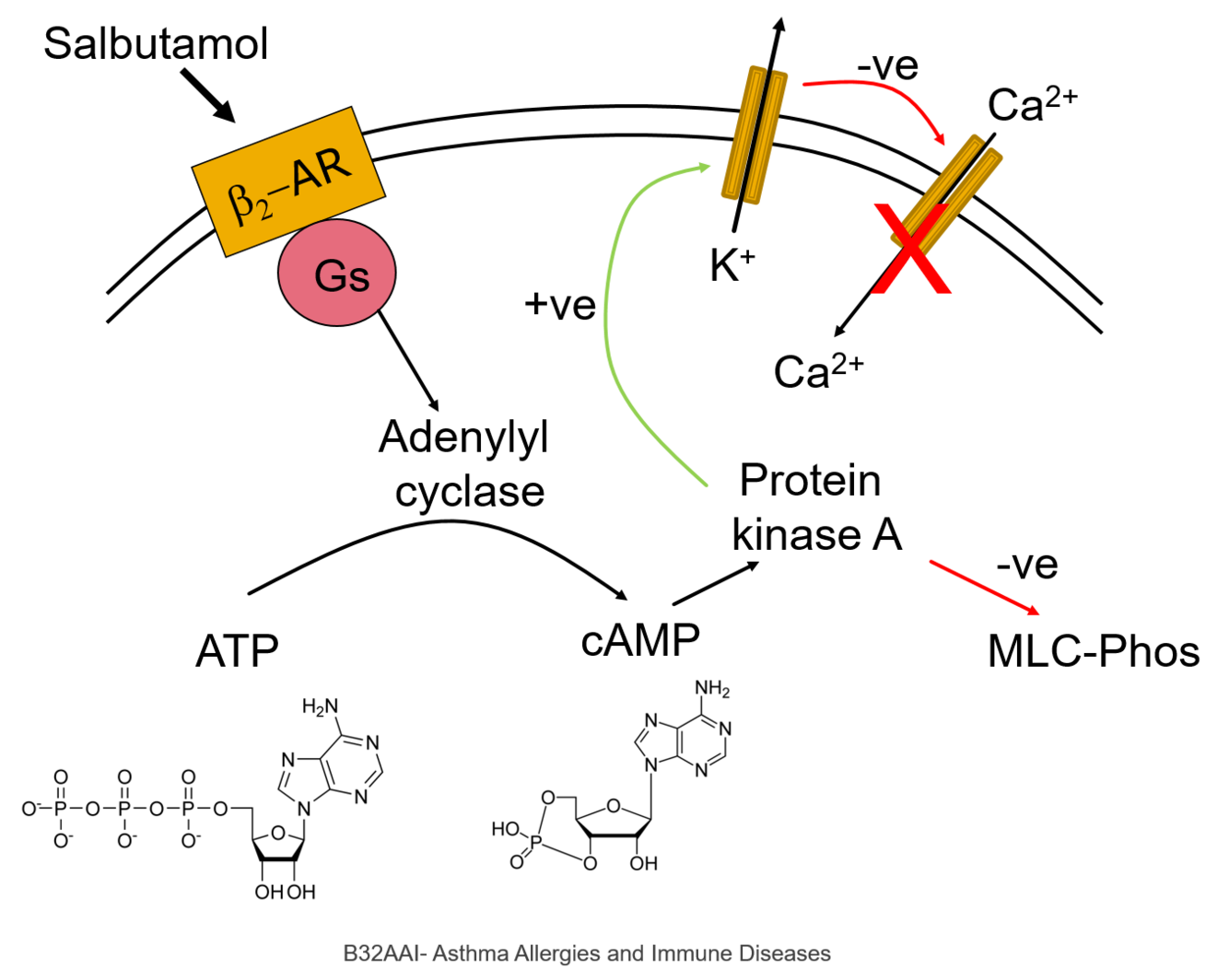
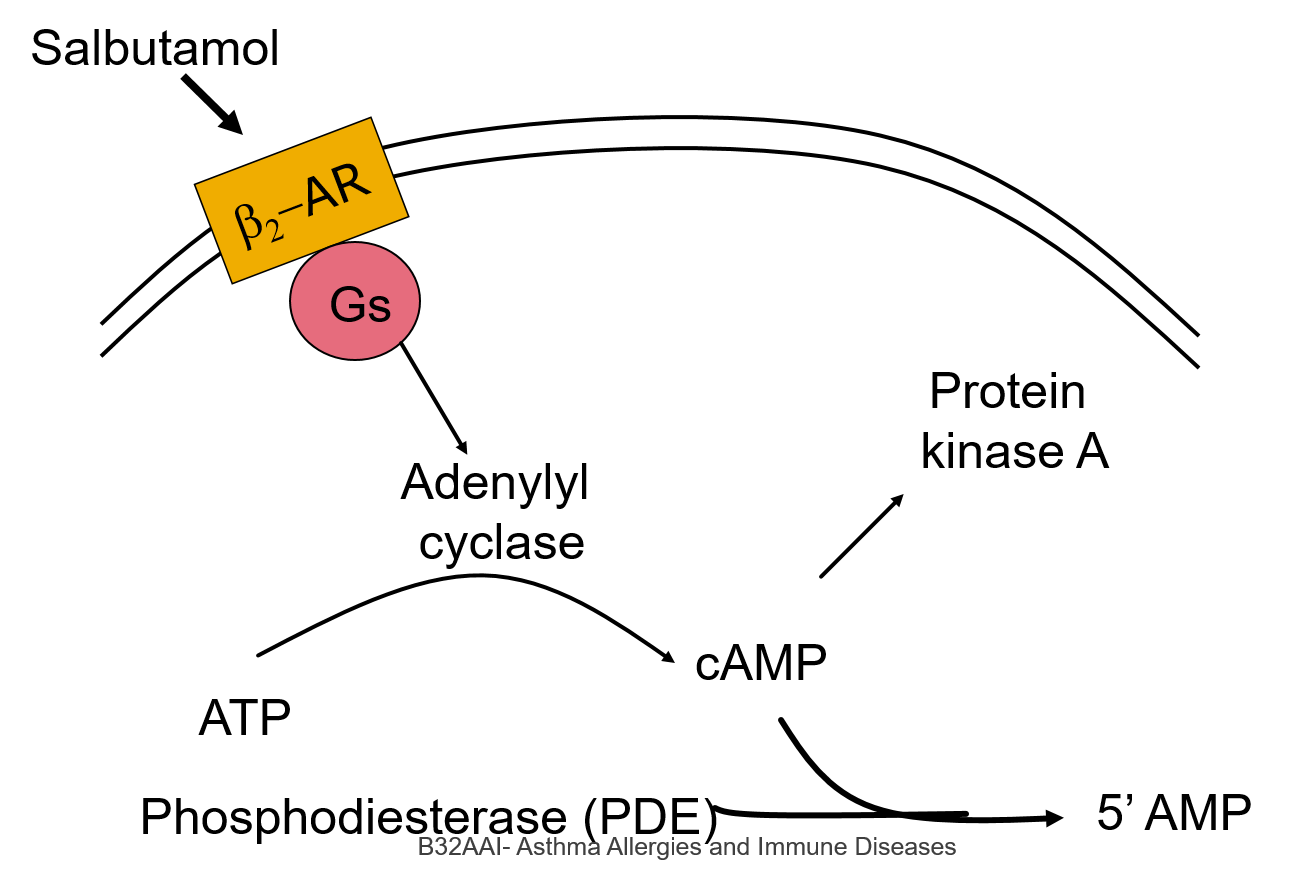
Reverse bronchospasm + rapid relief Beta2 adrenoceptor agonists e.g. salbutamol • 1st choice • Increase FEV1 • Given by inhalation Longer acting agents (salmeterol) given for long-term prevention
Where are Beta2-adrenoceptors + function?
On smooth muscle and mast cell Increase in cAMP prevents release of histamine Affects on mucus secretion
What is Desensitisation?
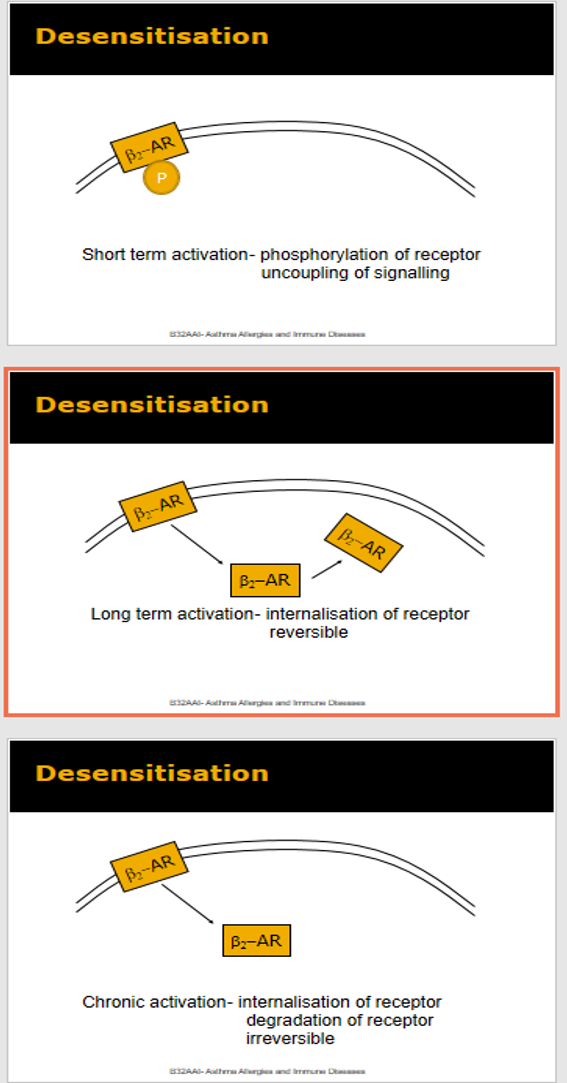
Caused by long-term use of Beta-adrenoceptor agonists which leads to tolerance/desensitisation Due to internalisation of the receptor Prevented by steroids
Examples of Long-acting beta-adrenoceptor agonist
Salmetorol Formoterol Indacaterol Dont know why they are long acting Current theory = absorbed into lipid bilayer of cells - slowly released over time to activate
Adverse effects of beta2-adrenoceptor agonists
Tremor Palpitations Hypokalaemia Due to high doses of drugs e.g. nebulisers
Example of Phosphodiesterase inhibitor
Roflumilast (PDE4) inhibitor (DAXAS) For COPD Reduces inflammation Can enhance Beta-adrenoceptor effects
Function of Muscarinic M-receptor antagonist
Block parasympathetic bronchoconstriction e.g. ipratropium (non-selective antagonist) Inhaled (fewer systemic effects) Inhibits mucous secretion Tiotropium = long-acting, due to slow dissociation from receptor Aclidinium = long-acting but newer
What are the side effects of Muscarininc M-receptor?
They are non-selective so they block muscarinic receptors all over body Dry mouth Nausea/headache Constipation Urinary retention Blurred vision Atrial fibrillation + Tachycardia + Palpitation
What are Xanthines + example?
Bronchodilators (not as good as b2-adrenoceptor agonist) E.g. theophylline 2nd line use Orally inhaled (or IV aminophylline in emergencies)
What is Aminophylline?
Mix of theophylline + ethylenediamine (2:1 ratio) Improves solubility Measure plasma theophylline 4-6 hrs after infusion (iv) Monitor plasma levels - toxicity
What are the side effects of Theophylline?
Tremor Palpitations Nausea CNS stimulations Drug interactions: • inhibit of metabolism increases toxicity (cimetidine) • induce metabolism reduces plasma levels
What are anti-inflammatory agents?
Preventative - do not reverse an attack Target late phase of asthma response e.g. Corticosteroids
What receptors do steroids act on?
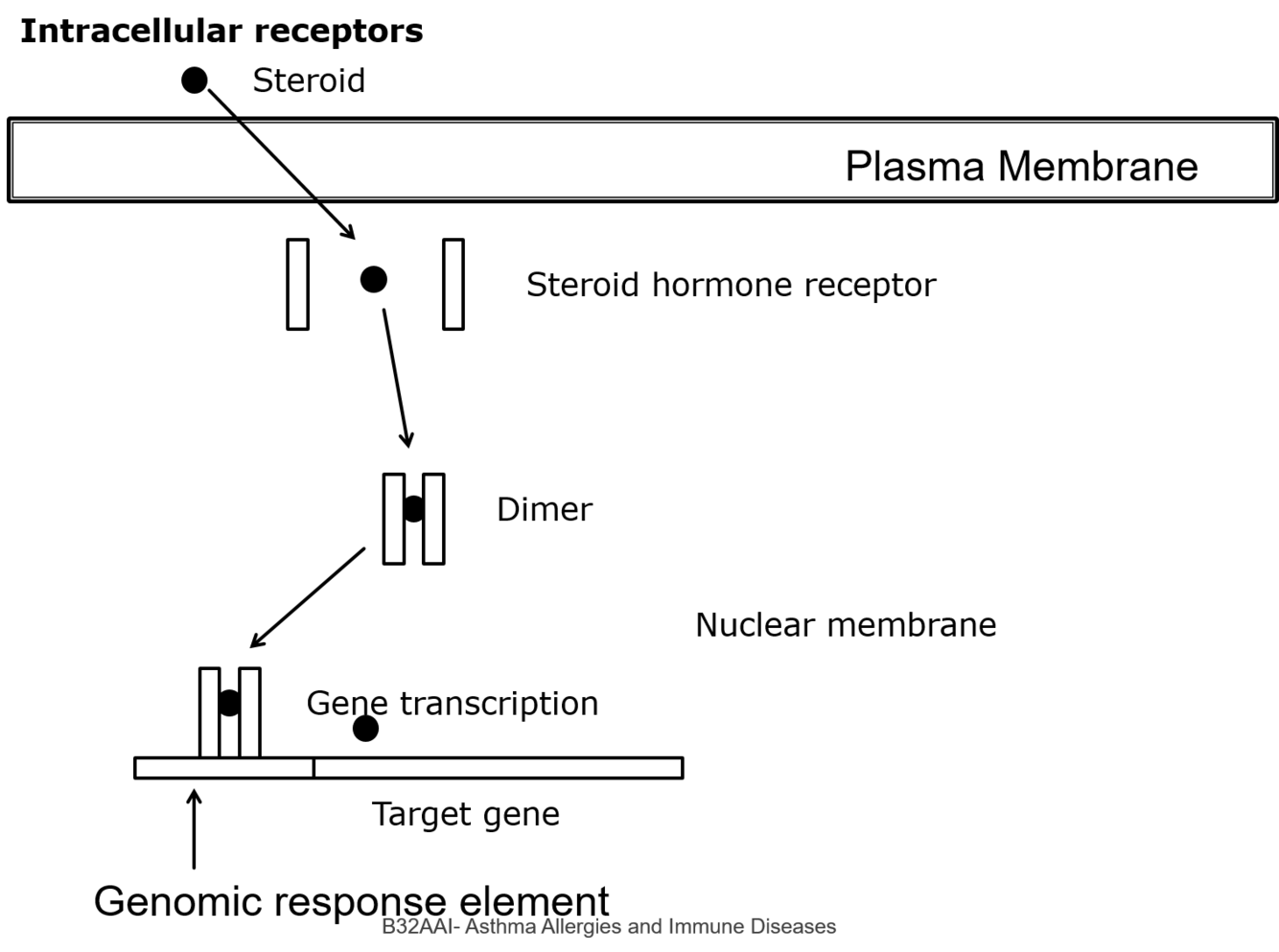
Act at intracellular or glucocorticoid receptor
Examples of Inhaled steroids
Beclometasone Bidesonide Ciclesonide Fluticasone Mometasone
Example of an oral steroid
Prednisolone e.g. acute asthma attack
Example of an IV steroid
Hydrocortisone e.g. life threatening asthma
What genes are switched on/activated by glucocorticoids when steroid has bounded?
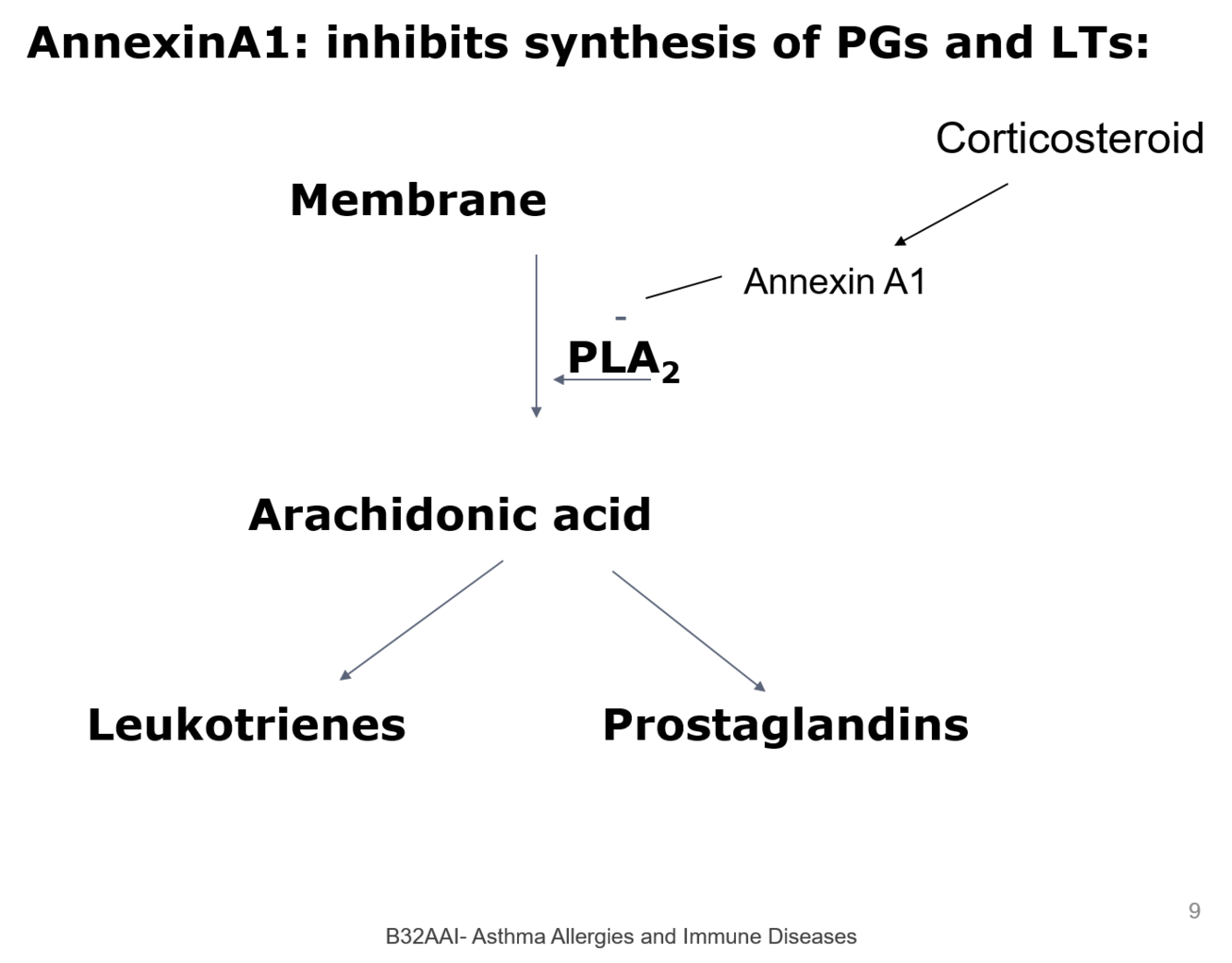
Annexin A1 Beta2-adrenoceptors IkB (Inhibitor of NF-kB) MKP1 (inhibits MAP kinase) Anti-inflammatory cytokines e.g. IL-10, 1L-12
What genes are switched off/repressed by glucocorticoids when crosslinked with steroid?
Inflammatory cytokines - e.g. IL-2, IL-3, IL-6, TNFα Chemokines Inflammatory enzymes - e.g. iNOS, COX-2 Inflammatory peptides - e.g. endothelin-1
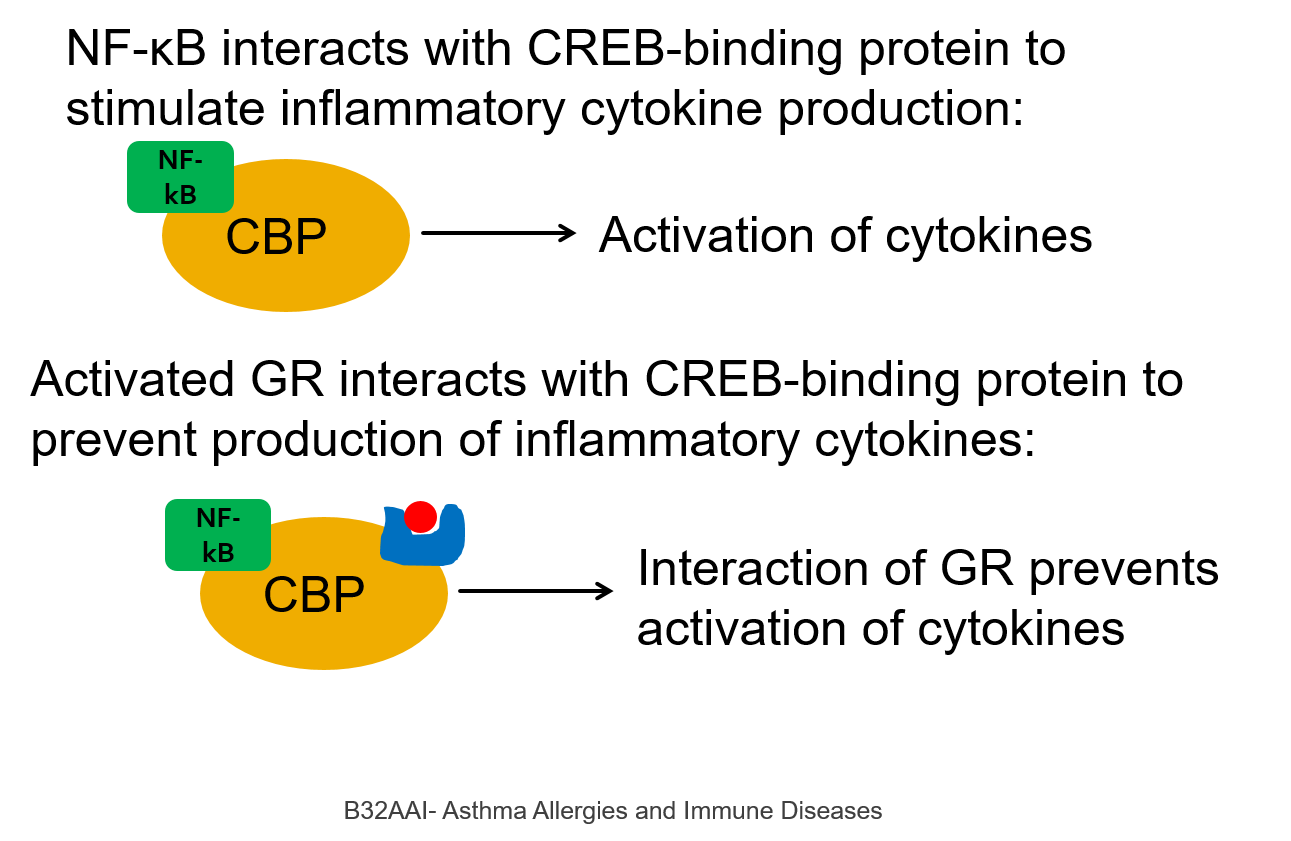
How can genes be repressed when steroid binds to glucocorticoid receptor?
What is Annexin A1?
Involved in the up-regulation of anti-inflammatory genes Act through formyl peptide receptors (FPR) • inhibits histamine release from mast cells • inhibits cPLA2 - PGs