Synthesis of 6-Membered rings
No description yet. This curated deck is ready for daily study.
Card preview (8)
What are the 5 ways you can synthesis 6-membered rings?
• Irreversible cyclisation • Reversible cyclisation • Robinson Annulation • The Diels-Alder Reaction ([4+2] cycloaddition) • Birch Reduction
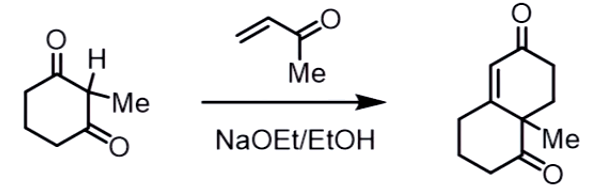
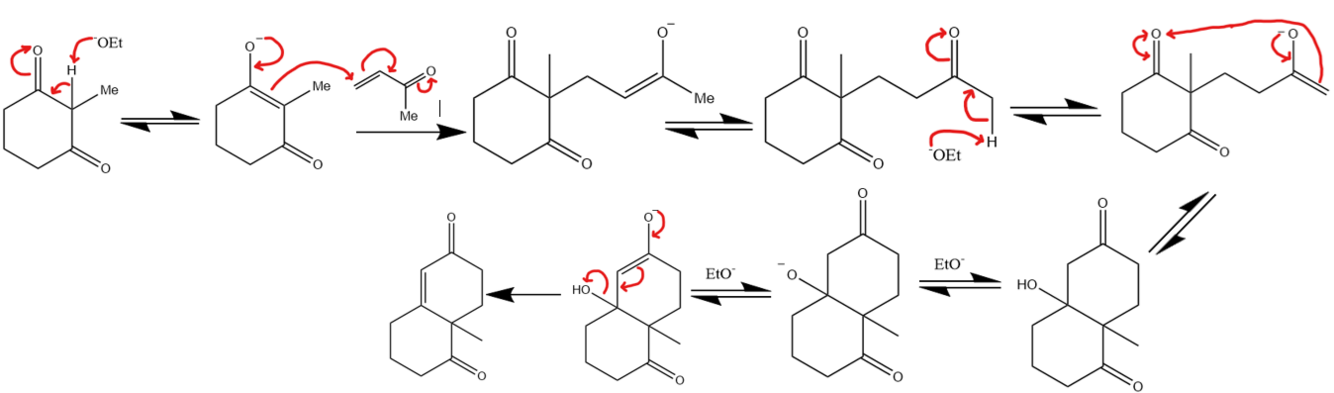
The following reaction is an example of a Robinson Annulation What is the mechanism for the following reaction?
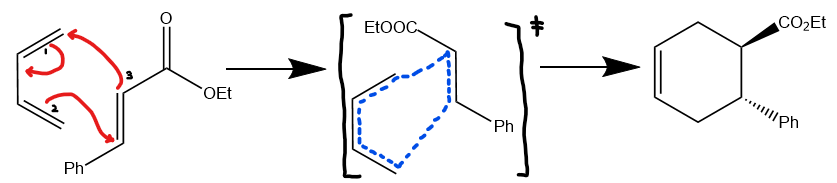
The following reaction is an example of a Diels-Alder Reaction ([4+2] cycloaddition) What is the mechanism for this reaction? What happens to the spectrochemistry?
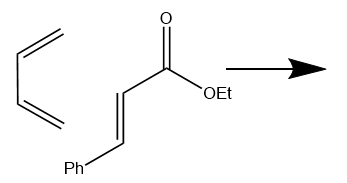
• The reaction is concerted where the dieneophile geometry is passed onto the product
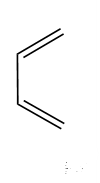
What conformation must the diene have for a Diels-Alder Reaction ([4+2] cycloaddition to occur)
the diene must be able to adopt the s-cis conformation e.g. cyclopentadiene is very reactive in diels alder
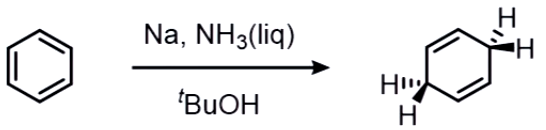
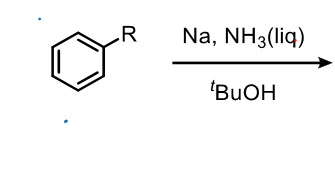
The following reaction is a Birch reduction What is the mechanism for the following reaction?

What is the following selectivity of the birch reaction with R as an electron withdrawing group
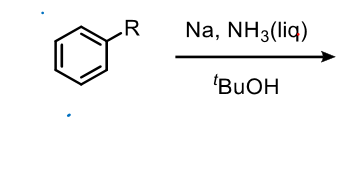
• as R stabilises a negative charge on the attached carbon within the transition state
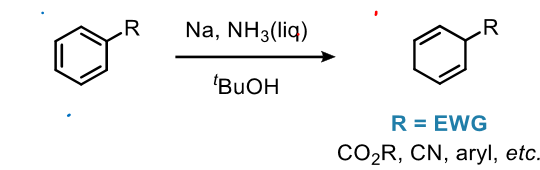
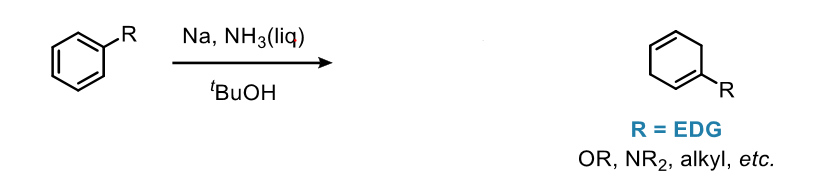
What is the following selectivity of the birch reaction with R as an electron donating group
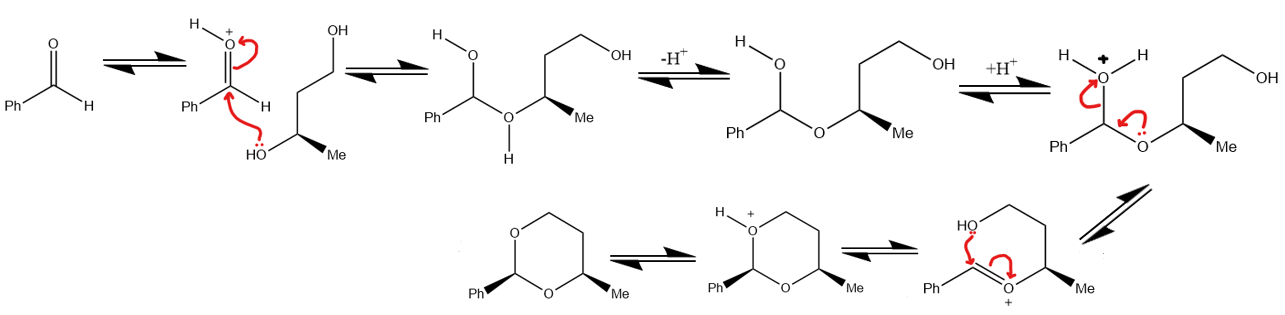
The following reaction below is an example of a way to make a 6-membered cyclic acetal Whatt is the mechanism for the following reaction? (Note: all step are reversible, so the more stable, thermodynamic, acetal is formed)
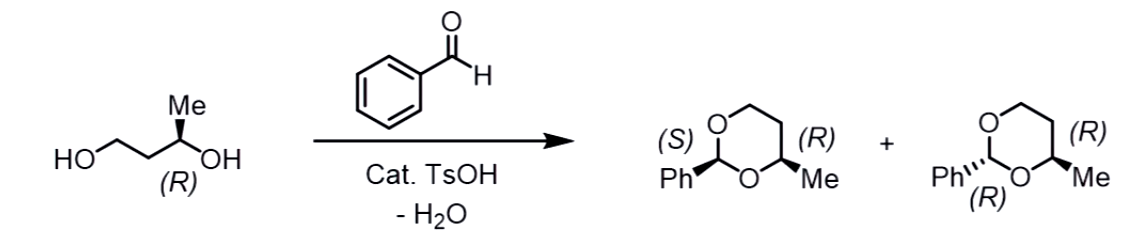
• The product has both group in the same plane (i.e. more energetically favourable to produce a product with both in axial) - left product