U2-4-2 - Oxidation of Food
No description yet. This curated deck is ready for daily study.
Card preview (9)
Oxidation Ratio, not electrons
Increase in O:H ratio Adding O or removing H
Reduction Ratio, not electrons
Decrease in O:H ratio Removing O or adding H
Primary alcohols can be oxidised into…
aldehydes and carboxylic acids.

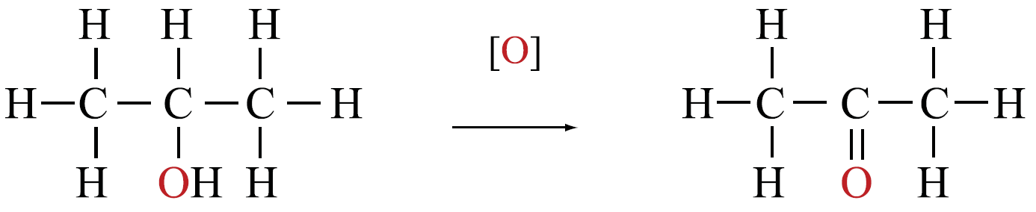
Secondary alcohols can be oxidised into …
ketones.
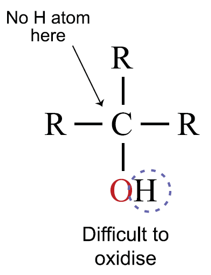
Which type of alcohols cannot be oxidised?
Tertiary Cannot remove 2 Hs to form C=O bond
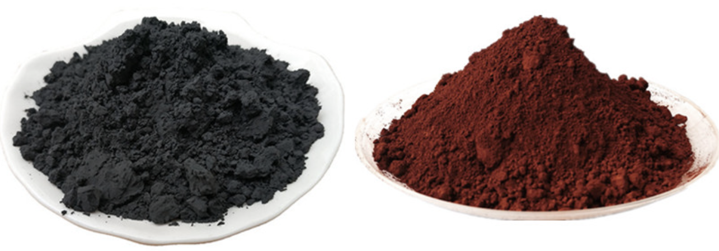
Describe the colour change when hot copper(II) oxide is used to oxidise alcohols.
Black to brown
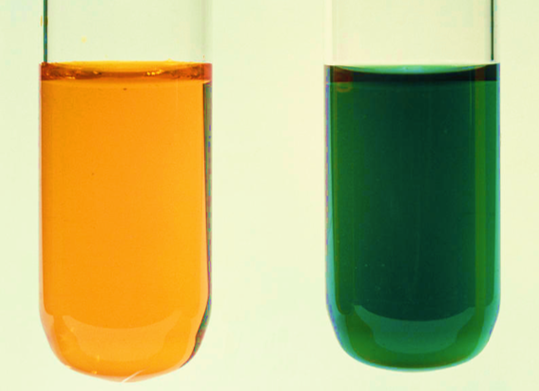
Describe the colour change when acidified potassium dichromate is used to oxidise alcohols or aldehydes.
Orange to green
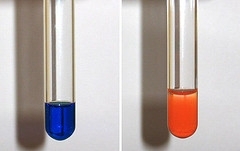
Describe the colour change when Fehling’s solution is used to oxidise alcohols or aldehydes.
Blue (solution) to brick red (precipitate) Benedict’s solution gives the same colour change
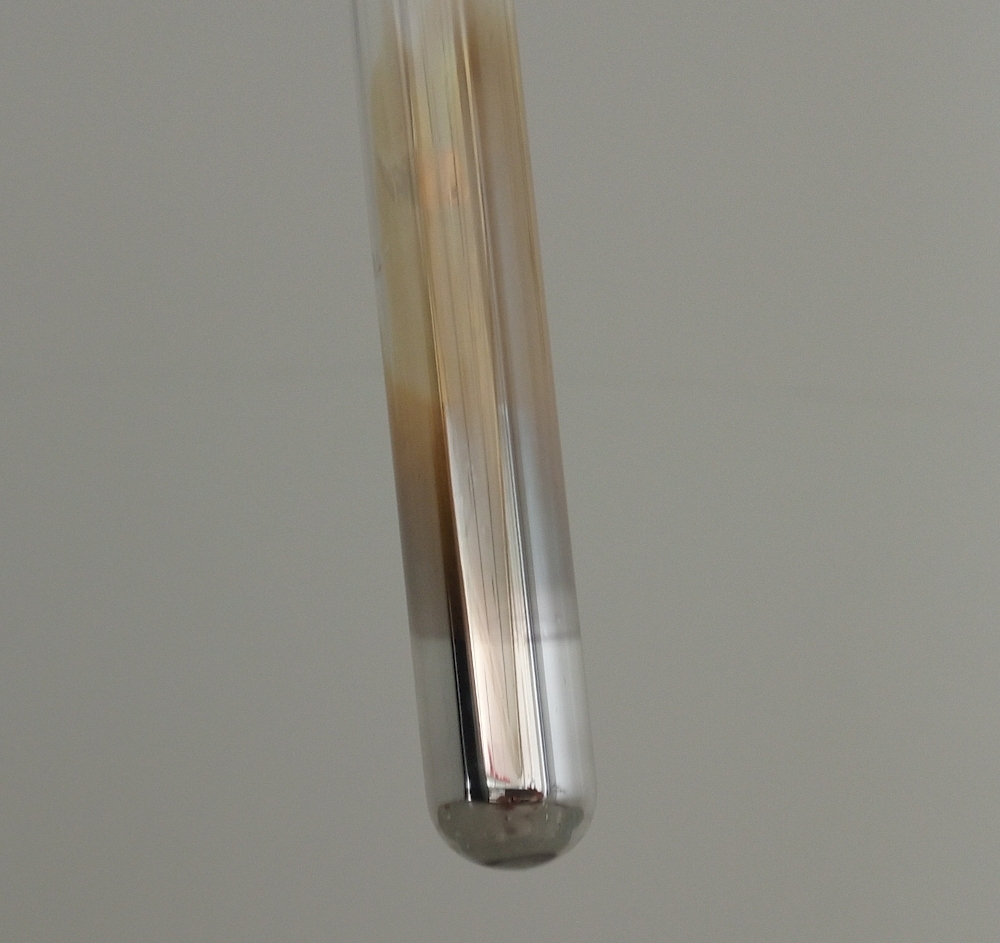
Describe the change which is seen when** Tollens’ reagent** is used to oxidise a compound.
Silver mirror is formed