C6 - Global Challenges
No description yet. This curated deck is ready for daily study.
Card preview (24)
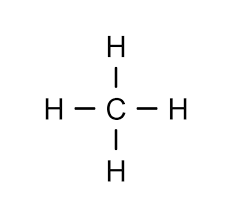
Methane:
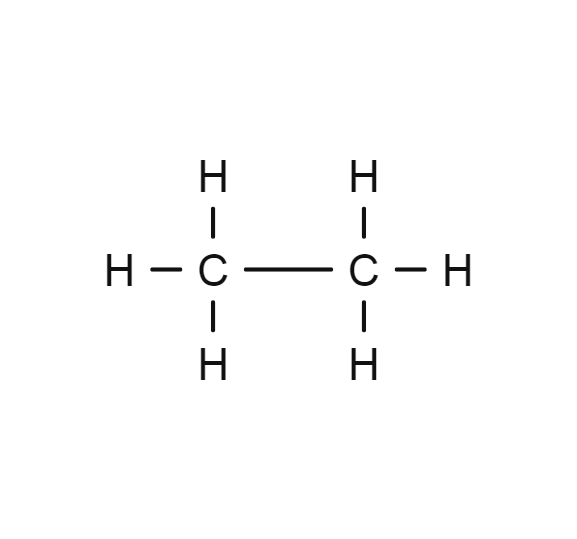
Ethane
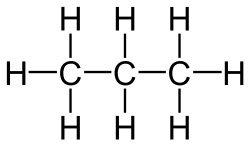
Propane
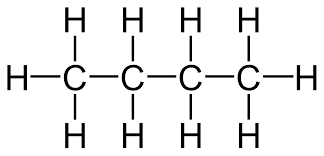
Butane
Define a ‘hydrocarbon’
A compound made up of only hydrogen and carbon atoms
Define a ‘homologous series’
A group where each compound has the same general formula with each successive member differing by CH2. All compounds have the same properties.
General formula of alkanes?
CnH2n+2
How do alkanes react?
They react in a process called combustion. Complete combustion: Alkane + O2 –> CO2 + H2O 2C2H6 + 7O2 —> 4CO2 + 6H2O Incomplete combustion: Alkane + O2 –> CO + H2O 2C2H6 + 5O2 —> 4CO + 6H2O
What is crude oil?
It is a fossil fuel. It is a non-renewable resource - it is being used up faster than it is being formed
How is crude oil formed?
They are formed from the remains of dead organisms that lived millions of years ago - chemical reactions over time turned them into crude oil
How do we separate crude oil?
Using fractional distillation
What are alkenes?
A homologous series of hydrocarbons with at least one carbon-carbon double bond
General formula of alkenes?
CnH2n
What is the functional group for alkenes?
C=C
Define a ‘functional group’
An atom or group of atoms which give a molecule its chemical properties
How do you test for alkenes?
• React bromine water with the alkene • Mixture should turn colourless if alkenes are present
What is ‘cracking’?
Cracking is a chemical process which converts large alkanes into smaller alkanes and alkenes For example: C7H16 –> C2H4 + C5H12 Heptane –> ethene + pentane
What are the typical conditions for cracking?
High temperature (600-700°) Hot catalyst of alumina or silica
Why is cracking done?
Smaller hydrocarbons are more useful to use as: • They have lower boiling points • They flow more easily • They are easier to ignite Cracking also helps the supply to meet the demand
What are ‘addition polymers’?
They are made from an additon reaction in which molecules join together to make 1 big molecule
What are the first four alcohols?
Methanol Ethanol Propanol Butanol
What are the first four alkanes?
Methane Ethane Propane Butane
What are the first three alkenes?
Ethene Propene Butene
General formula of alcohols?
CnH2n+1OH