2.2 ELECTRONS,BONDING & STRUCTURE
No description yet. This curated deck is ready for daily study.
Card preview (24)
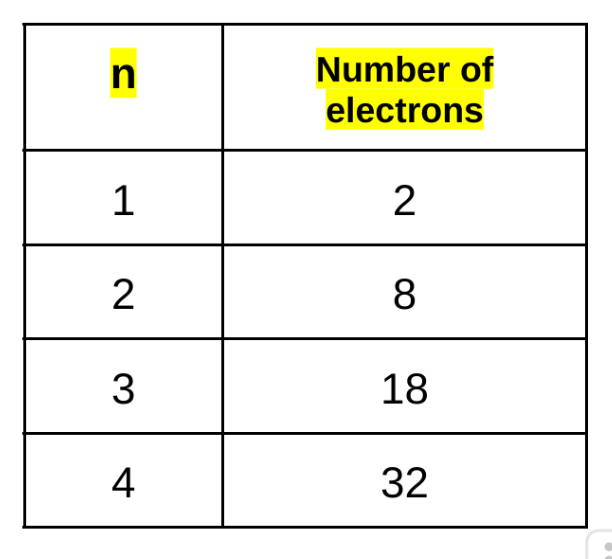
State the number of electrons that can fill the first four shells
Shape of s-orbitals
• Spherical shape
Shape of p-orbitals
• 3D dumb-bell shape
How many electrons can an s-orbital hold?
2
How many electrons can a p-orbital hold?
6
How many electrons can a d-orbital hold?
10
Which shells contain s-orbitals?
• All shells
Which shells contain p-orbitals?
• From n=2 upwards
Which shells contain d-orbitals?
• From n=3 upwards
Does 4s or 3d have a higher energy level?
• 3d has a higher energy level so is filled first
Define ionic bonding
• The electrostatic attraction between positive and negative ions
Describe giant ionic lattice structure
• Repeating pattern of oppositely charged ions with strong electrostatic attraction in all directions
Explain the melting/boiling point of a giant ionic lattice
• Strong ionic bonds in all directions means lots of energy needed to overcome these bonds, so has a high mp/bp
Explain the electrical conductivity of a giant ionic lattice
• Giant ionic lattices can only conduct when melted/dissolved because ions are not mobile/cant move in the solid state
Explain the solubility of a giant ionic lattice
• Giant ionic lattices are soluble in polar solvents (e.g water) because polar water molecules can interact/break apart the ions
Define covalent bonding
• The strong electrostatic attraction between a shared pair of electrons and the nucleus of the bonded atoms
Define dative covalent bonding
• When one atom provides both of the shared electrons in a covalent bond
What type of bonding does average bond enthalpy measure?
• Covalent bond
Compare the relative repulsion strengths of bonded pairs of electrons and lone pairs of electrons
• Lone pair repulsion is greater than bonded pair repulsion
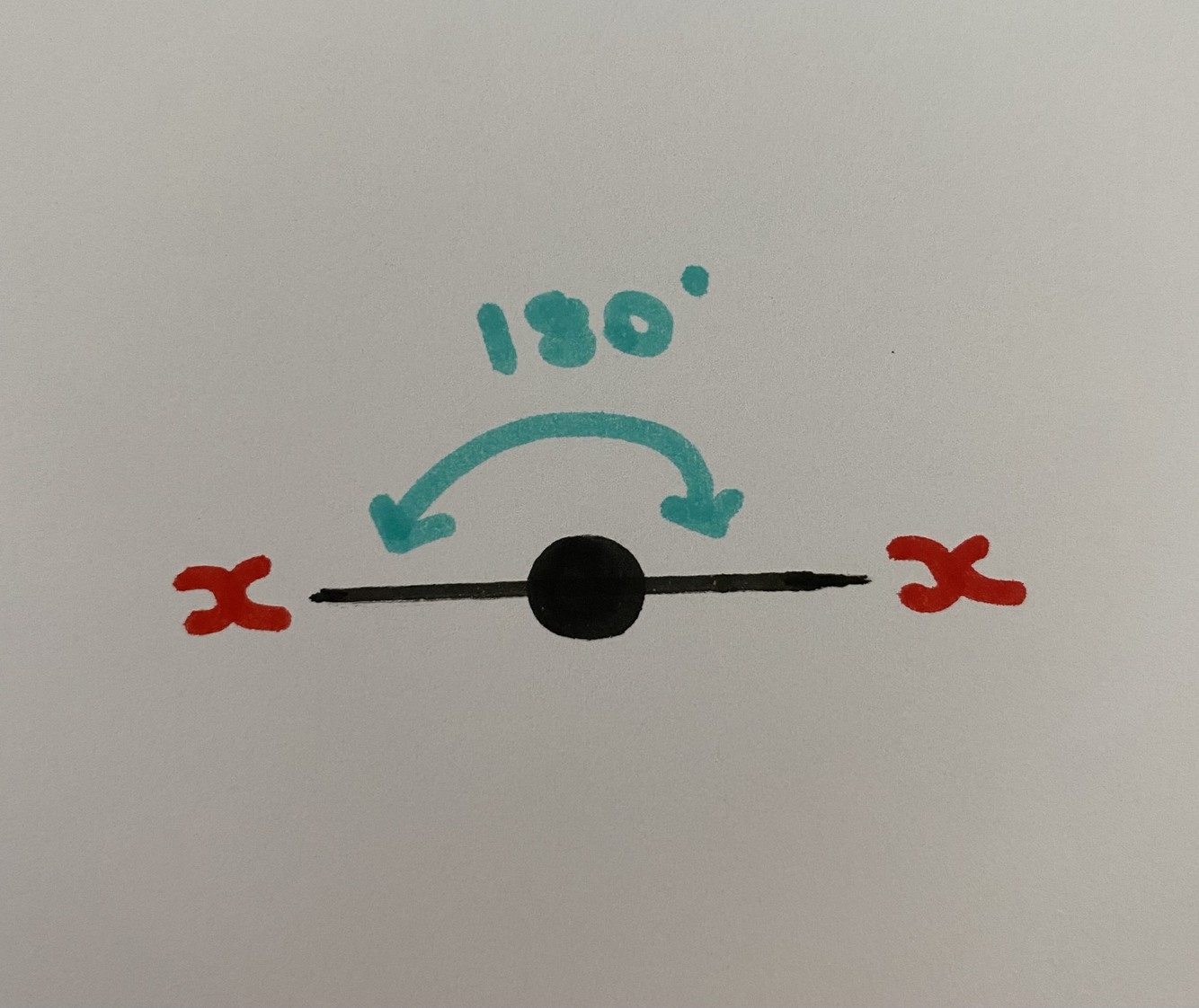
Draw the shape and bond angle of a linear molecule.
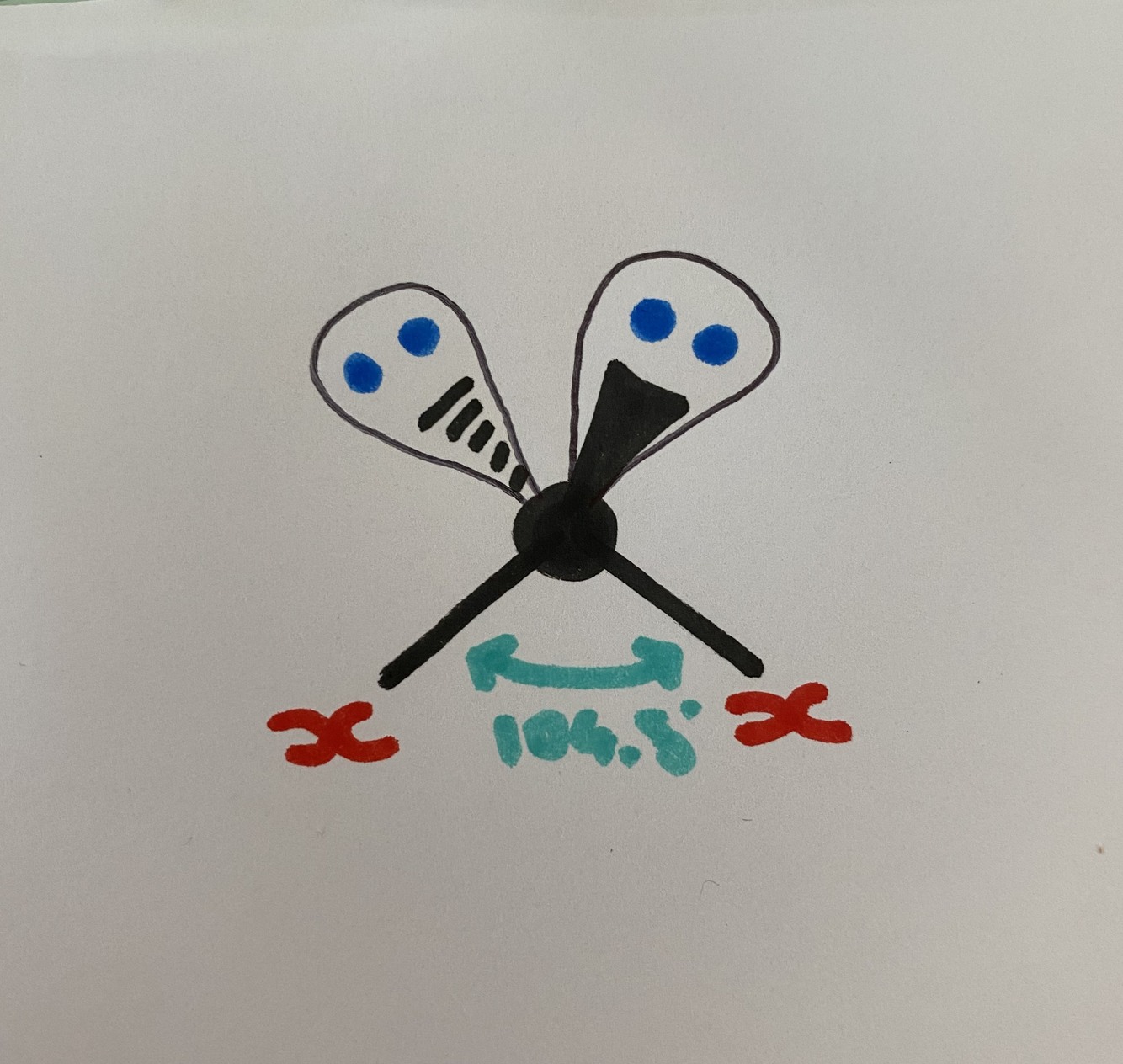
Draw the shape and bond angle of a non-linear molecule.
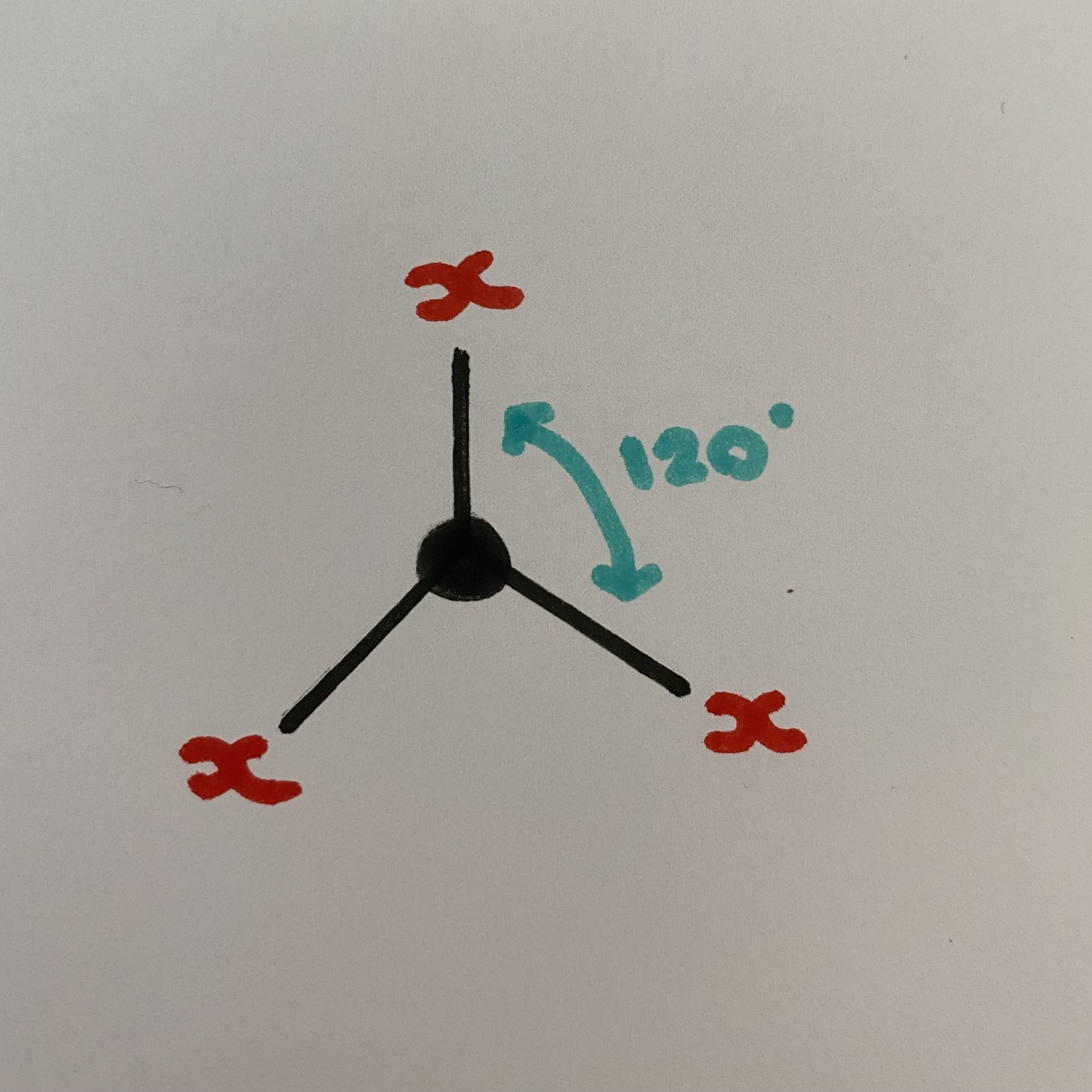
Draw the shape and bond angle of a trigonal planar molecule.
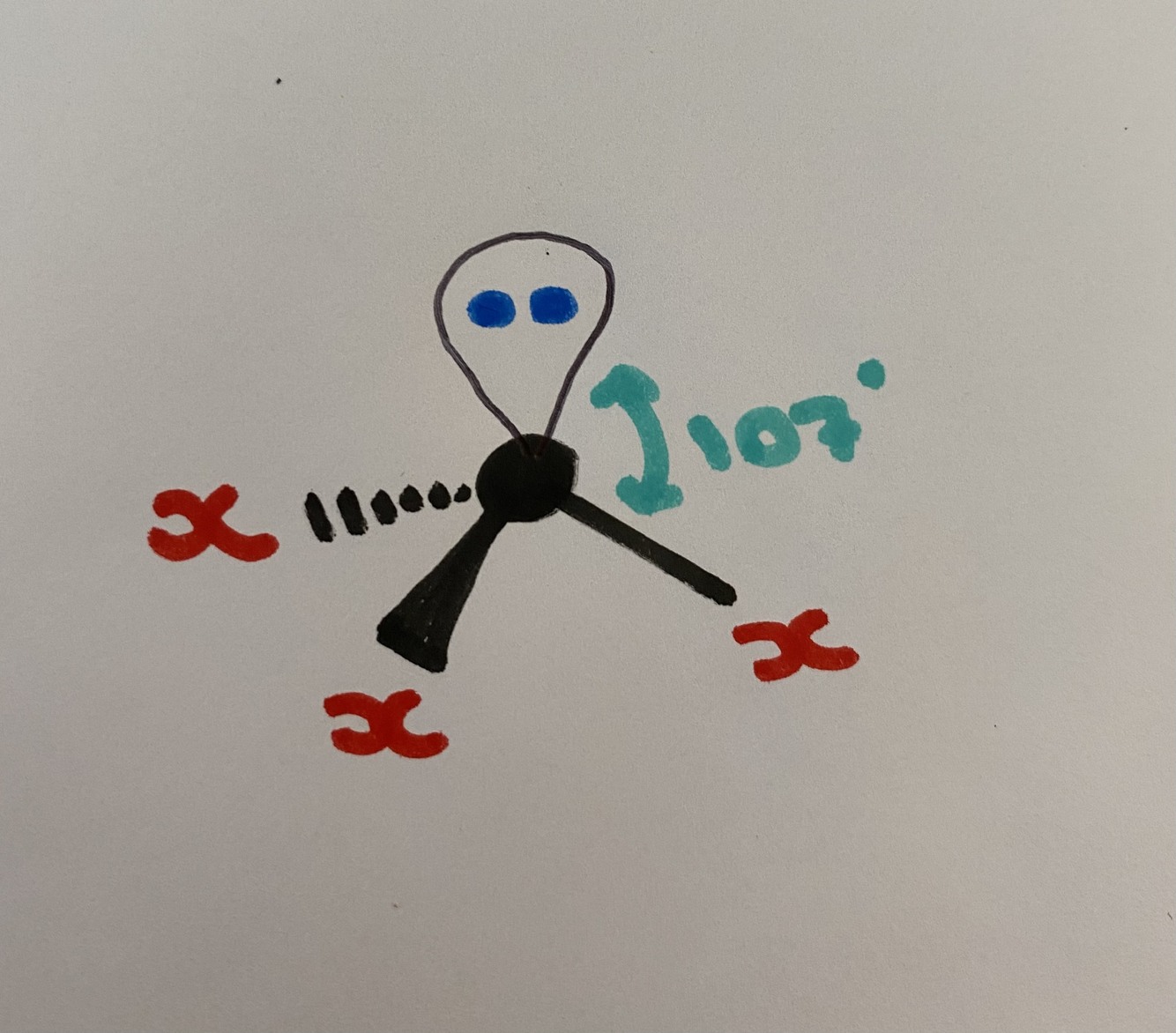
Draw the shape and bond angle of a pyramidal molecule.
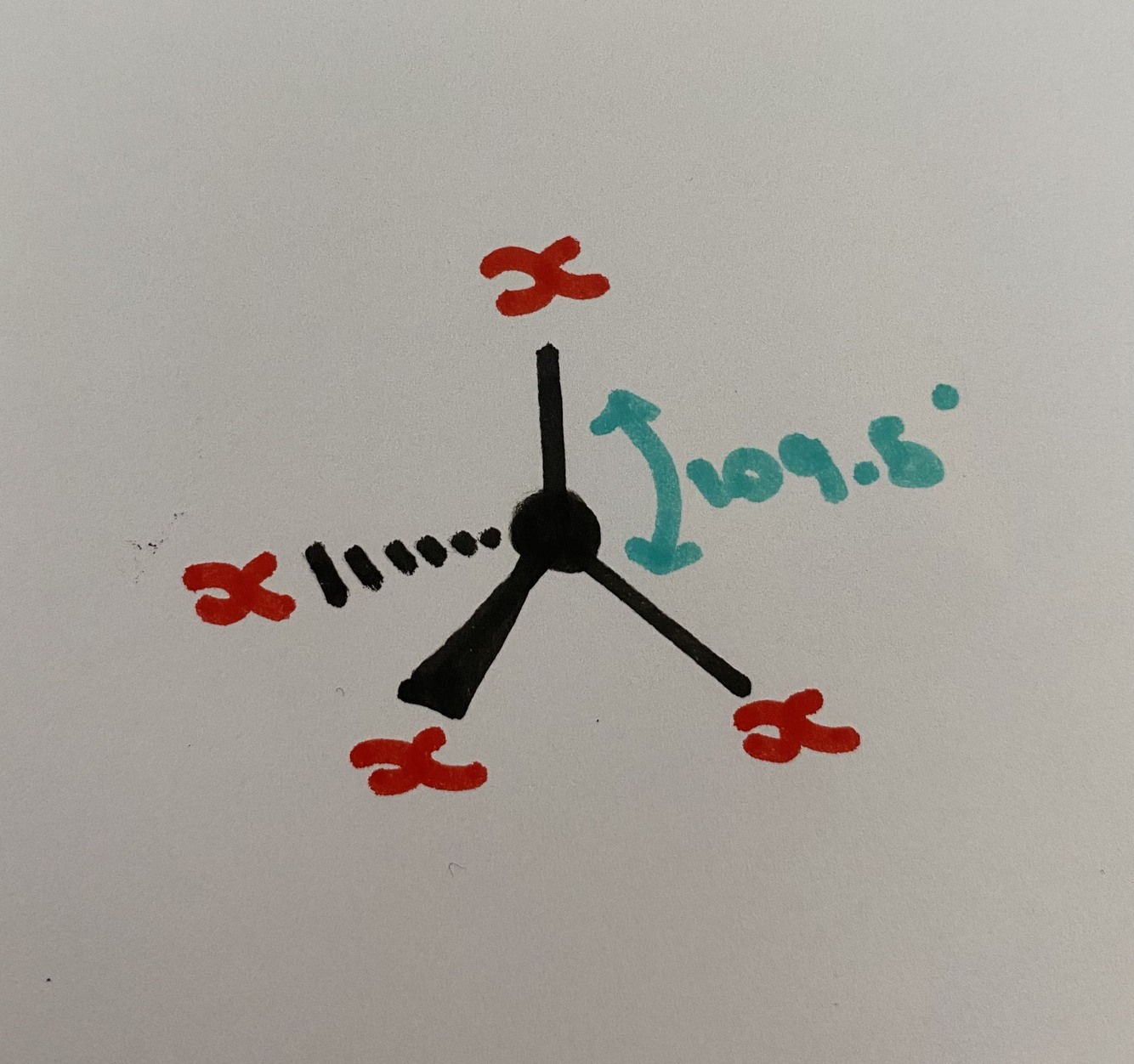
Draw the shape and bond angle of a tetrahedral molecule.