4.1 BASIC CONCEPTS & HYDROCARBONS
No description yet. This curated deck is ready for daily study.
Card preview (24)
State what functional groups are responsible for
• the reactions of a compound
Define homologous series
• A series of organic compounds with the same functional group, similar chemical properties and each successive member differing by CH2
Define homolytic and heterolytic fission
• Homolytic fission is when a covalent bond breaks equally to give each atom an electron and form two radicals • Heterolytic fission is when a covalent bond breaks and one atom takes both electrons to form a positive and negative ion
Describe the route of curly arrows
• Movement of a pair of electrons from a lone pair,bond or negative charge to an atom
Define radical
• A highly reactive species with an unpaired electron
Define electrophile
• An electron pair accepting species with postive/δ positive charge, attracted to areas of electron density
Define nucleophile
• An electron pair donating species with negative/δ negative charge, attracted to electron deficient areas
Define structural isomerism
• Compounds with the same molecular formula but different structural formula
State the three types of structural isomerism
• functional group isomerism • chain isomerism • positional isomerism
Define stereoisomerism
• Compounds with the same molecular formula and same structural formula but different arrangementof atoms in space
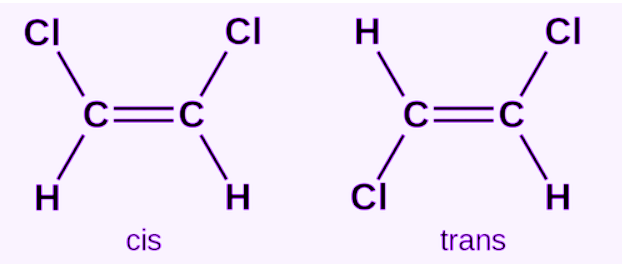
State the two features required for cis/trans isomerism
• Unsaturated C=C bond • Atleast two atom groups to be the same
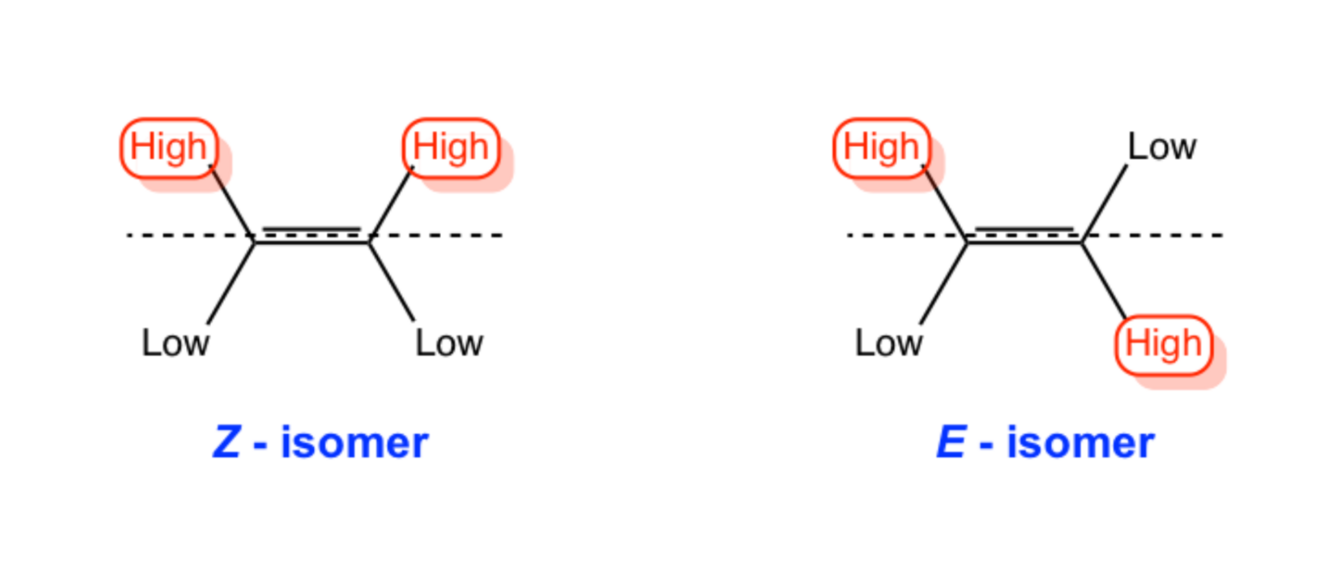
State the two features required for E/Z isomerism
• Unsaturated C=C bond that has restricted rotation • Each carbon atom of the double bond is attached to two different atoms/atom groups
Draw E/Z isomerism
Draw cis/trans isomerism
State the 4 ways of disposing polymers
• Use as organic feedstock • Recycling • Combustion • Landfill
State the 2 environmental polymers
• photodegradable • biodegradable
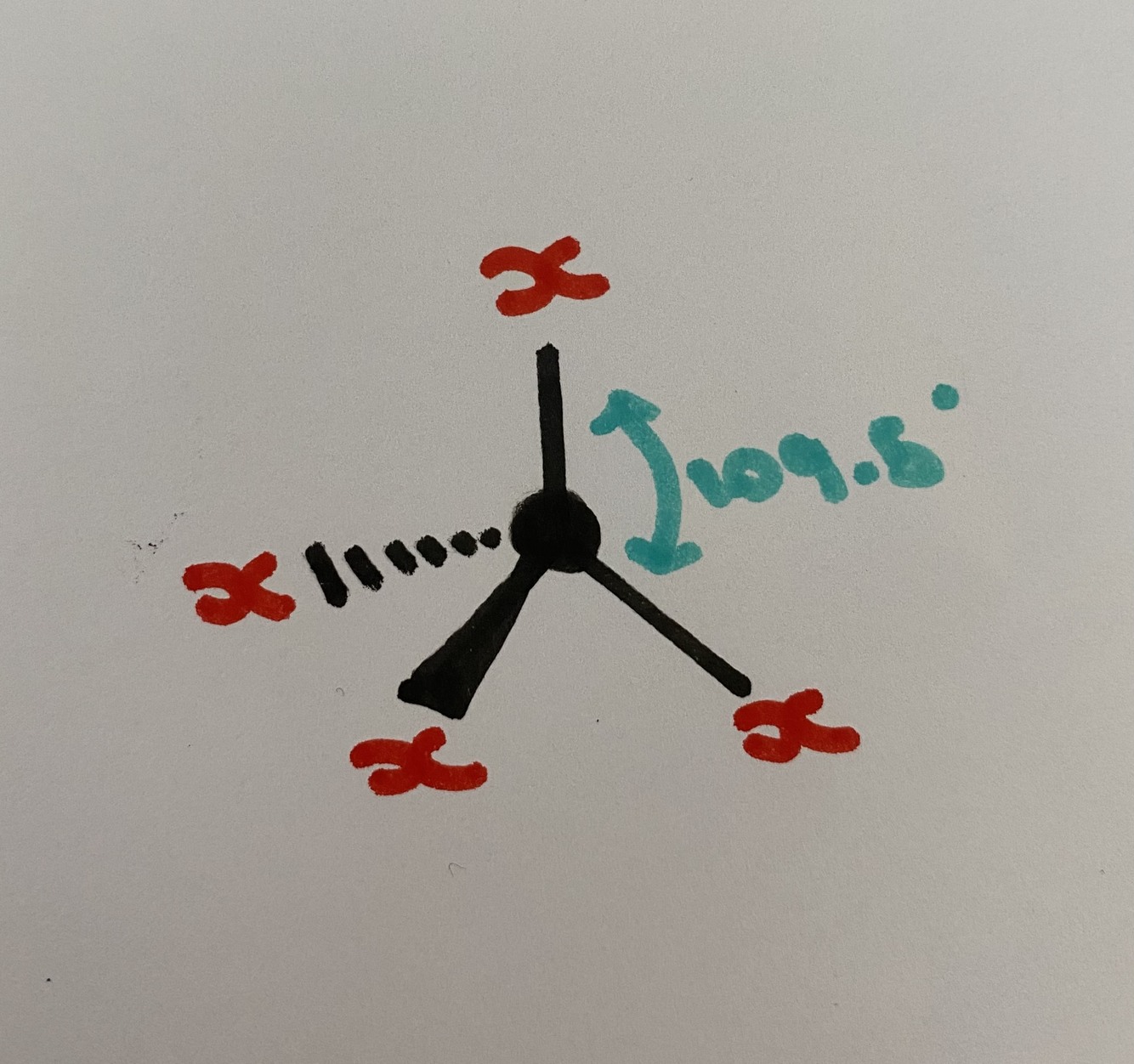
Explain the shape and bond angle of alkanes
• Tetrahedral • 109.5° • All four bonding pairs of electron regions repel equally
3 properties of alkanes
• Non-polar • MP/BP increases with carbon chainlength • Insoluble (nonpolar)
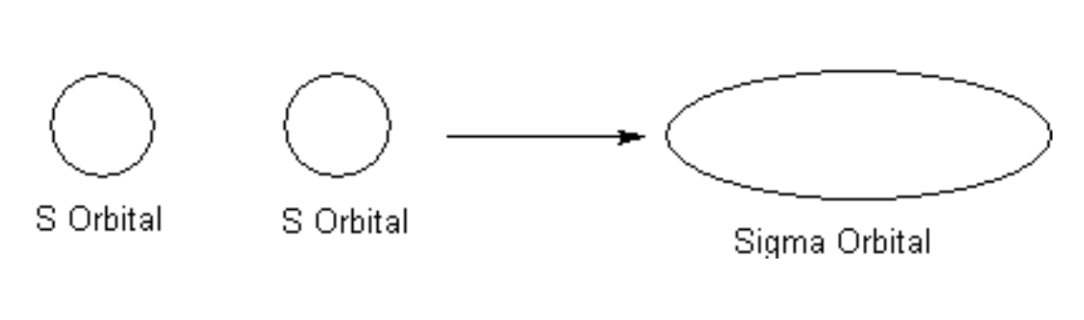
Draw a sigma bond and state which molecules they are present in.
• Present in both alkanes and alkenes
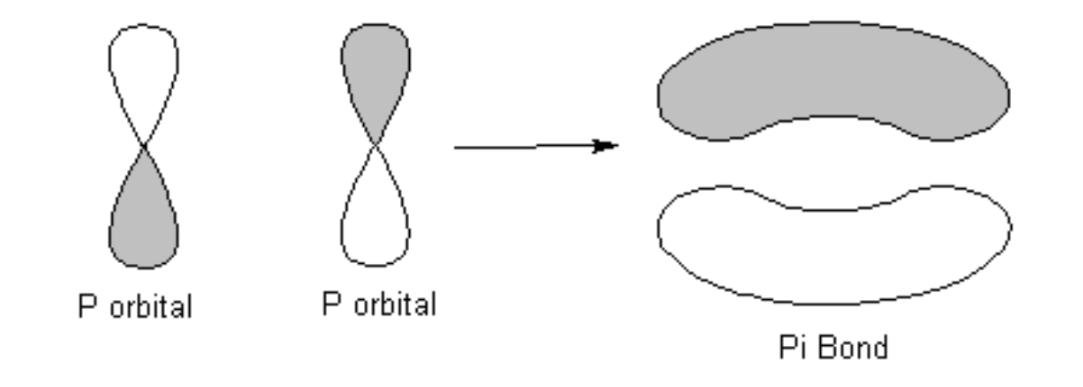
Draw a pi bond and state which molecules they are present in.
• Present in alkene double bond only
State why alkanes are unreactive
• High bond enthalpy • Low polarity of the σ bonds
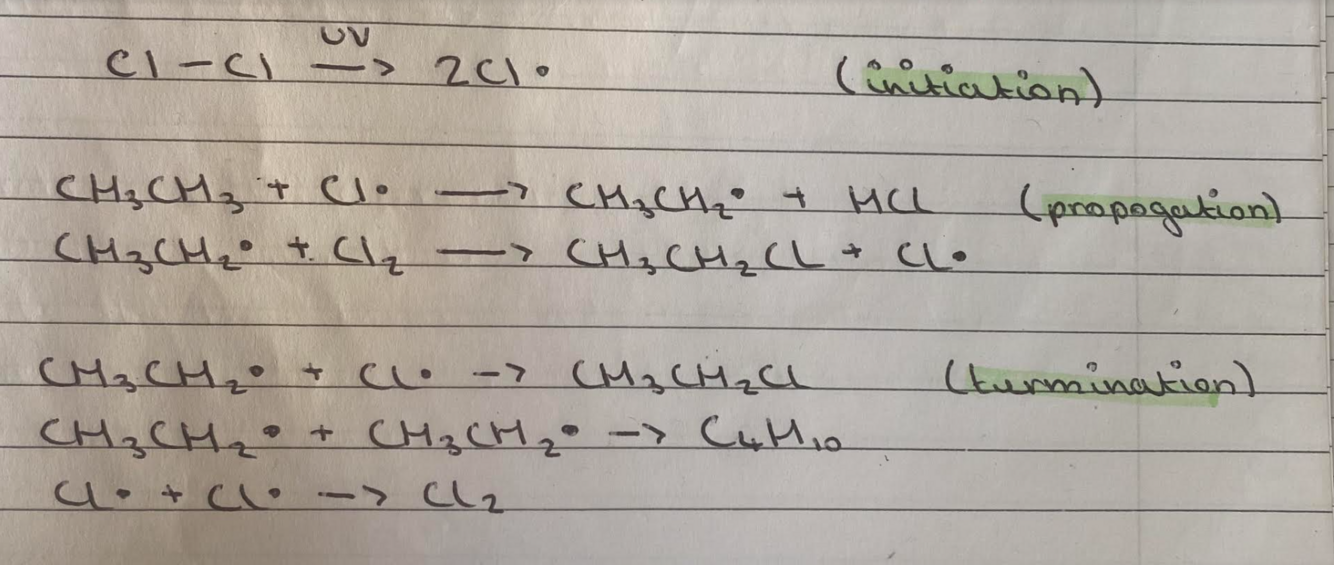
Write the equations for the free radical substitution of ethane with chlorine