C8 Organic Chemistry
No description yet. This curated deck is ready for daily study.
Card preview (24)
what are FUELS?
react with O2 + release energy
word equation for COMBUSTION
fuel + oxygen → carbon dioxide + water (+ energy)
what type of reaction is combustion?
exothermic
examples of FOSSIL FUEL
coal, natural gas, crude oil, petroleum
as molecules get LARGER, what happens to BP? why?
BP increase (more atoms → stronger intermolecular force → more energy needed to break the bonds)
as molecules get LARGER, what happens to VISCOSITY and VOLATILITY?
viscosity: increase volatility: decrease
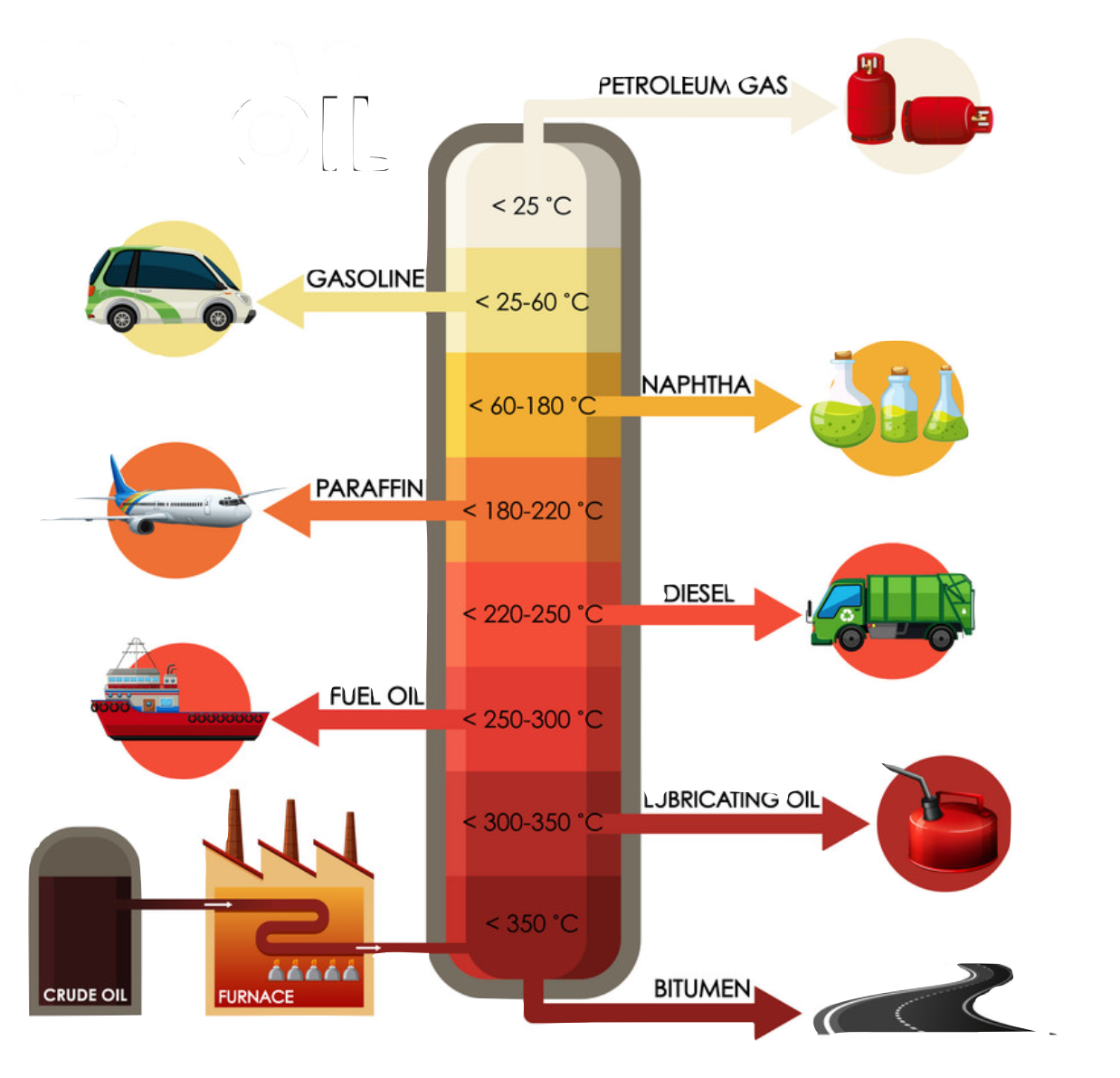
how does FRACTIONAL DISTILLATION of crude oil work?
crude oil is a MIXTURE of hydrocarbon molecules with DIFFERENT BP → CONDENSE AT DIFFERENT TEMP. • less C atom → low BP → evaporate, rise, condense at top (lower temp) → collected • more C atom → high BP → condense at bottom (higher temp) → collected
after the fractional distillation of crude oil, how can each section be used?
define hydrocarbon
contain only hydrogen and carbon atoms
what does combustion of hydrocarbon produce?
CO2 + H2O
general formula for ALKANE
C(n) H(2n+2)
general formula for ALKENE
C(n) H(2n)
general formula for ALCOHOL
C(n) H(2n+1) OH
difference between ALKANE and ALKENE in terms of bond and property
ALKANE: only single covalent bond → saturated → unreactive ALKENE: one C=C double bond + single covalent bond → unsaturated → reactive
uses of ALKANE
fuel (burn in air) produce alkene by cracking
uses of ALKENE
fuel making plastic
what test do you carry out to distinguish alkane and alkene?
ALKENE decolorizes bromine water it’s more reactive so it reacts with bromine
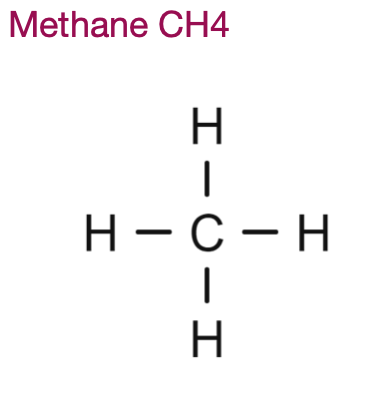
what is the formula for METHANE and ETHANE ? how do their molecular structures look like?
methane: CH4 ethane: C2H6 check drawing on notes:)
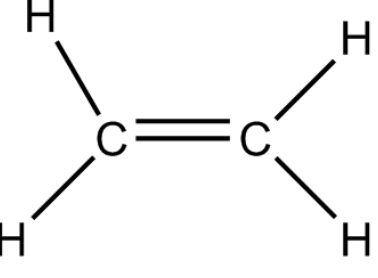
what is the formula for ETHENE ? how does its molecular structure look like?
ethene: C2H4 check drawing on notes:)
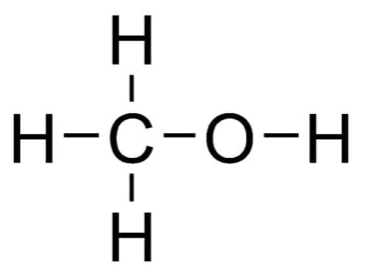
what is the formula for METHANOL ? how does its molecular structure look like?
CH3OH check drawing on notes:)
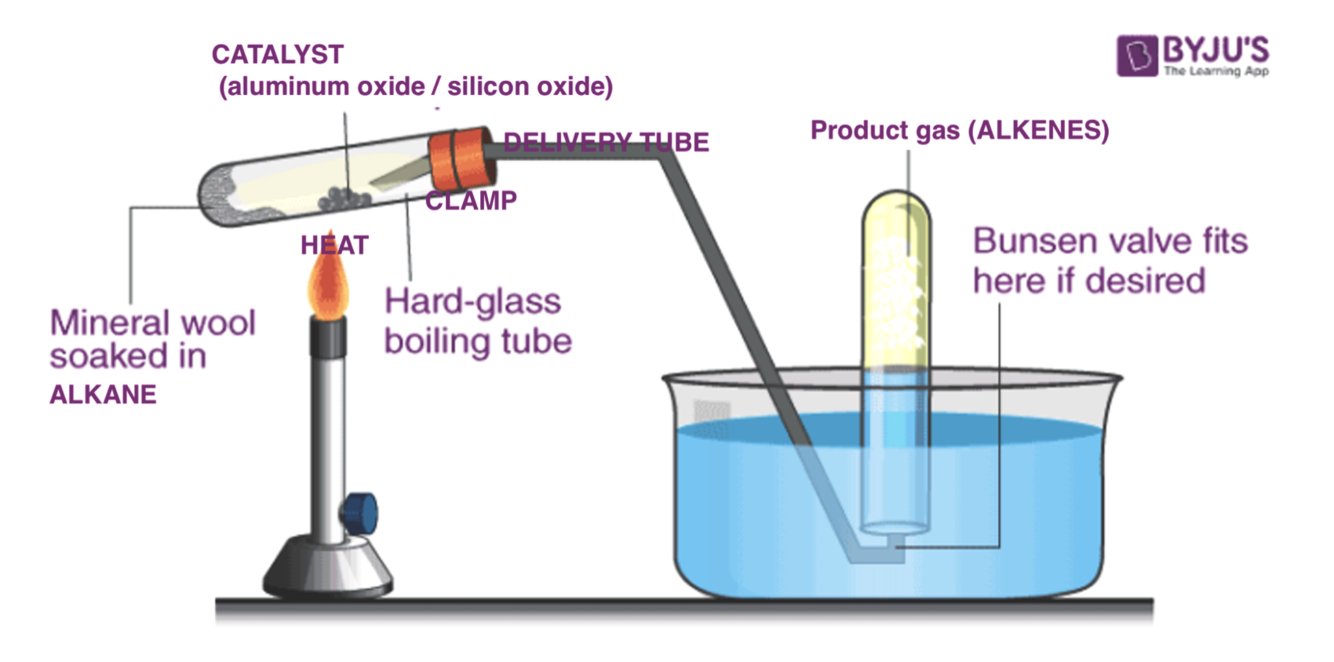
what is CRACKING?
breaking up larger hydrocarbon molecules into smaller ones (e.g. alkane → alkene)
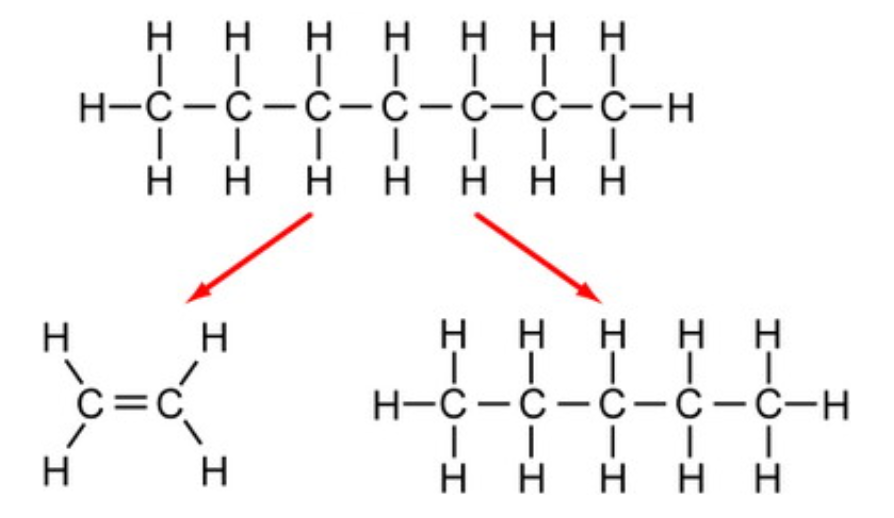
describe the process of CRACKING EXPERIMENT
what are the properties and uses of shorter & longer chains of hydrocarbon?
short: burn more easily+completely → fuel long: can be used under high temp. → lubricate machinery
use of GASOLINE and DIESEL
fuel in cars