exam review IV
No description yet. This curated deck is ready for daily study.
Card preview (24)
what are functional foods
Foods or dietary components that may provide a health benefit beyond basic nutrition and may play a role in reducing or minimizing the risk of certain diseases and other health conditions
Three general categories of functional foods
• conventional foods containing natural bioactive food compounts • eg probiotic in yoghurt • modified foods containing bioactive food compounds through enrichment or fortification • eg omega 3 enriched eggs • food ingredients that are synthesised which provide prebiotic benefits
phytochemicals
• biologically active substances found in plants in small amounts • the plant needs this for its functions • Each phytochemical has different benefits to the body • Absorption differs: some require a carrier, some that aren’t absorbed in the small intestine have been shown to undergo microbial degredation by colonic microflora
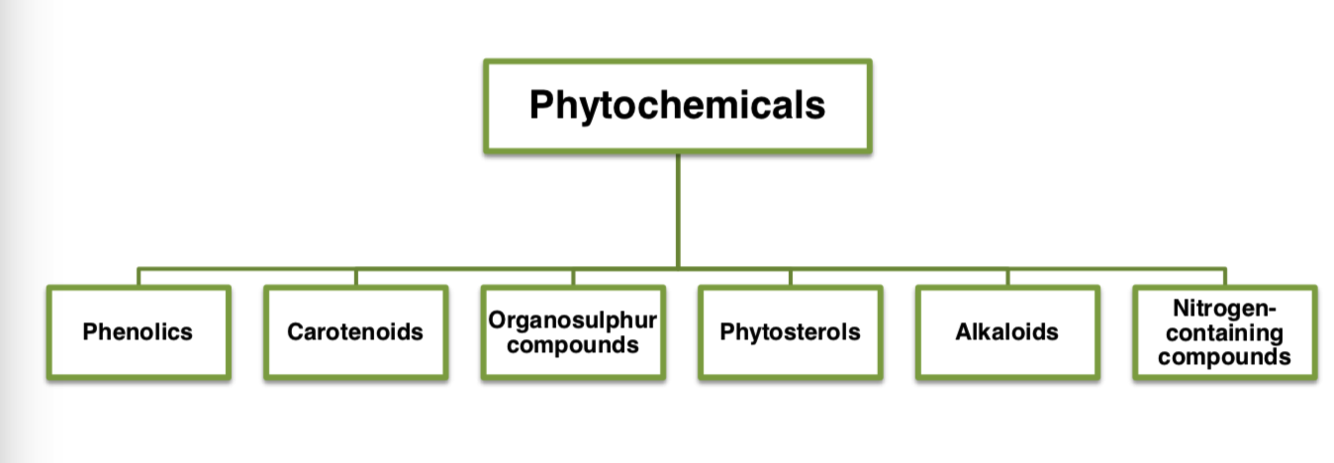
phytochemicals : phenolics
• only in plants and certain fungal species • Further classified into further sub-groups • phenolic acids: eg gallic acid in strawberry • flavonoids: eg luteolin in celery • stilbenes: eg resveratrol in grapes • lignans: eg seeds • others
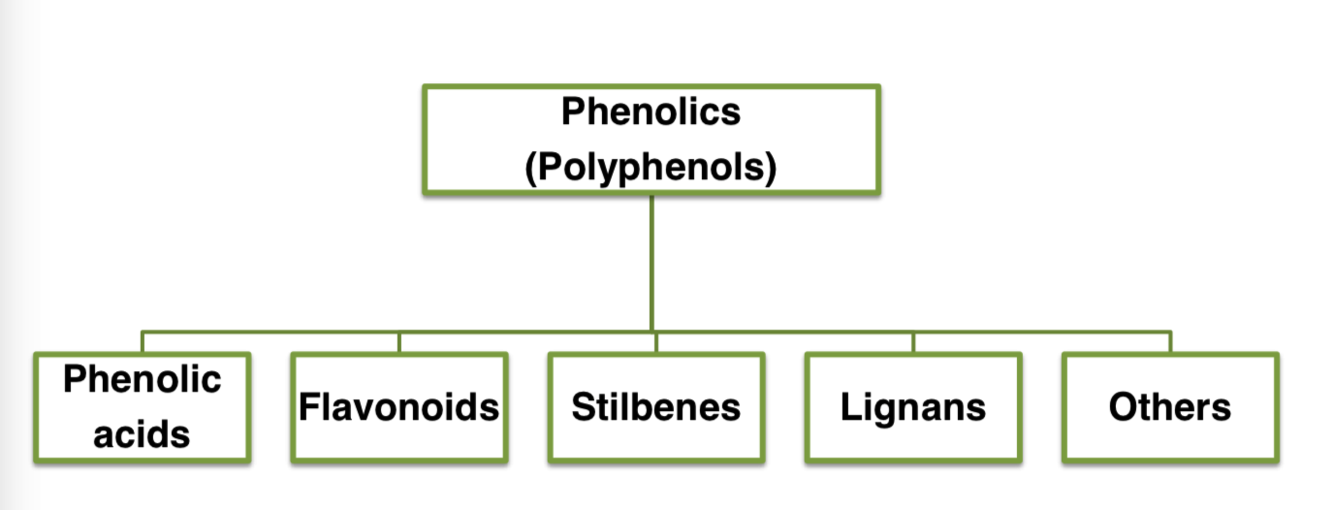
phytochemicals: carotenoids
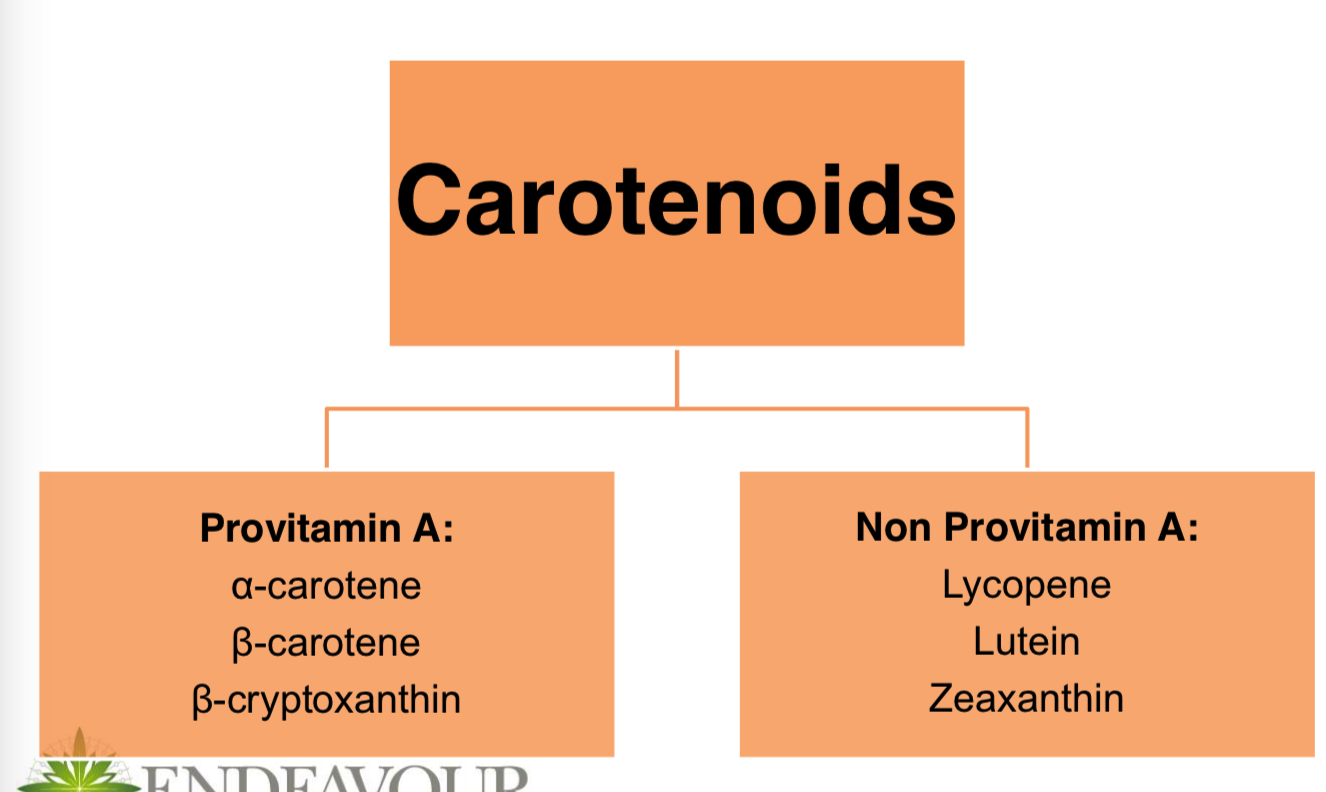
• naturally occurring pigments synthesised by plants, algae and photosynthetic bacteria • yellow, orange and red colours of many fruit and vege • high amounts for skin, testes and retina
Prebiotics
• “nondigestible food ingredients that beneficially affect the host by selectively stimulating the growth and/or activity of one or a limited number of bacteria in the colon, thus improving host health.” • occur naturally in many foods and also available in supplement form • eg asparagus, artichoke • improve intestinal functions and gut microbiota composition • reduction of intestinal infections
probiotics
• “living microorganisms, which, upon ingestion in certain numbers, exert health benefits beyond inherent basic nutrition.” • various actions including stopping growth of pathogenic bacteria, enhancing mucosal function *
antioxidants
• body natural defence and repair systems try to control the destruction caused by free radicals • less effective with age or chronic disease • antioxidants neutralise free radicals to prevent oxidative stress • eg vitamin C and A, zinc, manganese
therapeutic juices
• deliver a complex combination of nutrients and phytochemicals in a concentrated form • however, bioavailability of some constituents can be enhanced when fibre is removed by juice extractors • juices should be consumed fresh • juice extractors • non centrifugal juicers are best • extract higher levels of nutrients and phytochemicals from fruits and vege • cautions • fruit and sweet vege can be high in kilojoules and natural sugars • organic acids may erode tooth enamel
what is the idea of kitchen pharmacy
• formed through observation of the effects on the body of common ingredients • different cultures developed their own observations however some beliefs of food benefits were shared • cautions • always check the safety of natural remedies especially herbal remedies, use for pregnant women, children or those taking medications
Teas
• referred to as an infusion • made by steeping plant material • the flavour and plant consituents transfer into water • • herbal tea: 1 teaspoon dried herb : cup of water • decoction: boiling/simmering hard plants parts in water for longer time period eg ginger
Tea for nervous system support
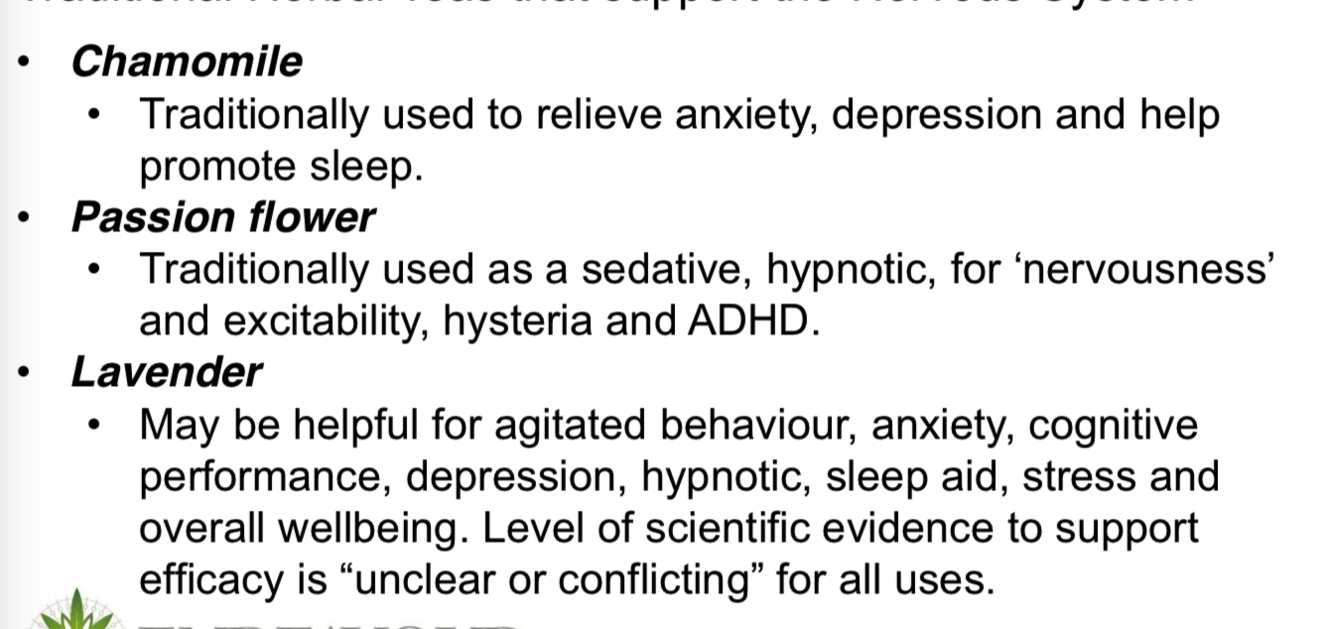
• relieves stress and promotes relaxation • Water soluble phytochemicals like flavonoids and tannins as well as essential oils and anti-oxidants are present in tea • can encourage hydration PLC for the nervous system passion flower, lavender, chamomile
tea for immune system support
• elder (berries and flowers) • treating influenza • coughs, herpes, immune stimulant • Thyme • antimicrobial, antiseptic and antibacterial • for upper respiratory infections • yarrow • common cold • lemon • antibacterial and antiviral properties
tea/decoction - digestive system support
• ginger • nausea, indigestion, vomiting, dyspepsia • use 1-2cm pieve of ginger and make decoction • peppermint • irritable bowel syndrome and indigestion • chamomile *
tea/decoction - urinary system support
• corn silk • relieve cystitis, urethritis, UTIs, chronic inflam
differentiate between bath, wash and soak
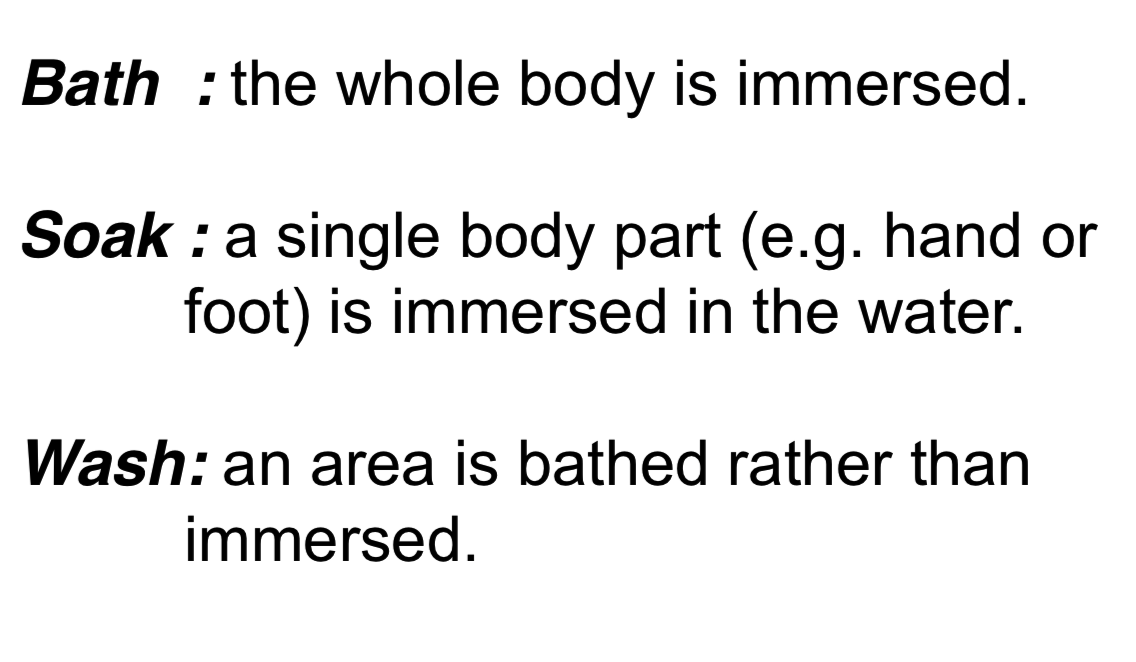
types of therapeutic baths
• epsom salt bath • magnesium sulphate • these baths relieve muscle sorness, promote circulation and encourage relaxation • sitz baths • sit in water up to hips • alleviate rectal discomfort, genital problems or urinary problems • steam baths/inhalations • blocked noses and sinus problems
therapeutic washes and soaks
• salt water wash • antibacterial • sinusitis, conjunctivitis • vinegar washes • enhance healing • treating nail fungus • foot and hand soaks • therapeutic agents are added to the water for absorption • eg ginger for circulation • lavender for stress *
poultices
A topical application of crushed plant material that is made into a pulp or paste. The material is held in place using cling film, muslin or a bandage. It can be applied directly to the skin or a thin cloth can be used as an under layer. uses: • infections eg grated onion • pain from inflammation • injuries or wounds eg arnica flowers • skin complaints
dry skin brushing
Traditionally began in Ayurvedic medicine • stimulate skin and promote circulation • remove dead skin cells and promote lymphatic flow
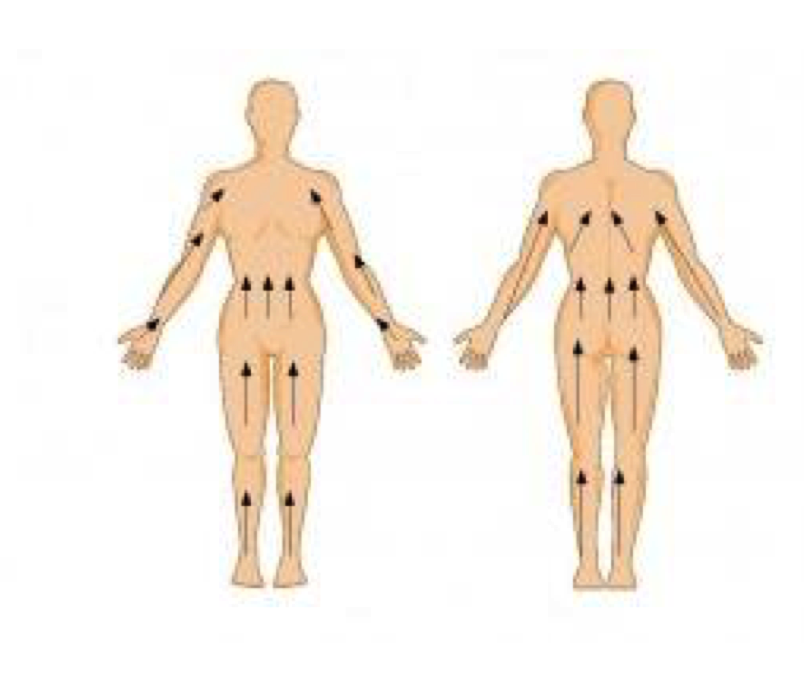
oils -
• can be used topically or internally • olive oil • consumed inernally has health benefits • topically as moisturiser • coconut oil • antifungal properties • moisturiser *
gargles
• mouth wash or mouth rinse • liquid is swished and held in mouth for 30-60 seconds • used for bad breath, cavities, sore throats, oral thrush • examples • salt water gargle • vinegar and sage gargle • tumeric mouth wash *
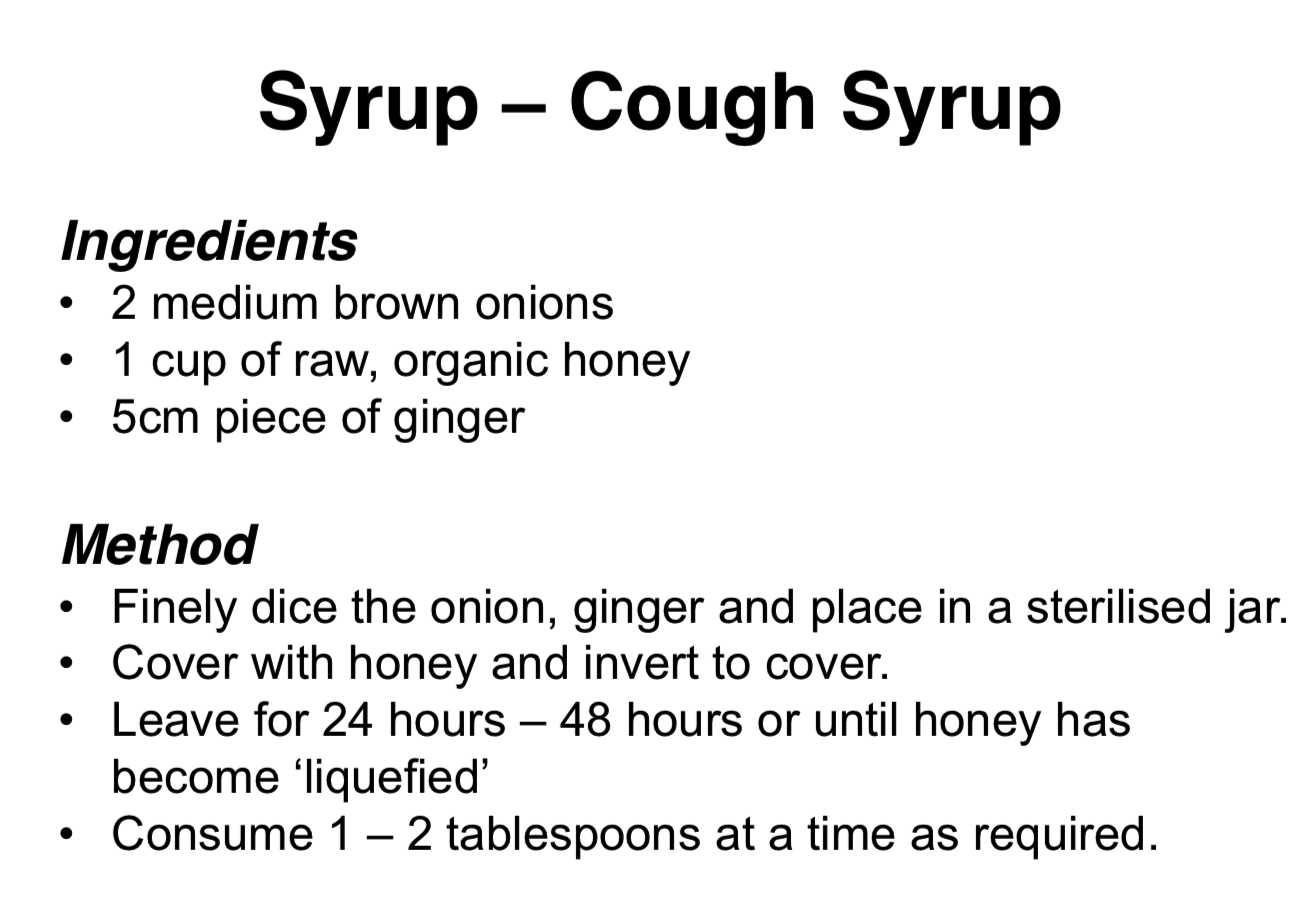
syrups
• a thick, usually sweet liquid, made by dissolving sugar in water • for sore throats and coughs • sweetness helps with giving it to children *
food first aid - manuka honey
• manuka honey • antibacterial activity for wounds and GI infections • produced from manuka bush • contains high concentrations of MGO an antibacterial compound • apply either externally for wounds or infections • eat off spoon to soothe sore throat or settle digestive upset