Chapter 19: Aldehydes and Ketones
暂无描述。系统推荐的高质量记忆内容,适合每天坚持背诵学习。
卡片预览 (24 张)
Naming an aldehyde
• Identify and name the parent chain that includes the aldehyde group • Identify and name substituents • Assign locant to each substituent giving the aldehyde the lowest number • Assemble substituents alphabetically • Assign configurations to any chiral centers • Replace “e” with suffix −al
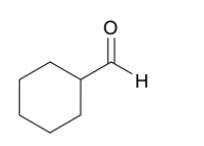
Cyclohexanecarbaldehyde
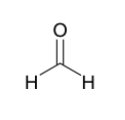
Formaldehyde
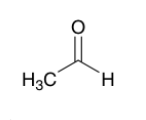
Acetaldehyde
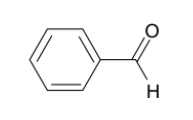
Benzaldehyde
Naming ketones
• Identify and name the parent chain that includes the ketone carbonyl • Identify and name substituents • Assign locant to each substituent giving the ketone the lowest number • Assemble substituents alphabetically • Assign configurations to any chiral centers • Replace “e” with suffix −one
Naming simple ketones
Simple ketones can be named alkyl alkyl ketones
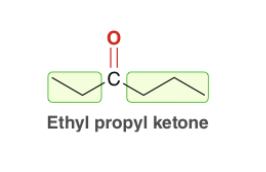
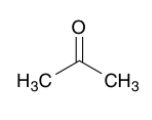
Acetone
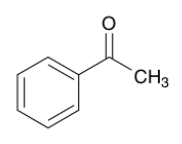
Acetophenone
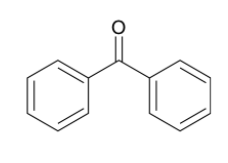
Benzophenone
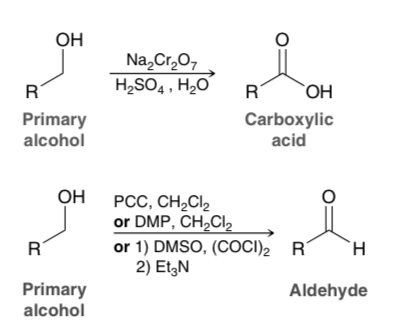
Preparing aldehydes from primary alcohols
Reagents PCC & CH2Cl2 (dichloromethane) or Des-Martin periodinane (DMP) oxidation DMP and CH2Cl2 (dichloromethane) or Swern oxidation 1. DMSO & (COCl)2 (oxalyl chloride) 2. Et3N (triethylamine)
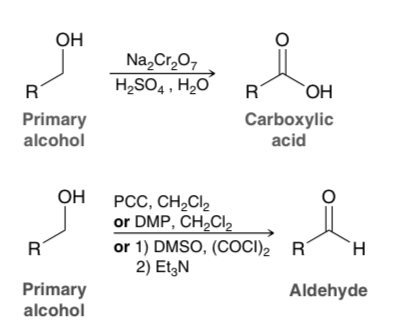
Preparing ketones from secondary alcohols
Reagents Na2Cr2O7 (sodium dichromate) & H2SO4/H2O or xs CrO3 (chromium trioxide) & H3O+/acetone or PCC & CH2Cl2 (dichloromethane) or Des-Martin periodinane (DMP) oxidation DMP & CH2Cl2 (dichloromethane) or Swern oxidation 1. DMSO & (COCl)2 (oxalyl chloride) 2. Et3N (triethylamine)
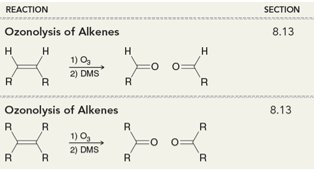
Preparing aldehydes or ketones from an alkene
Depending on the substitution of the alkene either can be created Reagents • O3 • DMS
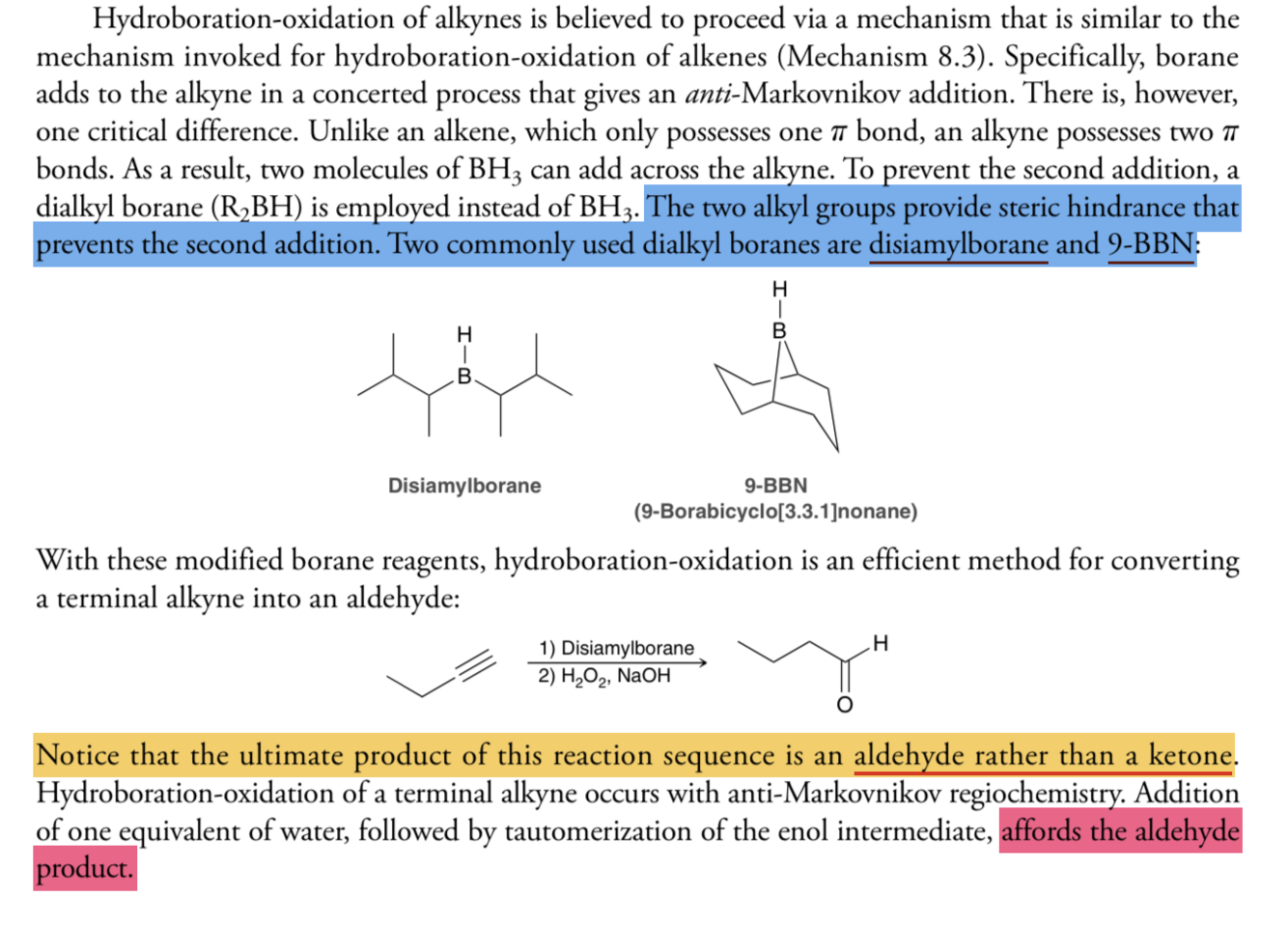
Forming an aldehyde from a terminal alkyne
Hydroboration oxidation Reagents • R2BH (alkyl borane) Disiamylborane or 9-BBN • H2O2 & NaOH
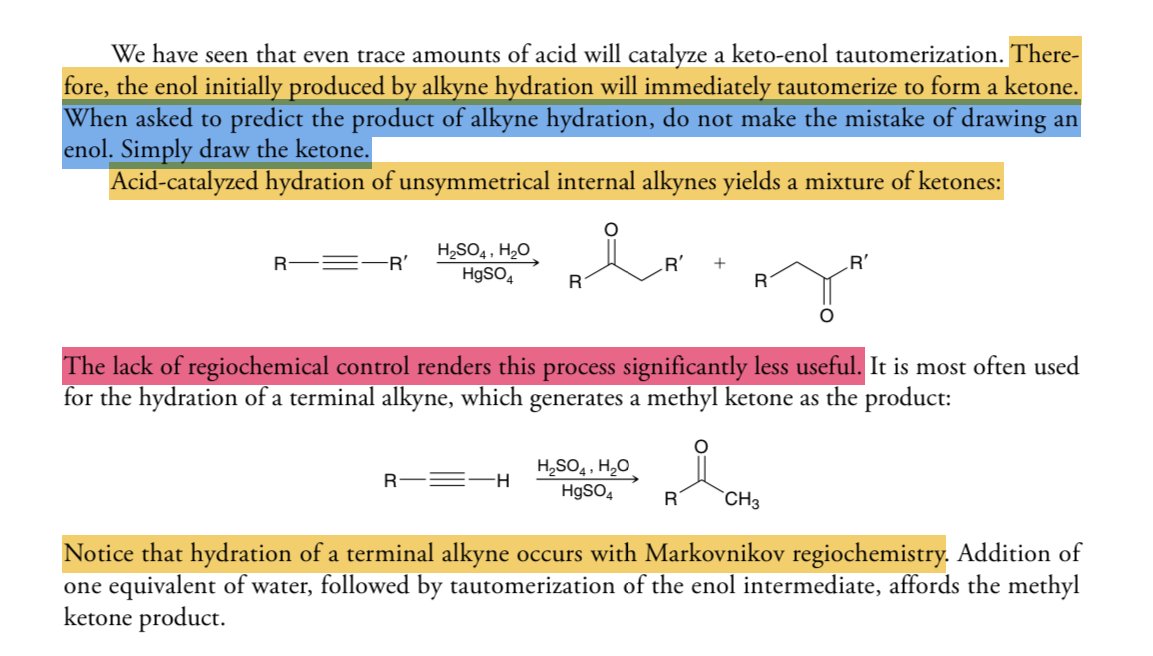
Forming an acetyl ketone from an alkyne
Acid-catalyzed hydration Reagents H2SO4, H2O & HgSO4 (mercuric sulfate)
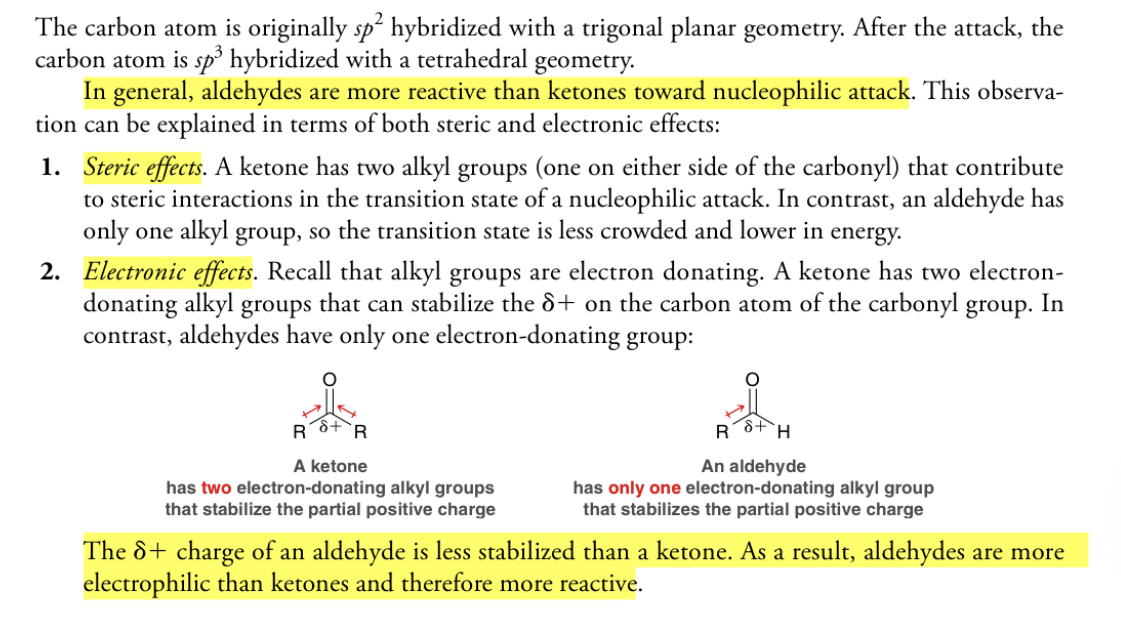
Aldehyde vs. ketone reactivity
Formation of hydrates
Reagents [H+] & ROH Alcohols can attack carbonyls making acetals Ketal- specifically from a ketone • For most ketones, the ketal is NOT favored at equilibrium Acetal- typically from an aldehyde • For simple aldehydes the acetal is favored at equilibrium

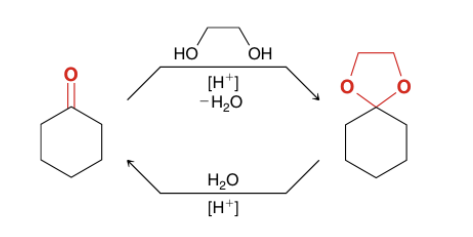
Cyclic acetal formation
Reagents [H+], ethylene glycol Typically, a non-nucleophilic acid is used like H2SO4 Can be used as a protecting group as it is reversible
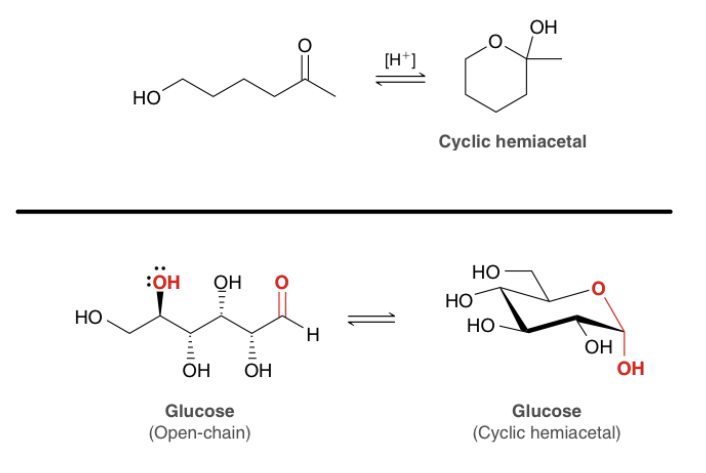
Hemiacetal formation
An acetal with one −OR group and one hydroxyl group Difficult to isolate however cyclic hemiacetals can be isolated
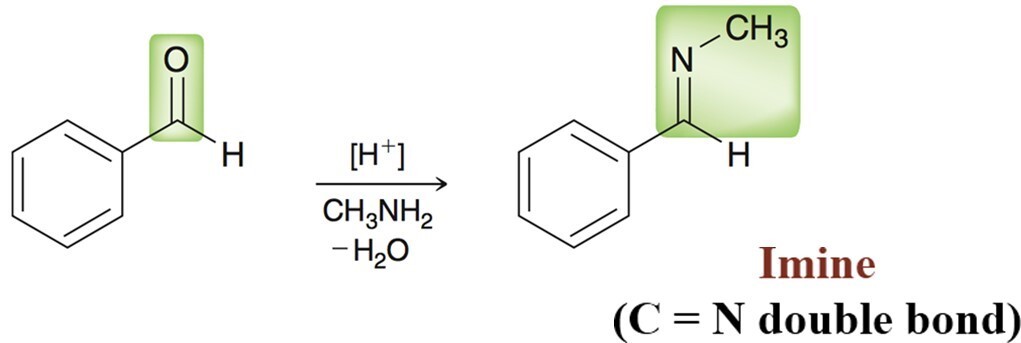
Imine formation
Reagents [H+] & RNH2 Mechanism Under acidic conditions aldehydes/ketones react with primary amines to form imines
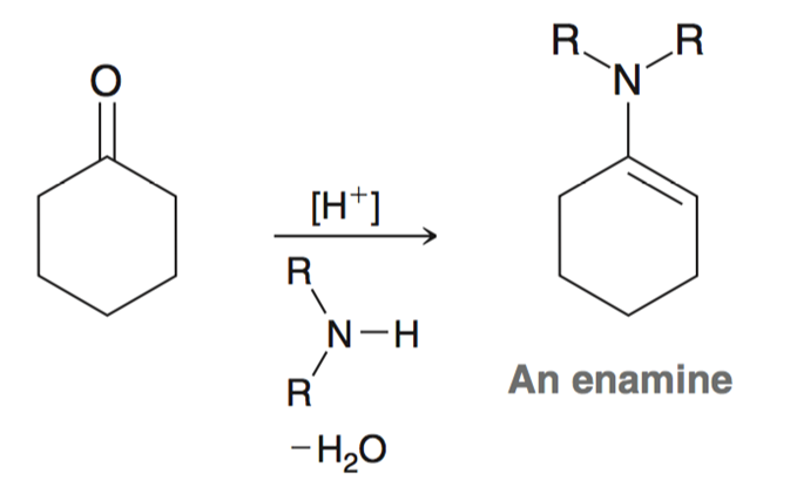
Formation of an enamines
Reagents [H+] & R2NH Mechanism Under acidic conditions aldehydes/ketones react with secondary amines to form enamines
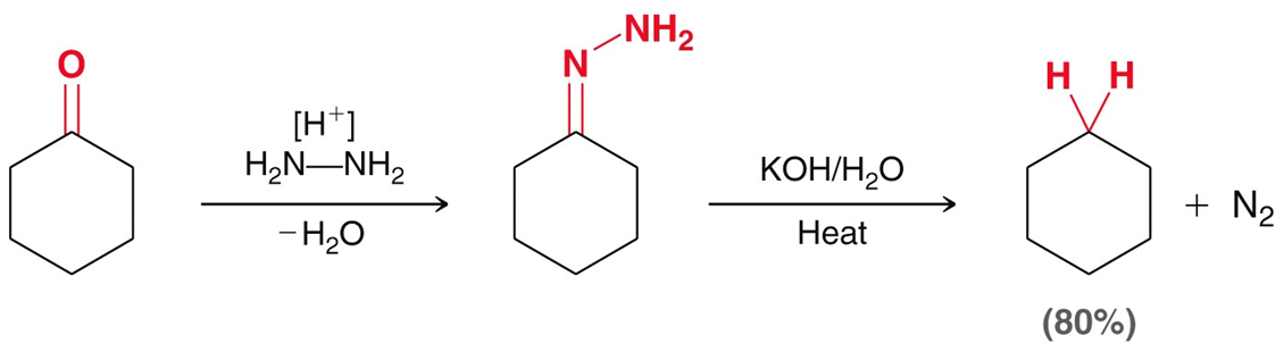
Wolff-Kishner Reduction
Reagents • [H+] & H2N−NH2 (hydrazine) • KOH, H2O & heat Mechansim Reduce a carbonyl to alkane
Hydrolysis of acetals
Reagents [H+] & H2O Mechanism Acetals are hydrolyzed with aqueous acid to yield a ketone (or aldehyde) and two equivalents of alcohol Simply the reverse of acetal formation
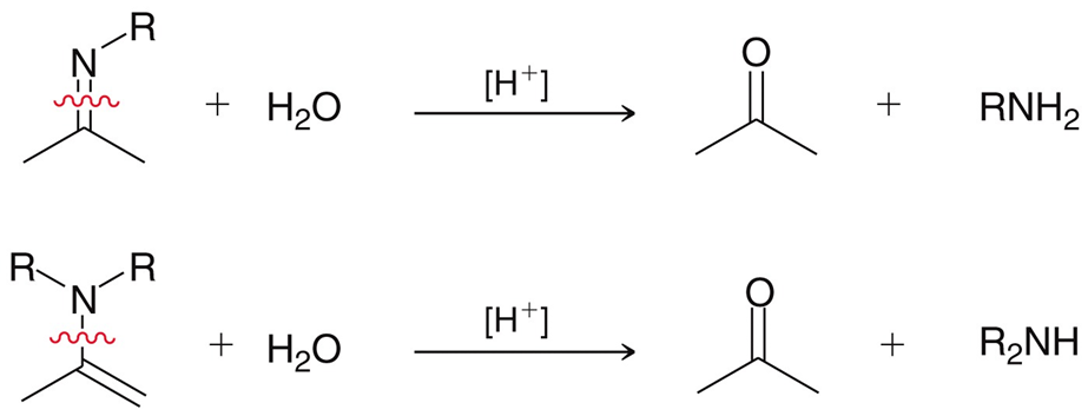
Hydrolysis of imines and enamines
Reagents [H+] & H2O Mechanism Acetals are hydrolyzed with aqueous acid to yield a ketone (or aldehyde) and a primary or secondary amine