1 - Principles of chemistry (d) The Periodic Table
No description yet. This curated deck is ready for daily study.
Card preview (6)
How are elements arranged in the periodic table?
In order of atomic number, in groups and periods depending on the number of electrons in the outer shell and the number of shells.
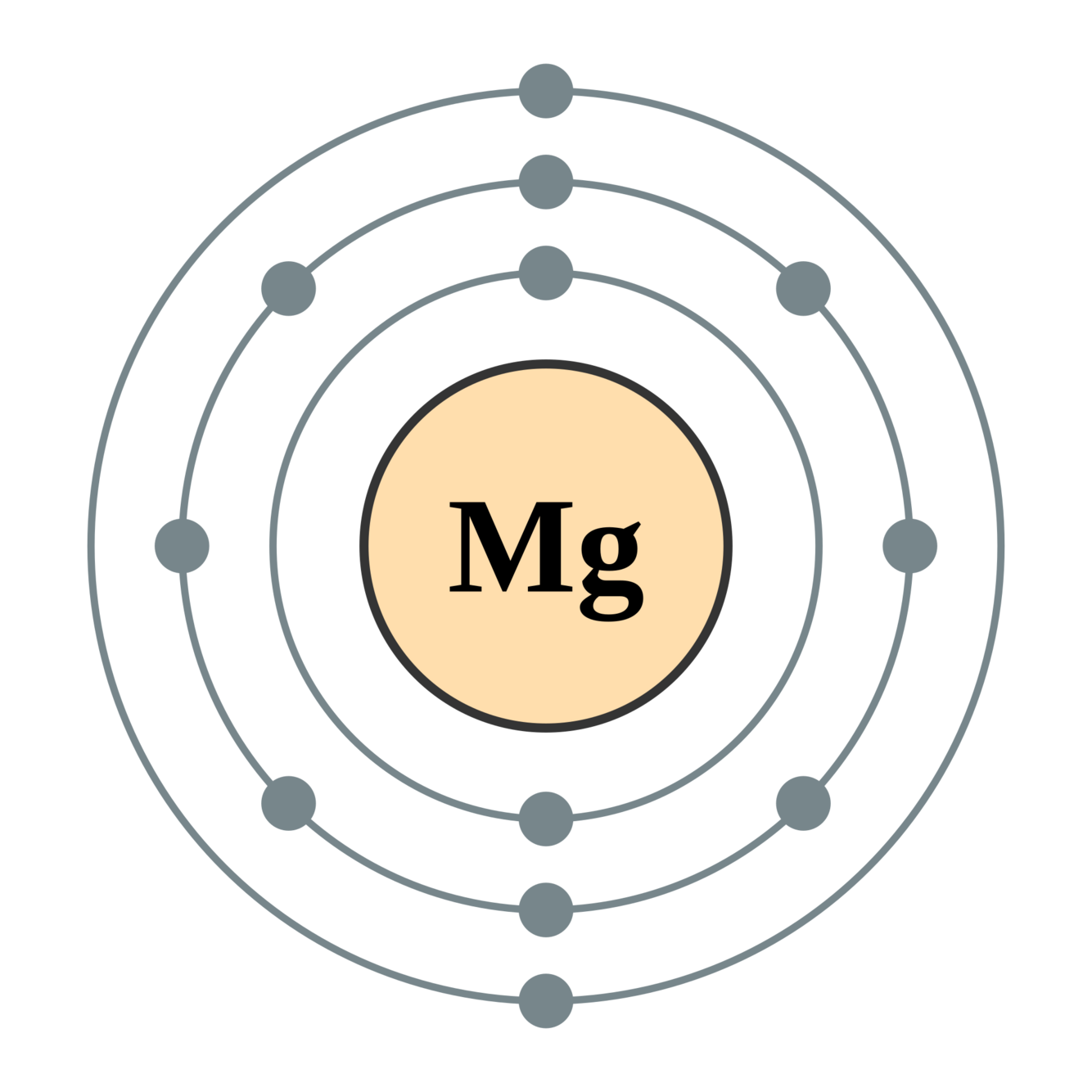
What are the limits of electrons in each shell for the first 20 elements? How would you draw them?
2,8,8,2
How would you use the electrical conductivity and acid-base character of oxides to classify an element as a metal or non-metal
If it conducts, it is a metal (or graphite) If its oxide is basic, and reacts with acids to form salt and water, it is a metal If its oxide is acidic or neutral, and it doesn’t conduct, it is a non-metal
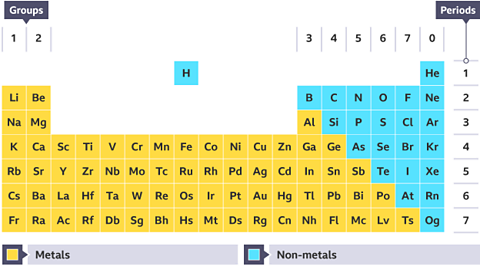
Where on the periodic table is the divide between metals and non-metals?
Above Aluminum, below Boron, it then staircases down.
Why do elements in the same group have similar chemical properties?
They have the same number of electrons in their outer shell, and so will react similarly because they need to gain/lose the same number of electrons.
Why do the noble gases (Group 0) not react?
They don’t need to gain/lose electrons to gain a full outer shell, as they already have one, so there is no need to react to gain/lose electrons.