1. Cells and DNA
No description yet. This curated deck is ready for daily study.
Card preview (24)
Jeopardy! These organelles break down engulfed pathogens, nutrient molecules, and components of the cell itself that are no longer functional (aka: trash).
What are lysosomes?
Jeopardy This cellular component visible under the microscope protects the interior of the cell from its environment. It also limits the movement of specific materials into and out of the cell.
What is the cellular membrane?
jeopardy These organelles are involved in cellular metabolism, specifically the production of energy via aerobic respiration.
What are mitochondria?
Jeopardy This cell component visible under the microscope includes both the cytosol and the organelles*. *except the nucleus
What is the cytoplasm?
Jeopardy In animal cells, this organelle serves as the location for DNA in its chromatin form.
What is the nucleous?
Jeopardy Double-helix structure discovered by Watson and Crick in 1953.
What is DNA: deoxyribonucleic acid?
Jeopardy This organelle stores material produced by the cell and transports it to the cell membrane and outside the cell.
What is the Golgi apparatus?
Jeopardy This organelle transports material from one part of the cell to another.
What is the Endoplasmic reticulum?
Jeopardy These organelles are the cellular machinery responsible for making proteins
What are Ribosome?
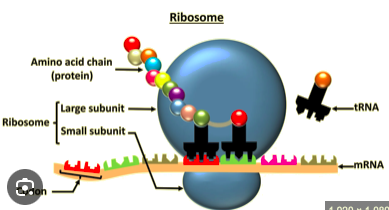
Jeopardy Without ever leaving the cell nucleous, this molecule controls all cell activities
What is DNA?
Jeopardy Cell components visible even under the most rudimentary microscope.
What are 1)The cell membrane 2)The Nucleus and 3)Cytoplasm? .
Jeopardy These 4 nitrogen bases bridge the 2 DNA strands (aka “the rungs”).
What are 1)Adenine 2)Thymine 3)Cytosine and 4)Guanine?
Jeopardy Name given to the complete set of genetic information of an individual or species.
What is the genome
Jeopardy Segment of DNA that correspond to the blueprint a specific protein.
What is a genes
jeopardy The number of genes said to be found in the human genome.
What is 25000 genes?
Jeopardy Concept use to describe the variety of different genetic combinations amoung members of the same species
What is genetic diversity?
Jeopardy Coded information shared exclusively between identical twins
What is genetic information?
Jeopardy Coded by specific genes, enzyme and hormone belong is this categorie.
What are protein?
Jeopardy Entity known to exist under different variations called alleles.
What is a gene?
Jeopardy Name given to a gene variant (aka: alleles) whose presence appear to mute the expression of other variants.
What are dominant genes?
Jeopardy Mode of reproduction where DNA from both parent is split, shuffled and fused?
What is sexual reproduction?
This organelle found in animal cells may have arisen as a result of mutualism
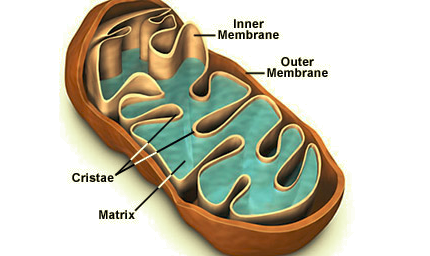
What is a mitochondria?
jeopardy Sometimes casually refered to as “the gene pool” this Indicator is associated with the capacity of a species to adapt?
What is genetic diversity?
Jeopardy Usual suspects associated with a specific character.
What are genes?