Lecture 5 – Data sources
No description yet. This curated deck is ready for daily study.
Card preview (24)
Why sharing data?
• working together on a project • common needs, common resource • data as a product • data-based service
Opportunities from shared data
• new combinations of data • new relationships of data • new visualisations of data • new understanding of data
What is open data?
data that is freely available to everyone
What is the problem with open data?
Its abundance and complexity (many datasets, with different definitions and access points)
What is machine-readable data?
data which is in a format that can be understood by a computer (JSON, XML, csv)
What is a markup language?
system for annotating a document in a away that is synthetically distinguishable from the text (e.g. HTML, XML)
What is a digital container
file format whose specification describes how different elements of data coexist in a computer file
What is Metadata?
structured data that describes other data can be … descriptive (title, author, file size), structural (relationships, chapters, elements of JSON), administrative (version number, archiving data, createDate)
What is Predictive Model Markup Language (PMML)?
provides a standard language for describing a predictive model that can be passed between analytic software
Unix: pwd
path of current directory
Unix: cd DIRPATH
change directory to DIRPATH
Unix: ls DIRPATH
output the filenames of DIRPATH
Unix: cp FILENAME NEWFILENAME
copy FILENAME to NEWFILENAME
Unix: mv FILENAME NEWFILENAME
rename FILENAME to NEWFILENAME
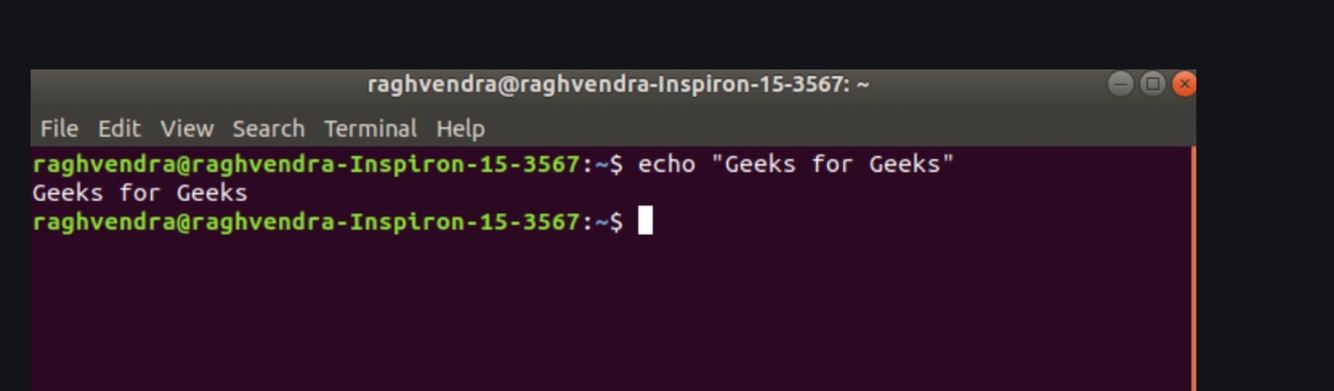
Unix: echo “TEXT”
output TEXT
Unix: cat FILENAME
output content of FILENAME
Unix: less FILENAME
output the content of FILENAME, but one screen at a time Advantage: faster access because if file is large it doesn’t access the complete file, but accesses it page by page.
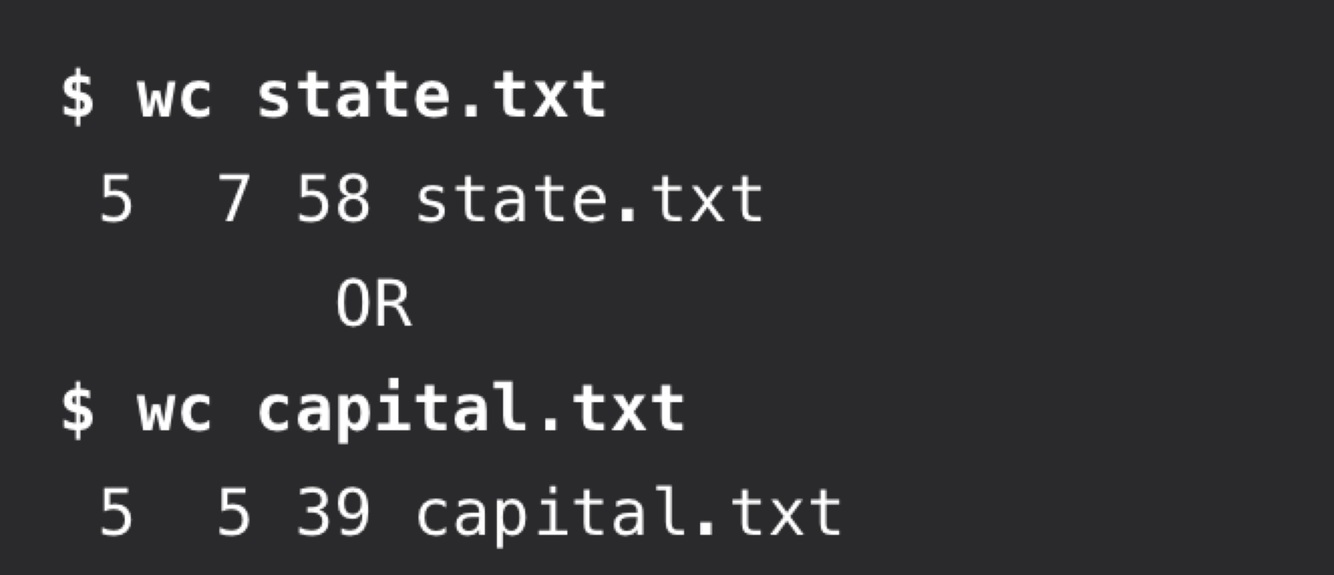
Unix: wc FILENAME
count number of characters, term, lines in FILENAME Lines , word, number of bytes for text file
Unix: grep “PATTERN” FILENAME
output lines in FILENAME that match PATTERN
Unix: head FILENAME
output the first lines of FILENAME
Unix: tail FILENAME
output the last lines of FILENAME
Unix: awk
process text files in various ways
How can one standardize data? (not the calculation but aspects around it that we can develop standards for)
• access • format • value & vocabulary • metadata • software • process & workflow
What role do data scientists play in standardizing data?
• establishing the standards • enacting the standards