10. Organic Chemistry
No description yet. This curated deck is ready for daily study.
Card preview (24)
Structural Isomers
same molecular formula, different structure
Alkanes
Alkyl Group CnH2n+2
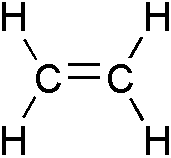
Alkenyl (Alkenes) CnH2n
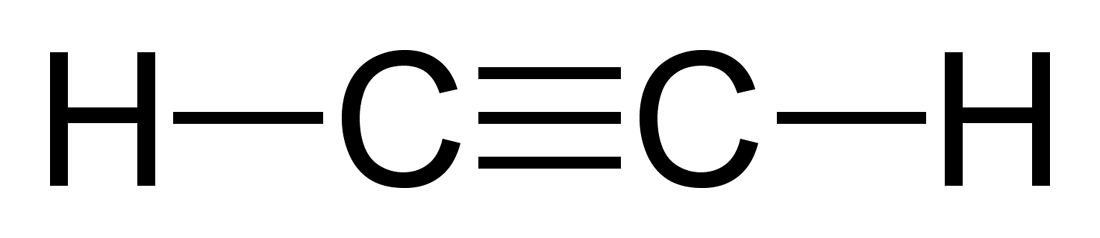
Alkynyl (Alkynes) CnH2n-2
Saturated Hydrocarbons
Hydrocarbons that contain no double/ triple bonds (alkanes)
Unsaturated Hydrocarbons
Hydrocarbons that contain double/ triple bonds - Alkenes or Alkynes
R - X X = F, Cl, Br, I
Halogenoalkanes CnH2n+1X
R - O-H
Hydroxyl suffix: -ol
R - O - R’
Ether midfix: -oxy-
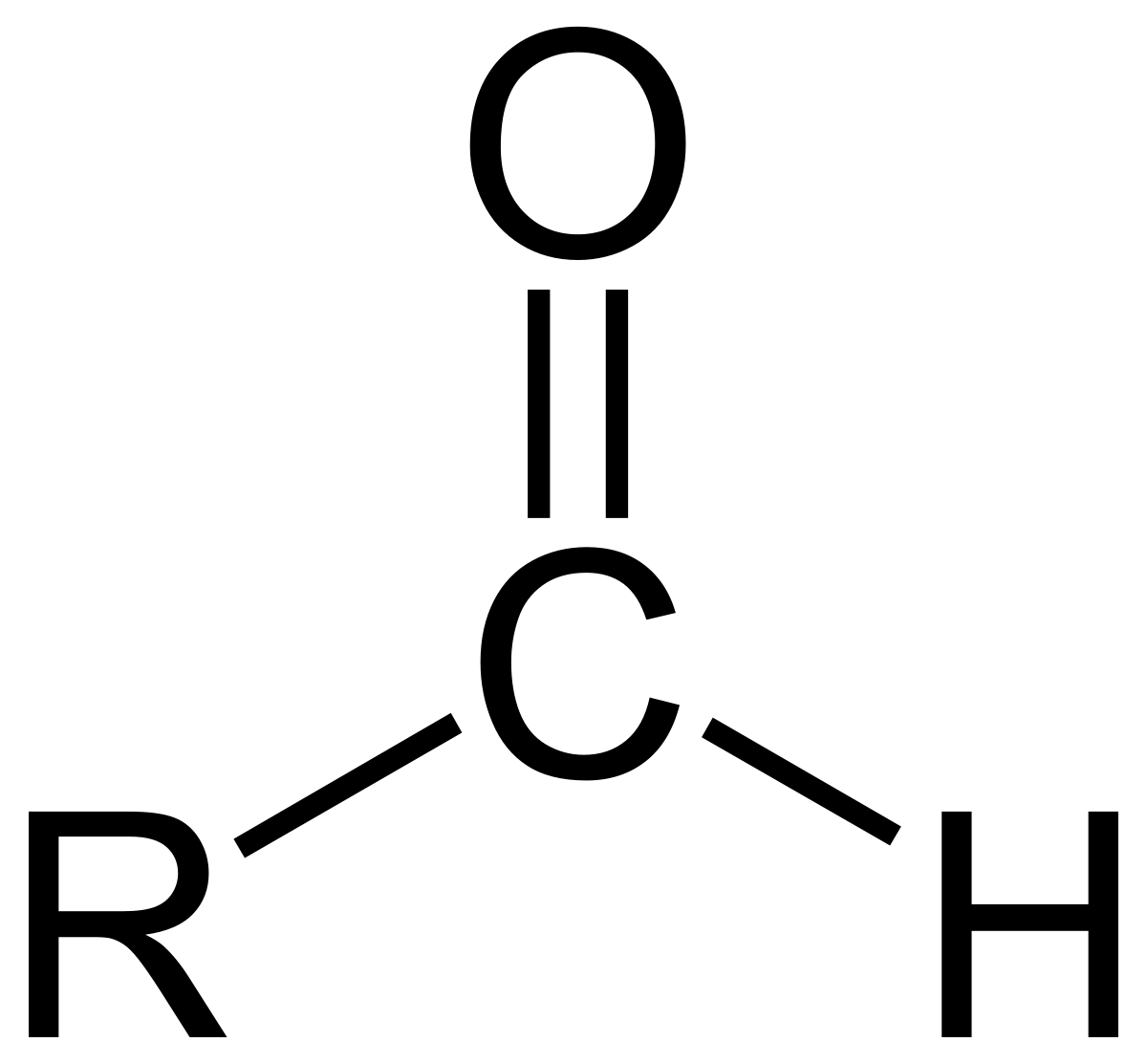
Aldehyde suffix: -al
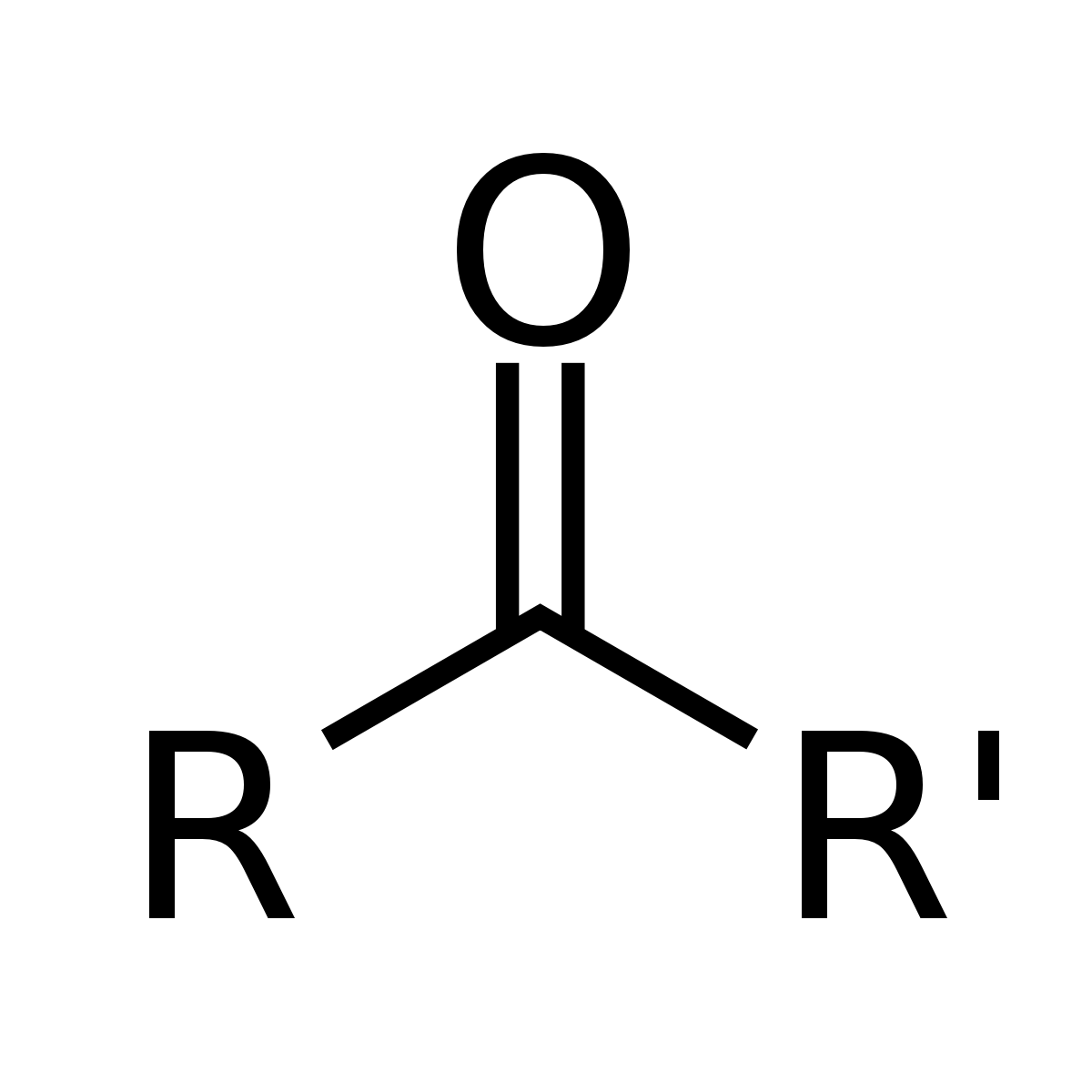
Carbonyl (Ketones) suffix: -one
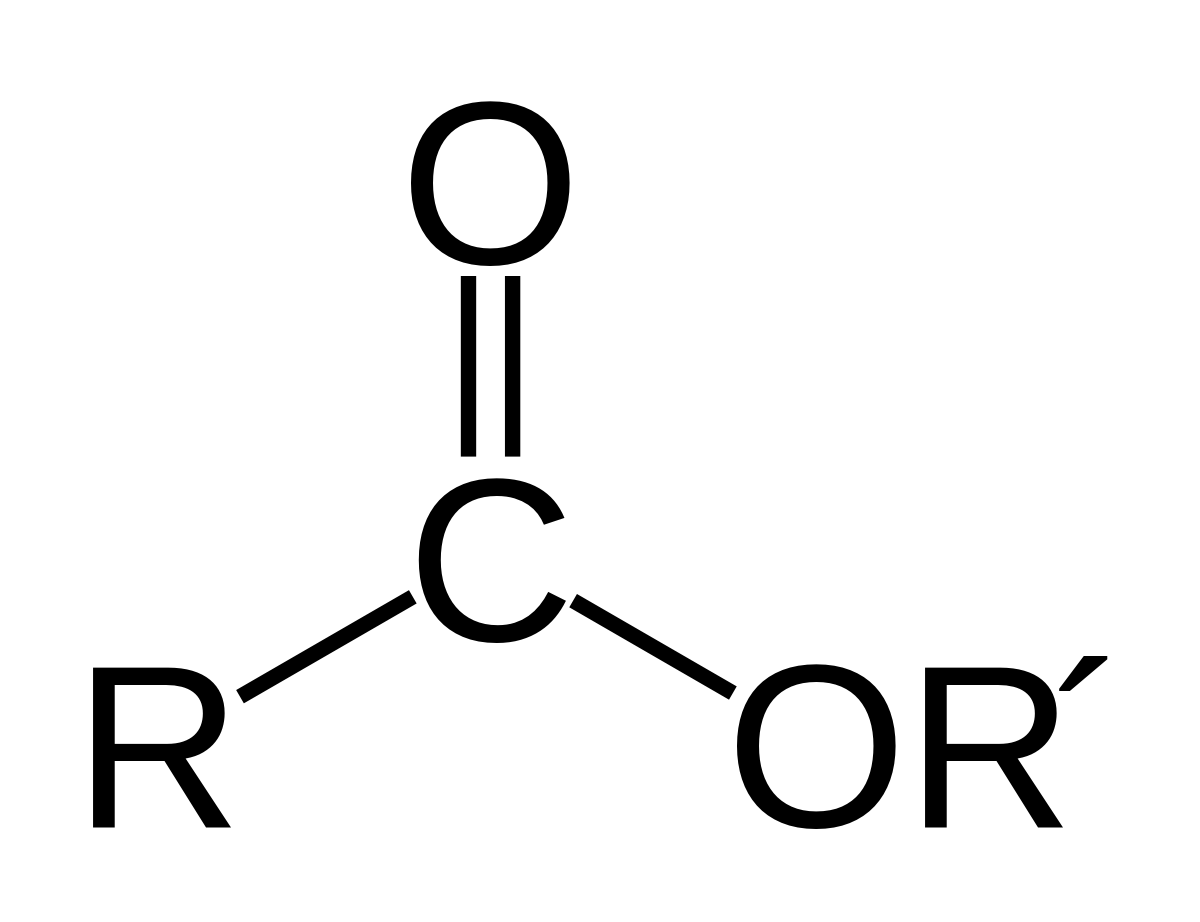
Ester suffix: -oate naming: • first part is from the alcohol group • second part is from the acid • add -oate • eg methyl ethanoate
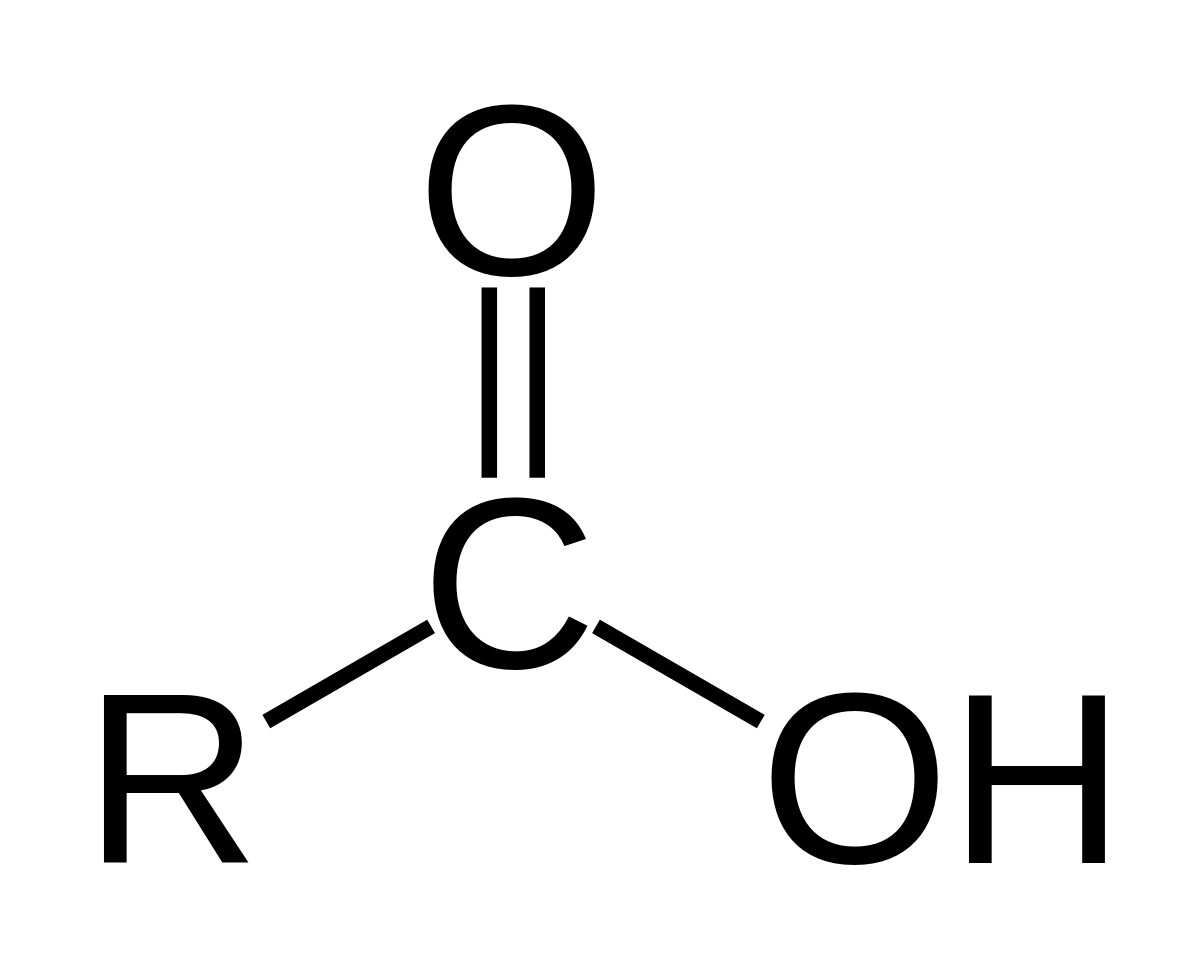
Carboxyl (Carboxylic Acids) suffix: -oic acid
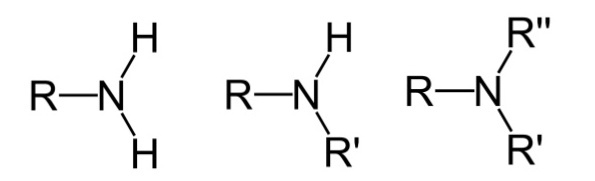
Amino (Amines) suffix: -amine
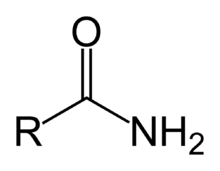
Carboxamide (Amides) suffix: -amide
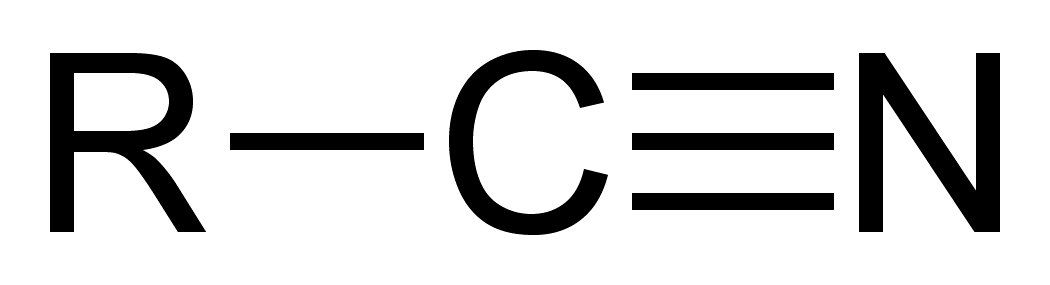
Cyano (Nitriles) suffix: -nitrile
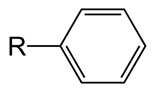
Phenyl (Arenes) eg Benzene
Chemical Properties of Benzene
• Due to resonance energy/ stabilization energy of benzene, it is reluctant to undergo addition reactions but will undergo substitution reactions • Delocalization minimizes the repulsion between electrons
Physical Characteristics of the Functional Groups
• volatile if • small molecular weight • non polar • soluble if • small molecular weight • polar • branching • criss cross - less surface area > lower boiling point • zig zag - more contact/ surface area > higher boiling point
(Alkane Reactions) Chemical Properties
• Catenation is the ability to form bonds between atoms of the same element • Carbon is able to form strong covalent bonds • Fairly unreactive • Relatively strong, almost non-polar, single covalent bonds • Have no real sites that will encourage substances to attack them
(Alkane Reactions) Combustion Reactions
Complete Combustion CH4(g) + 2O2(g) –> CO2(g) + 2H2O(l) Incomplete Combustion CH4(g) + 1.5O2<strong>(g)</strong> –> CO(g) + 2H2O(l)
Homolytic Fission
• Equal splitting • produces radicals X : Y –> X• + Y• • If several bonds are present the weakest bond is broken first
Heterolytic Fission
• Formation of a carbocation and a negative ion due to carbon losing it’s shared electron • Unequal splitting • Produces ions X : Y –> X:- + Y+ X : Y –> X+ + Y:-
(Alkane Reactions) Substitution Reactions Methane + Cl2
• Initiation - during initiation the weakest bond is broken as it requires less energy • H-C = 412; C-C = 348; Cl-Cl = 242 • Cl-Cl –> Cl• + •Cl • Propagation - must start & end with a radical • Cl• + H-CH3 –> Cl-H + •CH3 • •CH3 + Cl-Cl –> CH3-Cl + Cl• • Termination • Cl• + •Cl –> Cl-Cl • Cl• + •CH3 –> CH3-Cl • CH3• + CH3• –> CH3-CH3