Fundamental particles
No description yet. This curated deck is ready for daily study.
Card preview (24)
What are the three sub-atomic particles of an atom?

• Protons • Neutrons • Electrons
What is the charge and mass of a proton?
• Charge = +1 • Mass = 1
What is the charge and mass of a neutron?
• Charge = 0 • Mass = 1
What is the charge and mass of a electron?
• Charge = -1 • Mass = 1/2000
What is the atomic mass number?
The number of protons in the nucleus
What is the mass number?
The number of protons and neutrons in the nucleus
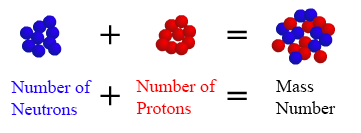
What is an isotope?
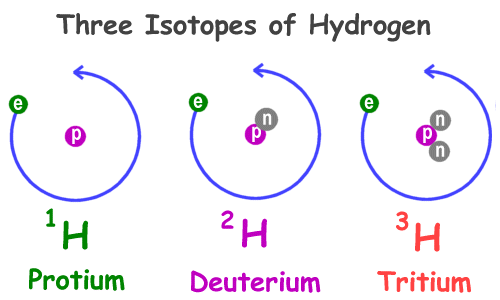
An element that contains the same number of electrons and protons but different numbers of neutrons. They have the same atomic number but different mass number. They have different properties (e.g boiling points).
What is the symbol for a proton?
p+
What is the symbol for a neutron
n0
What is the symbol for a electron
e-
What is the chemistry of an atom determined by?
How the electrons behave
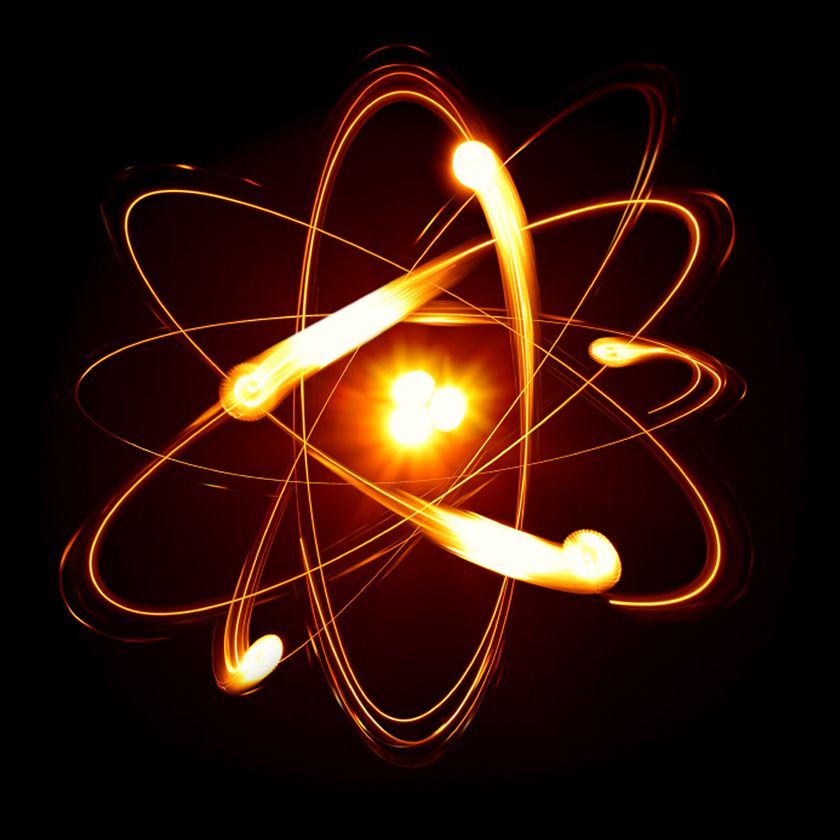
What properties do chemists believe electrons have?
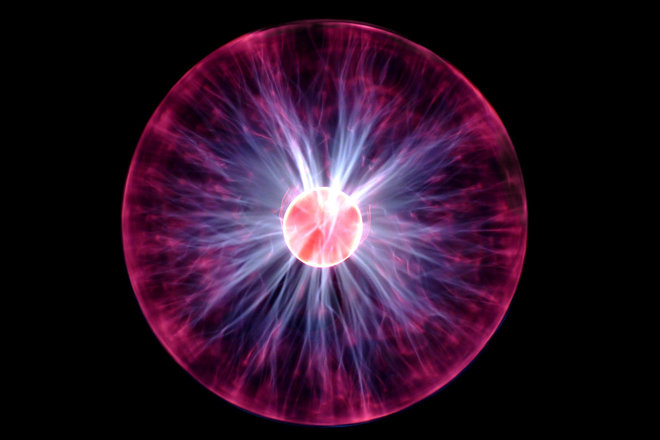
Chemists believe that electrons have some properties of particles, some of waves, and at other times act as clouds of charge.
What is an orbital?
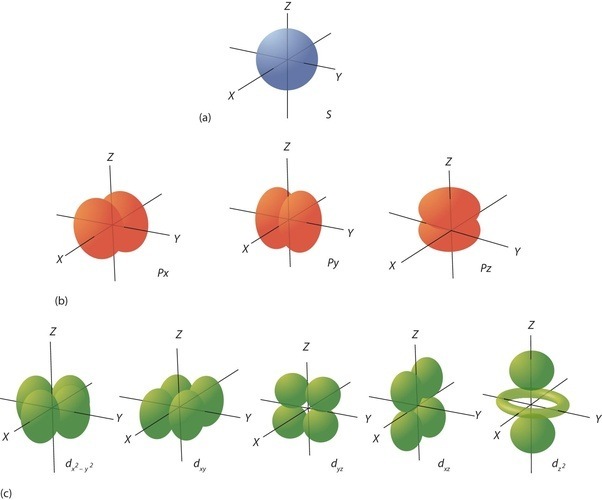
A region were two electrons can exist
What are nucleons?
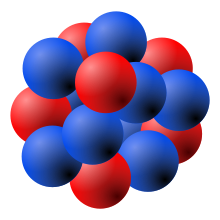
The protons and neutrons that live in the centre of the atom.
What is the letter that represents the mass number?
A
What is the letter that represents the atomic number?
Z
The number of electrons is the same as the number of…
protons
All atoms of the same element have the same number of what?
protons
What did John Dalton suggest at the start of the 19th centurary?
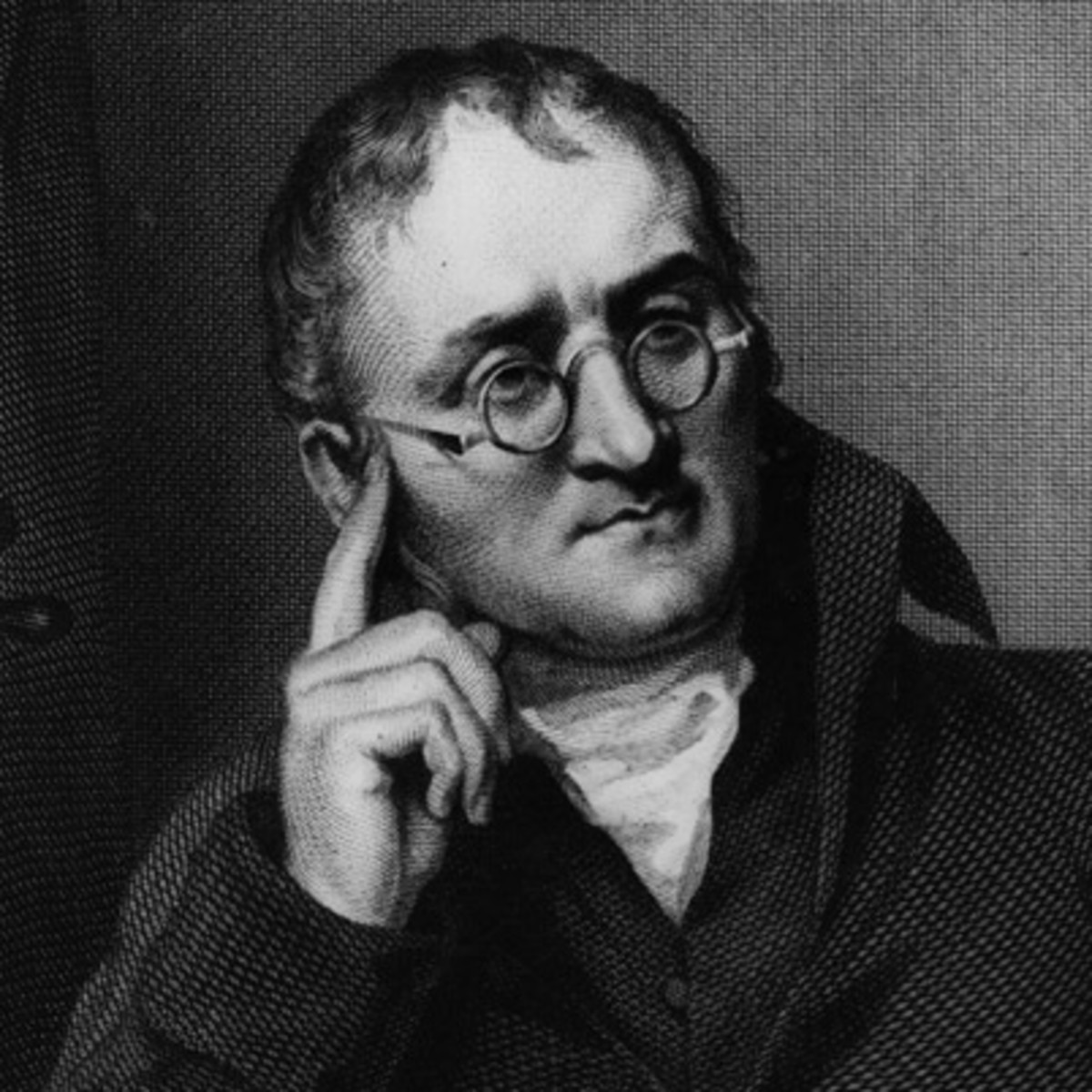
That elements were composed of indivisible atoms (solid spheres). All atoms of a particular element had the same mass and atoms of different elements and different masses.
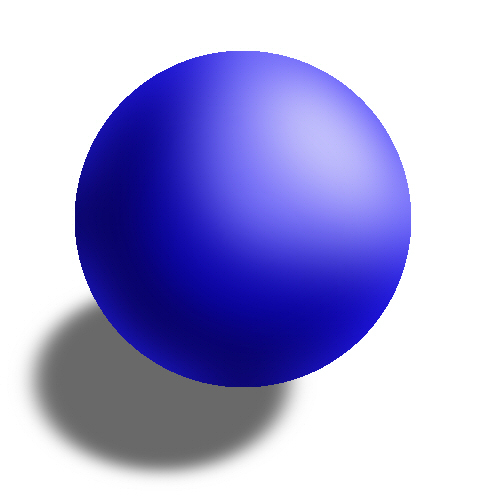
What did Robert Boyle propose in 1661?
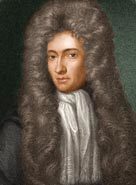
Chemical elements could not be made simpler.
What did Henri Becquerel discover in 1896?
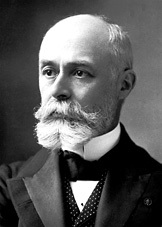
Radioactivity

What did the discovery of radioactivity prove?
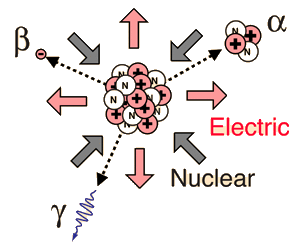
That atoms can divide.
What did JJ Thomson discover in 1896?
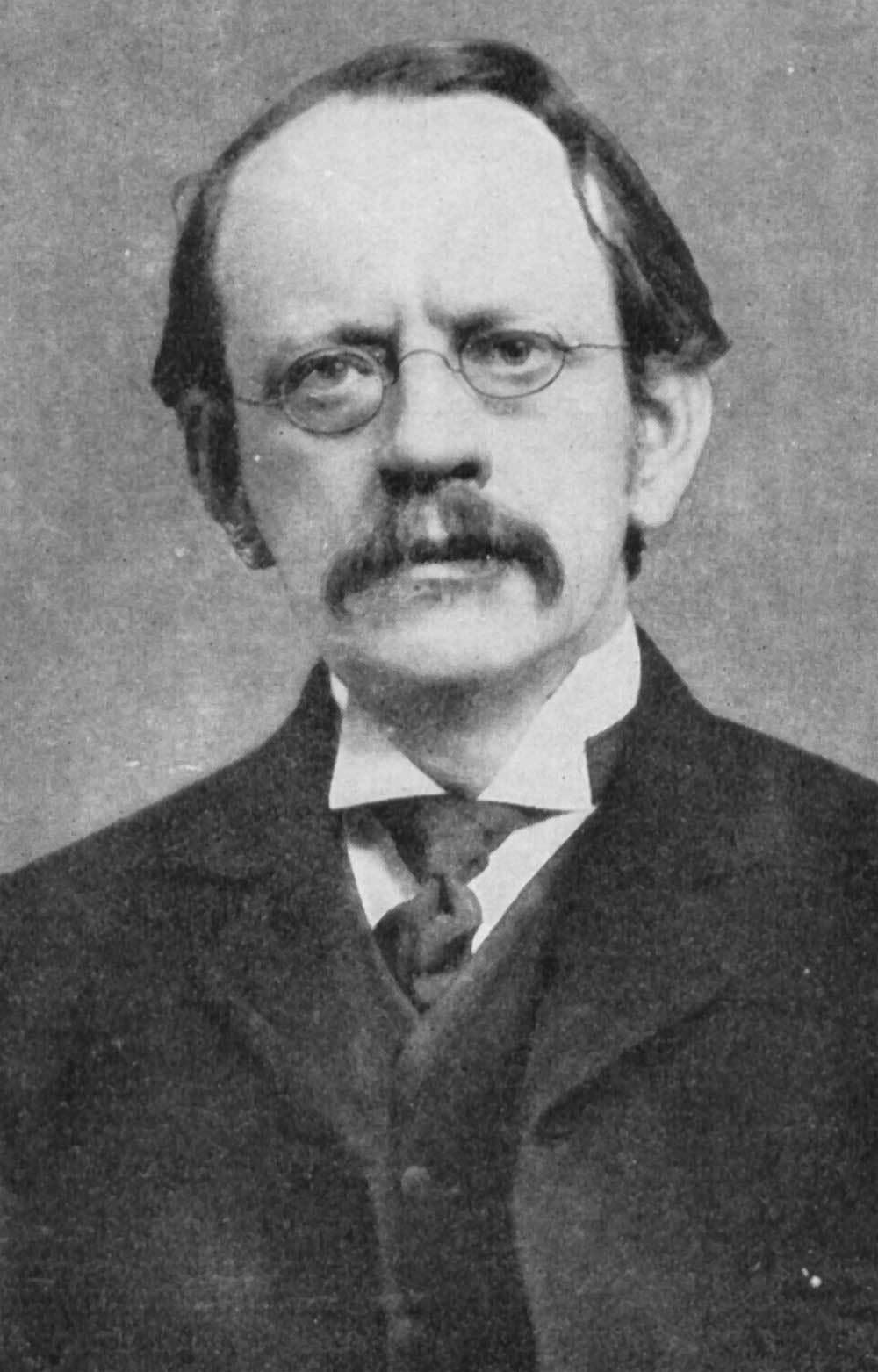
The electron (the first sub-atomic particle to be discovered)
What did the discovery of the electron disprove?
That atoms are not solid or indivisible.