AAMC Bio QPack Volume 1
No description yet. This curated deck is ready for daily study.
Card preview (24)
sodium potassium pump
3 Na+ out 2 K+ in 1 ATP used
erythrocytes
red blood cells
cardiac output
the amount of blood pumped into the system by the heart per unit time = stroke volume x heart rate
blood pressure is primarily determined by which factors?
total peripheral resistance cardiac output
vasoconstriction
the narrowing of blood vessels slows blood flow raises blood pressure
hemorrhage
loss of blood from damaged blood vessel
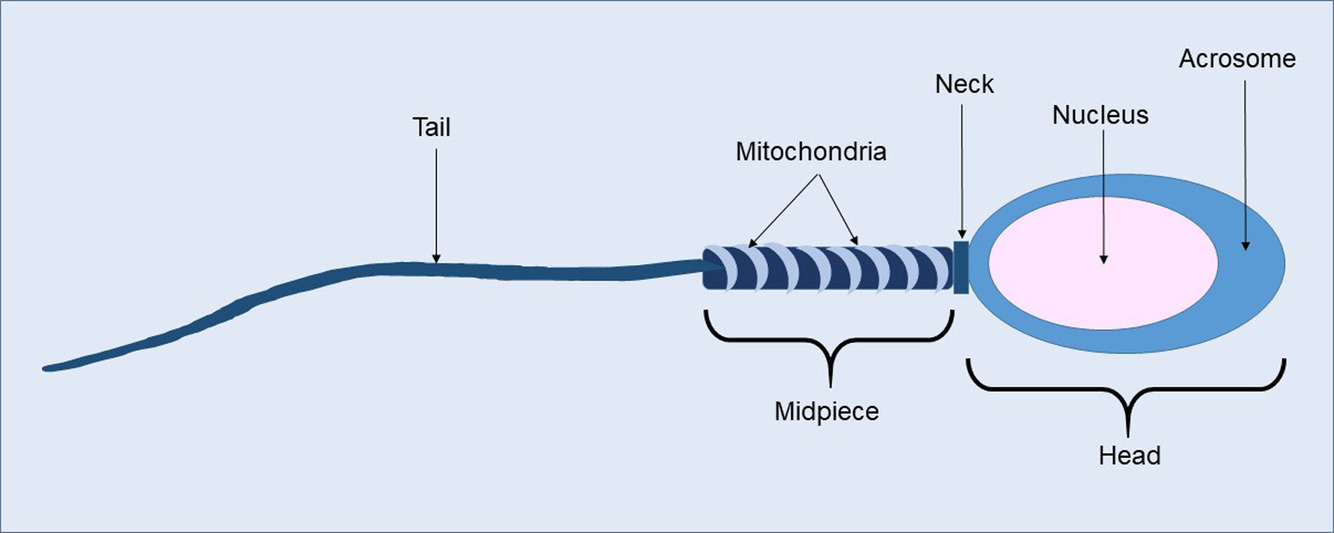
sperm cell sections
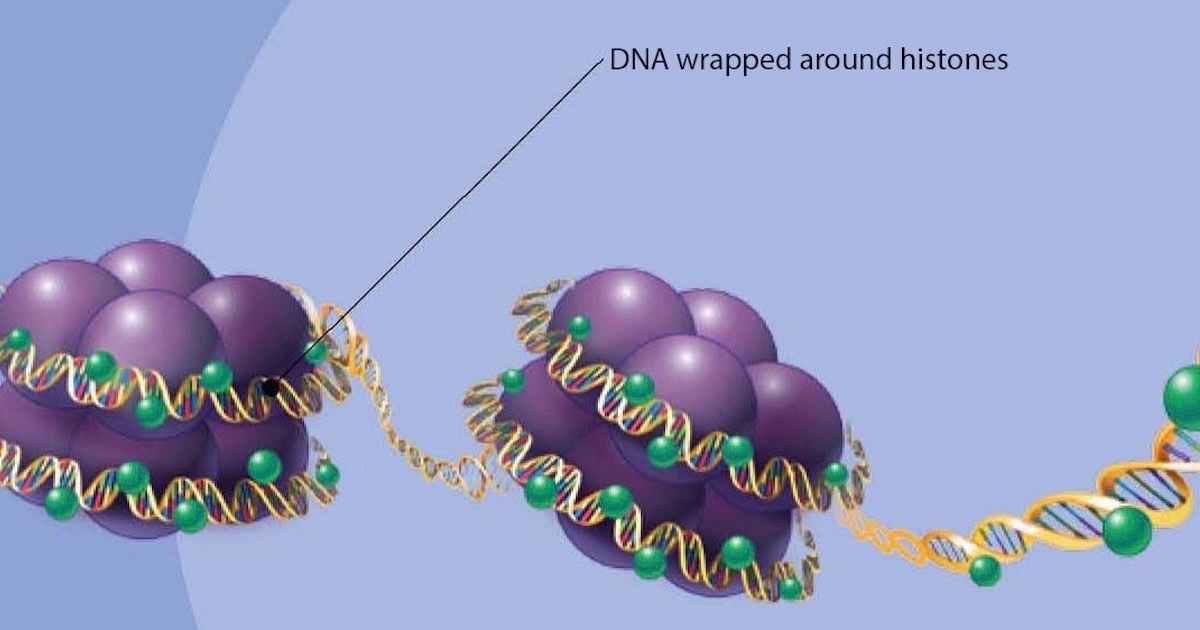
histones
proteins that provide structural support for DNA the DNA winds around 8 histones to create a nucleosome (?)
aldosterone
causes sodium and water to be reabsorbed from the kidney filtrate into the blood causes potassium to be excreted from the blood into the urine the increased volume of the blood raises blood pressure
mitosis vs meiosis
Mitosis -> production of daughter cells that are genetically ** identical ** to the original cell Meiosis –> production of **unique ** gametes with half the number of chromosomes than the original cell
prokaryotes include:
bacteria and archaea
eukaryotes include:
animals, plants, and fungi
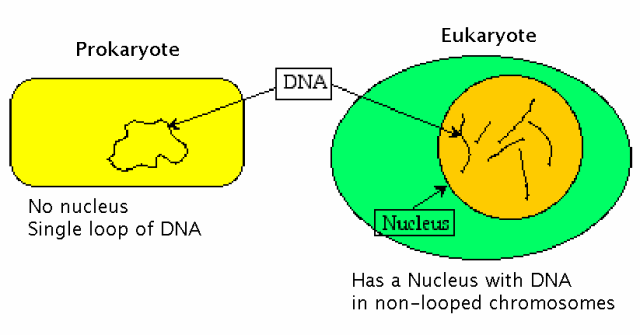
eukaryotic vs prokaryotic DNA (shape)
prokaryotic: circular DNA eularyotic: linear DNA
plant vs animal cells (boundary)
plant cells: cell wall & membrane animal cells: memrane only
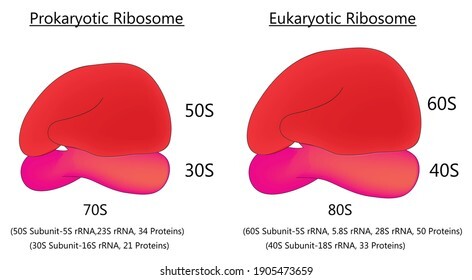
prokaryotic vs eukaryotic ribosomes
70s prokaryote ribosomes are smaller than the 80s eukaryote ribosomes
ATP synthase
catalyzes the synthesis of ATP from ADP and inorganic phosphate
ALL living cells utilize —— as an energy source
ATP
colonization
the process by which a species spreads to new areas
bone resorption
osteoclasts
parathyroid hormone
a hormone that the parathyroid glands release to control calcium levels in your blood also controls phosphorus and vitamin D levels
what defines a species
a group of organisms that can successfully breed and produce fertile offspring
steps of menstruation
hypothalamus releases GTRH anterior pituitary gland releases FSH and LH FSH stimulates development of follicles the developing follicles secrete estrogen LH spike causes ovulation → egg is released into f tubes the follicle that released the egg becomes the corpus luteum which releases progesterone + estrogen
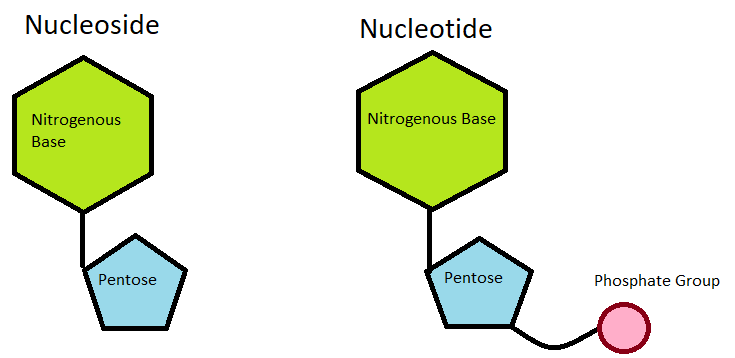
nucleoside vs nucleotide