U2-2 - Everyday Consumer Products (and Energy from Fuels)
No description yet. This curated deck is ready for daily study.
Card preview (24)
Name this functional group
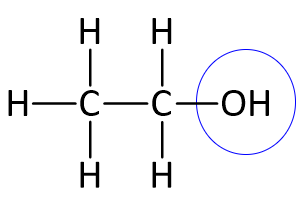
Hydroxyl
All alcohol names end in … .
–ol (e.g. ethanol)
What is missing from the name? Butanol
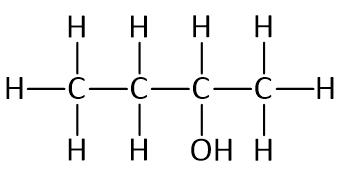
Location of OH group (butan-2-ol)
Which side do we number the carbon chain from (left or right)?
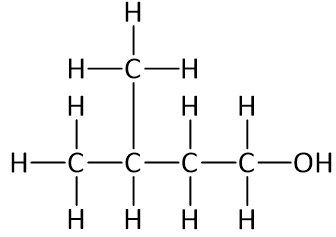
Right - must give lowest possible number to OH group (3-methylbutan-1-ol). Functional groups take priority over alkyl groups (so C=C or OH over CH3 or C2H5)
General formula for alkanols
CnH2n+1OH
How are alcohols made in industry?
Via hydration of alkenes
Name this type of reaction
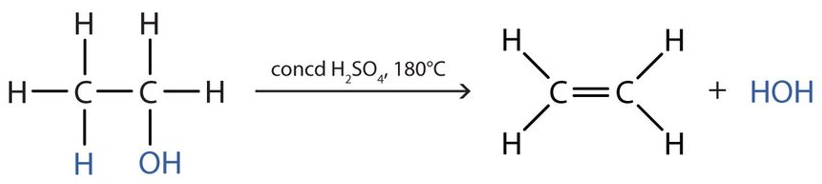
Dehydration
Eh = cm∆T What is ∆T?
Water temperature change (after heating)
Eh = cm∆T What are the units for m?
kg
Eh = cm∆T What is m?
Mass of water being heated (NOT mass of fuel!)
Eh = cm∆T What is the value of c?
4.18 (can be found in the data booklet)
Eh = cm∆T What are the units for Eh?
kJ (kilojoules)
How many carbons in the longest chain?
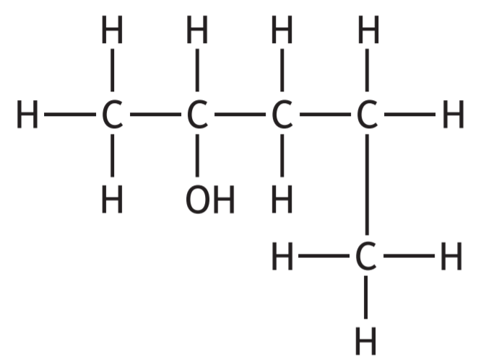
5 You can’t have branches at the start/end of the chain!
What type of compound is this?
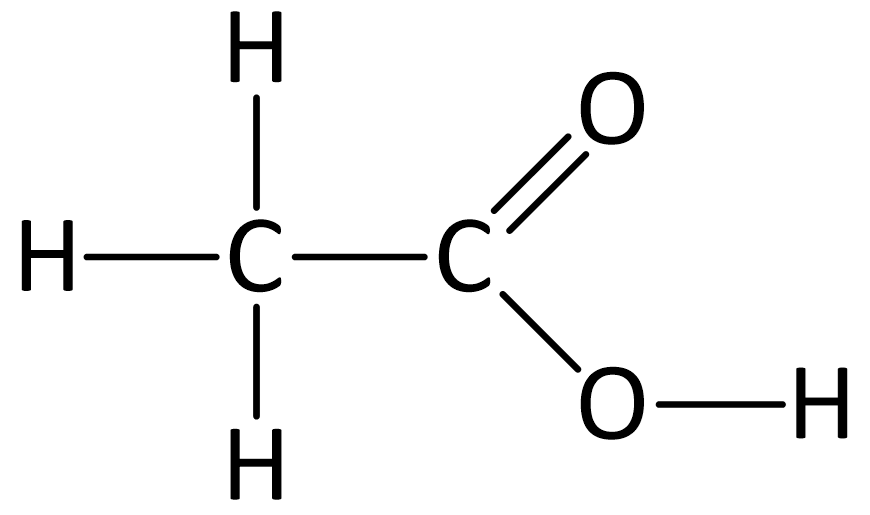
Carboxylic acid
Name this functional group
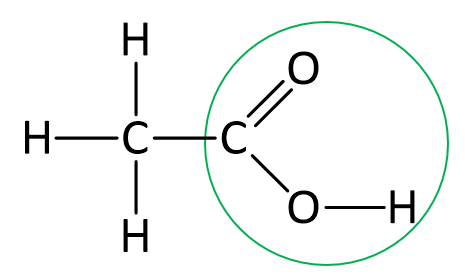
Carboxyl (NOT carboxylic acid)
Carboxylic acid names end in ____ ______.
-oic acid (e.g. ethanoic acid)
The name of a carboxylic acid salt will end in _____.
-oate (e.g. sodium ethanoate)
Give two uses of vinegar
• In household cleaners • To preserve food
Vinegar is _________ acid.
ethanoic
Name this type of compound
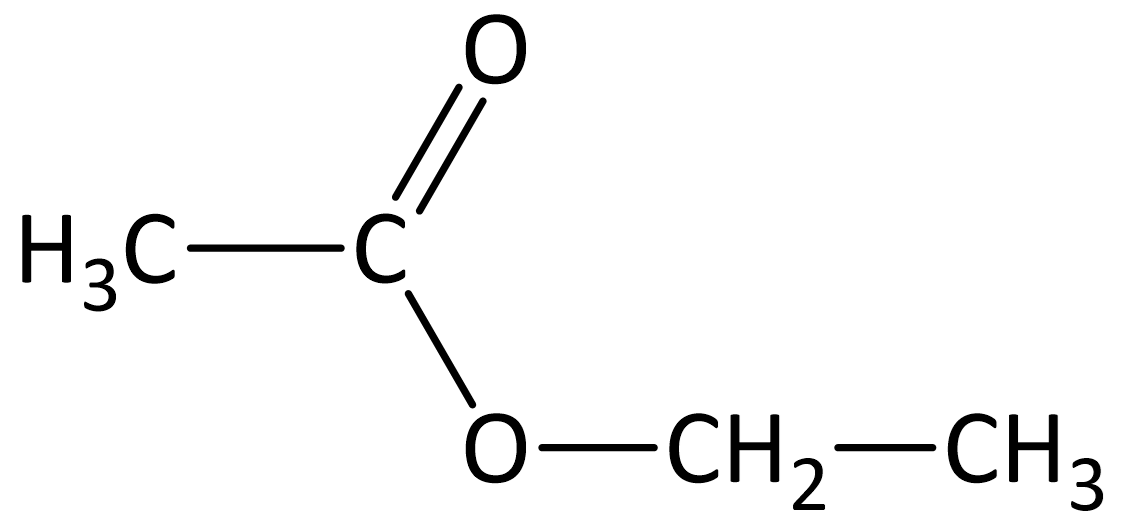
Ester
Weak attractions between molecules
Intermolecular forces
As molecule size increases, the forces between molecules get ______.
stronger
Which will have the higher boiling point: small alkane large alkane?
Large alkane (larger molecule = stronger intermolecular forces)
Why do larger molecules have higher boiling points?
Stronger intermolecular forces (compared to smaller molecules)