Final Exam
No description yet. This curated deck is ready for daily study.
Card preview (24)
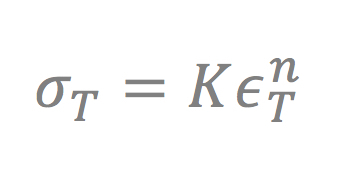
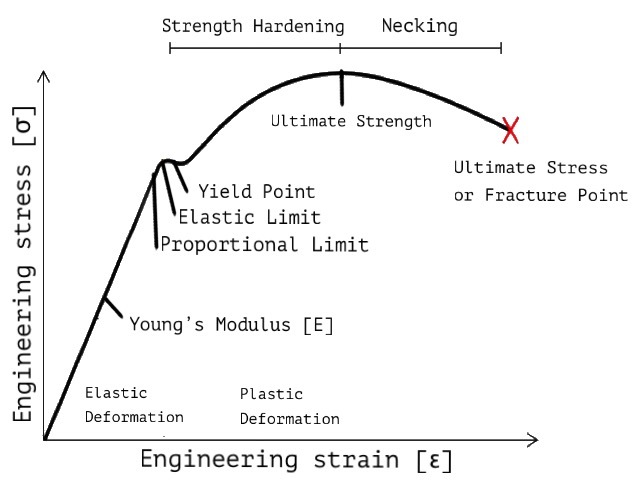
Equation true stress and true strain (plastic region to point of necking)
What is a crystal structure
The manner in which atoms, ions, or molecules are spatially arranged
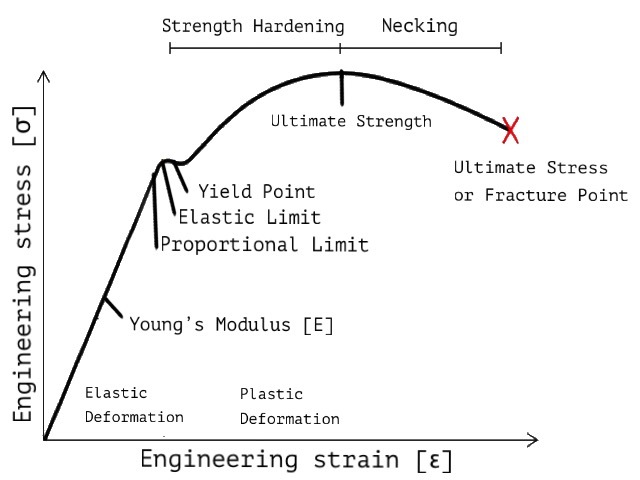
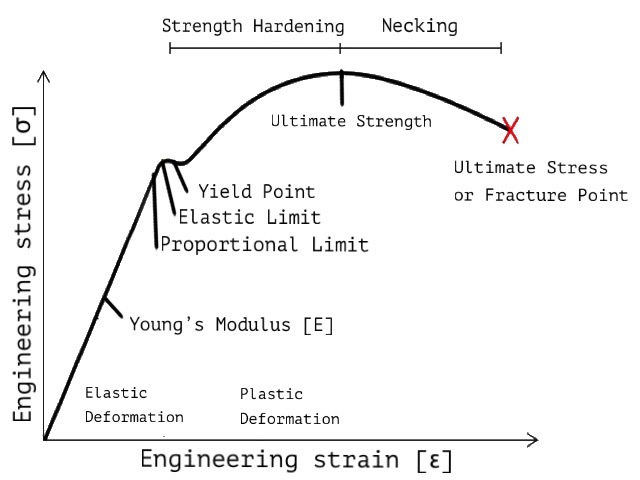
2
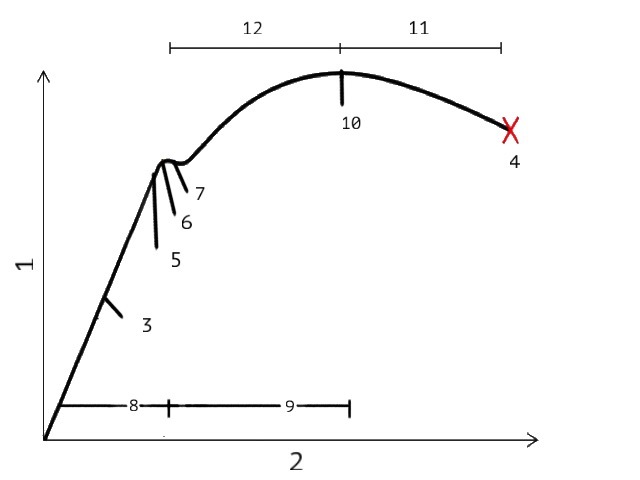
2 engineering strain
Phase diagram
a graph representing the states of a material by composition and temperature
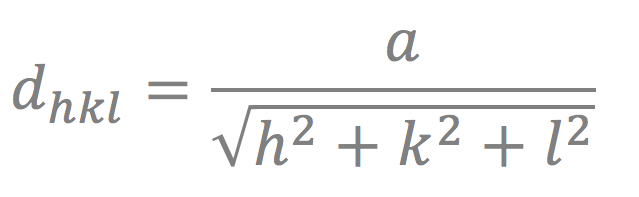
Equation Interplanar spacing for crystals having cubic symmetry
mechanisms of diffusion for gases, liquids, and solids
gases & liquids - random (Brownian) motion solids - vacancy diffusion or instititial diffusion
What is a crystal lattice?
A three dimensional array of points coinciding with atom positions or sphere centers
types of imperfections
point defects • vacancy atoms • interstitial atoms • substitutional atoms line defects • dislocations area defects • grain boundaries
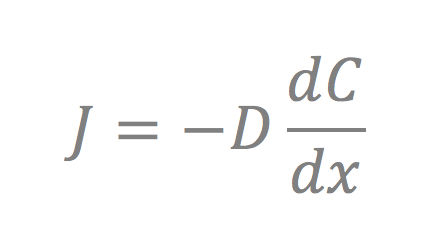
Equation Fick’s first law
steady-state diffusion independent of time flux proportional to concentration gradient
6
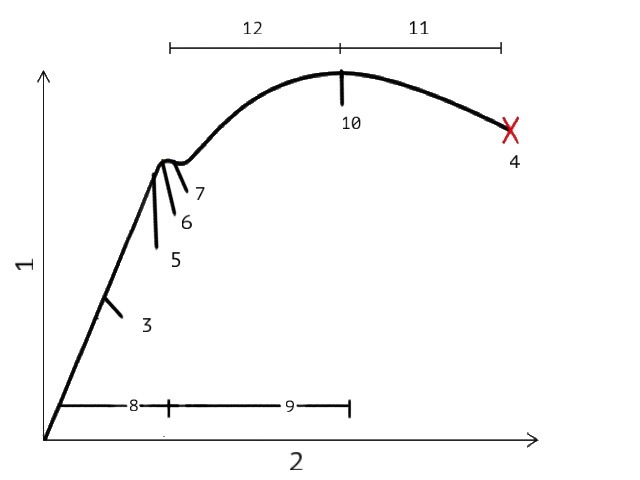
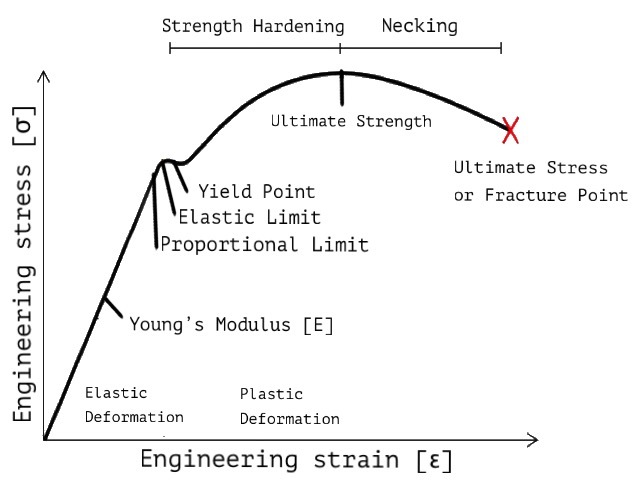
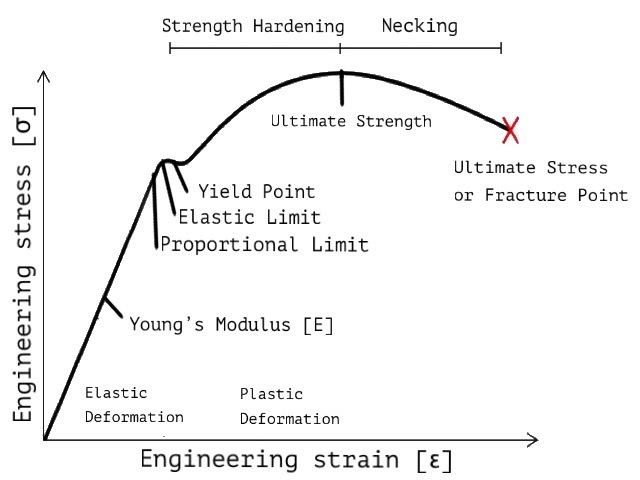
6 yield point
Eutectic reaction
liquid is transformed into two solids
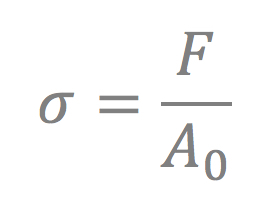
Equation engineering stress
solubility limit
maximum concentration for which only a single phase solution exists
8
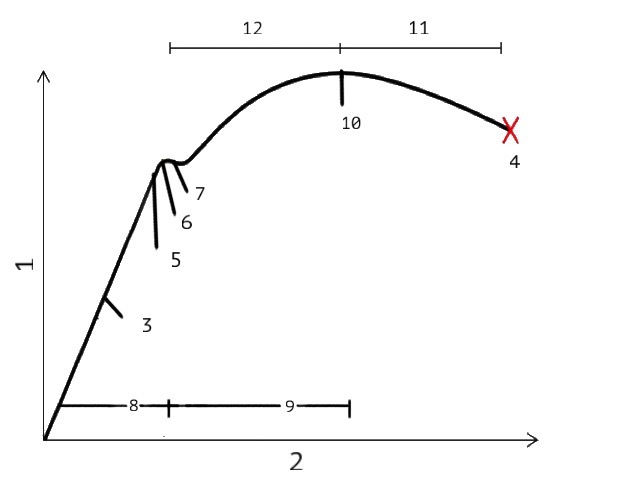
8 elastic deformation / elastic region
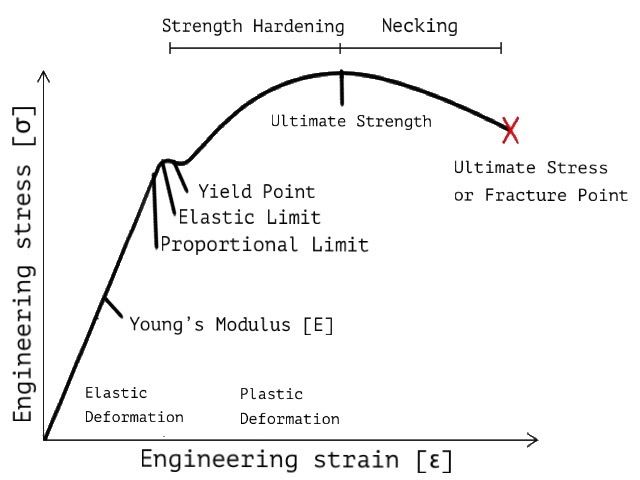
5
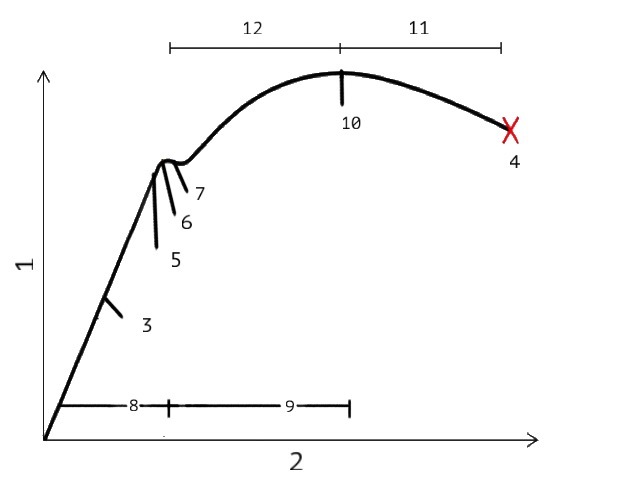
5 proportionality limit point at which there is deviation from linearity
What types of materials form crystalline structures
All metals, many ceramic materials, and certain polymers under normal solidification conditions
grain boundaries
regions between crystals where there is a transition from one lattice to that of another
11
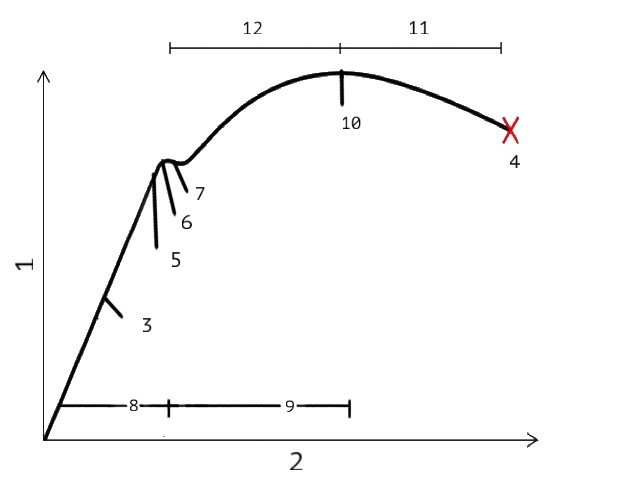
11 necking
conditions for substitutional solid solutions
• difference in radius < 15% • lowest difference in EN • same or higher no. of valent electrons • same crystal structure
Which is faster Dinterstitial or Dsubstitutional and why?
Dinterstitial >> Dsubstitutional
Name the correlations between bonding type and material
Polymers – covalent Metals – metallic Ceramics - ionic/mixed ionic-covalent Molecular solids – van der Waals Semi–metals – mixed covalent–metallic Intermetallics – mixed metallic–ionic
isomorphous system
complete solubility of one component in another
7
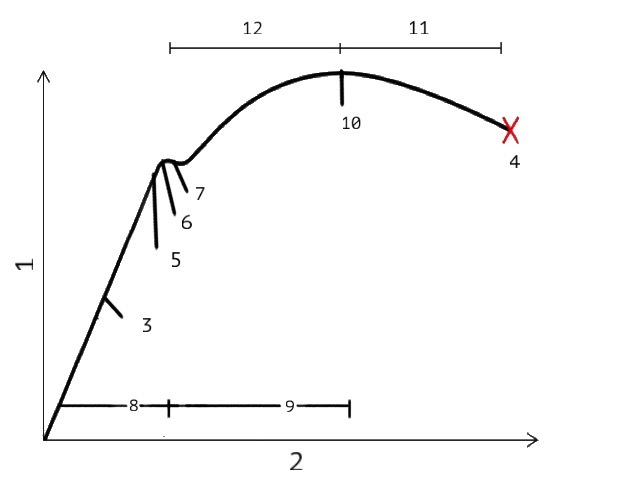
7 yield strength