Chapter 22: Amines
No description yet. This curated deck is ready for daily study.
Card preview (24)
Naming simple amines Primary amines
Replace the suffix “ane” with suffix −yl amine
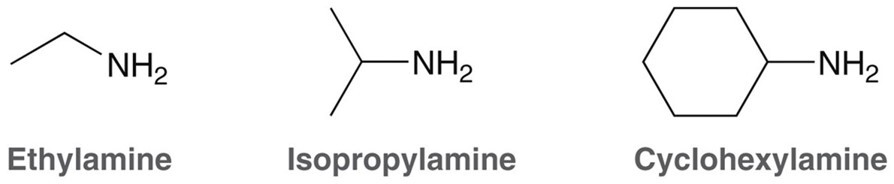
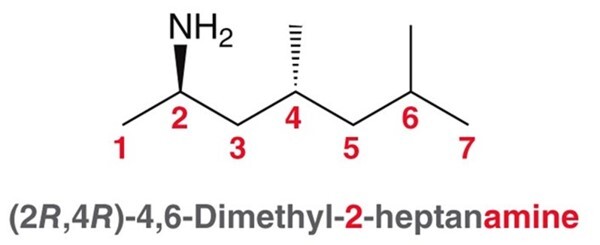
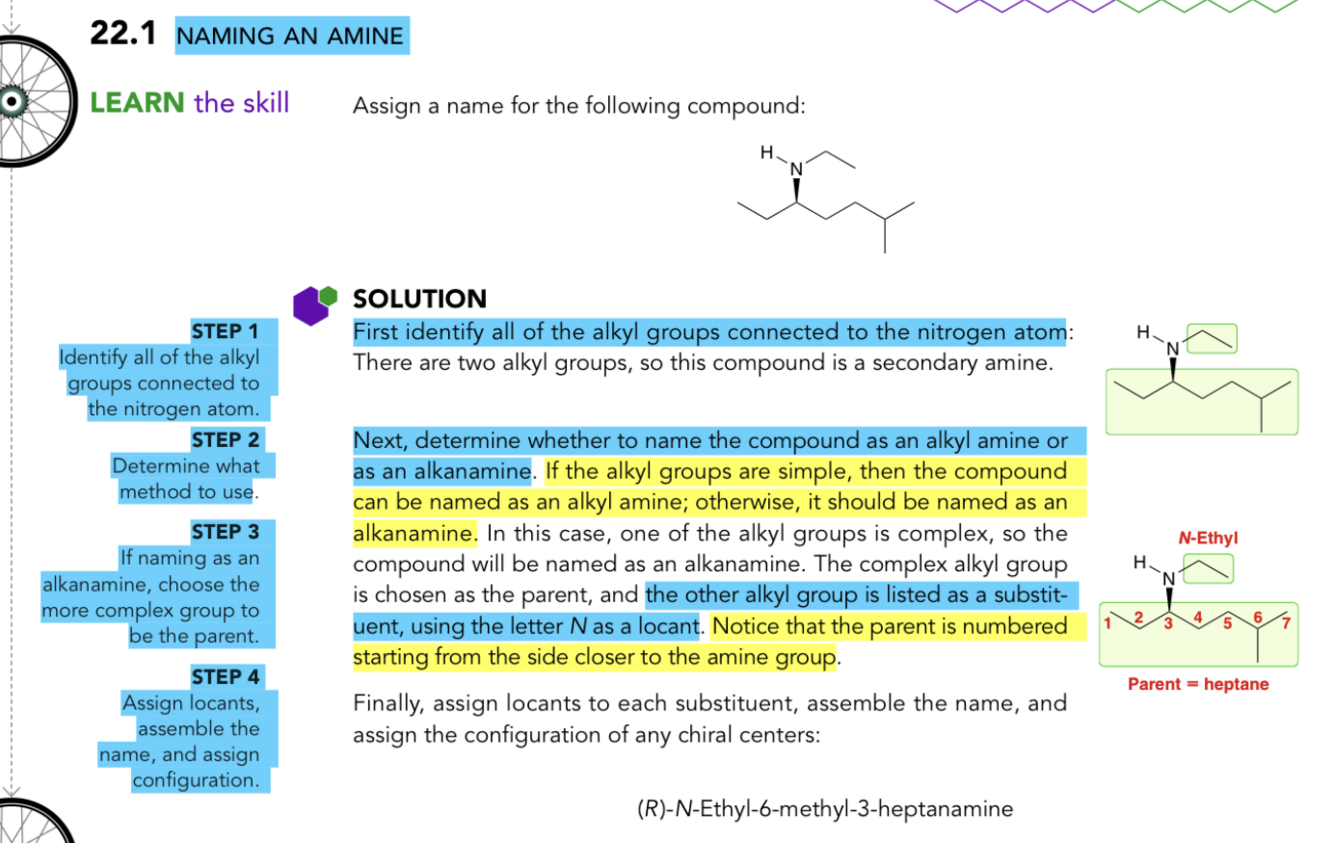
Naming complex amines Primary amines
• Identify and name the parent chain that includes the amine group • Identify and name substituents • Assign locant to each substituent giving the amine carbon the lowest number • Assemble substituents alphabetically • Assign configurations to any chiral centers • Replace “e” with suffix −amine
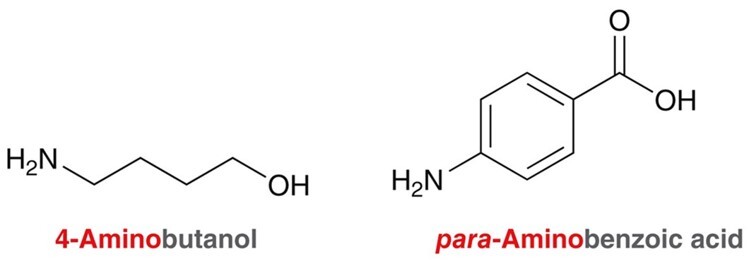
Naming amines with other substituents
When another functional group is present the amino group is generally listed as the substituent The other functional group takes priority and becomes the suffix
Naming secondary and tertiary amines
Properties of amines
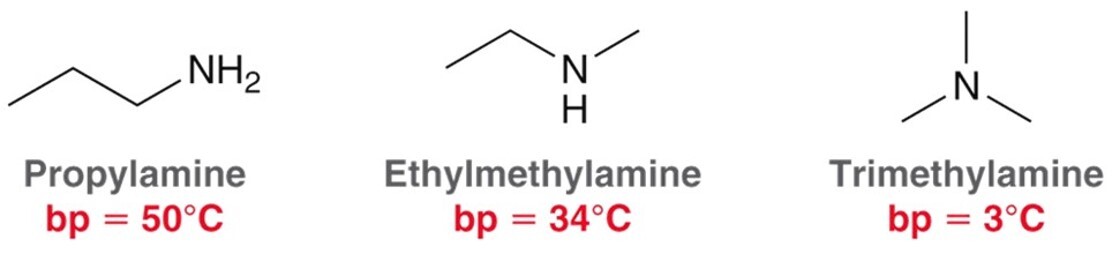
Due to hydrogen bonding, amines with less than 5 carbons typically water soluble Primary and secondary amines have higher boiling points than tertiary due to hydrogen bonding
Preparing an amine from an alkyl halide with the addition of one carbon
Reagents • NaCN Followed by • LiAlH4 • H2O

Preparing an amine from a carboxylic acid
Reagents • SOCl2 (thionyl chloride) • excess NH3 then • LiAlH4 • H2O

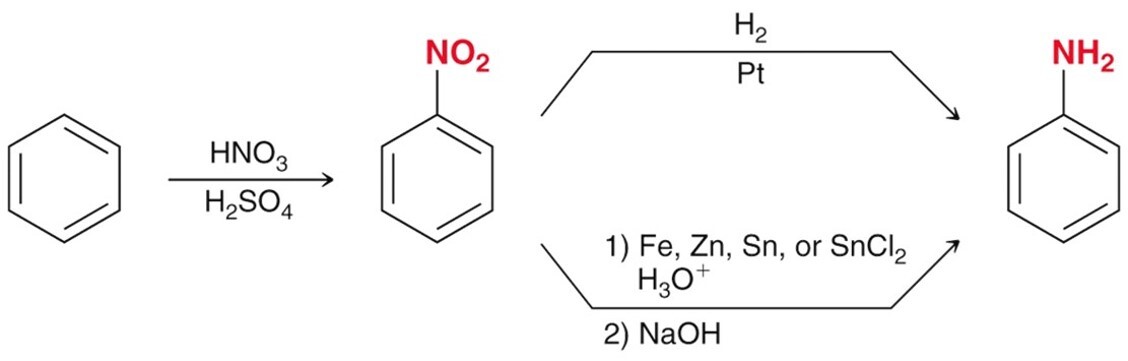
Preparing an amine from a benzene
Reagents • HNO3 (nitric acid) & H2SO4 • Fe or Zn & HCl • NaOH
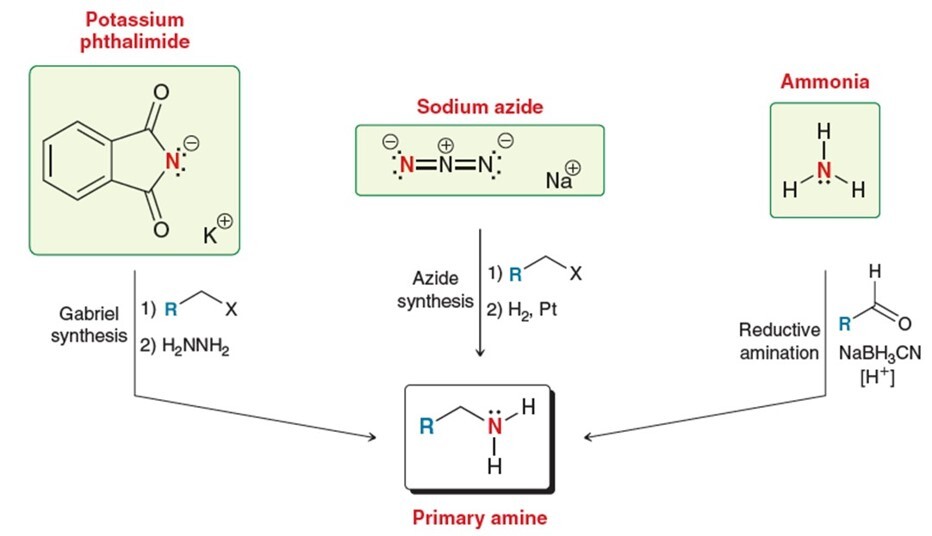
Azide synthesis
Reagents NaN3 (sodium azide) Followed by H2, Pt or 1. LiAlH4 2. H2O Mechanism Converts an alkyl halide to an amine

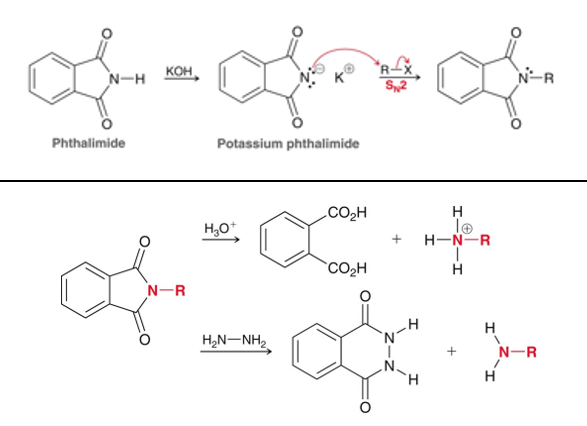
Gabriel synthesis
Reagents • Phthalimide • KOH • H2NNH2 (hydrazine) or H3O+ Mechanism Converts an alkyl halide to an amine
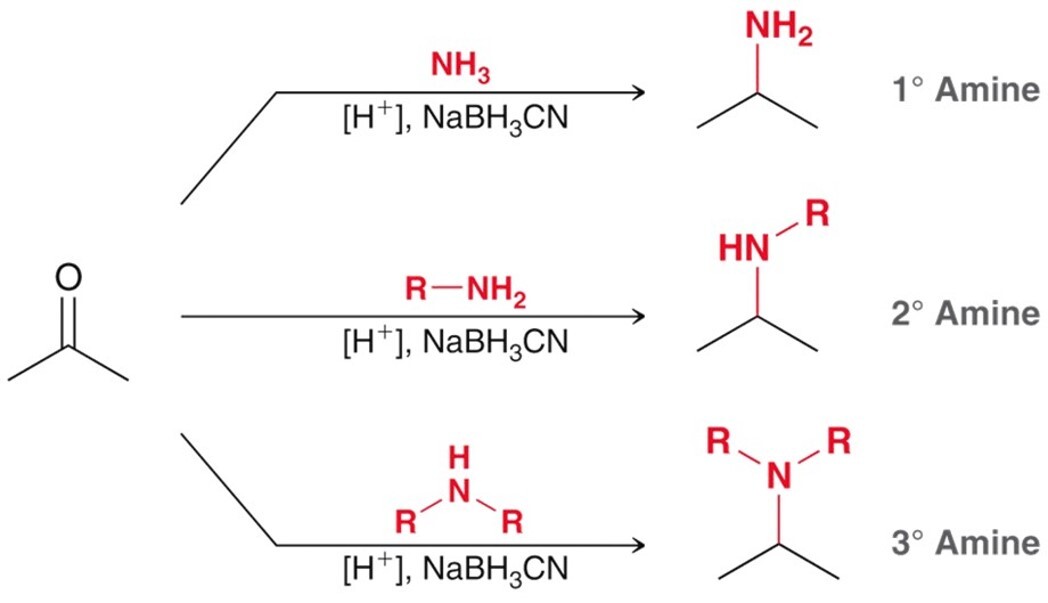
Reductive amination
Reagents NH3, RNH2, or R2NH & [H+], NaCNBH3 (sodium cyanoborohydride) Mechanism Aldehyde/ketone converted into an imine, then the reduced to the corresponding amine
Three methods to synthesize a primary amine
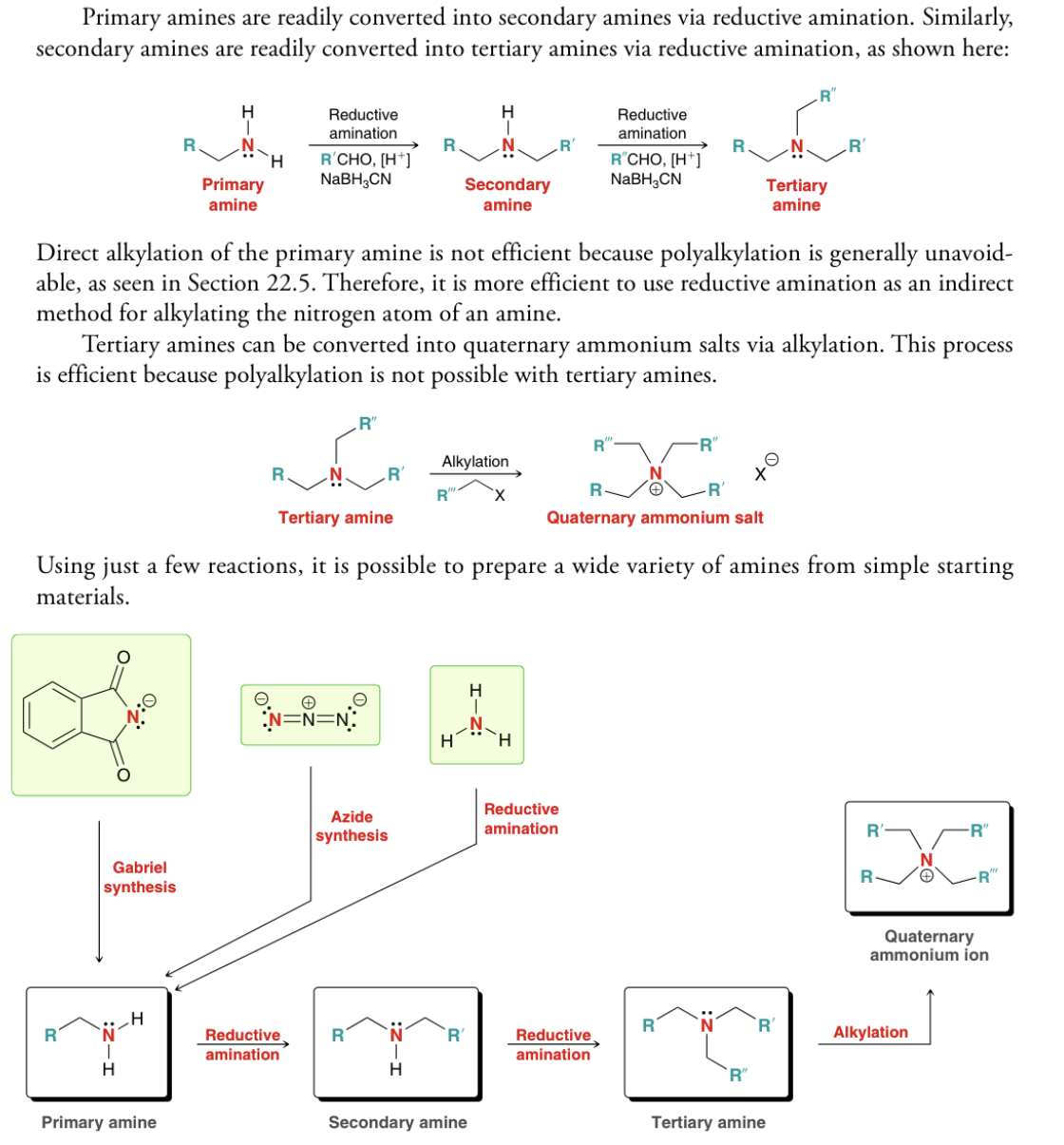
Converting a primary amine to a multisubstituted amine
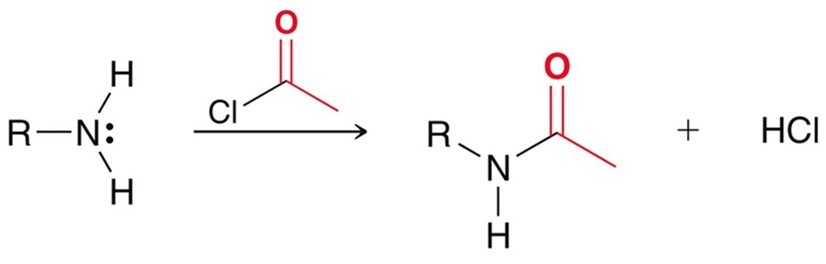
Acylation of amines
Reagents Acid chloride Mechanism Converts an amine into an amide
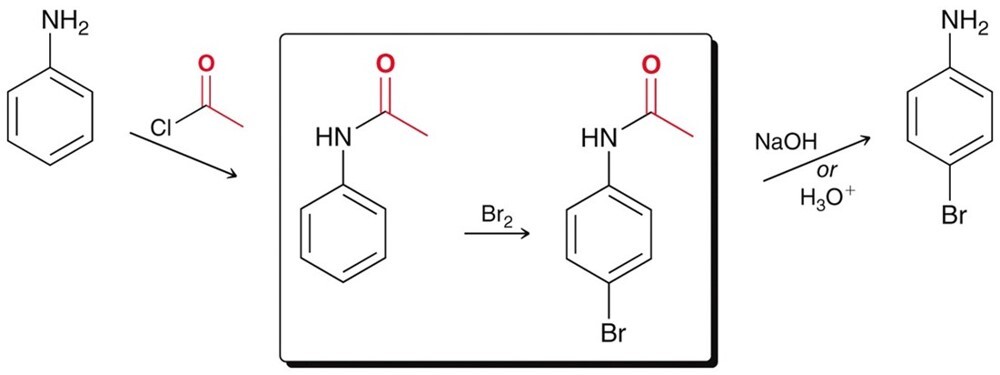
Performing Friedel-Crafts reactions with aniline
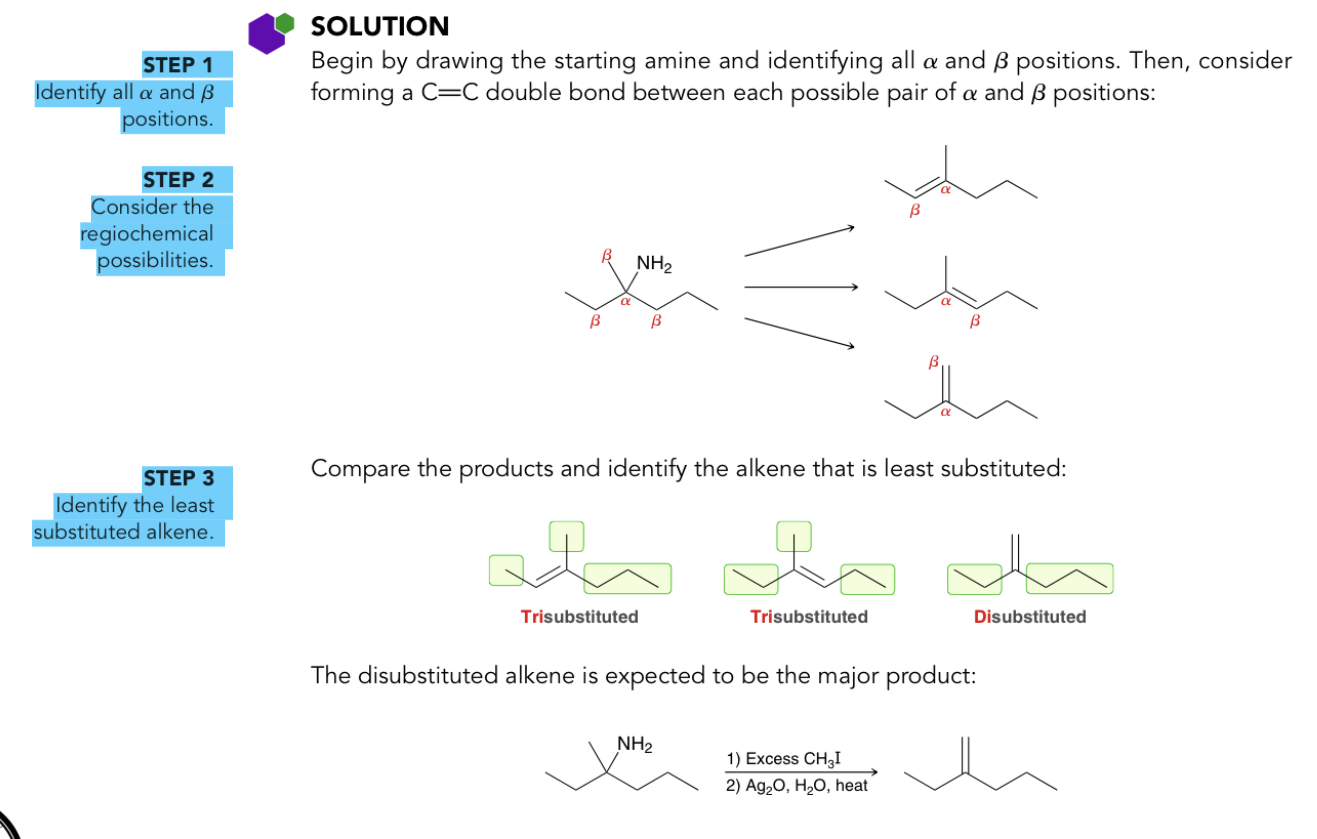
Hofmann elimination
Reagents • CH3I (iodomethane) • Ag2O (silver oxide) , H2O, heat Mechanism Creates an alkene through a Hofmann elimination that favors the least substituted alkene
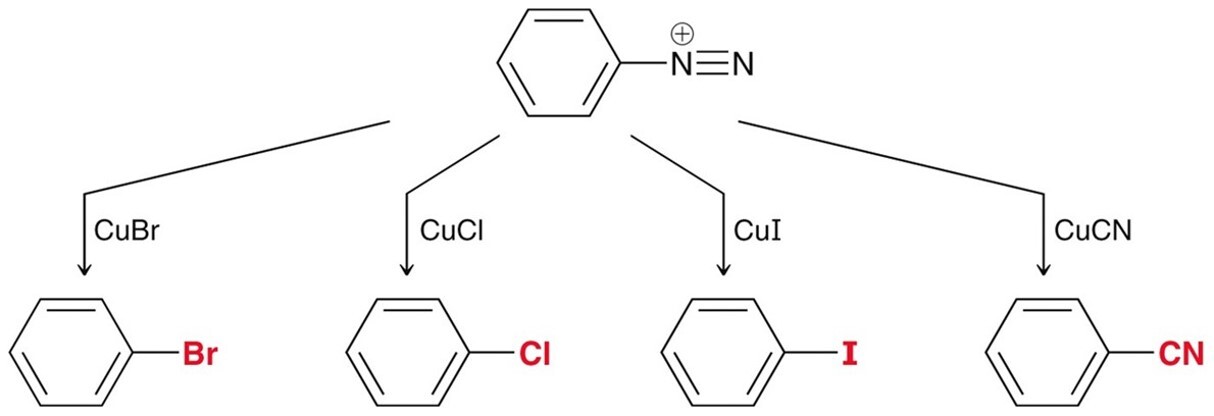
Sandmeyer reaction
Reagents • NaNO2 (nitrous acid) & HCl • CuX (copper salt) CuBr, CuCl, CuI, or CuCN Mechanism Converts aniline to an aryl diazonium salt which can then be converted to a number of products
Reactions of aryl diazonium ions
Reagents HBF4 (fluoroboric acid) or H2O, heat or H3PO2 (hypophosphorous acid)
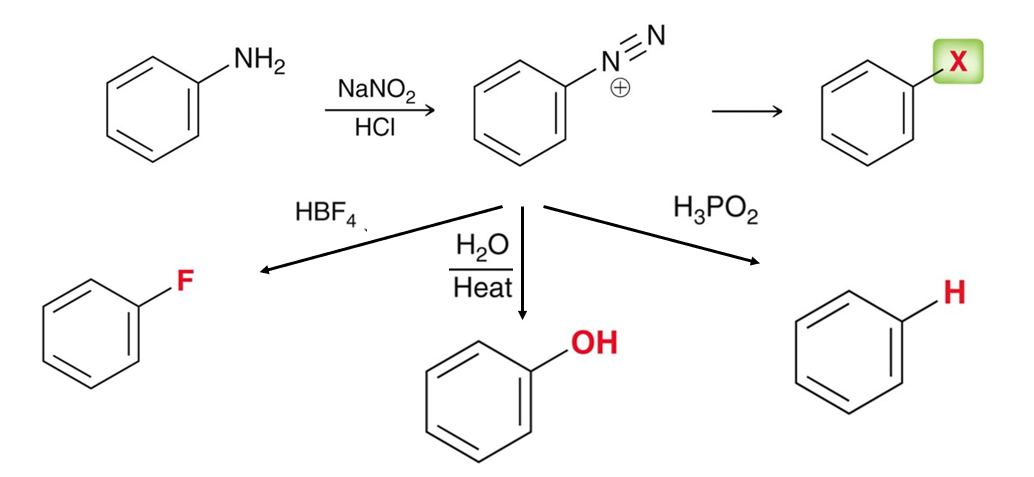
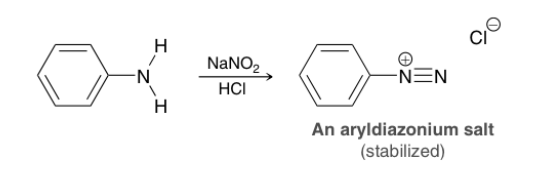
Formation of an aryldiazonium salt
Reagents NaNO2 (nitrous acid) & HCl
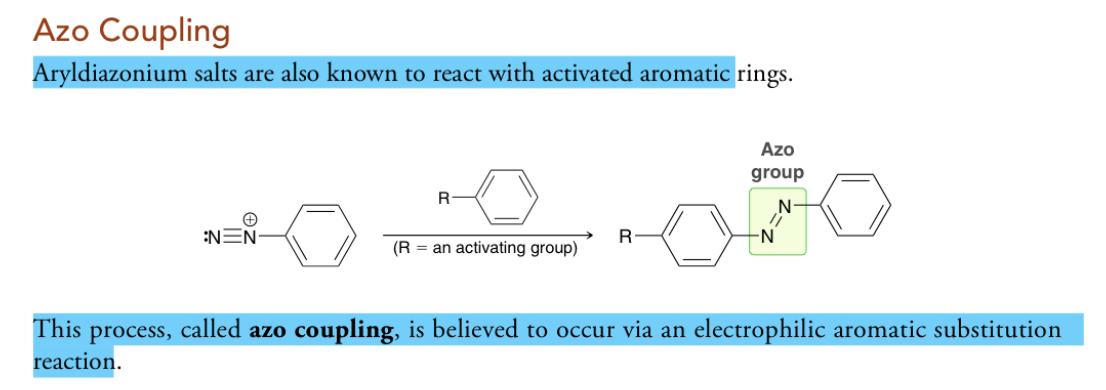
Azo coupling
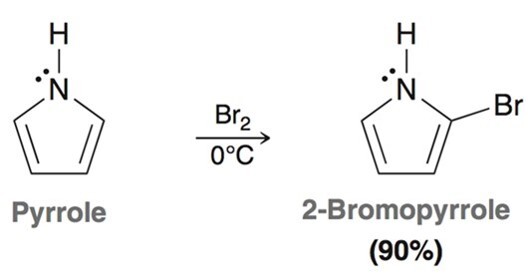
Pyrrole
A five-membered aromatic heterocycle ring with one nitrogen Undergoes EAS faster than benzene; most stable intermediate from substitution at C2
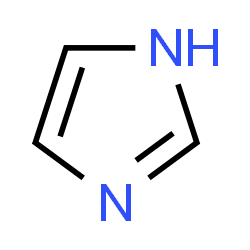
Imidazole
A five-membered aromatic heterocycle ring with two non-adjacent nitrogen atoms in meta-substitution
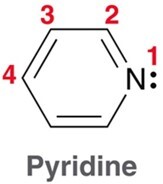
Pyridine
A six-membered aromatic heterocycle ring with one nitrogen Can function as a weak base because the lone pair is not resonance conjugated
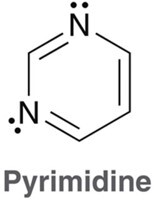
Pyrimidine
A six-membered aromatic heterocycle ring with two non-adjacent nitrogen atoms in meta-substitution