B1.1.4 Enzymes
No description yet. This curated deck is ready for daily study.
Card preview (24)
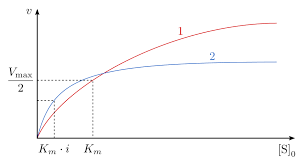
the effect of increasing substrate concentration with non-competative inhibitors present is
the rate of reaction is reduced
induced fit theory states
that the substrate induces the active site into changing shape to fit the substrate
how do enzymes affect rate of reaction
enzymes lower activation anergy by bringing reactants in closer proximity = greater rate of reaction
the highest rate of reaction for an enzyme is known as its
optimum
what does denature mean
a permenant change in the enzymes structure
how does concentration affect rate of reaction
greater concentration = more reactants = more collisions = greater rate of reaction
enzymes are
globular proteins and biological catalysts
non-competative reversible inhibitors
bind the enzyme permenantly preventing substrate binding
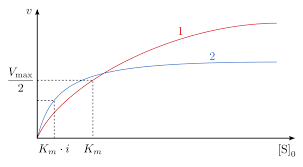
which line shows what would happen if a competative inhibitor was present
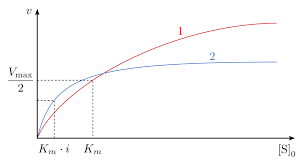
line 1
lock and key theory states
that the substrate fits into the active site perfectly
how do higher than optimal temperature affect enzymes
bonds may be broken in the tertiary structure - active site changes shape - reduced ability to make enzyme substrate complexes
enzyme + substrate =
Enzyme substrate complex
how do lower than optimal temperatures affect enzymes
lower rate due to collision theory, enzyme unnafected
High temperatures and extremes of pH may cause what
the enzyme to denature
which line shows what would happen if a non-competative inhibitor was present
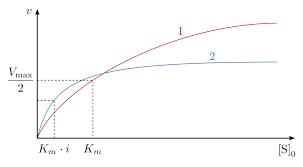
line 2
how do higher or lower than optimal pH values affect enzymes
bonds may be broken in the tertiary structure - active site changes shape - reduced ability to make enzyme substrate complexes
competative reversible inhibitors
bind active sites but unbind easily
the 5 factors that affect enzyme controlled reactions are
temperature, pH, substrate concentration, enzyme concentration, inhibitors
the effect of increasing substrate concentration with competative inhibitors present is
the rate is reduced initially but eventually reaches optimal as the effect of the inhibitor is reduced due to the presentce of more substrate
collision theory states that
for reactants to react into products they must collide with enough energy and in the correct orientation
non-competative ireversible inhibitors
bind the enzyme preventing substrate binding but unbind easily
what 4 factors affect the rate of reaction
temperature, pressure (only in gases), concentration, catalysts
how does temperature affect rate of reaction
greater temperature = greater average kinetic energy = more collisions = greater rate of reaction
a competative inhibitor works by
bonding in the same place as the substrate