Respiratory System- Anatomy
No description yet. This curated deck is ready for daily study.
Card preview (24)
What are the two passageways in the Respiratory System>
Upper Respiratory Tract Lower Respiratory Tract
3 Cavities of the Upper Respiratory Tract
oral cavity nasal cavity pharyngeal cavity
The role of the pharyngeal cavity
passageway for moving airstream from upper to lower
5 parts of lower respiratory tract
larynx trachea bronchi bronchioles alveorlar air sacs
larynx
throat top of trachea protect passageway
trachea
single airway extend larynx down horse shoe shaped rings of cartilage flexible
bronchi
wind pipe similar structure to trachea 2 branches - R- 3 L-2
bronchioles
smaller branches of the bronchi circle of cartilage
alveolar air sacs
tiny air-filled balloons surrounded by blood vessels inside surface of alveoli moist-> surface tension
2 components of thoracic cavity
lungs and mediastinum
2 components of the mediastinum
blood vessels esophagus
the lungs are contained in…
plural membranes
the 2 plural membranes are…
viceral pleura parietal pleura
the viceral pleura is where?
around (inside) the lung
the parietal pleura is where?
inside lining of thorastic cavity (outside)
viceral pleura and parietal pleura are connected by?
surface tension and negative intrapleural pressure
magdeburg principle
negative air pressure- suction cups. This is related to the plural membranes and why they stay together and create a vacuum
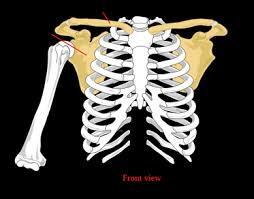
pectoral girdle (clavicle and scapula)
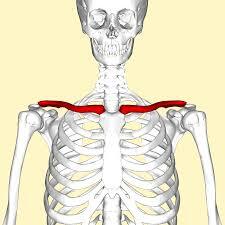
clavicle
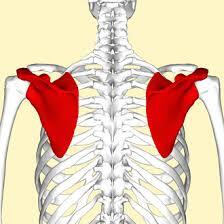
scapula
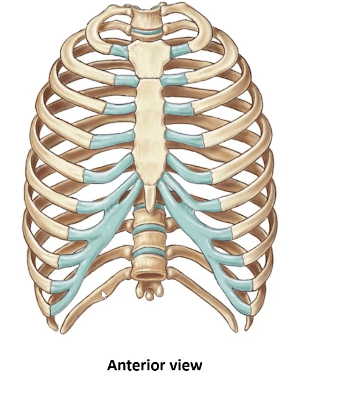
rib cage (sternum, costal cartilage, vertibral column)
how many ribs are attached and how many are floating?
1-10 attached 11-12 floating
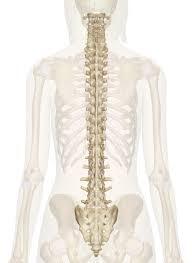
vertebral column 32-33
first? #?
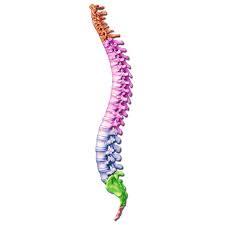
cervical -7